Mar . 17, 2026 02:15 Back To List
Comprehensive Guide to Corner Bead Aluminium for Plastering and Rendering
Corner Bead Aluminium: A Comprehensive Guide
When it comes to achieving clean, durable, and professional-looking corners in plastering and rendering projects, corner bead aluminium is an essential component. This guide provides an in-depth exploration of aluminium corner bead, covering its benefits, applications, installation, and how to choose the right type for your needs. Understanding the advantages of using high-quality corner bead like those offered by WRK Formwork can significantly enhance the final result and longevity of your projects. WRK Formwork offers a diverse range of corner bead solutions for various construction requirements.
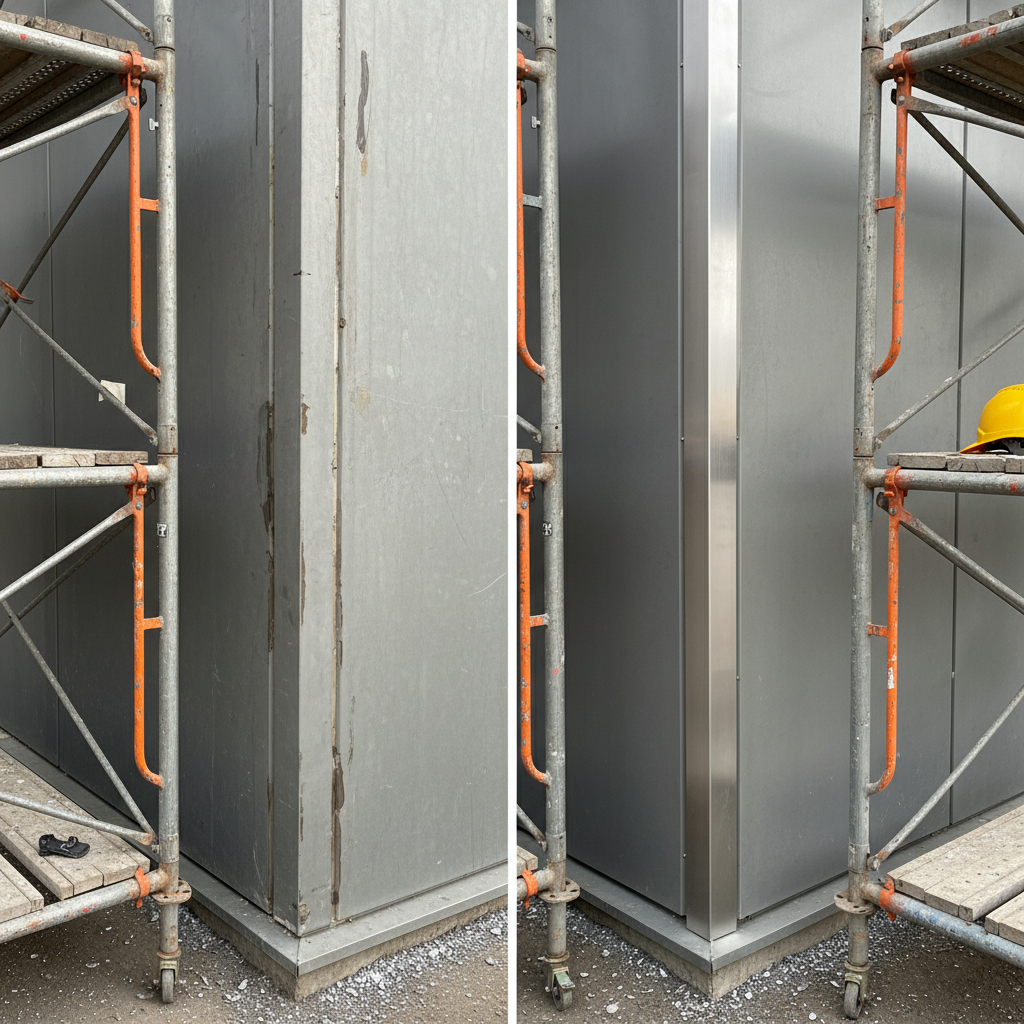
Why Choose Corner Bead Aluminium?
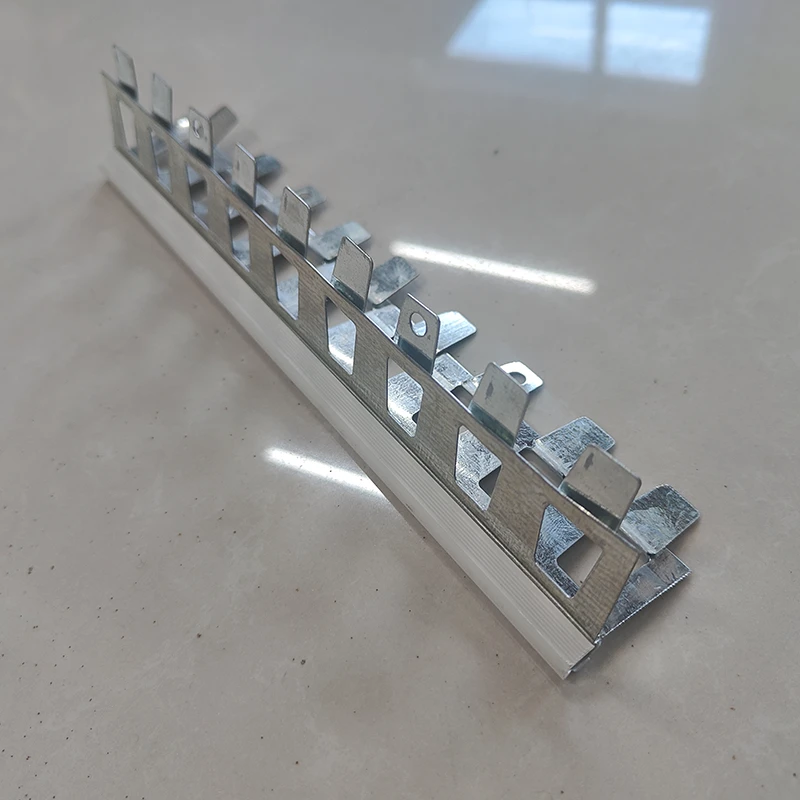
Aluminium corner bead offers several advantages over traditional materials like steel or plastic. Its inherent resistance to corrosion makes it ideal for both interior and exterior applications. Furthermore, aluminium is lightweight, making it easier to handle and install. The material’s flexibility allows it to conform to slightly uneven surfaces, creating a seamless finish. Using aluminium corner bead enhances the durability and aesthetic appeal of corners, protecting them from impacts and wear and tear.
Key Highlights: Lightweight, corrosion-resistant, flexible, and provides a durable, professional finish to corners.
Corner Bead Aluminium Types & Applications
There are various types of corner bead aluminium available, each designed for specific applications. These include:
- Standard Aluminium Corner Bead: Suitable for general plastering and rendering projects.
- Mesh Backed Corner Bead: Provides enhanced adhesion to the substrate, ideal for difficult surfaces.
- Perforated Corner Bead: Allows for plaster to key into the bead, creating a stronger bond.
- Splayed Corner Bead: Offers a wider surface for finishing, often used for decorative effects.
These beads find applications in both residential and commercial construction, including internal corners, external corners, window reveals, and door frames. The choice of bead depends on the specific requirements of the project and the type of substrate.
Applications at a Glance:
• Internal Corners
• External Corners
• Window Reveals
• Door Frames
Corner Bead Aluminium vs. Other Materials: A Comparison
While other materials can be used for corner protection, aluminium offers distinct advantages. Here's a comparison:
Installation Tips for Corner Bead Aluminium
Proper installation is crucial for achieving optimal results. Ensure the substrate is clean, dry, and free of debris before applying the corner bead. Use appropriate adhesive or mechanical fixings (such as screws or nails) to secure the bead firmly in place. Apply the plaster or render evenly, ensuring it fully encases the corner bead. Pay attention to creating a smooth, consistent finish. WRK Formwork provides detailed installation guides for its range of corner bead products.
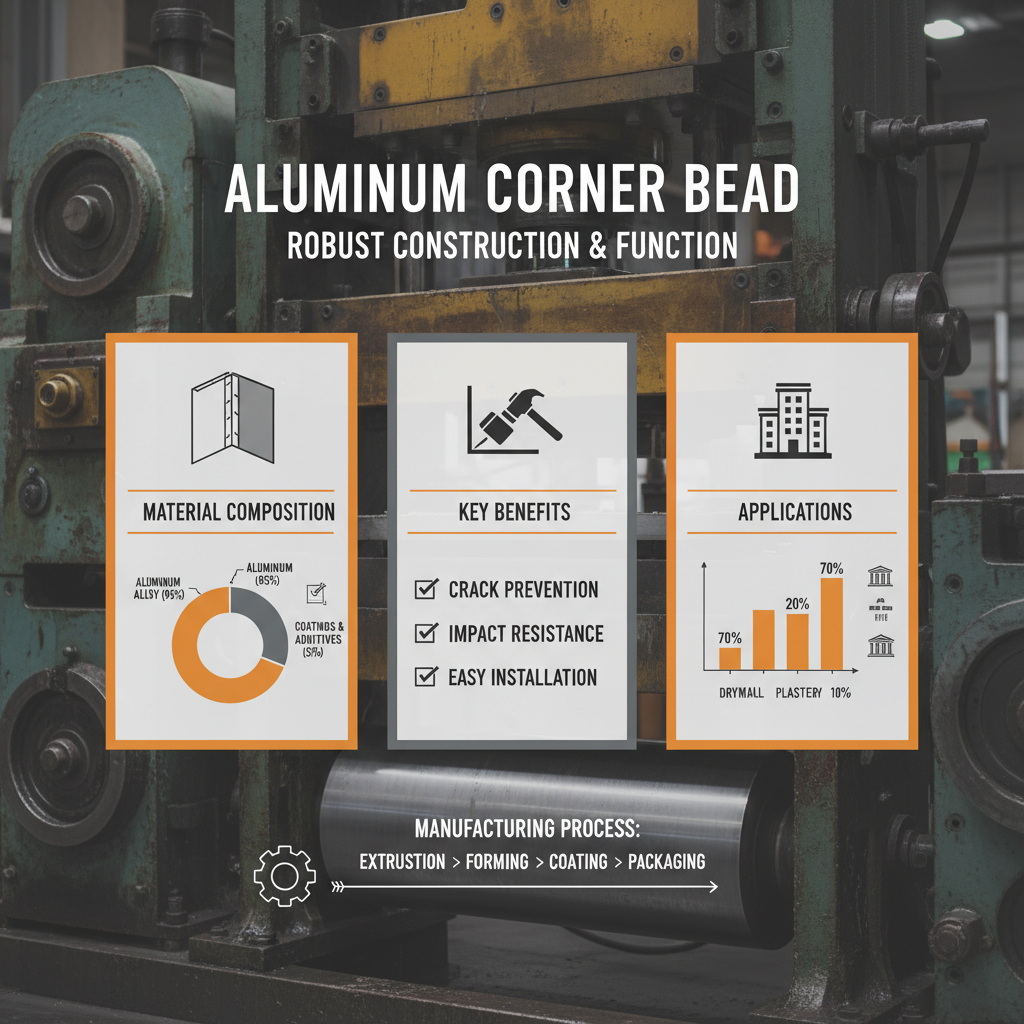
Choosing the Right Corner Bead Aluminium with WRK Formwork
Selecting the right corner bead depends on your specific project needs. Consider the substrate type, the environment (interior or exterior), and the desired finish. WRK Formwork offers a wide selection of high-quality corner bead aluminium products, alongside expert advice to help you choose the optimal solution. We prioritize durability, performance, and customer satisfaction.
Conclusion: Ensuring Quality Corners with Aluminium Bead
Investing in high-quality corner bead aluminium is a smart decision for any construction project. It provides superior protection, durability, and a professional finish. With WRK Formwork, you can trust that you're receiving products built to last and backed by exceptional customer service. Don't compromise on the quality of your corners – choose WRK Formwork.
Frequently Asked Questions (FAQs)
What is the best way to cut aluminium corner bead?
Aluminium corner bead can be cut using a variety of tools, including snips, a hacksaw with a fine-toothed blade, or an angle grinder with a cutting disc specifically designed for metal. Always wear appropriate safety glasses and gloves when cutting metal. Ensure the cut is clean and straight to avoid any sharp edges. Deburring the cut edges with a file can prevent injury and ensure a smooth finish.
Can aluminium corner bead be used outdoors?
Yes, aluminium corner bead is highly suitable for outdoor applications due to its excellent corrosion resistance. Unlike steel, it won’t rust, even when exposed to moisture and the elements. This makes it ideal for protecting external corners on buildings, window and door reveals, and other outdoor structures. Choose a bead specifically designed for exterior use for maximum durability.
What adhesive is best for fixing corner bead?
The best adhesive depends on the substrate you're applying the corner bead to. For most surfaces, a construction adhesive specifically formulated for bonding metal to masonry or plasterboard is recommended. Ensure the adhesive is compatible with both the aluminium and the substrate. Always follow the manufacturer's instructions for application and curing time. Mechanical fixings, such as screws or nails, can also be used in conjunction with adhesive for added security.
How do I prevent cracking around corner bead?
Cracking around corner bead can occur due to movement in the substrate or improper plaster application. Ensure the substrate is stable and free of excessive movement before applying the bead. Use a mesh-backed bead for better adhesion on potentially problematic surfaces. Apply the plaster in even layers and avoid applying excessive pressure. Properly curing the plaster is also crucial to prevent cracking.
Latest News
-
High Quality Drywall Corner Metal Strip for Perfect Wall EdgesNewsApr.16,2026
-
Corner Metal for Drywall Guide for Perfect Professional EdgesNewsApr.09,2026
-
Comprehensive Guide to Corner Metal Drywall Installation and Material ChoicesNewsApr.07,2026
-
Comprehensive Guide to Corner Metal Bead for Durable Construction ProjectsNewsApr.04,2026
-
Comprehensive Guide to Corner Drywall Metal Installation and SelectionNewsMar.31,2026
-
Understanding Corner Bit Metal Applications and Sourcing for Robust StructuresNewsMar.28,2026