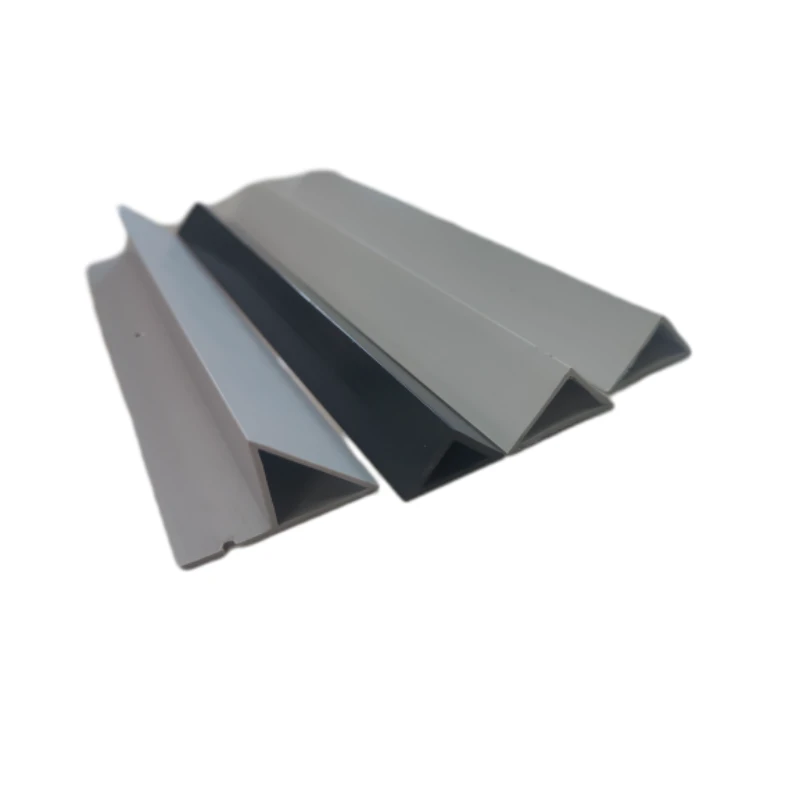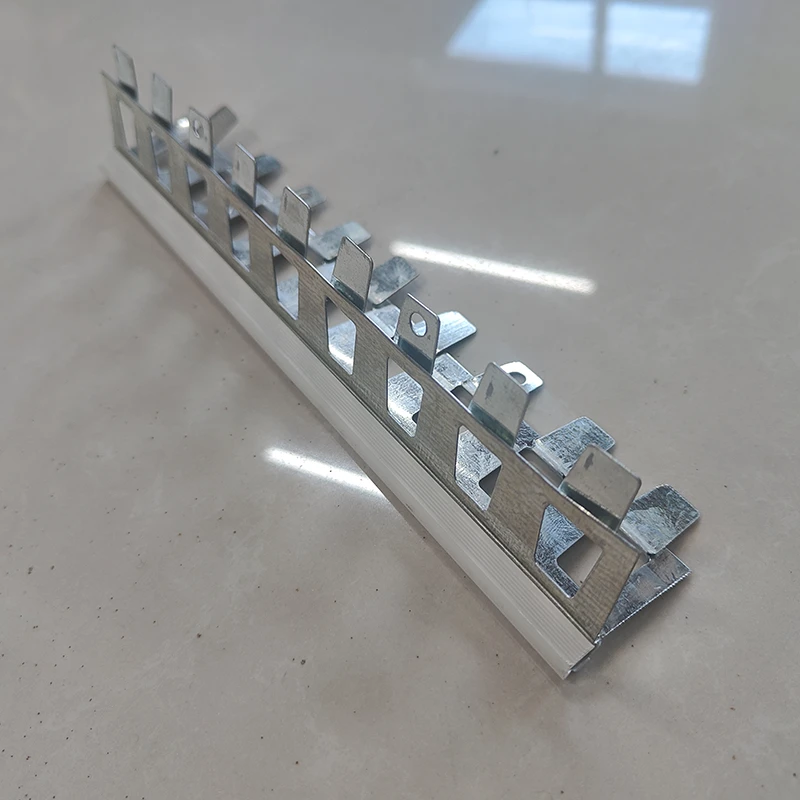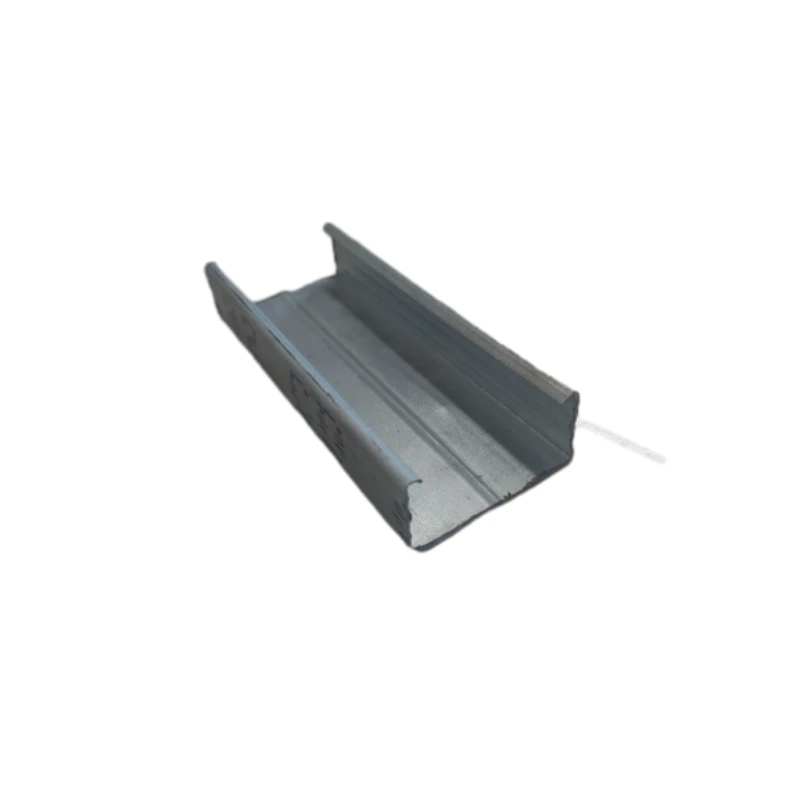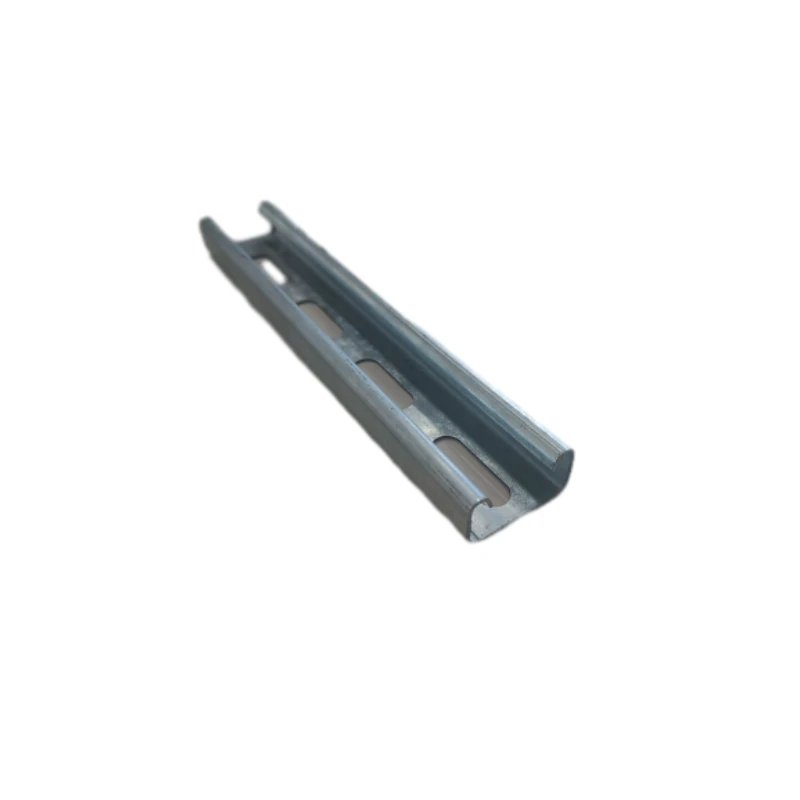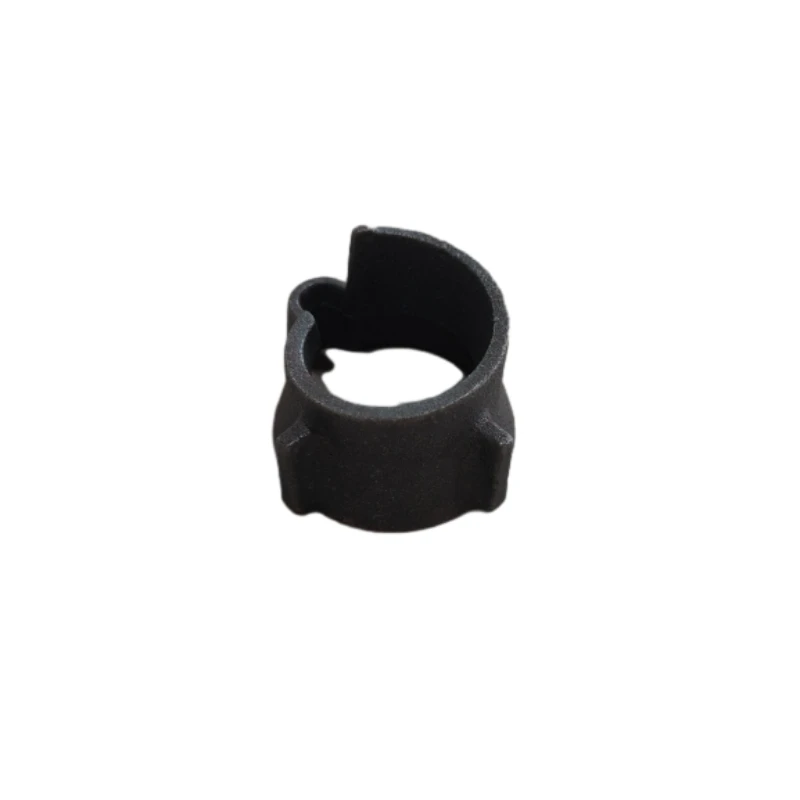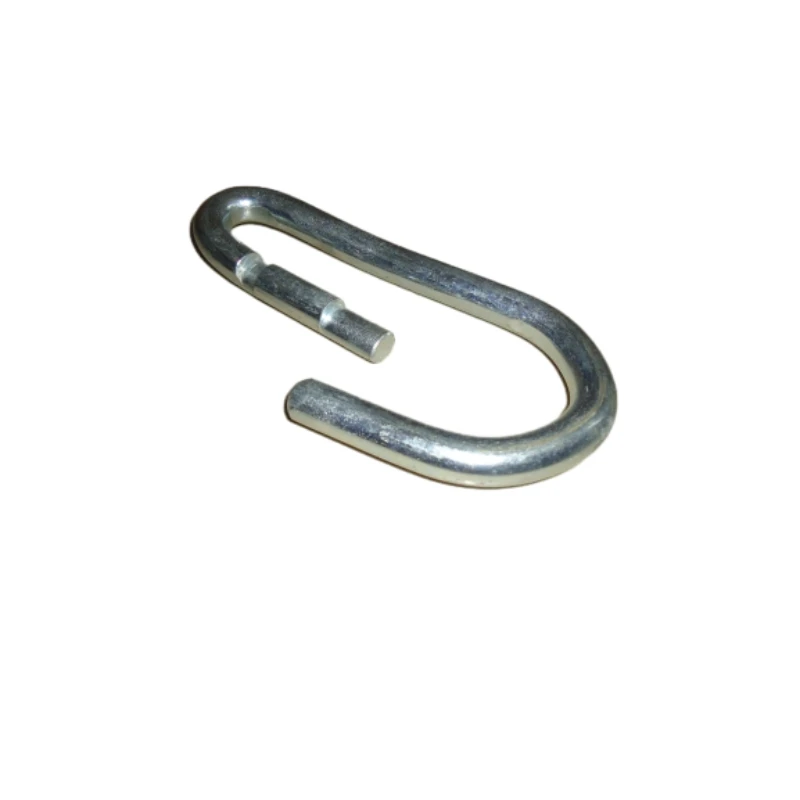
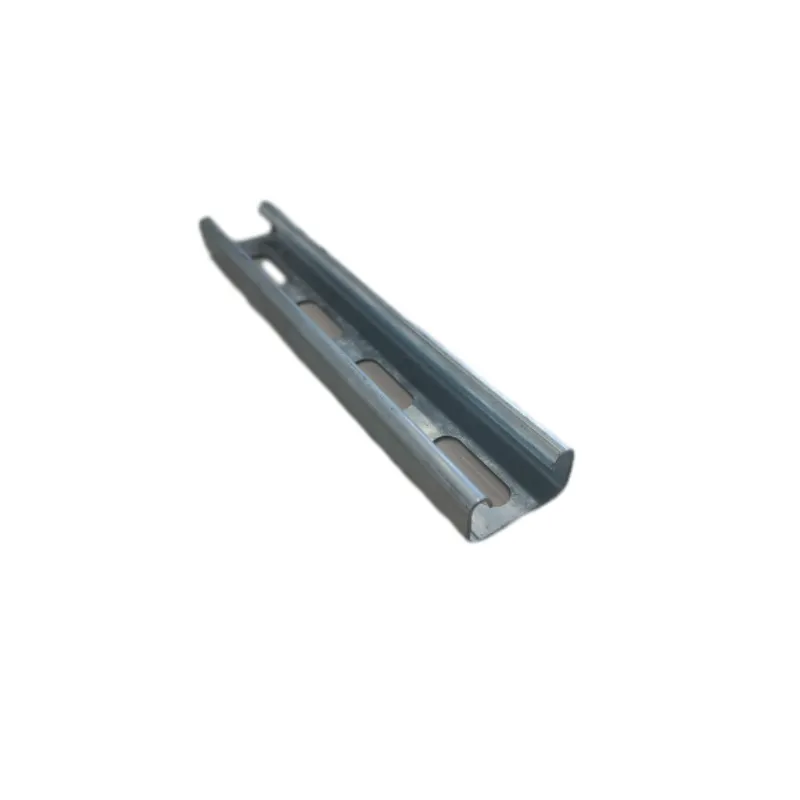
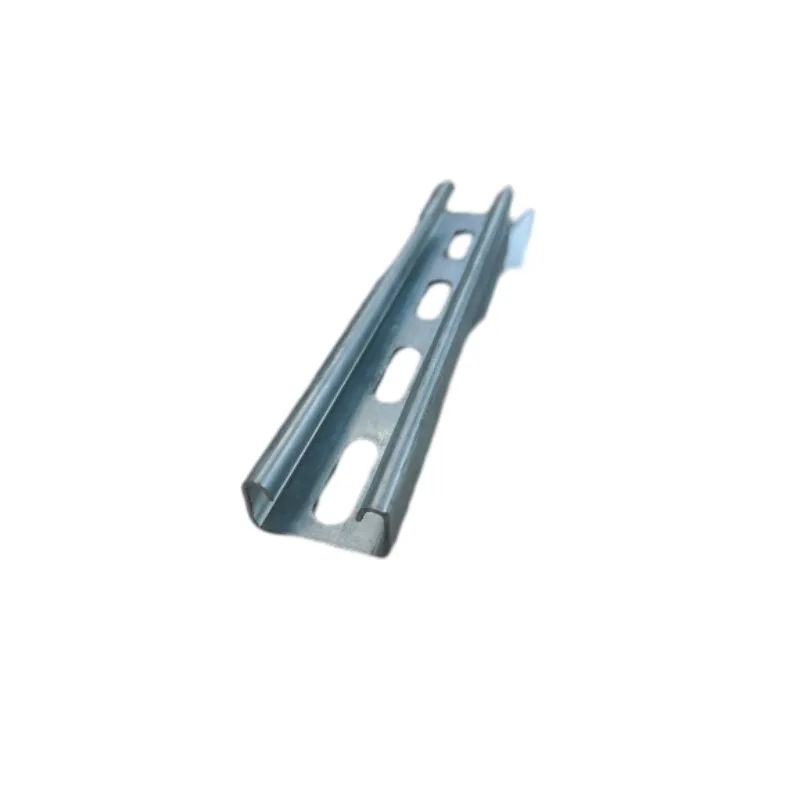
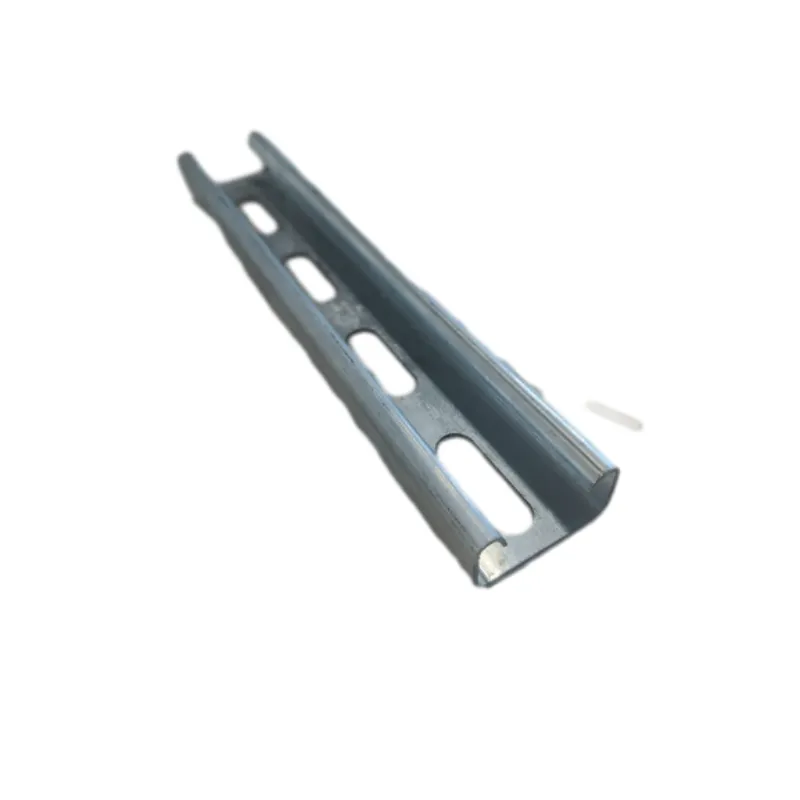
A U-channel is a metal profile with a U-shaped cross-section,consisting of two parallel flanges and a connecting web.The dimensions and thickness can vary,allowing for customization based on specific project requirements.Common materials used for U-channels include carbon steel,aluminum,and Stainless steel chosen for their durability and strength.
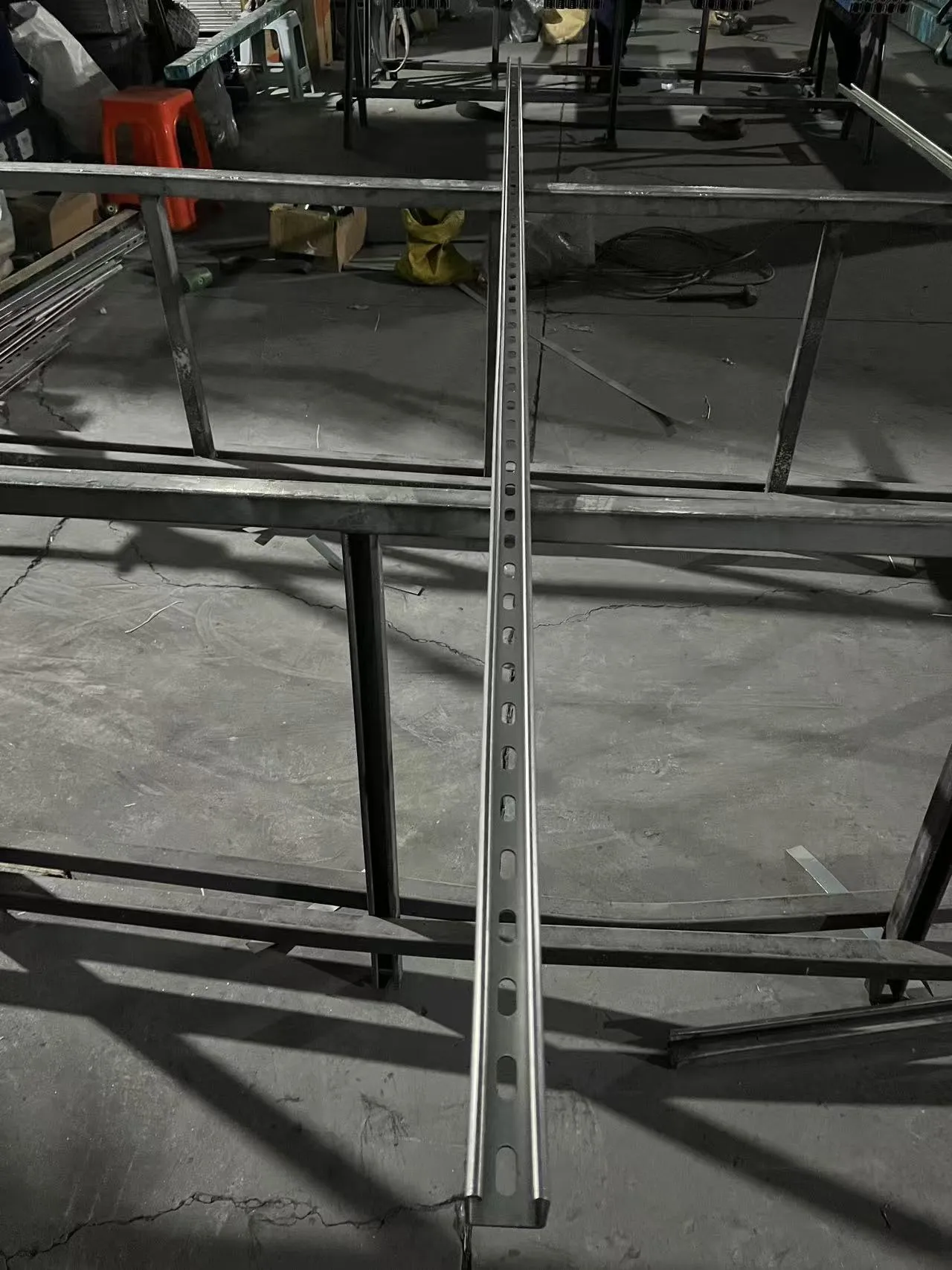
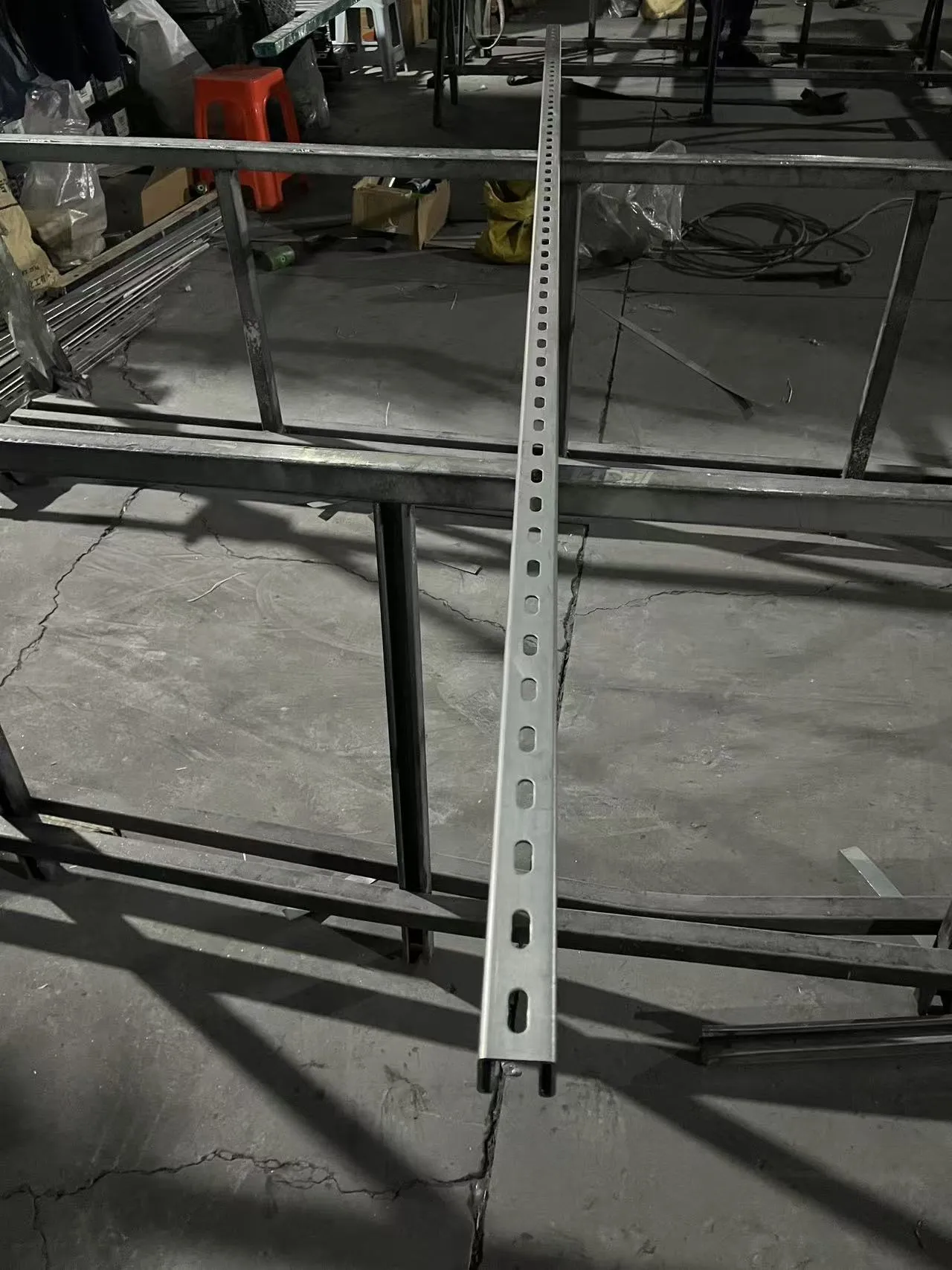
Despite being lightweight,U-channels offer significant structural strength.
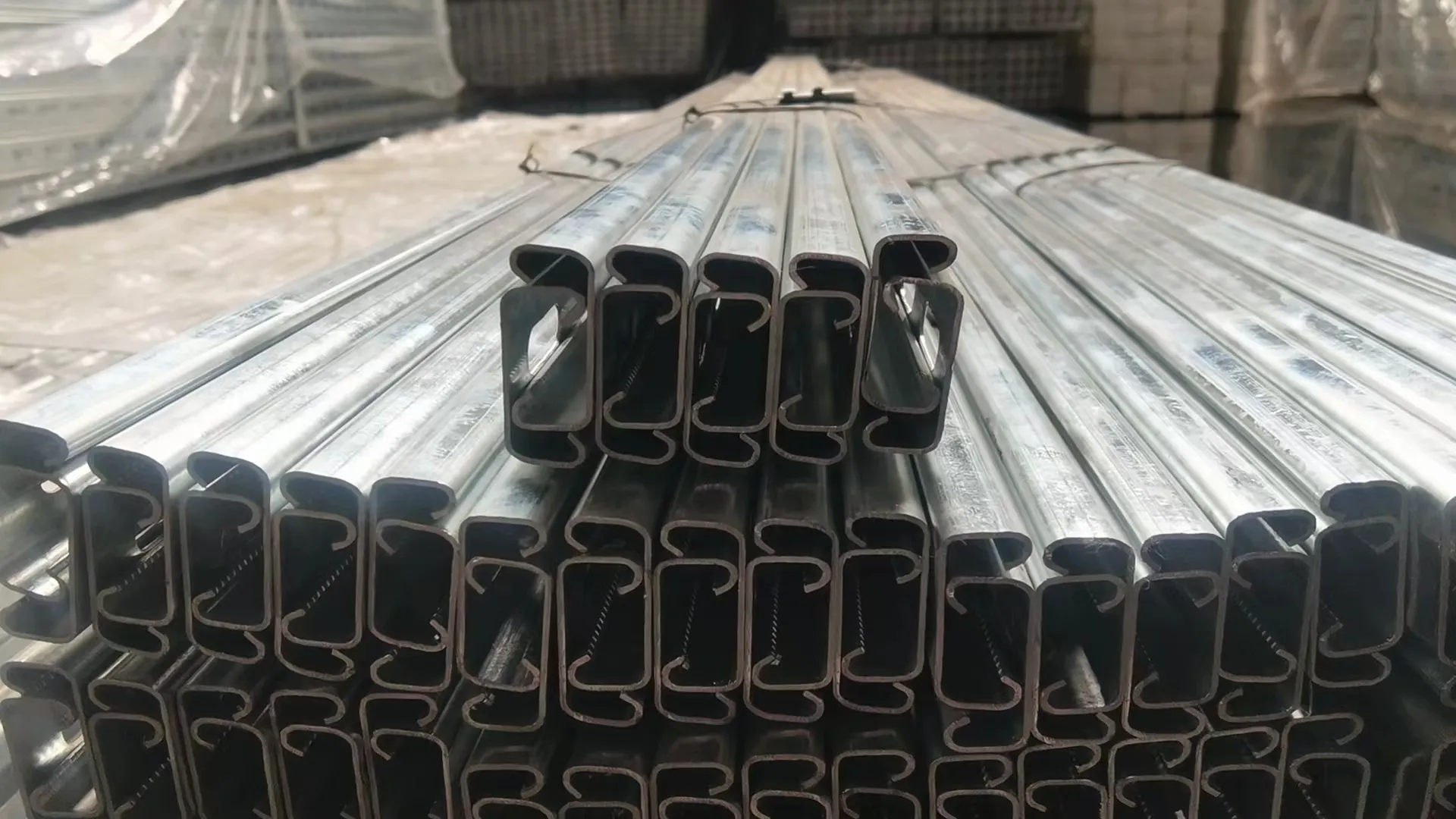
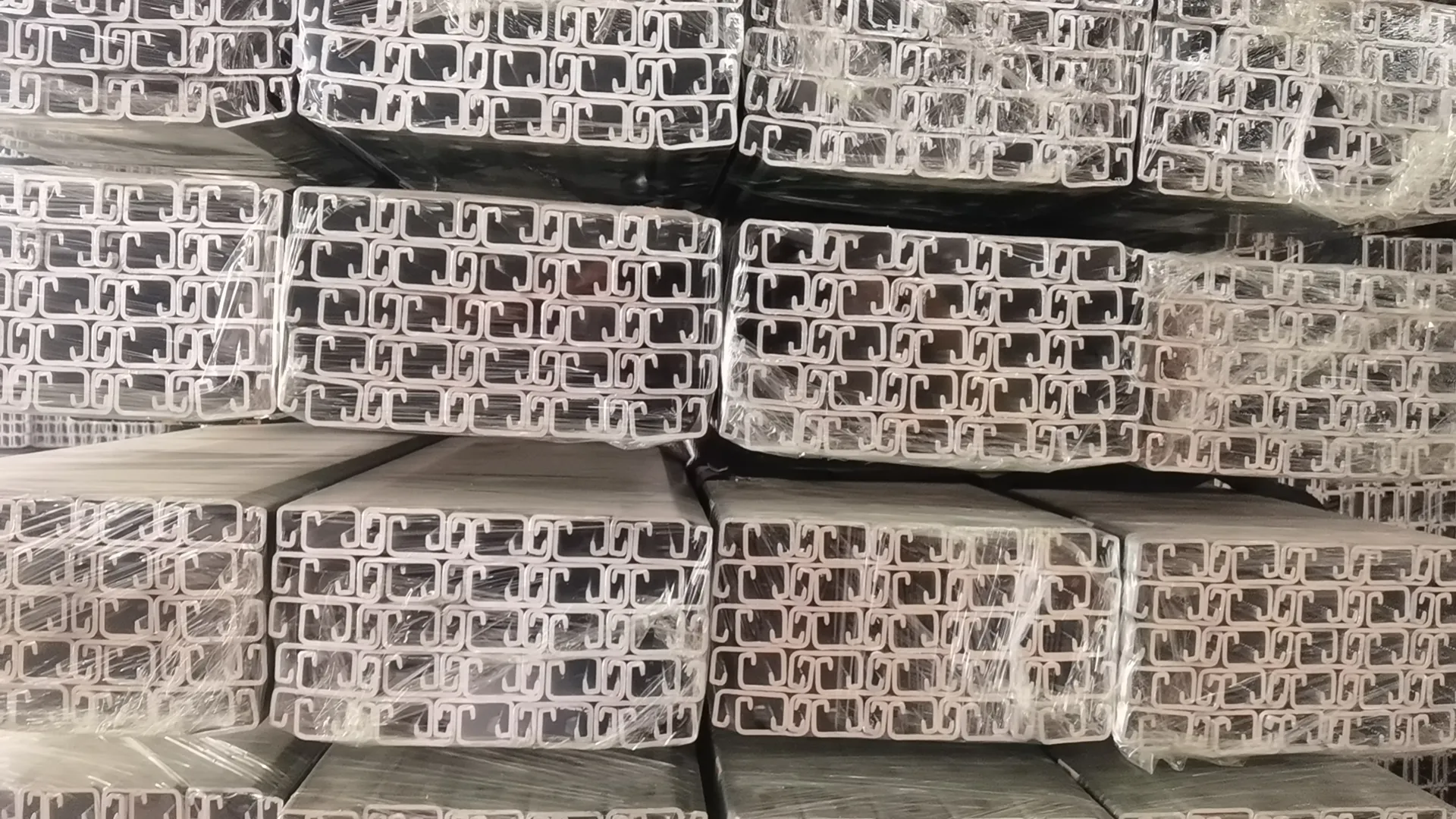
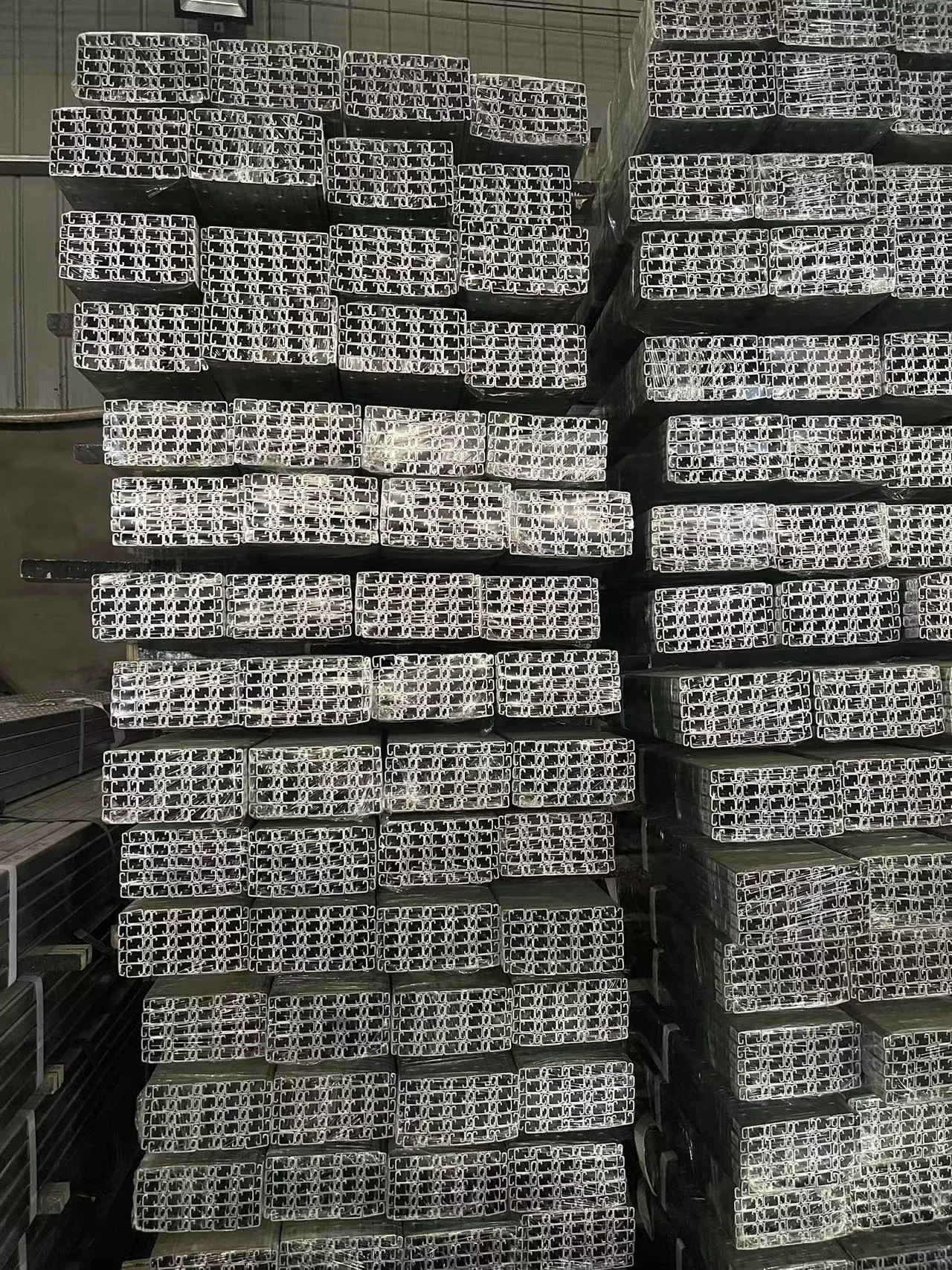
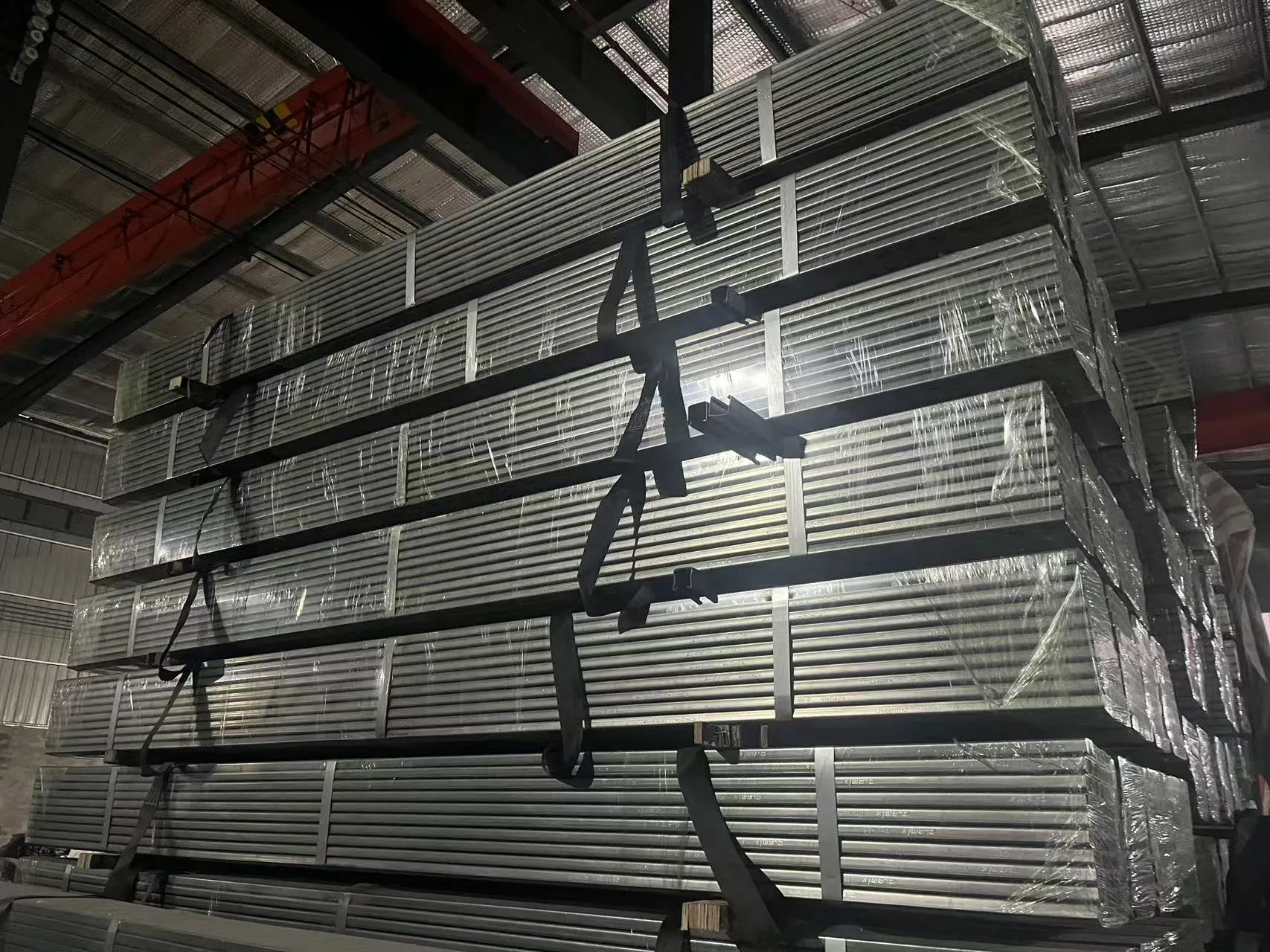
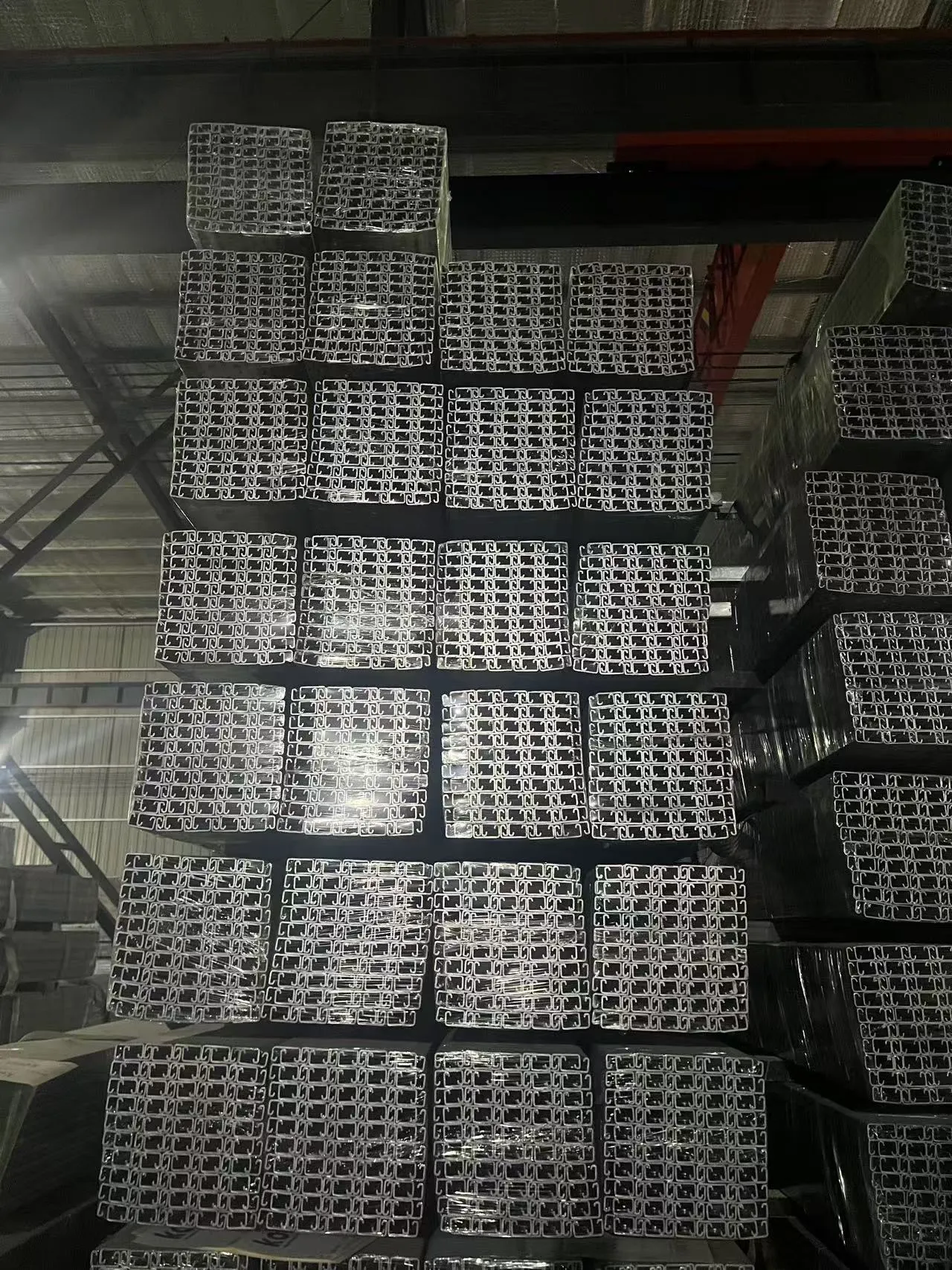
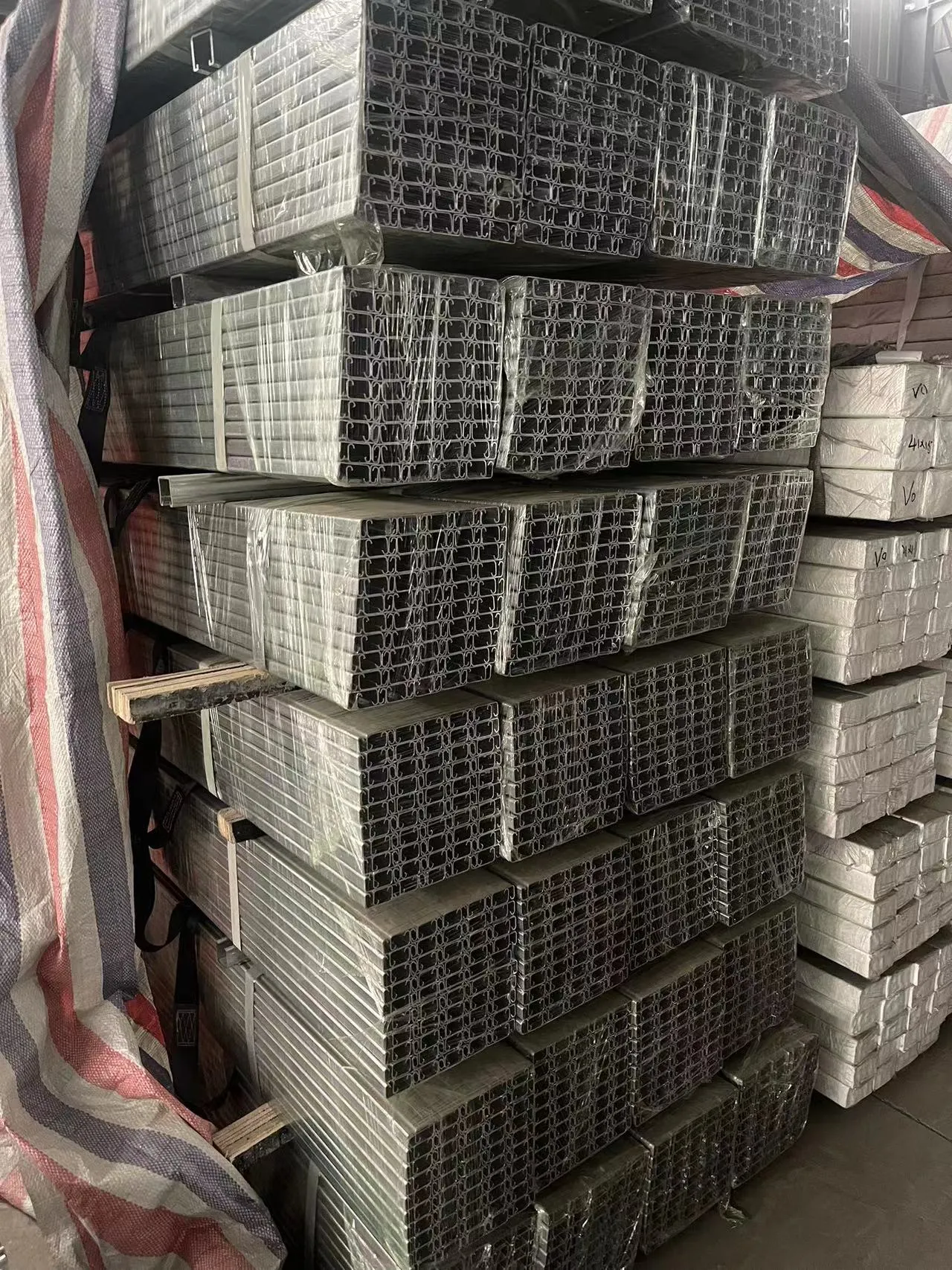
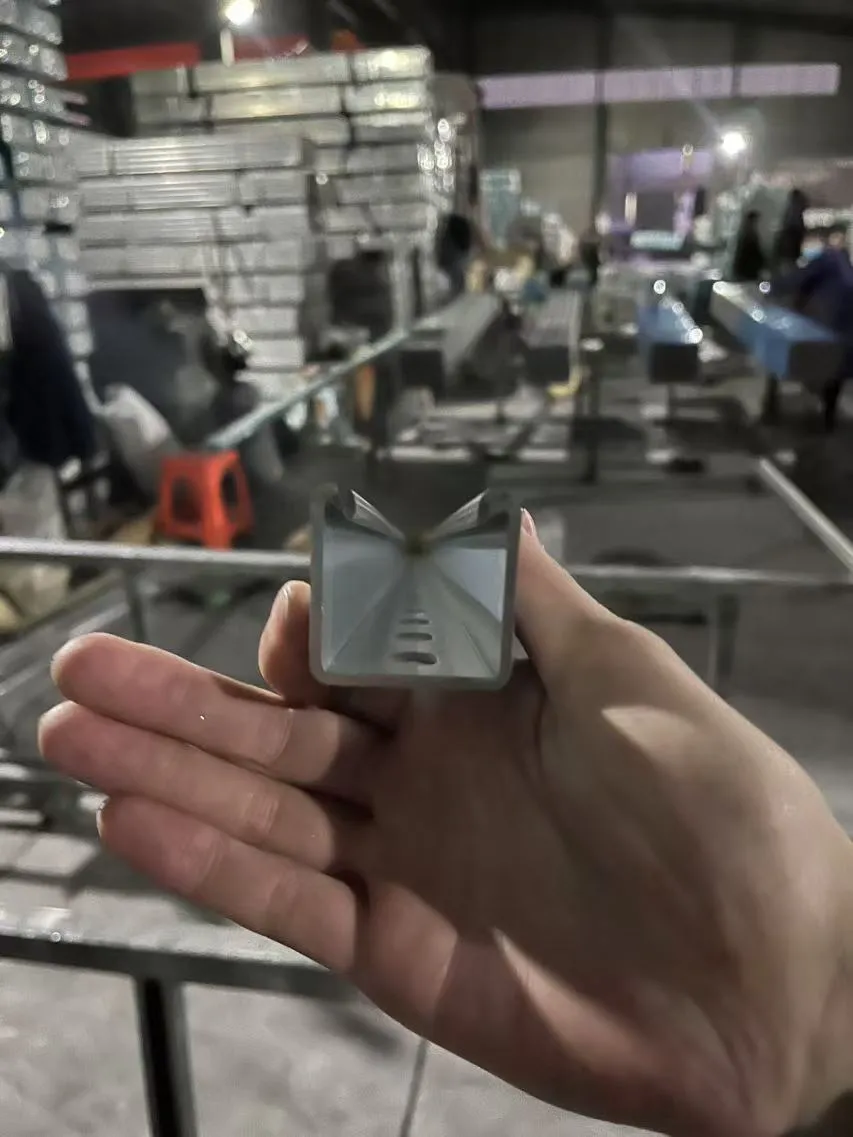
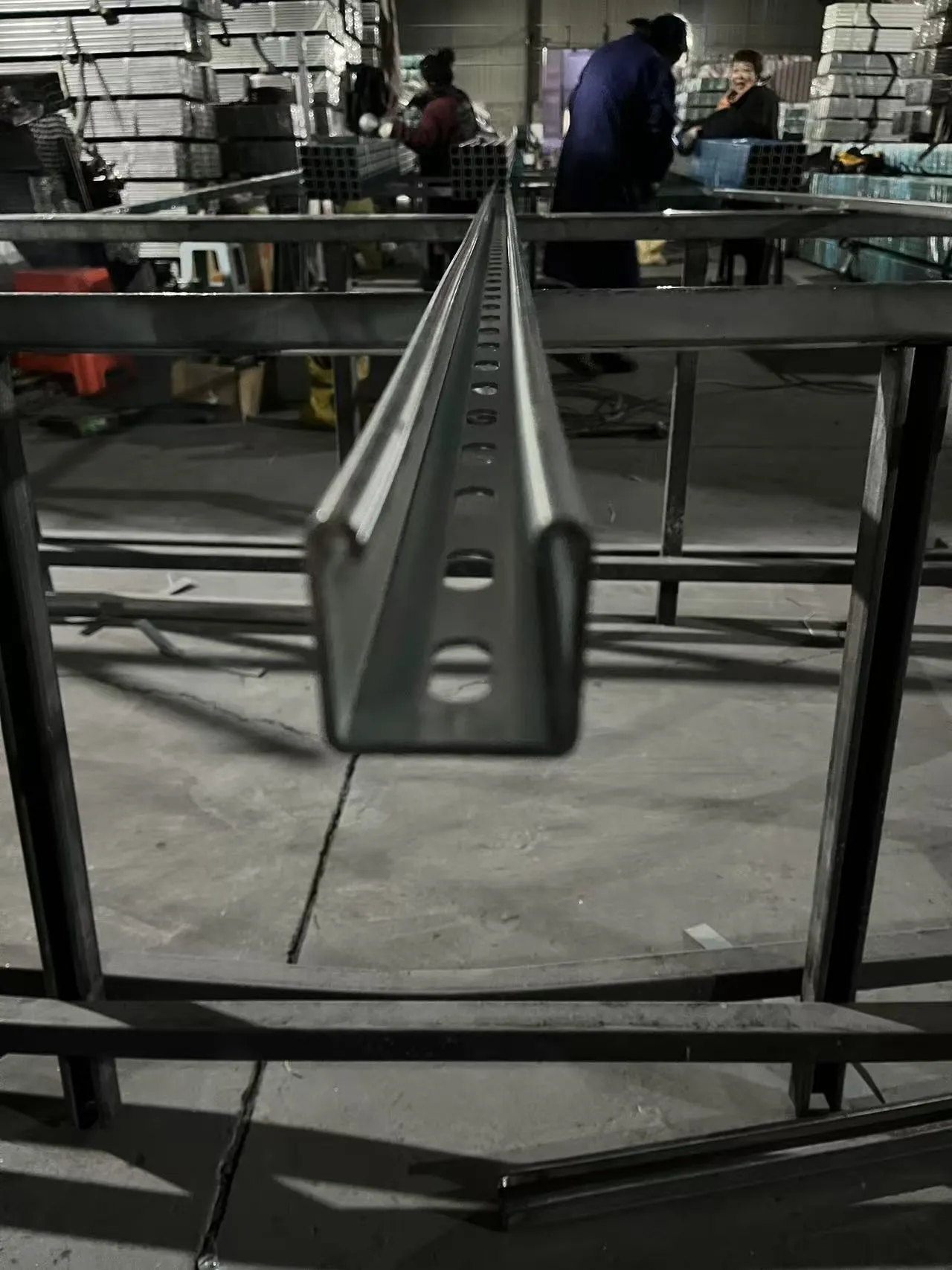
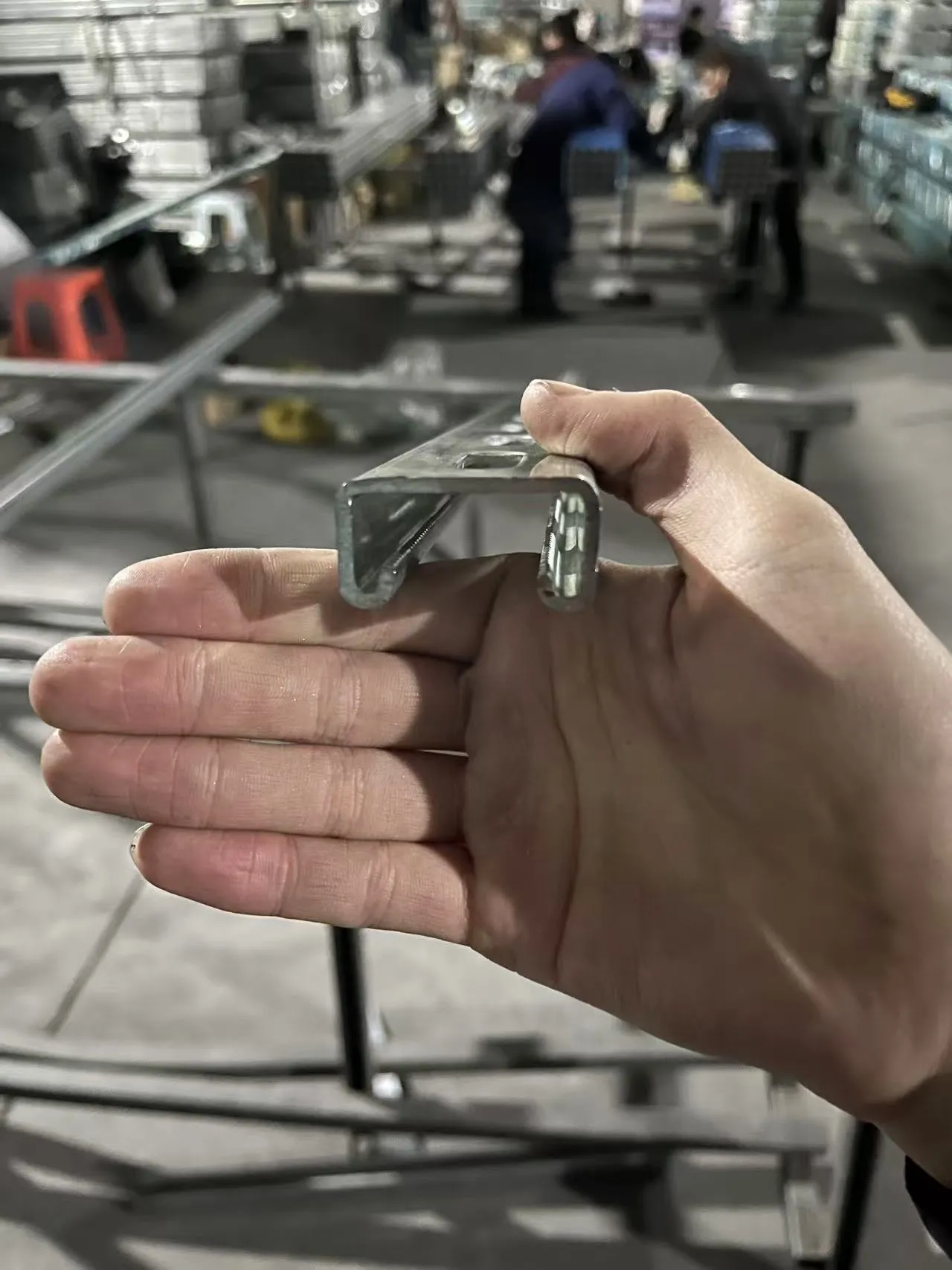
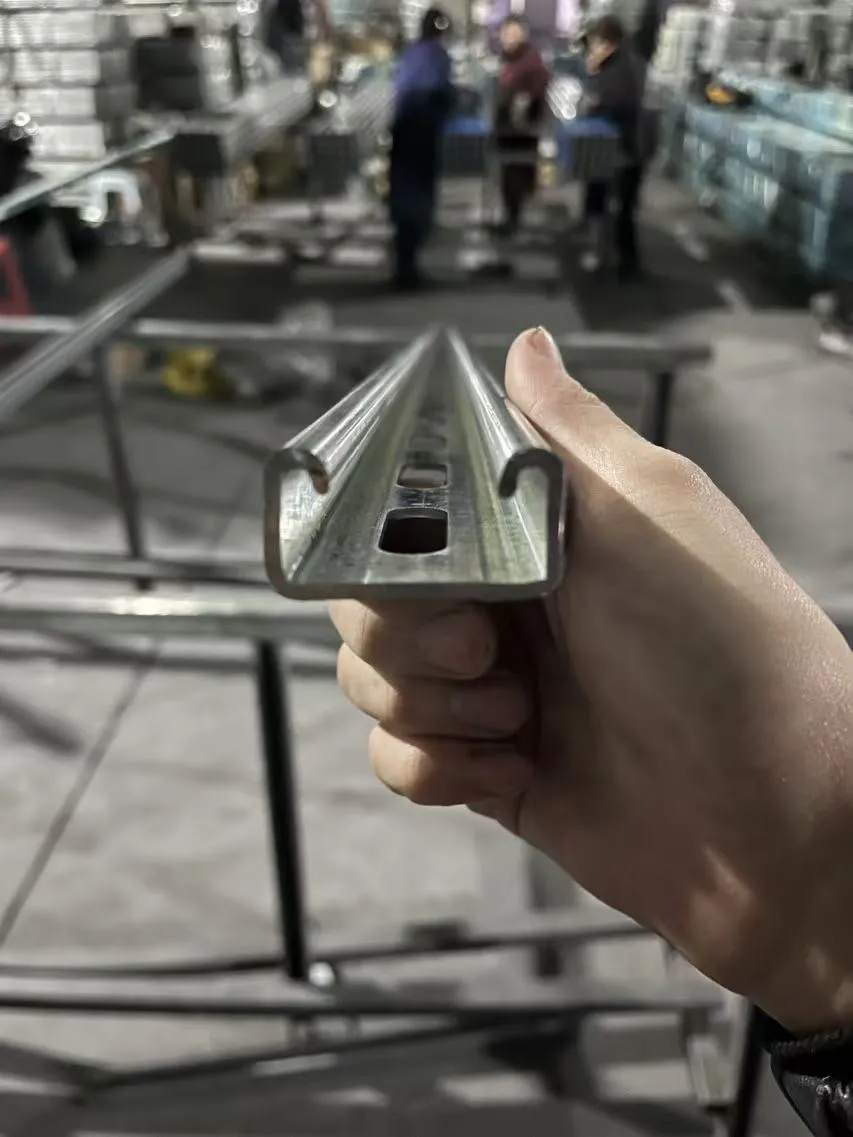
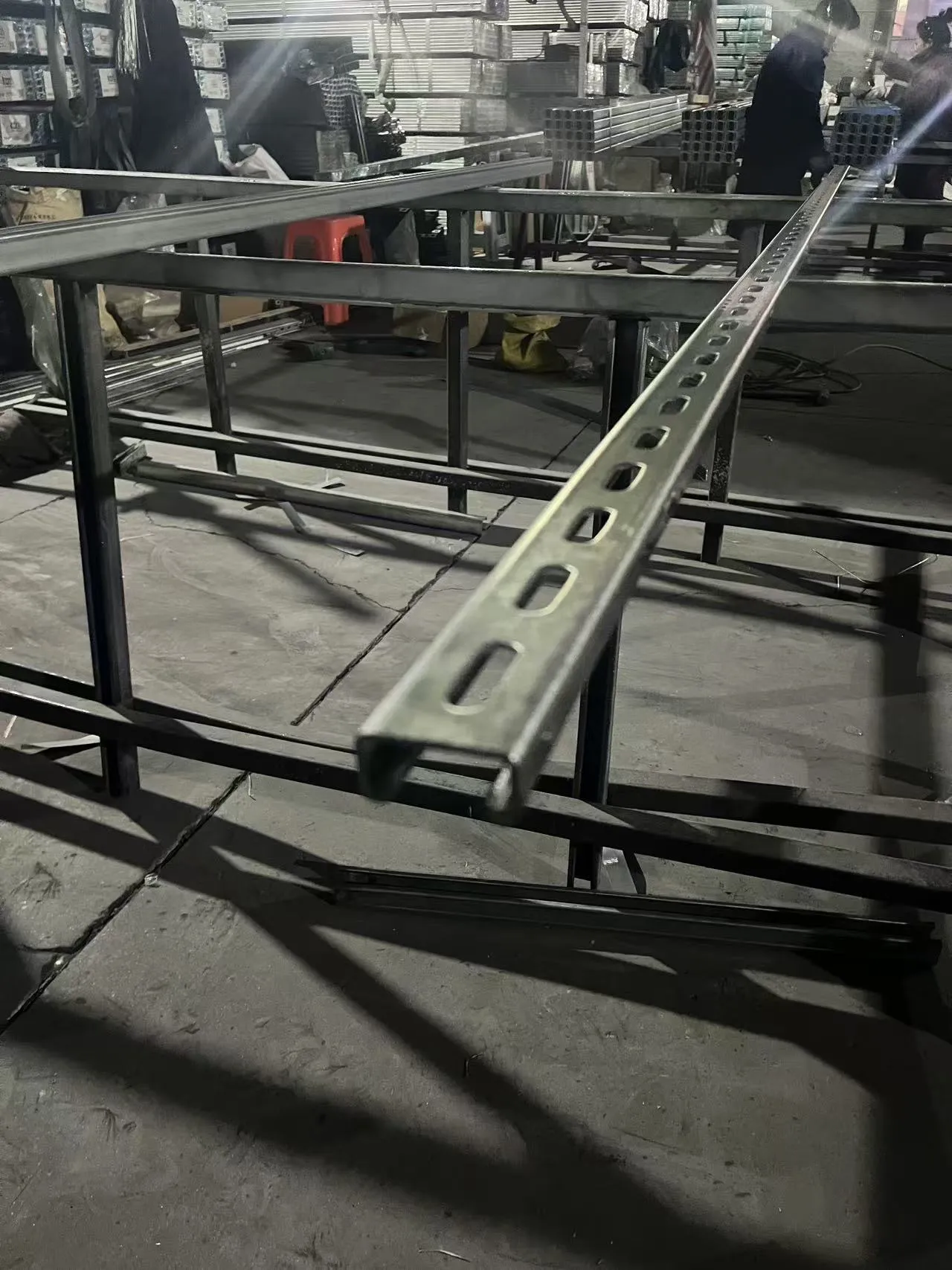
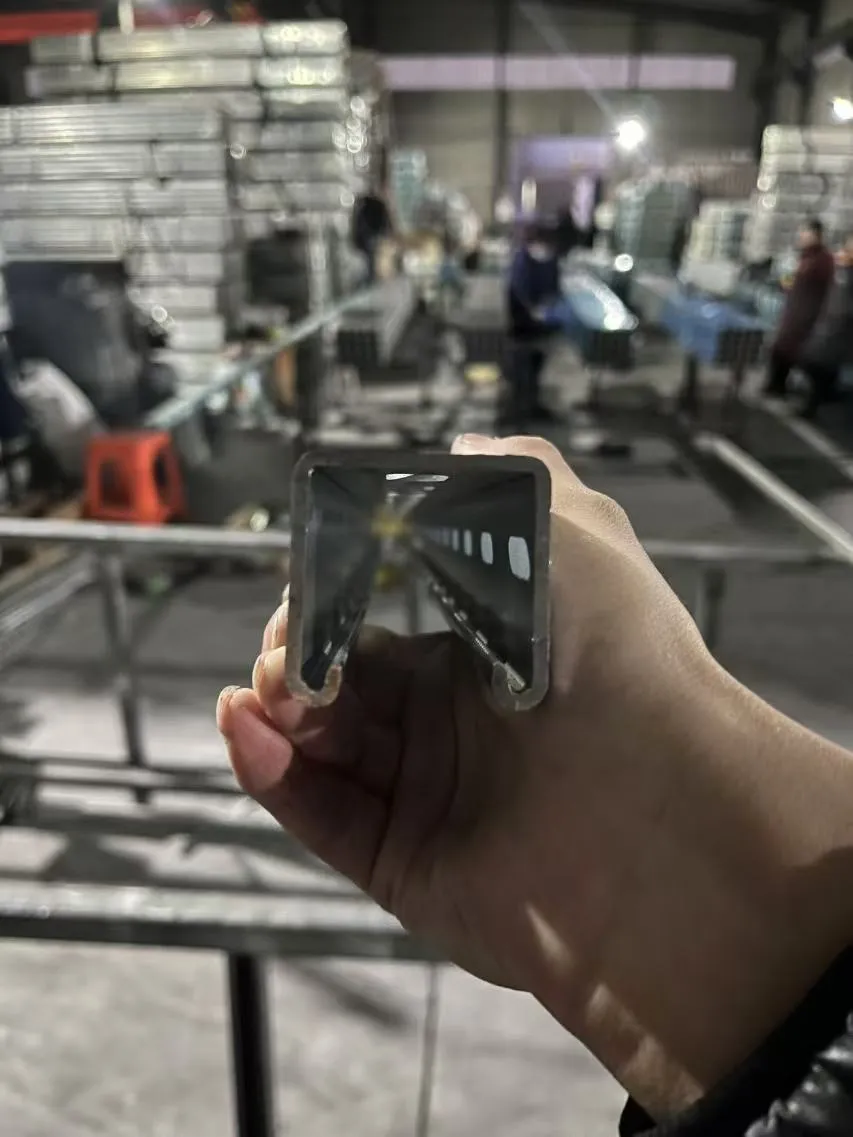
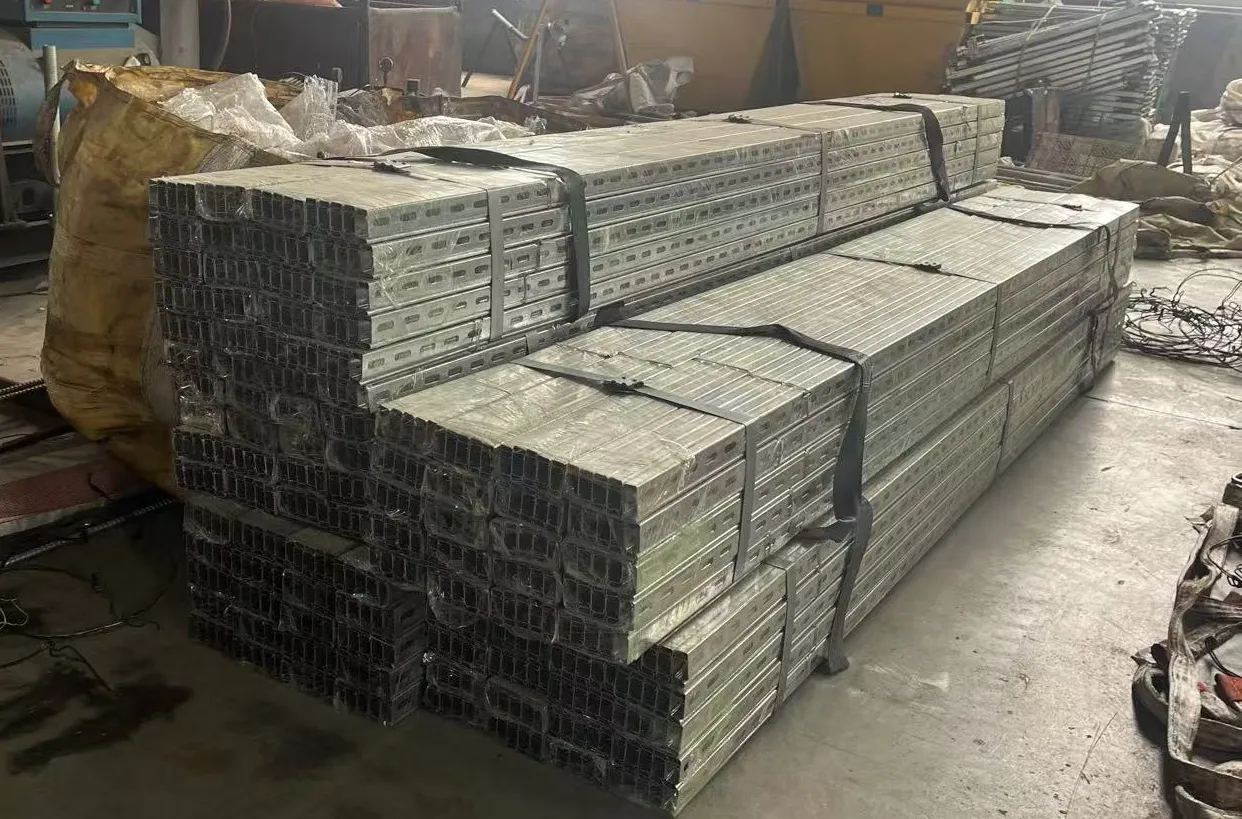
U-channels are an essential component in a wide range of industries due to their versatility,strength,and ease of fabrication.Their U-shaped design provides excellent structural support while remaining lightweight and cost-effective.
Unistrut Channel vs Traditional Support Systems: Which is Better?
When evaluating Unistrut channels against traditional support systems such as welded frames or angle iron, the differences are significant in terms of efficiency, flexibility, and overall project cost. At Cangzhou World Cup Trading Co., Ltd, we have seen contractors across multiple industries switch to Unistrut because it offers more advantages for modern construction and engineering needs.
Traditional support systems usually involve cutting, drilling, and welding, which not only takes more time but also requires skilled labor and heavy equipment. This process increases both labor costs and project timelines. Furthermore, welded structures are permanent; once they are in place, they cannot easily be modified without cutting and re-welding, which adds even more expense.
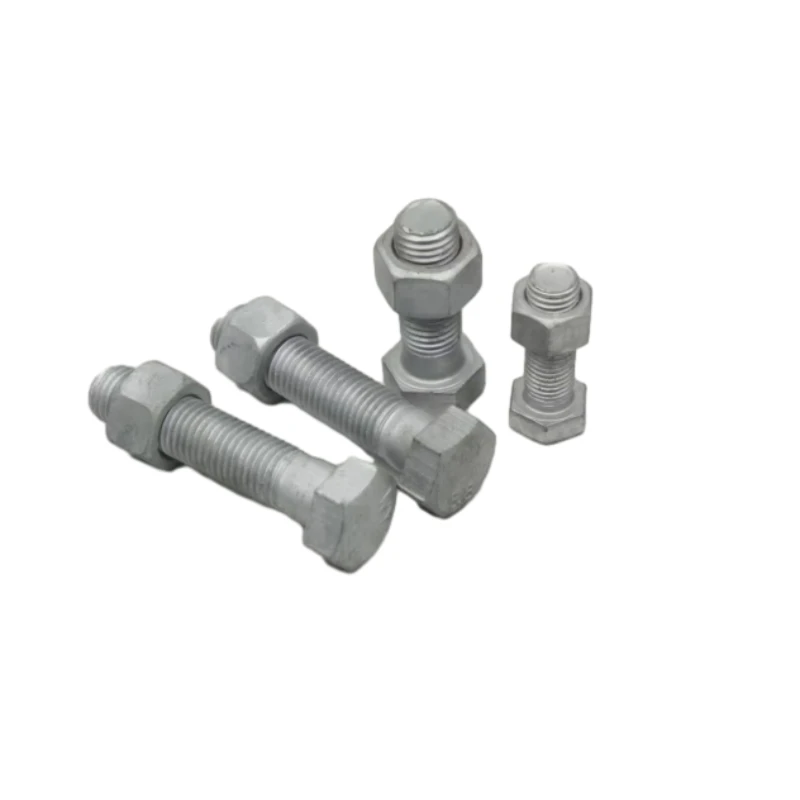
In contrast, Unistrut channels use a modular, slotted design that allows quick assembly with standard bolts, nuts, and brackets. This means structures can be built, adjusted, or even completely reconfigured without specialized tools. For projects that require future expansions, relocations, or frequent modifications, this reusability saves enormous amounts of time and money.
Another important difference is durability and corrosion resistance. Our Unistrut channels are available in pre-galvanized, hot-dip galvanized, stainless steel, or PVC-coated options, making them suitable for everything from indoor electrical installations to outdoor industrial environments exposed to moisture and chemicals. Traditional systems often require additional coatings to achieve similar resistance, adding extra steps to the process.
From a safety standpoint, Unistrut channels provide predictable load-bearing capacities and standardized dimensions, which ensure consistency and reliability across projects. The availability of a wide range of compatible accessories also means safer integration with HVAC systems, piping, cable trays, and other building elements.
In summary, while traditional welded systems remain useful for extremely heavy, permanent structures, Unistrut channels are clearly better for most modern applications. They offer superior versatility, reusability, reduced labor costs, faster installation, and long-term durability. For contractors looking to improve efficiency and reduce total project costs, Unistrut channels are the smarter choice.
Maintenance Tips for Long-Lasting Performance of Unistrut Channels
Although Unistrut channels are designed for strength and durability, proper maintenance can further extend their service life and keep them functioning at peak performance. At Cangzhou World Cup Trading Co., Ltd, we provide not only high-quality Unistrut systems but also guidance on how to maintain them effectively.
The first step in ensuring long-term performance is routine inspection. Regularly check channels and fittings for corrosion, cracks, or bending, especially in areas exposed to high humidity, salt air, or chemicals. Small problems identified early can prevent larger structural failures later on.
Second, always monitor connections and fittings. Vibrations from HVAC systems, machinery, or heavy loads may loosen nuts and bolts over time. Regularly retighten them to maintain structural stability. For extra security, contractors often use spring nuts, lock washers, or anti-vibration fasteners to prevent loosening.
Another key aspect of maintenance is cleaning. Dust, grease, and debris can accumulate inside the slotted channels, making adjustments more difficult and increasing the risk of corrosion. A simple cleaning routine using a dry cloth or mild detergent helps keep the channels free of contaminants. In outdoor environments, rinsing channels with water helps remove salt or chemical residues.
For projects in harsh environments, consider applying protective coatings. Although galvanized and stainless-steel Unistrut channels already resist corrosion, additional coatings like epoxy paint or powder coatings can provide extra layers of protection, especially in marine or industrial applications.
Lastly, always respect load capacity guidelines. Overloading can cause bending, deformation, or failure, putting safety at risk. Ensure that the chosen Unistrut system matches the weight and load requirements of your application.
By following these tips—inspection, tightening, cleaning, protective coating, and load management—contractors can significantly extend the life of Unistrut channels. With proper care, these support systems will remain strong, reliable, and cost-effective for many years, ensuring maximum return on investment.
How to Choose the Right Unistrut Channel for Your Project
Selecting the right Unistrut channel is critical to ensuring the success, safety, and cost efficiency of your project. At Cangzhou World Cup Trading Co., Ltd, we help clients match their project requirements with the best channel type and material.
The first consideration is material selection. For standard indoor applications such as electrical conduit or light mechanical supports, pre-galvanized steel Unistrut is cost-effective and durable. However, in outdoor or corrosive environments such as marine docks or chemical plants, hot-dip galvanized or stainless-steel Unistrut channels provide better resistance to rust and corrosion. If electrical insulation is needed, PVC-coated channels are the ideal solution.
Next, evaluate the channel size and load capacity. Unistrut channels come in various profiles and thicknesses, from light-duty to heavy-duty. For supporting small cable trays or light piping, smaller profiles are sufficient. But for HVAC ducts, heavy mechanical equipment, or industrial machinery, thicker and deeper channels are necessary to handle the additional weight safely.
Another important factor is application type. Wall-mounted racks, overhead suspensions, and floor-mounted frames may require different channel configurations. For example, overhead installations may need longer spans with stronger brackets, while floor supports must handle vertical loads effectively. Choosing the correct accessories—such as clamps, brackets, and fasteners—is just as important as choosing the channel itself.
Contractors should also consider ease of installation and future adaptability. Unlike welded systems, Unistrut channels allow quick assembly and adjustment without cutting or welding. This makes them ideal for projects that may require modifications, upgrades, or reconfiguration in the future.
Finally, factor in cost and long-term value. Although stainless steel or PVC-coated channels may cost more upfront, they significantly reduce maintenance and replacement costs in harsh environments.
In conclusion, the right Unistrut channel depends on material, load requirements, application type, accessories, and long-term adaptability. At Cangzhou World Cup Trading Co., Ltd, we supply a complete range of Unistrut systems, ensuring that every project—from commercial buildings to industrial plants—has the most reliable and cost-effective support solution.
building materils
cheap strut channel
deep channel strut
deep channel unistrut
roofing materils