May . 08, 2026 13:45 Back To List
The Ultimate Guide to Formwork Tie Rod Systems in High-Rise Construction
The architectural landscape of the modern era is defined by towering skyscrapers that push the boundaries of engineering and material science. At the heart of these massive vertical undertakings lies a critical, yet often overlooked, structural component: the formwork tie rod system. In high-rise construction, where the pressure of wet concrete increases significantly with the height and speed of the pour, the integrity of the formwork is paramount. A failure in the containment system can lead to catastrophic structural issues, safety hazards, and significant project delays.
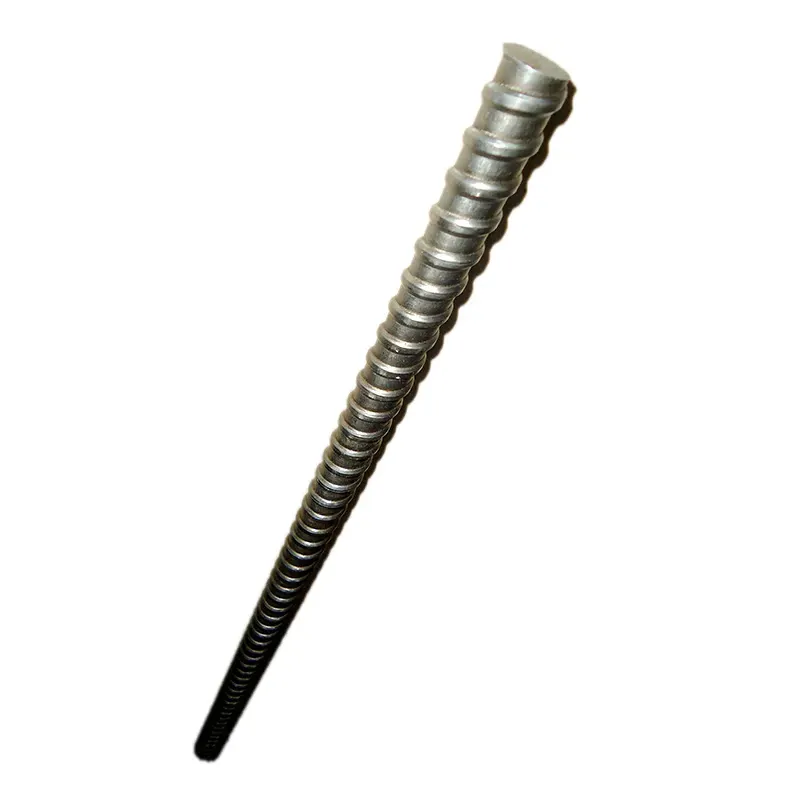
Understanding the Mechanics of the Formwork Tie Rod System
The primary function of a formwork tie rod system is to act as a tension member that connects opposing faces of wall forms. When liquid concrete is poured into the cavity between two formwork panels, it exerts a tremendous amount of lateral pressure. Without a robust internal connection, the panels would bow outward or burst entirely under the weight of the hydrostatic load.
In high-rise scenarios, where specialized climbing formwork or aluminum systems are frequently utilized, the tie rod system must be engineered to withstand repetitive use and extreme forces. Unlike low-rise residential projects where simple wire ties might suffice, high-rise engineering demands high-tensile steel components that offer predictable performance. The system typically consists of a central rod, securing nuts, and various sleeves or cones that facilitate the removal of the hardware once the concrete has reached its initial set.
The Versatility of Tie Rod Construction Formwork in Vertical Engineering
In the context of tie rod construction formwork, the adaptability of the hardware is what allows architects to realize complex geometries. High-rise buildings often feature tapering profiles, curved shear walls, or varying floor thicknesses. The tie rods must be versatile enough to accommodate these shifts without requiring a complete overhaul of the formwork inventory.
Modern construction sites rely on the modularity of these systems. By utilizing standardized diameters and thread pitches, contractors can ensure that their hardware is compatible across different sections of the building core. This consistency is vital for maintaining the rigorous cycle times required in high-rise builds, where a single floor might need to be completed every few days. The efficiency of the tie rod assembly directly impacts the speed at which the entire vertical structure ascends.
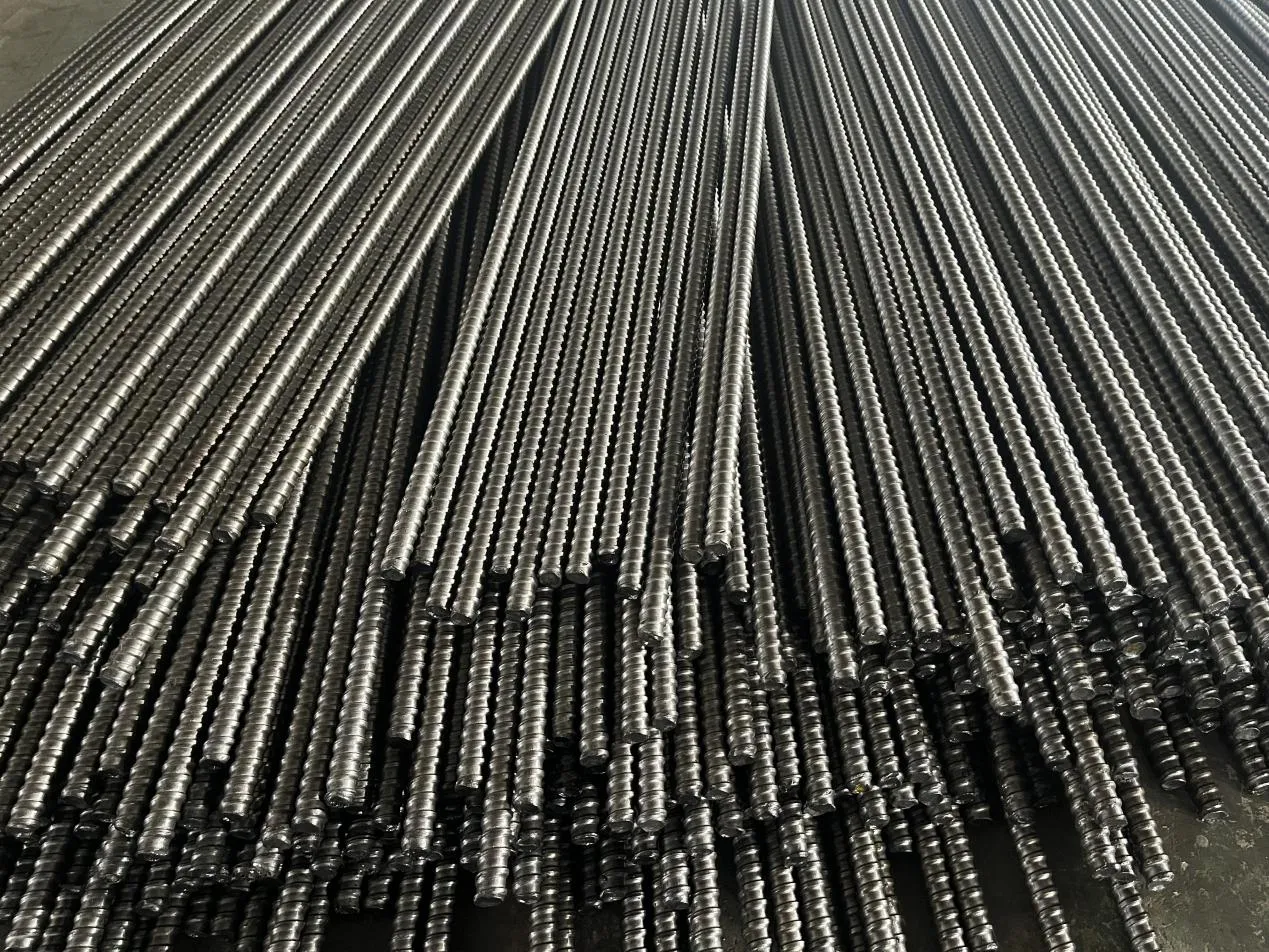
Structural Integrity and the Formwork Threaded Tie Bar
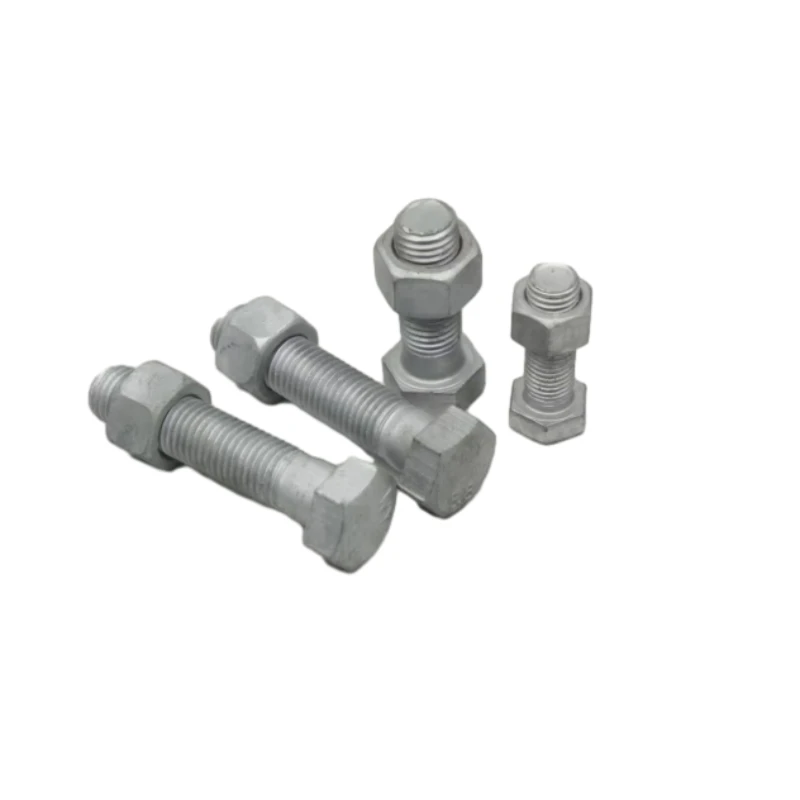
Central to the tension-holding capability of the system is the formwork threaded tie bar. These bars are specifically designed with a continuous thread that allows for maximum grip and micro-adjustments during the leveling process. Unlike standard smooth rods, the threading on these specialized bars is often "self-cleaning," meaning that even if small amounts of concrete or debris get into the threads, the nut can still be driven across the length of the bar with minimal resistance.
The metallurgical composition of the formwork threaded tie bar is a key differentiator in quality. For high-rise applications, these bars are usually cold-rolled or hot-rolled high-strength steel. This ensures that they do not stretch or yield under the peak pressure of a massive concrete pour. The threading also allows for the easy attachment of various accessories, such as water-stop connectors when building underground parking levels or water tanks within the high-rise structure.
Securing the Load with the Anchor Nut for Tie Rod
While the rod provides the tension, it is the anchor nut for tie rod that effectively transfers that load to the external formwork supports, known as walers or soldiers. These nuts are not typical hexagonal nuts found in a hardware store; they are heavy-duty, often cast or forged components with a wide circular base. This wide base acts as a built-in washer, distributing the crushing force over a larger surface area of the formwork panel to prevent the wood or aluminum from collapsing under the pressure.
In the demanding environment of a high-rise construction site, the anchor nut for tie rod must be easy to tighten and loosen by hand or with simple tools. Many designs feature wings or a flanged shape that allows workers to secure them quickly, even while wearing heavy gloves or working at significant heights. Furthermore, the durability of the anchor nut is essential for sustainability. These components are intended to be reused hundreds of times over the life of a project, making their resistance to impact and corrosion a primary concern for site managers.
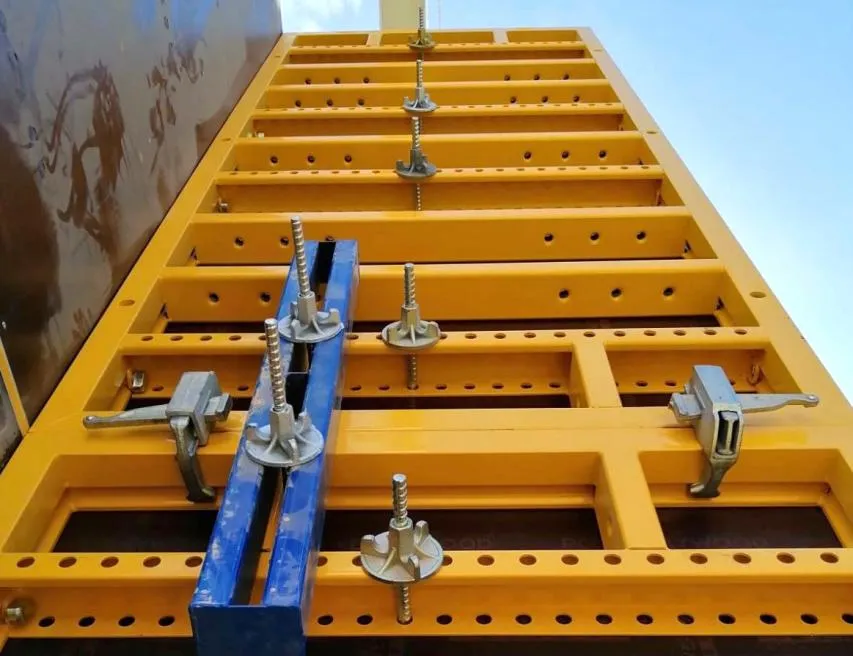
Precision Alignment Provided by the Modern Formwork Tie
Beyond merely holding the forms together, the formwork tie serves as a gauge for the thickness of the wall. By using specialized sleeves or plastic spacers in conjunction with the rod, the system ensures that the two formwork faces remain exactly parallel. In high-rise construction, even a minor deviation of a few millimeters can accumulate over fifty or sixty stories, leading to a building that is out of plumb.
The formwork tie assembly also addresses the aesthetic and functional requirements of the finished concrete surface. Once the concrete has hardened and the tie rod is removed, a small hole remains. Engineers must plan for how these holes are treated, especially in architectural concrete where the finish is exposed. Specialized plastic cones are often placed at the ends of the rods to create a clean, uniform indentation that can be plugged with mortar or architectural caps, ensuring the building’s exterior or interior walls look seamless.
This is the first article
Latest News
-
Integrating Wall Tie Rods for Aluminium Formwork in Modern Building SystemsNewsMay.08,2026
-
How to Install Snap Ties in Concrete Formwork for Residential Plywood FormsNewsMay.08,2026
-
Enhancing Load Capacity With Anchor Nut for Tie Rod and Support ComponentsNewsMay.08,2026
-
Different Types of Concrete Form Ties for Structural IntegrityNewsMay.08,2026
-
Concrete Form Tie - Cangzhou World Cup Trading Co., Ltd. | Durable Construction Solutions&Secure FasteningNewsFeb.27,2026