May . 08, 2026 13:42 Back To List
Integrating Wall Tie Rods for Aluminium Formwork in Modern Building Systems
The global construction industry has undergone a radical transformation with the widespread adoption of rapid building technologies. Among these, aluminium formwork systems have emerged as a dominant force, particularly in the development of high-density residential complexes and large-scale urban infrastructure. The efficiency of these systems, however, relies heavily on the specialized hardware that maintains their structural integrity during the casting process. Specifically, the integration of a dedicated wall tie rod for aluminium formwork is what allows these lightweight panels to withstand the immense pressures of high-speed concrete pouring. As modern building systems prioritize speed, surface quality, and repeatability, the role of high-performance tie assemblies has moved from a secondary consideration to a primary engineering requirement.
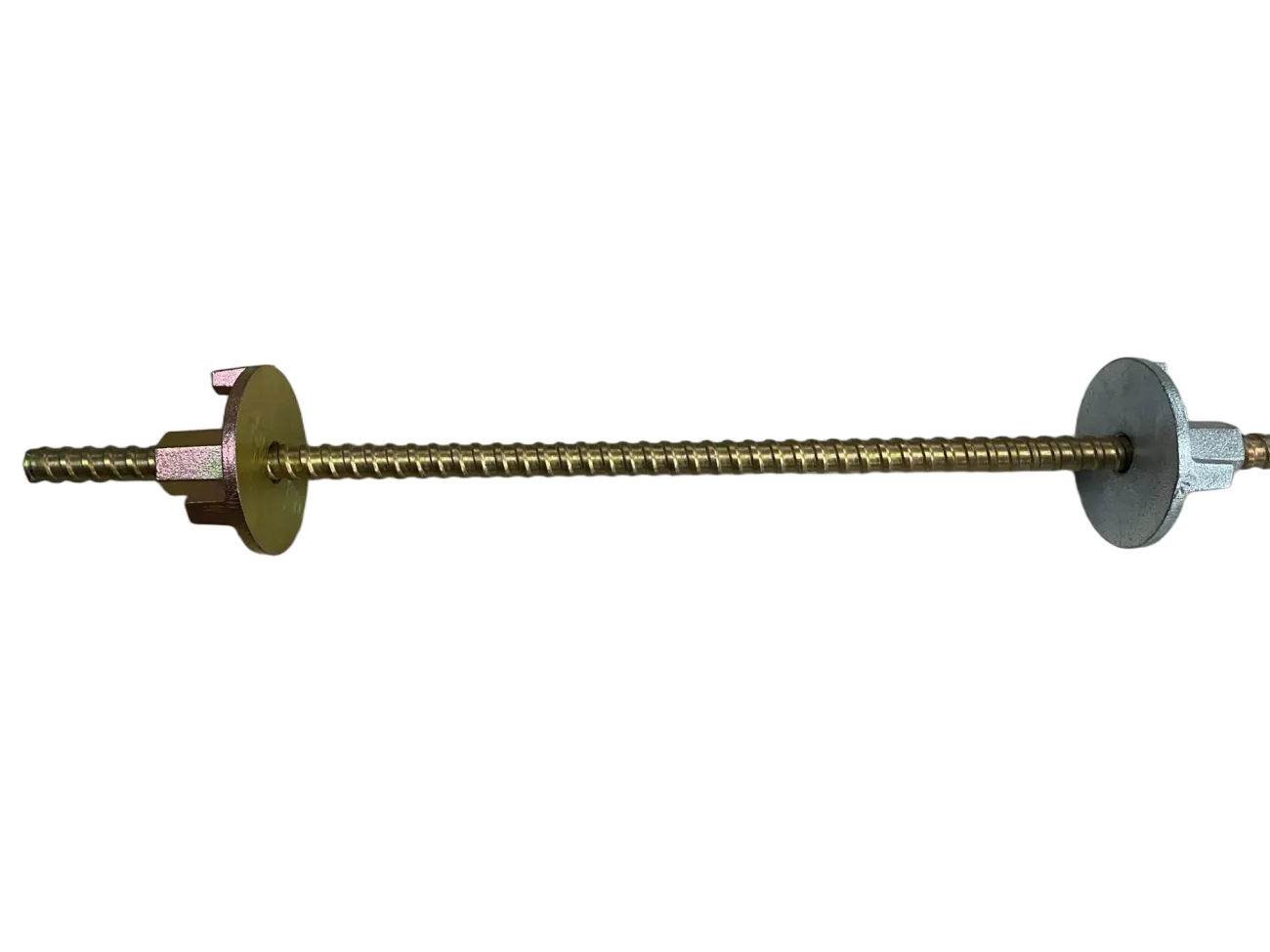
The Engineering Necessity of a Dedicated Wall Tie Rod for Aluminium Formwork
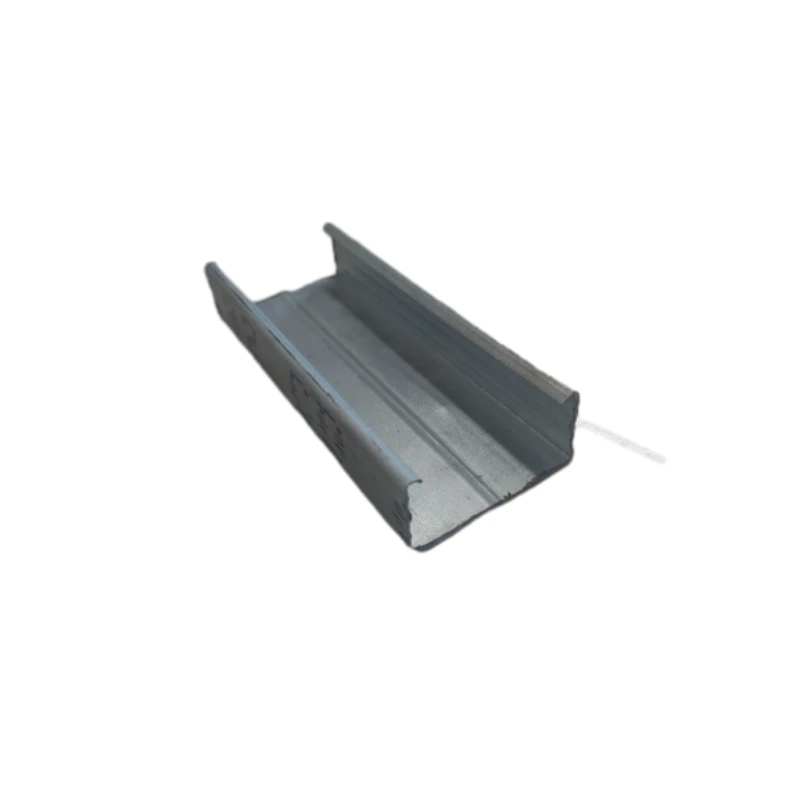
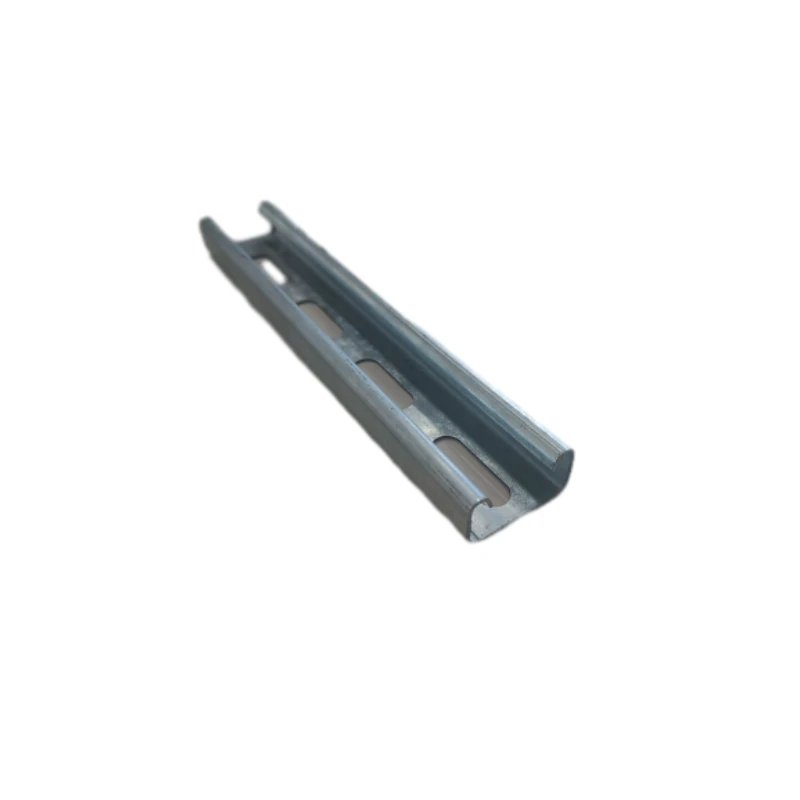
Aluminium formwork differs significantly from traditional timber or steel-framed plywood systems. The panels are precision-engineered to be lightweight yet rigid, designed to be used hundreds of times across a single project. Because aluminium is a softer metal than steel, the method of securing opposing panels must be incredibly precise to prevent damage to the expensive panel edges. This is where the specialized wall tie rod for aluminium formwork comes into play. Unlike the round rods used in heavy steel formwork, ties for aluminium systems are often flat, high-tensile steel members designed to fit perfectly within the slots of the aluminium extrusion.
The integration of these ties allows for a "pin and wedge" assembly method that is significantly faster than traditional threaded systems. A wall tie rod for aluminium formwork must be manufactured with extreme dimensional accuracy. If the tie is even a millimeter too long or too short, the entire room's dimensions can shift, leading to cumulative errors as the building ascends. In modern high-rise construction, where the "one floor every four days" cycle is the gold standard, the reliability of these ties in maintaining wall thickness and verticality is the foundation upon which the entire project’s timeline is built.
Optimizing Structural Stability With Advanced Formwork Wall Tie Rod
In any monolithic concrete pour—where walls, slabs, and beams are cast simultaneously—the stress placed on the containment system is multi-directional. To counter these forces, the placement and quality of formwork wall ties must be impeccable. These ties act as the internal tension bridge that prevents the aluminium panels from bulging outward under the hydrostatic weight of the liquid concrete. Because aluminium formwork is typically used for entire floor layouts at once, the sheer number of formwork wall ties required for a single pour is staggering.
To optimize stability, engineers focus on the tensile strength of the tie material. Most high-quality formwork wall ties are made from high-carbon steel that has been heat-treated to prevent elongation. In a high-speed pour, the concrete is often pumped at high pressure, which can create surge loads. A tie that stretches even slightly will result in a wall that is thicker than designed, leading to excessive concrete consumption and issues with the subsequent installation of windows, doors, and cabinetry. By ensuring that every formwork wall ties assembly is tightened to the exact specification using the pin and wedge system, contractors can achieve a mirror-like concrete finish that requires minimal plastering or finishing.
Synergizing the Entire Formwork Tie System for Monolithic Pours
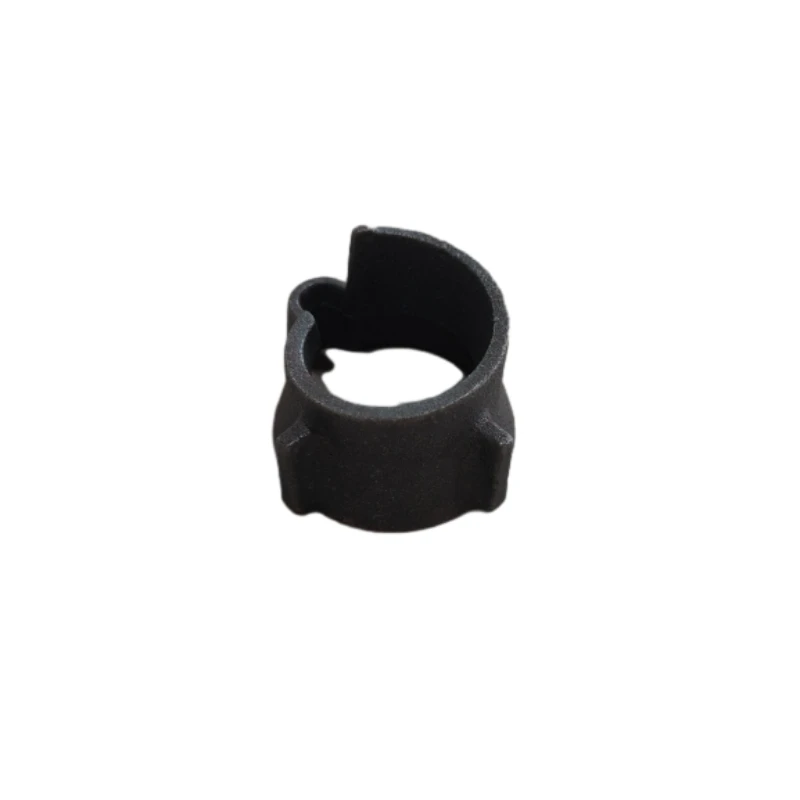
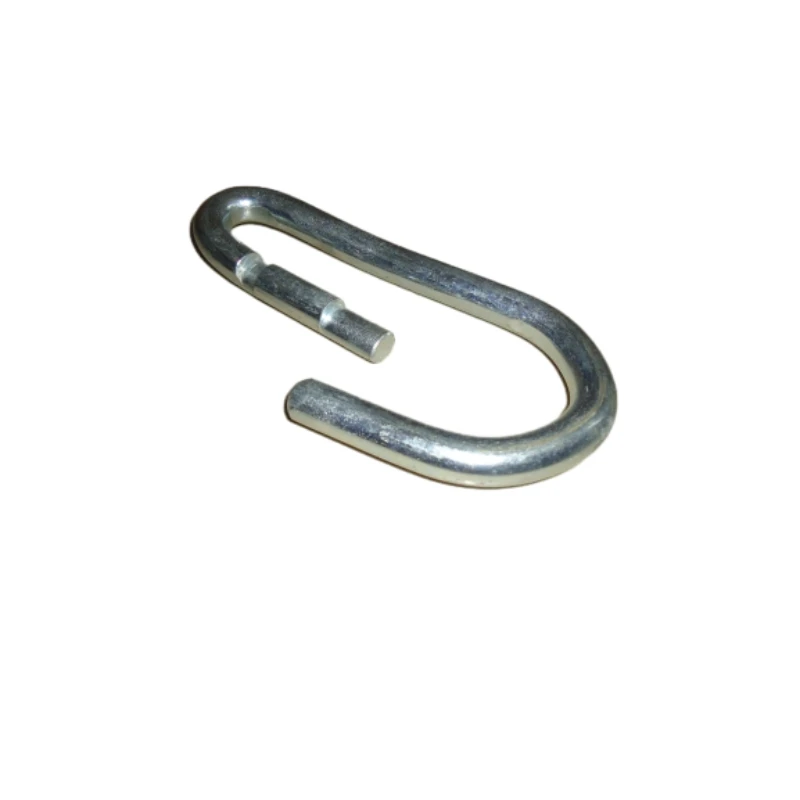
A modern building project is only as strong as its weakest link, which is why leading contractors view their hardware as a holistic formwork tie system. This system encompasses the flat ties, the cylindrical pins, and the tapered wedges that lock everything together. The synergy within a formwork tie system is designed to eliminate human error. In the frantic environment of a construction site, the simplicity of the aluminium tie assembly allows for rapid visual inspections. A supervisor can walk through a leveled deck and quickly see if any pins are missing or if any wedges are not fully seated.
Furthermore, a comprehensive formwork tie system addresses the challenge of thermal expansion. Aluminium expands and contracts more than steel or wood when exposed to direct sunlight on a hot job site. The tie system must be robust enough to hold the forms in alignment despite these physical changes in the material. Modern systems also incorporate "PVC sleeve" technology even in flat tie applications, allowing for the recovery of the tie after the concrete has set. This enhances the sustainability of the project by reducing the amount of sacrificial steel left inside the walls and ensuring that the tie system can be cycled through the building along with the panels themselves.
Material Performance of Concrete Ties Formwork in Corrosive Environments
One of the often-overlooked aspects of concrete ties formwork is the environmental resistance required for long-term structural health. In coastal regions or areas with high humidity, the steel ties used in formwork can begin to oxidize if they are not properly treated. While the ties are temporary components during the pour, many designs leave a portion of the tie embedded in the concrete. High-quality concrete ties formwork must be manufactured to resist early-stage corrosion that could potentially track moisture into the center of a structural wall.
Modern best practices for concrete ties formwork involve the use of specialized coatings or the use of stainless steel variants for high-consequence infrastructure. In the context of aluminium formwork, the interaction between the steel tie and the aluminium panel is also a concern. Galvanic corrosion can occur if the materials are left in contact in wet conditions for extended periods. Therefore, the design of the tie often includes a smooth, clean finish that minimizes friction and chemical reaction with the aluminium faces. This attention to material science ensures that the concrete ties formwork does not leave unsightly rust stains on the pristine architectural concrete finish that aluminium systems are known for producing.
Precision Engineering with the Formwork Tie Bar in Custom Geometries
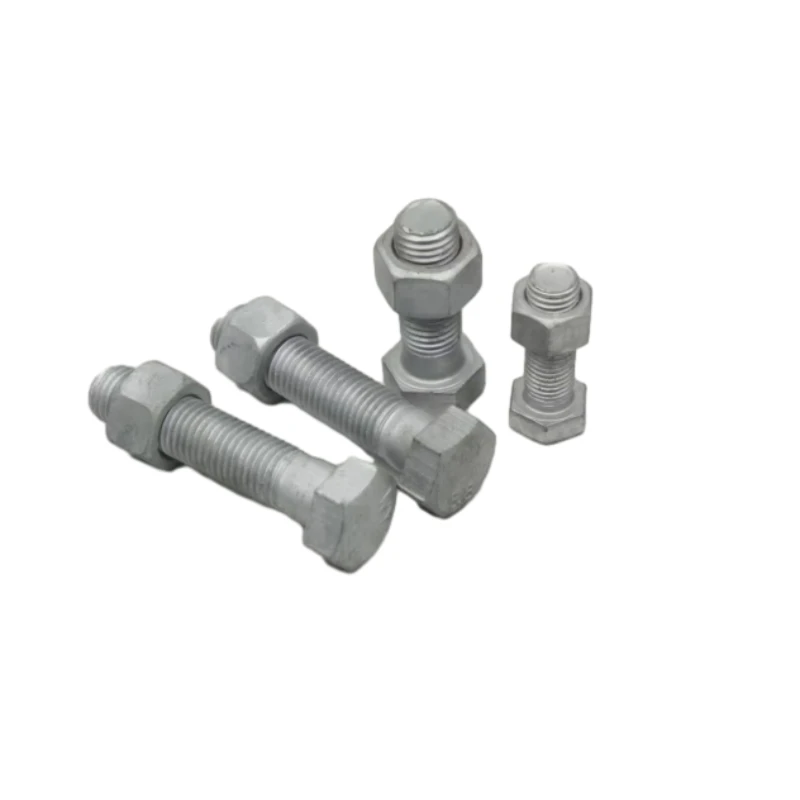
While flat ties dominate the standard wall sections of an aluminium formwork project, certain complex geometries—such as thickened elevator cores or heavy transfer beams—may require the integration of a formwork tie bar. This round, threaded component provides a different type of mechanical advantage, allowing for the use of heavy-duty wing nuts and walers where the standard pin and wedge might not offer sufficient leverage. Integrating a formwork tie bar into an aluminium system requires specialized "adapter" brackets that allow the threaded rod to interface with the aluminium extrusion.
The use of a formwork tie bar in these specific areas allows for micro-adjustments in the formwork alignment. For instance, if a core wall needs to be perfectly plumbed to within a few millimeters to accommodate high-speed elevator rails, the threaded nature of the formwork tie bar allows the crew to "fine-tune" the tension in a way that flat ties cannot. This hybrid approach—using flat ties for the majority of the structure and threaded bars for the critical high-load points—is a hallmark of modern, sophisticated building systems. It demonstrates how a diverse range of hardware can be coordinated to solve the unique structural challenges posed by avant-garde architectural designs.
Latest News
-
The Ultimate Guide to Formwork Tie Rod Systems in High-Rise ConstructionNewsMay.08,2026
-
How to Install Snap Ties in Concrete Formwork for Residential Plywood FormsNewsMay.08,2026
-
Enhancing Load Capacity With Anchor Nut for Tie Rod and Support ComponentsNewsMay.08,2026
-
Different Types of Concrete Form Ties for Structural IntegrityNewsMay.08,2026
-
Concrete Form Tie - Cangzhou World Cup Trading Co., Ltd. | Durable Construction Solutions&Secure FasteningNewsFeb.27,2026