May . 08, 2026 13:35 Back To List
Different Types of Concrete Form Ties for Structural Integrity
In the realm of reinforced concrete construction, the invisible strength of a structure often depends on the temporary hardware that holds everything in place during the critical pouring phase. The structural integrity of any concrete wall or column is dictated by the precision of its formwork, and at the center of this precision are the various types of concrete form ties. These small but mighty components are responsible for resisting the immense lateral pressure of wet concrete, ensuring that the finished product meets the exact dimensions specified by engineers. Without the correct selection and application of concrete formwork ties, a project risks "blowouts," bulging walls, and costly structural failures that can compromise the entire building's lifespan.
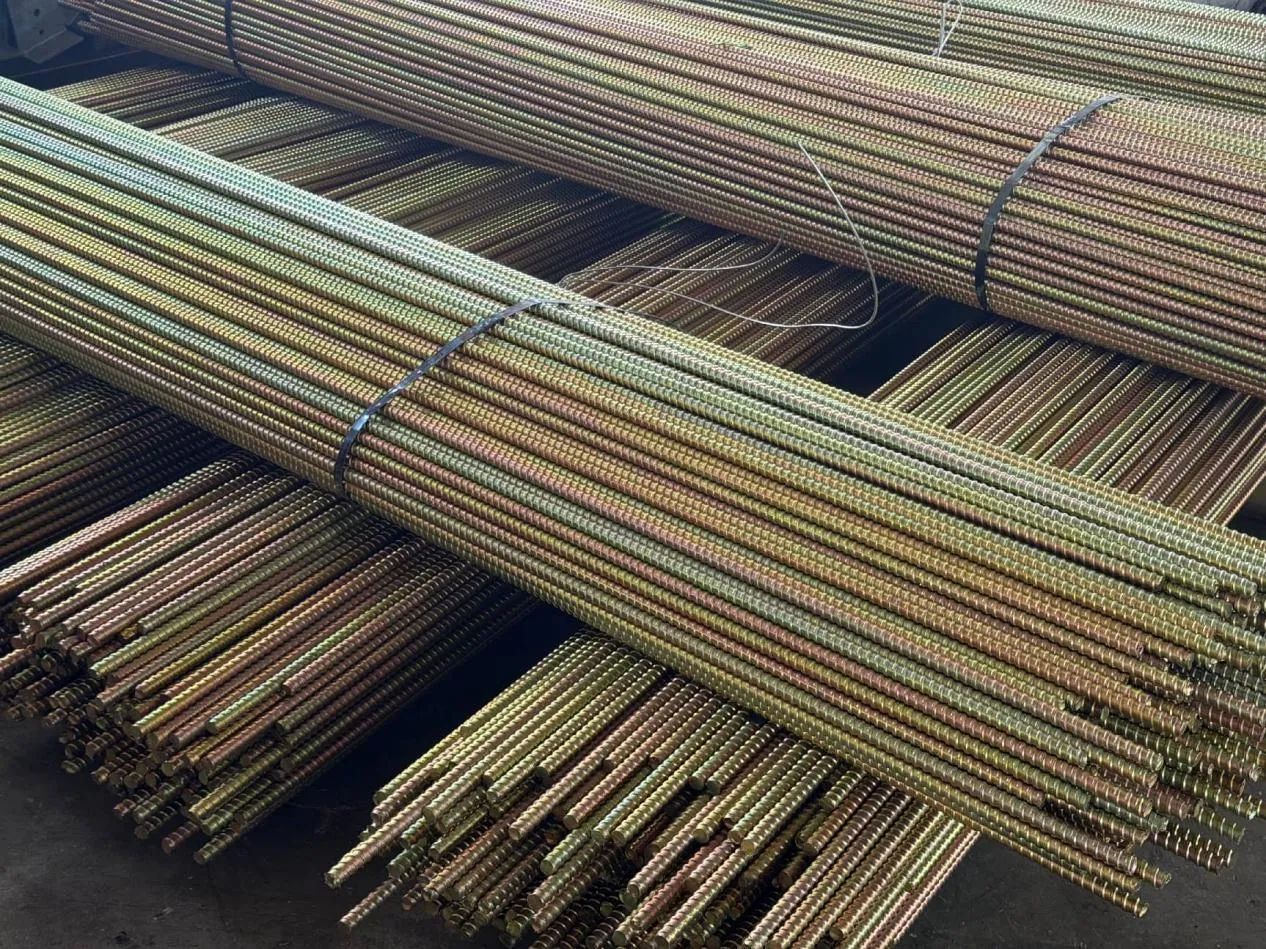
The Critical Role of Diverse Types of Concrete Form Ties
Selecting the appropriate hardware is not merely a matter of convenience; it is a fundamental engineering decision. The market offers a wide array of types of concrete form ties, each designed to address specific load requirements, wall thicknesses, and aesthetic finishes. In heavy civil engineering projects, such as bridges or dams, the ties must be capable of sustaining massive hydrostatic loads, whereas in residential basement construction, the focus might be on speed of installation and ease of removal.
The evolution of these ties has moved from simple wire loops to sophisticated, high-tensile steel assemblies. Each variation serves a unique purpose in the ecosystem of the construction site. For instance, some ties are designed to remain permanently embedded in the concrete, while others are fully extractable and reusable. Understanding the nuances between these systems is essential for contractors who prioritize both safety and economic efficiency. By matching the tie type to the specific demands of the pour, builders can ensure a smooth, plumb, and structurally sound concrete face.
Engineering Stability with Specialized Concrete Formwork Ties
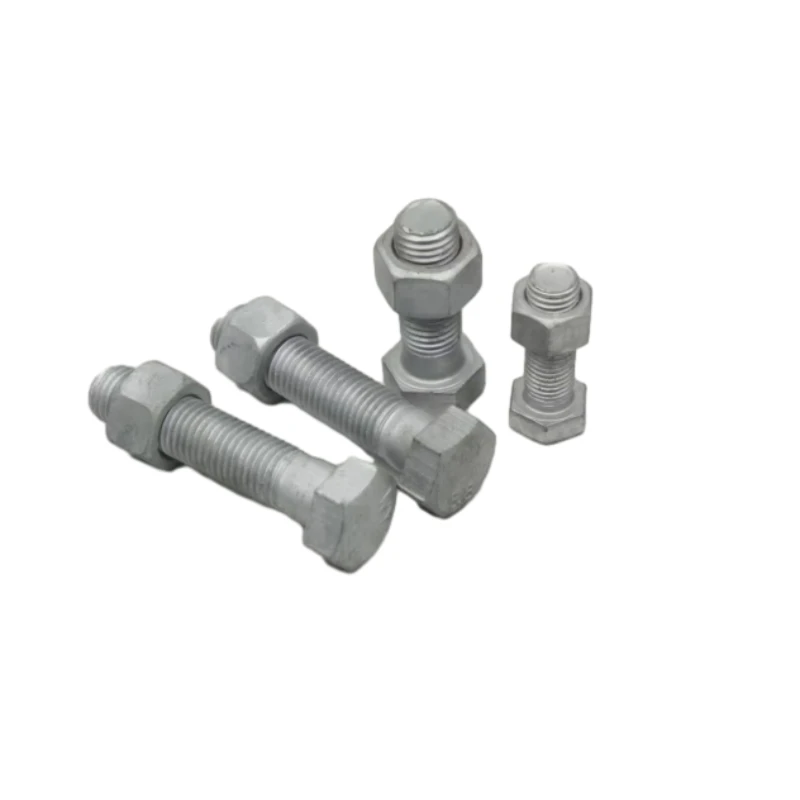
When discussing concrete formwork ties, one must consider the interaction between the tie and the formwork panel. These components do more than just hold panels together; they act as the primary tension members in a complex mechanical system. In heavy-duty applications, threaded systems are often preferred because they allow for granular adjustments. This ensures that the formwork remains perfectly aligned even when subjected to the vibration and impact of concrete being dropped from significant heights.
The reliability of concrete formwork ties also impacts the safety of the workforce. A failed tie can lead to a sudden collapse of the formwork, spilling tons of wet concrete and endangering anyone in the vicinity. Consequently, high-quality ties are manufactured to strict metallurgical standards, ensuring they can handle the predicted stresses without snapping or yielding. Modern construction standards demand that these ties undergo rigorous testing to determine their ultimate load capacity, providing engineers with the confidence to design taller and thinner walls that still maintain incredible structural strength.
Maximizing Precision Using the Correct Concrete Form Tie
The selection of a specific concrete form tie often depends on the desired finish of the concrete surface. For architectural concrete, where the wall will remain exposed as a design element, the tie must leave a clean and predictable mark. Many modern systems utilize plastic cones at the ends of the ties. These cones serve a dual purpose: they act as a spreader to maintain the exact wall width and create a uniform indentation in the concrete surface. Once the forms are stripped and the tie is removed or snapped off, these indentations can be filled with matching grout or left as a decorative "tie hole" pattern.
Furthermore, the mechanical bond of a concrete form tie is vital for water-retaining structures. In basements, tanks, or foundations, any path through the concrete is a potential leak point. Specialized ties for these applications often feature water-stop washers—small rubber or metal discs shrunk-fit onto the center of the tie. These washers break the continuity of the hole, preventing water from seeping along the rod and through the wall. This level of detail in tie selection is what separates a standard concrete pour from a high-performance, watertight structural element.
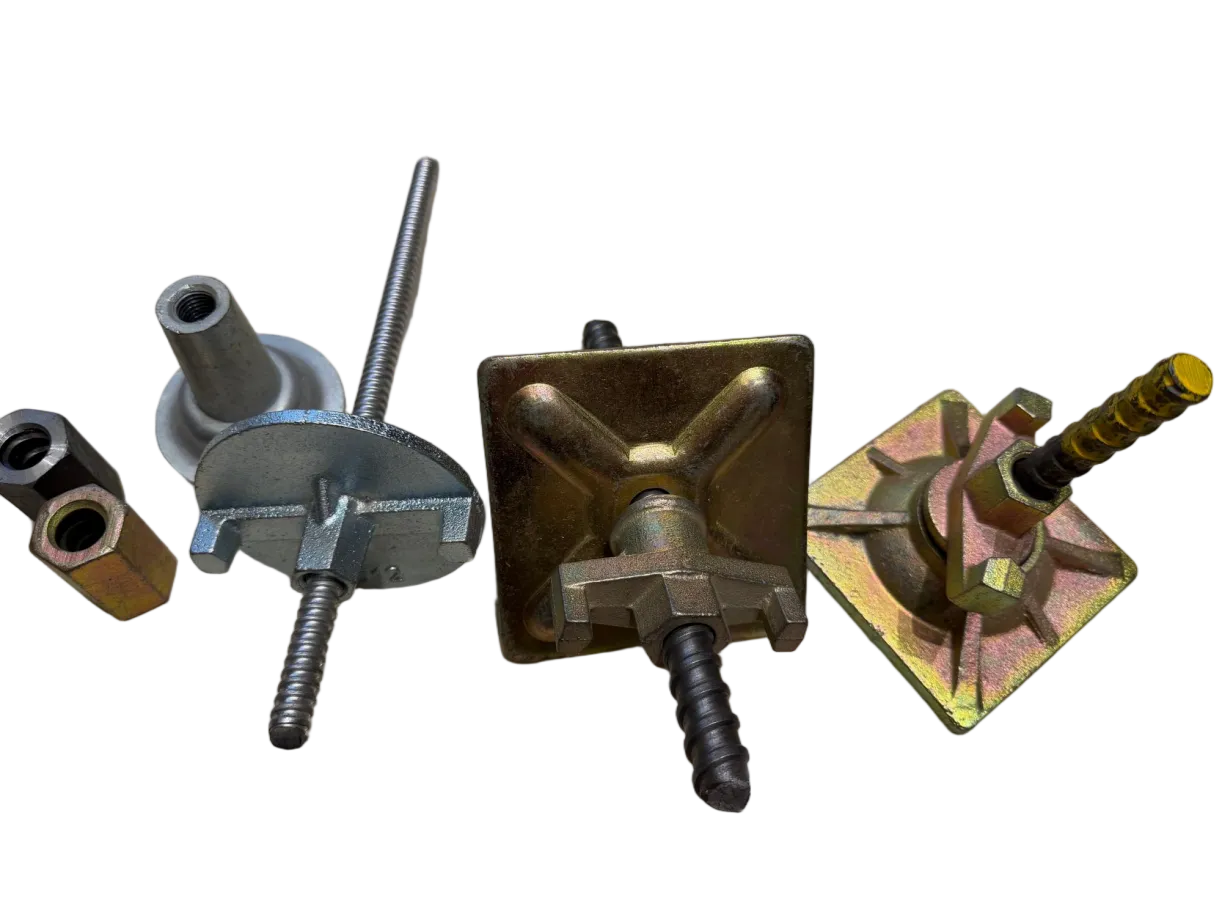
Integrating the Form Tie Formwork System for Seamless Casting
A comprehensive form tie formwork system is more than just the metal rod itself; it is an integrated assembly of nuts, washers, spreaders, and sleeves. In modern modular formwork, these systems are designed for rapid assembly. Speed is a critical factor in the profitability of a construction project, and a well-designed form tie formwork system allows a small crew to secure large areas of formwork in a fraction of the time required by older methods.
The "system" approach also addresses the issue of reusability. In many high-end systems, the inner part of the tie remains in the wall while the outer hardware—the expensive nuts and bolts—is recovered and used on the next pour. This hybrid approach balances the need for structural security with the necessity of keeping material costs under control. The internal component provides the permanent tension required to hold the concrete's shape, while the external components provide the leverage and grip necessary to tighten the forms against the internal spreaders. This synergy is what allows for the consistent production of perfectly straight, vertical concrete walls.
Specialized Applications for the Concrete Wall Form Tie
In residential and light commercial construction, the concrete wall form tie is often a flat tie or a snap tie. These are specifically engineered for use with plywood forms. Flat ties are particularly popular in "low-wall" applications like foundations and crawl spaces. They are designed to be broken off just below the surface of the concrete once the forms are removed. This "snap-off" feature is achieved through a weakened point in the metal, precisely located so that the tie breaks at a consistent depth every time.
The use of a dedicated concrete wall form tie also prevents the "buoyancy" effect during a pour. When concrete is vibrated to remove air pockets, it behaves like a heavy liquid, and the forms may attempt to lift or shift. A properly spaced grid of wall ties keeps the formwork anchored to the footing and prevents the panels from shifting off-axis. As urban construction moves toward more complex, non-linear wall designs, the flexibility of the wall tie becomes even more important. Engineers can now calculate the exact spacing of ties required to support curved or slanted walls, ensuring that the fluid pressure of the concrete is perfectly countered by the tensile strength of the steel ties.
Latest News
-
The Ultimate Guide to Formwork Tie Rod Systems in High-Rise ConstructionNewsMay.08,2026
-
Integrating Wall Tie Rods for Aluminium Formwork in Modern Building SystemsNewsMay.08,2026
-
How to Install Snap Ties in Concrete Formwork for Residential Plywood FormsNewsMay.08,2026
-
Enhancing Load Capacity With Anchor Nut for Tie Rod and Support ComponentsNewsMay.08,2026
-
Concrete Form Tie - Cangzhou World Cup Trading Co., Ltd. | Durable Construction Solutions&Secure FasteningNewsFeb.27,2026