May . 08, 2026 13:38 Back To List
Enhancing Load Capacity With Anchor Nut for Tie Rod and Support Components
In the high-stakes environment of heavy-duty concrete construction, the ability to contain the massive weight of fluid concrete depends on a sophisticated equilibrium of tension and compression. While many focus on the plywood or the steel frames that face the concrete, the true strength of the containment lies in the specialized hardware that binds these elements together. Specifically, the role of an anchor nut for tie rod is central to the structural integrity of the entire assembly. As building designs become more complex and wall heights increase, understanding how to enhance load capacity through these critical support components is essential for any engineering team aiming for zero-failure performance on the job site.
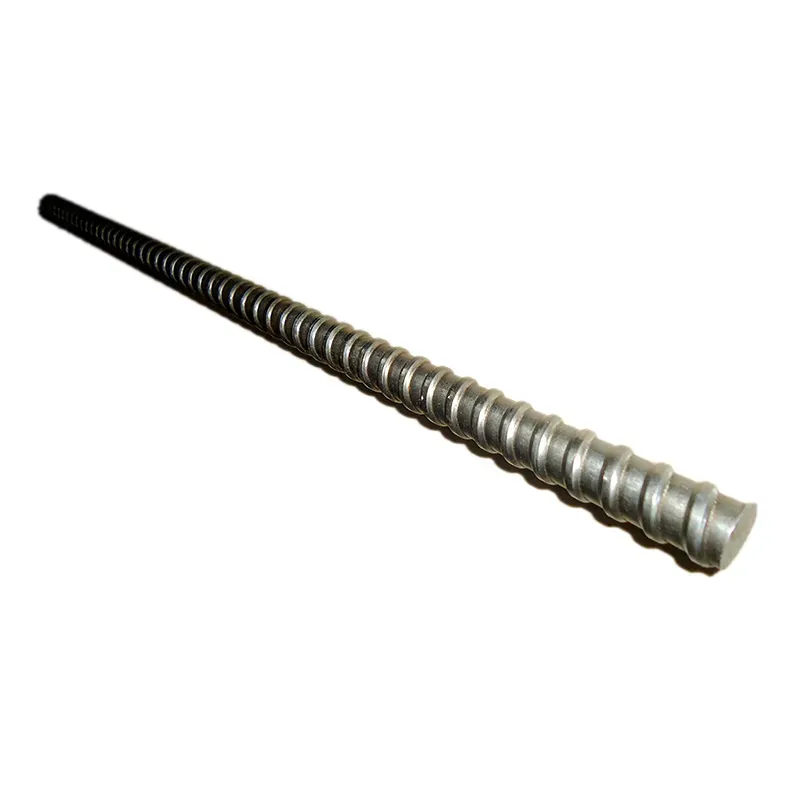
The Mechanical Advantage of the Anchor Nut for Tie Rod
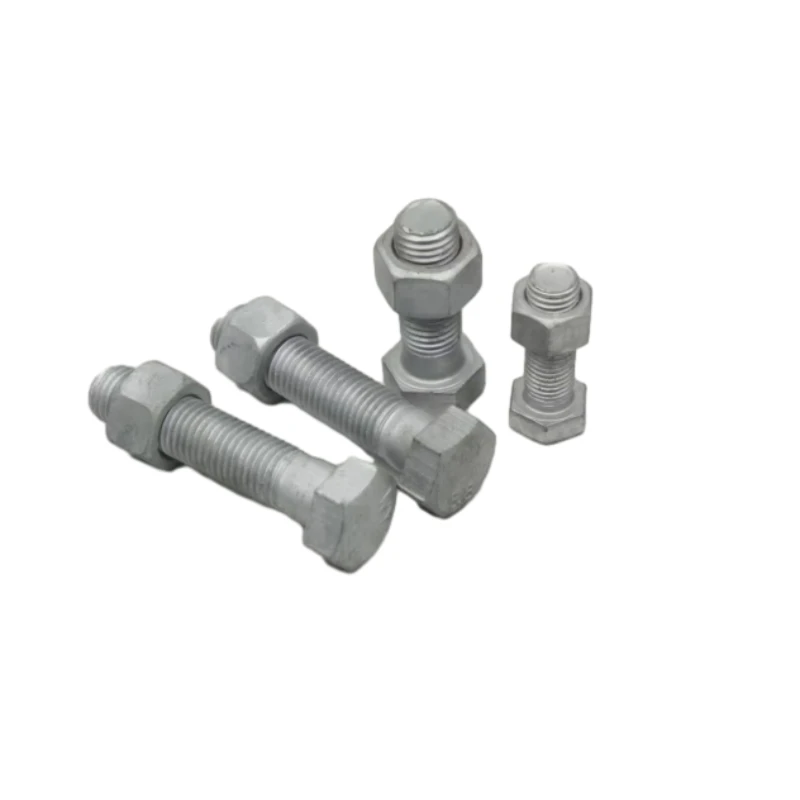
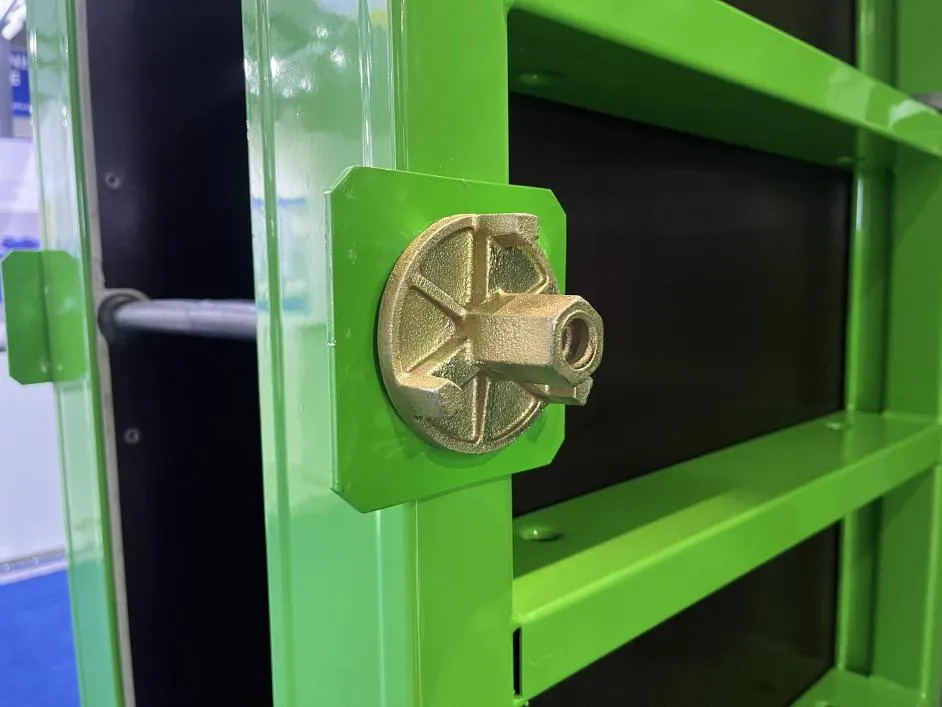
To understand how to maximize load capacity, one must first appreciate the physics behind the anchor nut for tie rod. In a standard formwork setup, the tie rod passes through the wall cavity and the formwork panels, protruding on both sides. The anchor nut is the final point of contact, screwed onto the threaded ends of the rod to lock the system in place. However, its function is far more complex than that of a standard fastener. In professional systems, these nuts are often designed with a wide, integrated washer base or a spherical swivel mechanism.
This wide base is crucial because it significantly increases the surface area over which the tension from the formwork tie rod is distributed. Without a high-quality anchor nut for tie rod, the intense pressure of a concrete pour could cause the nut to "sink" into the timber walers or crush the aluminum profiles, leading to a loss of tension and eventual formwork deformation. By utilizing forged or ductile iron nuts with a diameter optimized for the specific waler system, contractors can safely increase the height of their concrete pours without risking a structural blowout at the base.
Engineering Tension with a High-Tensile Formwork Tie Rod
(WRK tested max loading 140KN)
The backbone of any tension-based containment is the formwork tie rod. To enhance the load capacity of a project, engineers must move beyond general-purpose steel and move toward high-tensile, cold-rolled threaded bars. These rods are manufactured to withstand specific kilonewton ratings that far exceed standard construction bolts. The threading on a professional-grade formwork tie rod is typically coarse and robust, designed specifically to resist stripping under extreme loads and to remain functional even when coated in abrasive concrete dust.
Enhancing capacity also involves a deep understanding of the rod's metallurgical limits. Cold-rolled threads provide a smoother surface and higher fatigue resistance compared to cut threads, which is vital for projects involving high-frequency vibration. When a formwork tie rod is subjected to the pulsating energy of internal vibrators, it must maintain its elongation properties without snapping. By selecting the correct diameter—typically 15/17mm or 20/22mm—based on the calculated hydrostatic pressure of the pour, site managers can ensure that the "skeleton" of the formwork remains unyielding even under the most aggressive casting schedules.
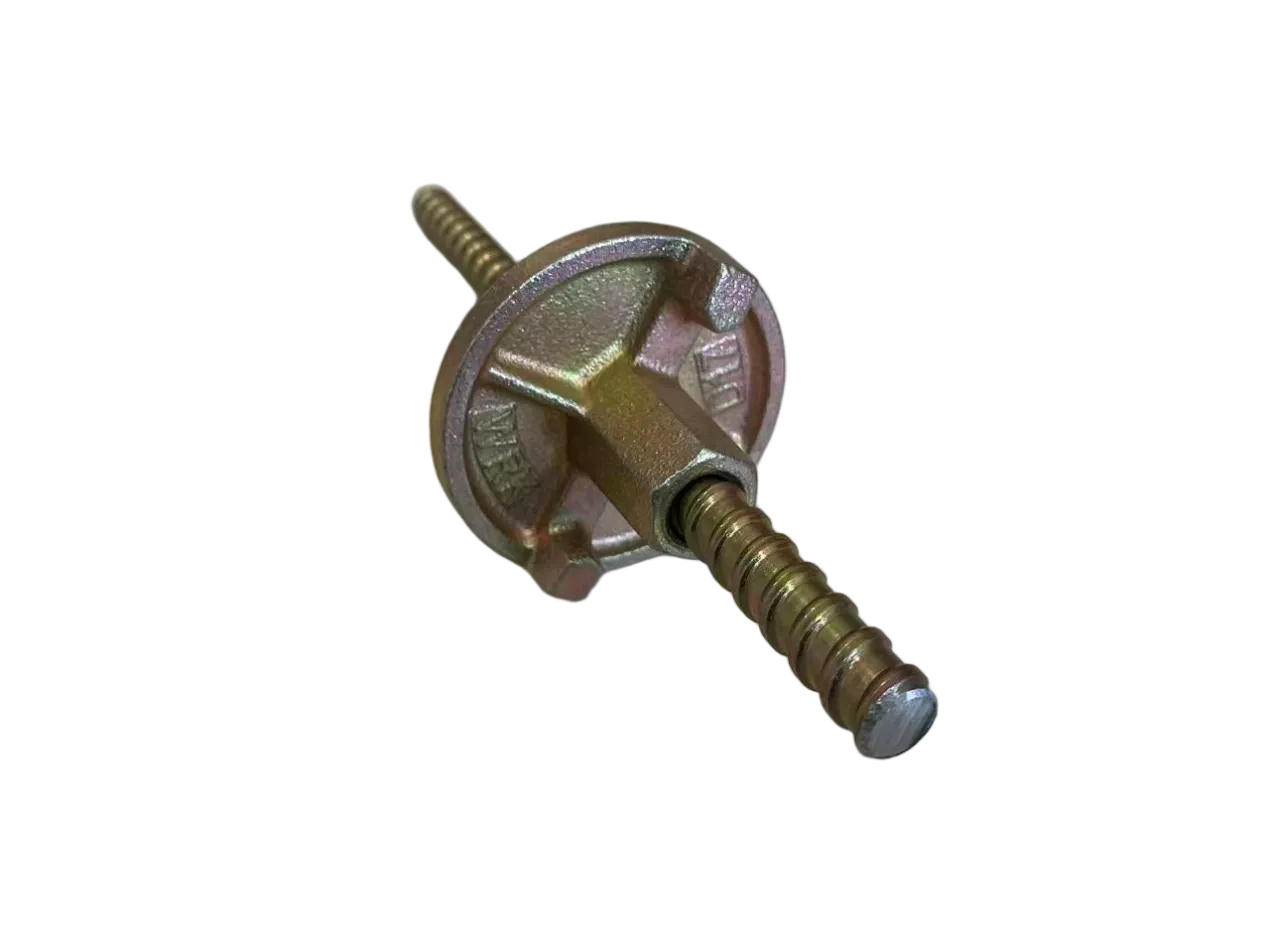
Strategic Placement of the Tie Rod for Shuttering in Heavy Civil Projects
In heavy civil engineering, such as the construction of bridge abutments or massive retaining walls, the application of a tie rod for shuttering requires a strategic spatial layout. Load capacity is not just about the strength of a single component; it is about the density of the grid. To enhance the overall stability of the system, the tie rod for shuttering must be placed in a pattern that aligns with the structural "soldiers" or vertical supports of the formwork.
A best practice for enhancing capacity is the implementation of a staggered tie pattern. This prevents the formation of a single weak horizontal line across the formwork panels. Furthermore, when using a tie rod for shuttering in thick-wall applications, the use of internal spreaders or "distance pieces" is essential. These spreaders ensure that while the rod pulls the forms inward, the forms do not over-compress. This balance of forces ensures that the final concrete element is perfectly true to its dimensions, with a surface finish that is free from the waves or bulges that indicate a system struggling at its load limit.
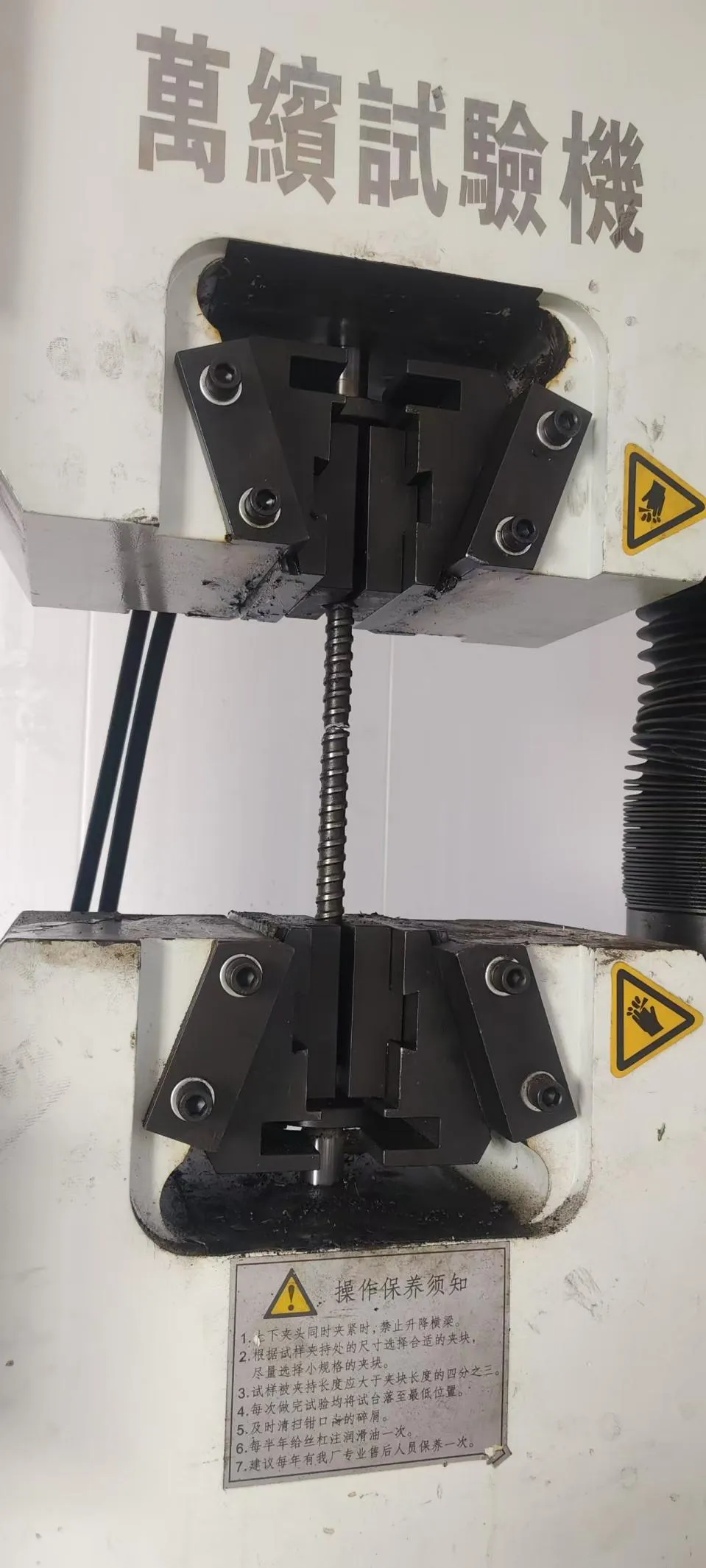
Maximizing System Life with the Formwork Tie Bar
While the terms are often used interchangeably, the formwork tie bar specifically refers to the long-length threaded stock used to create custom-length ties on-site. Enhancing load capacity through the use of high-quality tie bars involves rigorous quality control during the cutting and assembly phase. A common mistake that reduces capacity is using a dull saw to cut the formwork tie bar, which can heat the steel and alter its temper, or leave burrs that prevent the anchor nut from seating correctly.
Beyond the initial installation, the longevity and repeated load capacity of a formwork tie bar depend on its protection against corrosion and mechanical damage. In many modern systems, these bars are galvanized or treated with a black oxide finish to prevent the formation of rust, which can create "stress risers" in the steel. When a formwork tie bar is reused across multiple floors of a high-rise, it must be inspected for "necking"—a visible thinning of the rod that indicates it has been stretched beyond its elastic limit. Retiring bars that show signs of fatigue is the only way to ensure that the load-bearing capacity of the next pour is not compromised by a hidden weakness.
Integrating the Modern Formwork Tie System for Global Stability
The ultimate enhancement of load capacity is found in the transition from individual components to a holistic formwork tie system. A modern system integrates the rods, nuts, water-stops, and sleeves into a single, cohesive engineering solution. In such a system, every part is rated to work in harmony. For instance, the formwork tie system might include specialized "combi-plates"—large square washers with an integrated nut—that allow for even greater load distribution on soft-wood formwork.
Implementing a complete formwork tie system also addresses the challenges of waterproof construction. By incorporating cast-iron water-stop centers that screw directly onto the formwork tie rod, the system provides a physical barrier against seepage without sacrificing the tensile strength of the tie. This integrated approach allows for higher pour rates in underground structures where traditional ties might fail to provide both structural support and environmental sealing. By focusing on the synergy of the system rather than the strength of an isolated nut or bar, contractors can push the boundaries of what is possible in concrete architecture, creating taller, thinner, and stronger walls than ever before.
Latest News
-
The Ultimate Guide to Formwork Tie Rod Systems in High-Rise ConstructionNewsMay.08,2026
-
Integrating Wall Tie Rods for Aluminium Formwork in Modern Building SystemsNewsMay.08,2026
-
How to Install Snap Ties in Concrete Formwork for Residential Plywood FormsNewsMay.08,2026
-
Different Types of Concrete Form Ties for Structural IntegrityNewsMay.08,2026
-
Concrete Form Tie - Cangzhou World Cup Trading Co., Ltd. | Durable Construction Solutions&Secure FasteningNewsFeb.27,2026