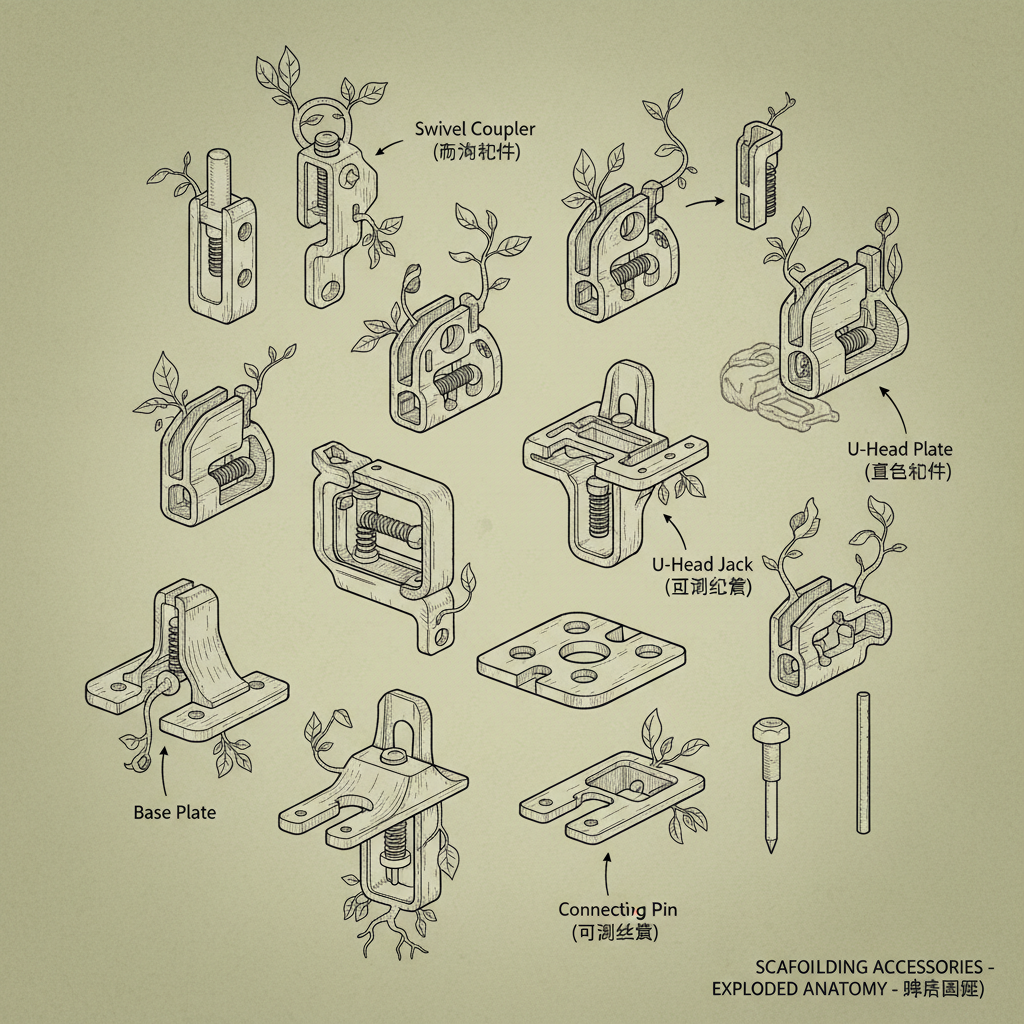
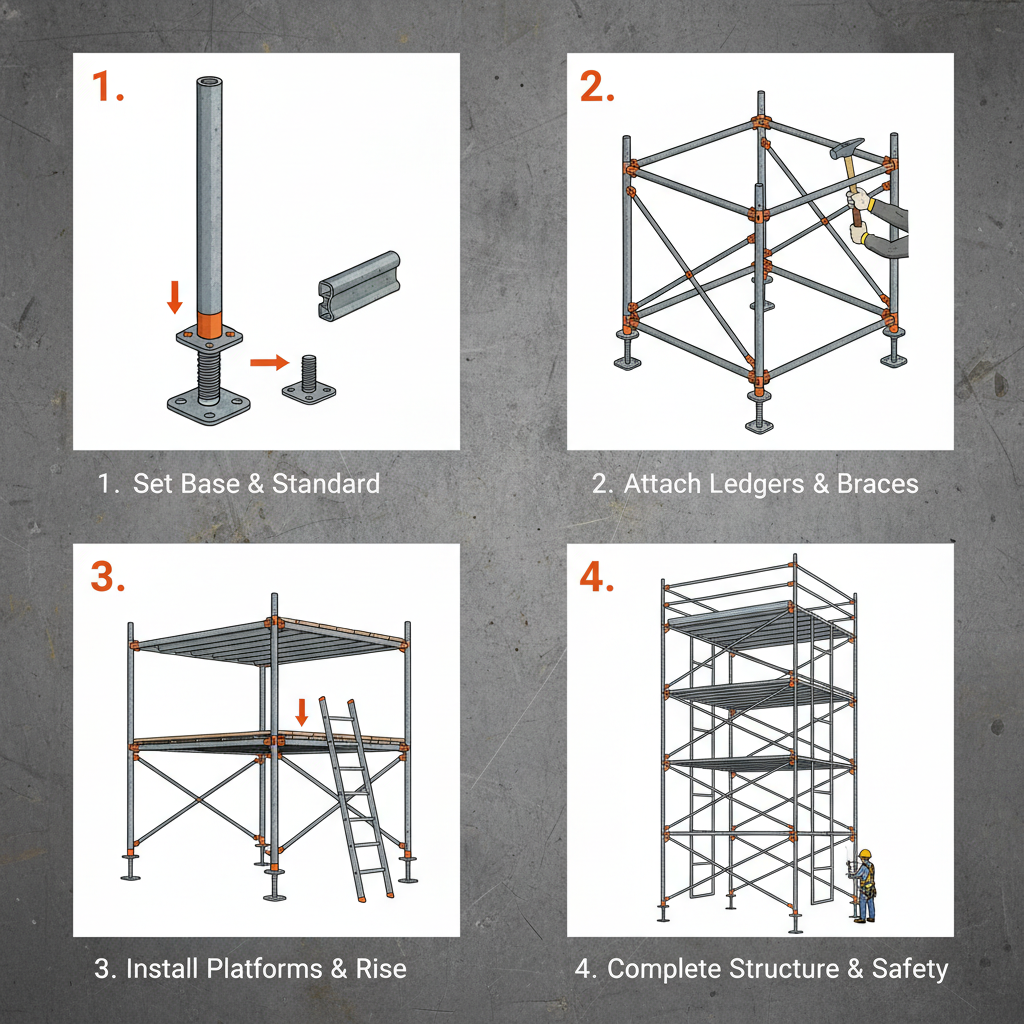
Understanding the various parts of scaffolding in construction is fundamental for ensuring the structural integrity and safety of any modern building site. From towering skyscrapers to residential renovations, these temporary structures provide the essential access and support needed for workers to operate efficiently at height. By mastering the interplay between different components, contractors can minimize risks and optimize project timelines.
Globally, the demand for high-quality scaffolding systems has surged as urban density increases and architectural designs become more complex. The integration of standardized parts allows for modularity, meaning a single set of components can be adapted to various site conditions, whether in a dense city center or a remote industrial zone. This versatility is why the technical specification of each part is so critical to the overall success of the build.
For professionals in the metal fabrication and construction industry, knowing exactly which parts of scaffolding in construction to deploy—such as Adjustable Jack Bases, Cuplocks, or Ringlocks—can mean the difference between a seamless operation and a costly safety violation. This guide explores the technical nuances and practical applications of these components to provide a comprehensive overview for engineers and project managers.
The Global Significance of Scaffolding Components
On a global scale, the construction industry relies heavily on the standardization of parts of scaffolding in construction to maintain safety benchmarks set by organizations like ISO and OSHA. In rapidly developing regions, such as Southeast Asia and Africa, the shift from traditional timber scaffolding to engineered steel components has drastically reduced onsite fatalities and increased the pace of infrastructure development.
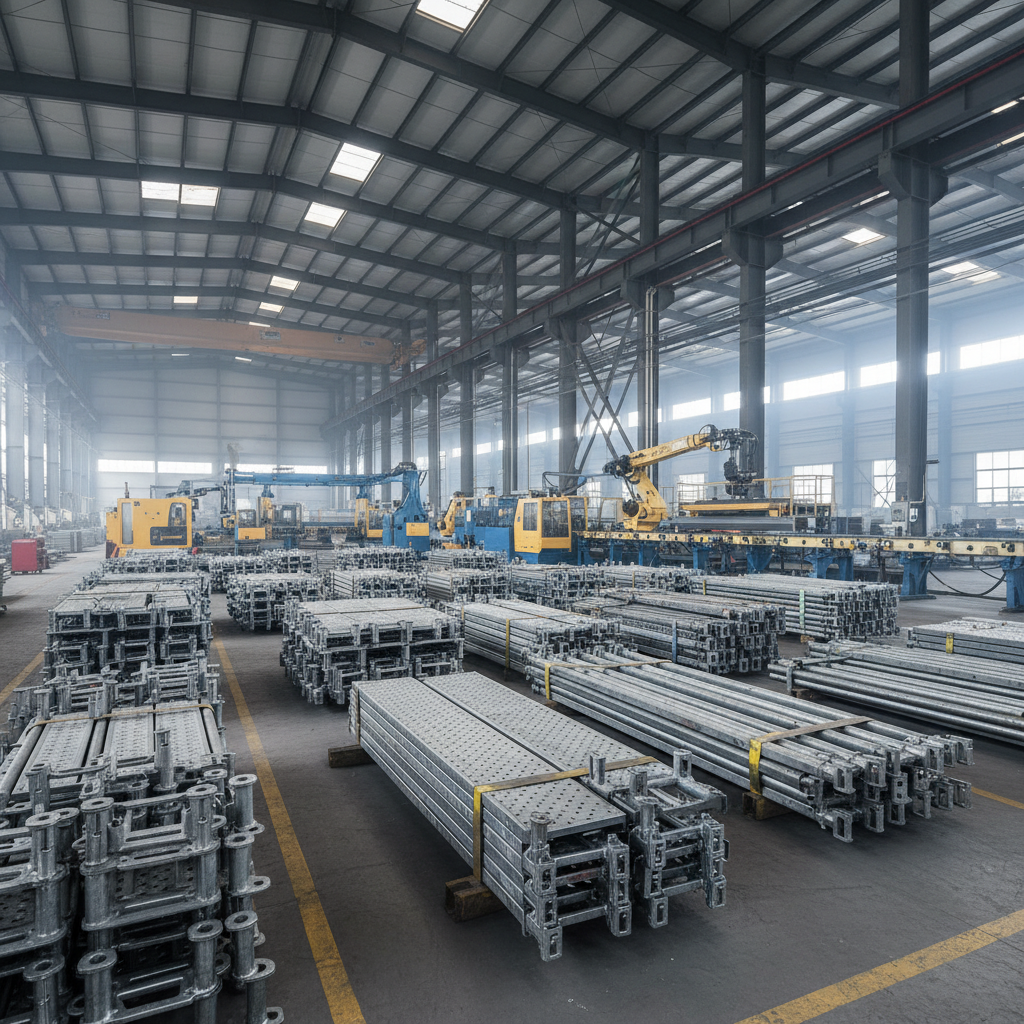
The economic impact of using high-grade metal parts is evident in the reduced downtime and lower replacement costs. When components like Scaffolding Couplers and Ringlocks are manufactured to precise tolerances, they ensure a locked-in fit that resists environmental stressors, allowing projects to proceed even in challenging weather conditions or high-wind coastal areas.
Defining the Core Parts of Scaffolding in Construction
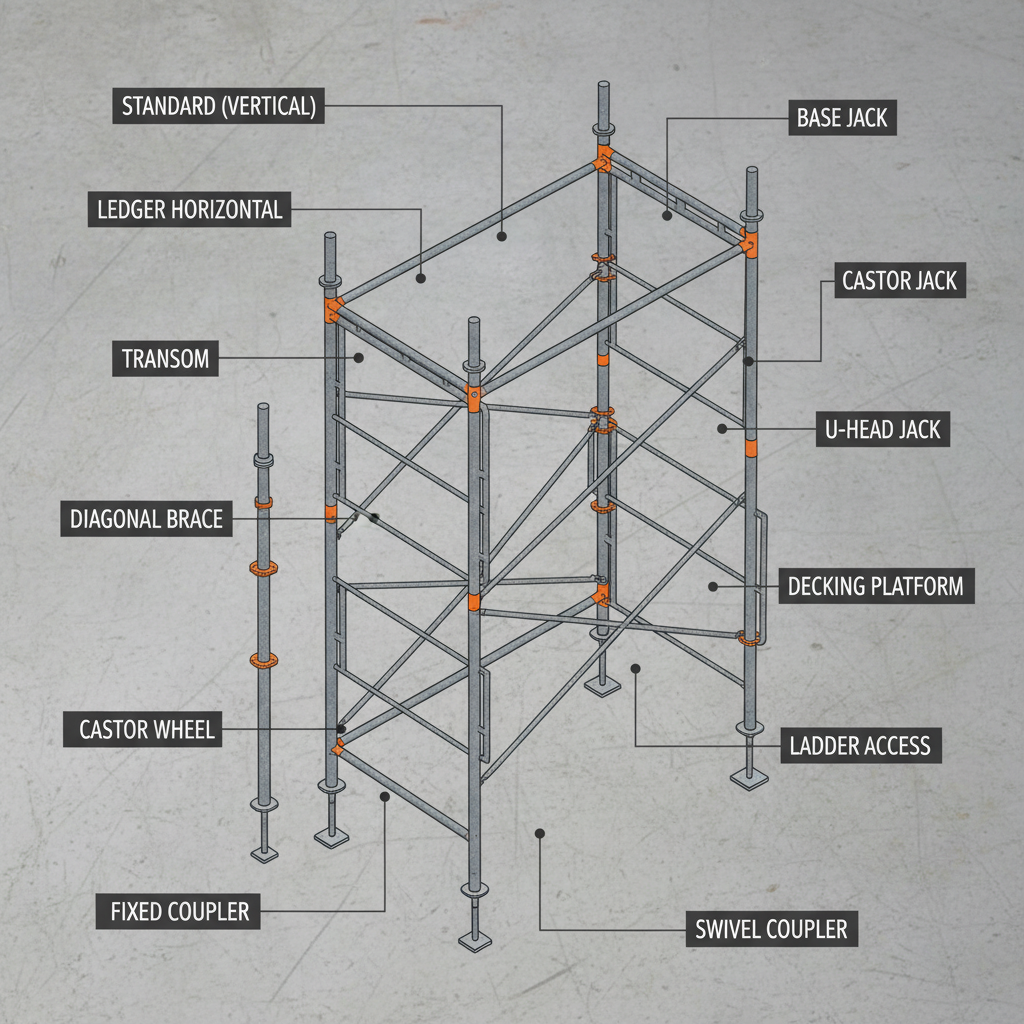
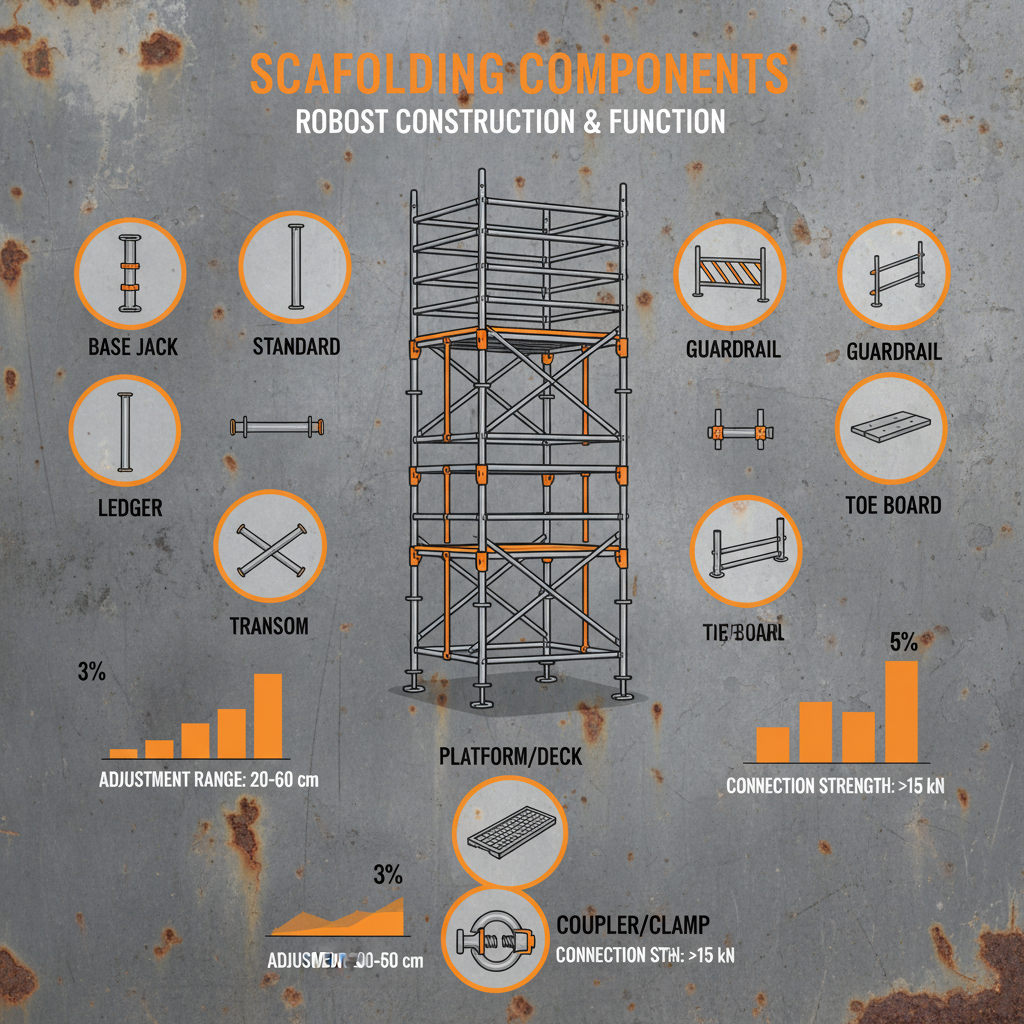
In simple terms, the parts of scaffolding in construction refer to the individual modular elements that are assembled to create a stable, elevated platform. These components are typically divided into load-bearing elements, which transfer the weight to the ground, and connecting elements, which ensure the stability and rigidity of the structure.
Modern industry has moved toward integrated systems where parts like the Adjustable Jack Base U Head and Scaffolding Pins work in tandem to provide millimetric precision in leveling. This is not just about convenience; it is a humanitarian necessity to protect the lives of thousands of laborers who rely on these structures every day.
From a technical standpoint, these parts are often made from high-tensile galvanized steel or aluminum alloys to prevent corrosion and fatigue. By understanding the specific role of each part—whether it's a Formwork Tie Rod for stability or a Scaffolding Ringlock for rapid assembly—builders can create a customized support system tailored to the specific load requirements of the project.
Key Technical Factors for Component Selection
When evaluating the parts of scaffolding in construction, durability is the primary consideration. Metal components must withstand extreme pressure and atmospheric corrosion, which is why hot-dip galvanization is the industry standard for parts intended for long-term use on outdoor sites.
Scalability and modularity are equally critical. Using standardized parts of scaffolding in construction, such as the AL-Form Tie System and various Scaffolding Couplers, allows a contractor to expand the structure vertically or horizontally without needing entirely new hardware, significantly reducing waste.
Finally, cost efficiency is balanced against safety ratings. While lower-grade fasteners might seem economical, the long-term value of high-precision parts, such as high-pressure die casting components and reinforced bolts, lies in their reliability, which prevents catastrophic structural failures and legal liabilities.
Global Applications and Practical Use Cases
The application of parts of scaffolding in construction varies wildly across different environments. In heavy industrial zones, such as oil refineries or power plants, heavy-duty Cuplock and Ringlock systems are utilized to support massive weights and facilitate complex maintenance tasks at extreme heights.
In post-disaster relief operations, lightweight and rapidly deployable components are prioritized. For instance, modular scaffolding parts can be quickly assembled to create temporary housing frames or access points for repairing damaged infrastructure, proving that these tools are essential for both commercial growth and humanitarian aid.
Performance Analysis of Various Scaffolding System Components
Long-Term Value and Safety Advantages
Investing in premium parts of scaffolding in construction provides a logical advantage in terms of asset longevity. High-quality galvanization and precision engineering mean that components can be reused across dozens of projects, transforming a project expense into a long-term capital asset.
Beyond the financial aspect, there is an emotional and ethical dimension: safety. When workers trust the integrity of the Scaffolding Pins and Waler Brackets beneath them, productivity increases. This trust is built on the reliability of the hardware, ensuring that every joint and connection is secure, thereby upholding the dignity and safety of the workforce.
Future Innovations in Scaffolding Materials
The evolution of parts of scaffolding in construction is moving toward "smart" materials and sustainable alloys. We are seeing a rise in the use of carbon-fiber reinforced polymers (CFRP) for non-load-bearing access parts, which drastically reduce weight without sacrificing strength, making transport and assembly significantly faster.
Digital transformation is also playing a role, with the integration of RFID tags into key scaffolding parts. This allows project managers to track inventory in real-time and, more importantly, monitor the "life cycle" of a part to determine exactly when a component has reached its fatigue limit and must be replaced.
Sustainability is the final frontier. The industry is shifting toward circular economy models where steel parts are designed for 100% recyclability. Innovations in green powder coatings are replacing toxic traditional paints, ensuring that the process of maintaining parts of scaffolding in construction is as eco-friendly as possible.
Common Challenges and Expert Solutions
One of the most persistent challenges is the mixing of components from different manufacturers. When incompatible parts of scaffolding in construction are used together, it creates "weak points" in the structure. The professional solution is to adhere to a single system standard, such as the Ringlock or Cuplock specification, to ensure total compatibility.
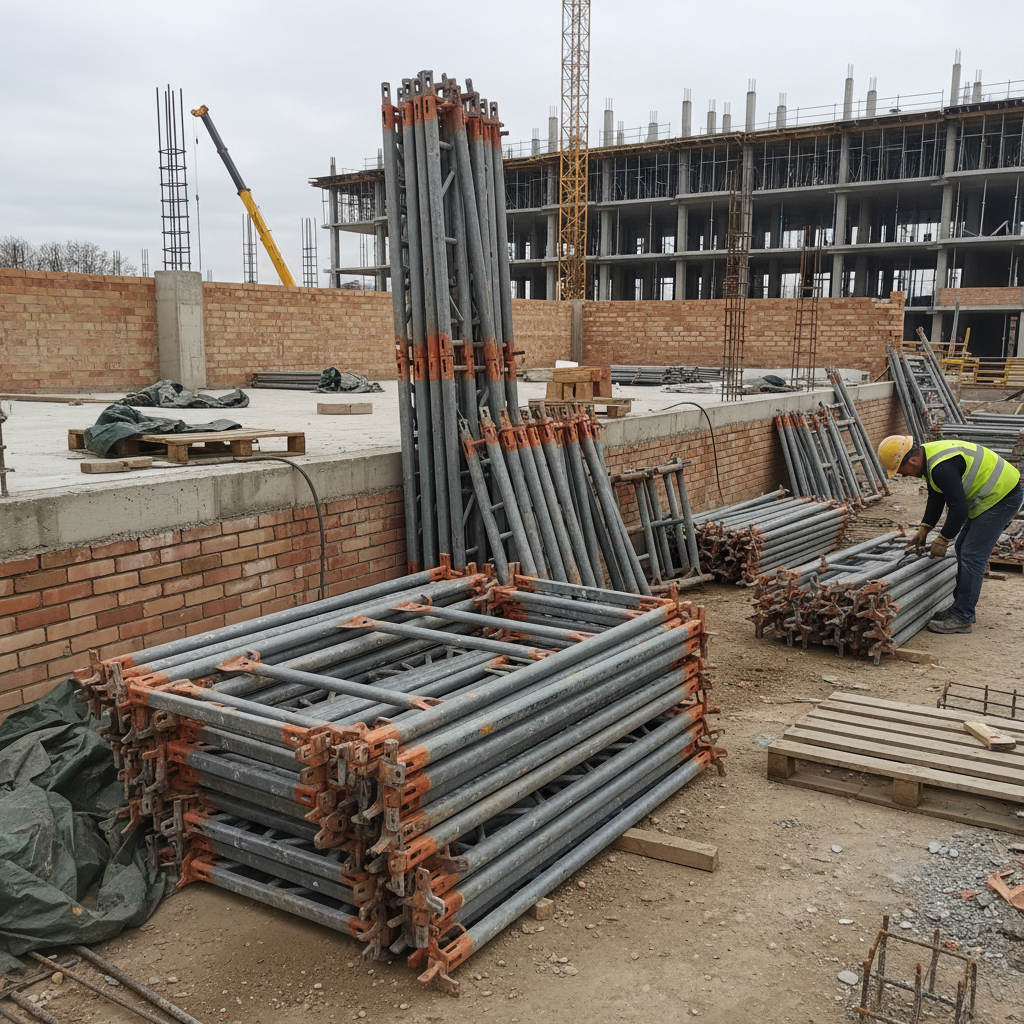
Another common issue is the degradation of parts due to improper storage. Salt-air environments can lead to rapid oxidation of fasteners and joints. To combat this, experts recommend the use of PVC Profiles for protective capping and ensuring all steel parts are stored in ventilated, dry environments when not in use.
Finally, the lack of trained personnel to assemble complex systems can lead to installation errors. The industry is solving this through the development of "intuitive assembly" parts—components that can only be fitted in the correct orientation—reducing the margin for human error and enhancing overall site safety.
Comparative Analysis of Scaffolding Component Specifications
| Component Type |
Material Grade |
Load Capacity |
Durability Score |
| Adjustable Jack Base |
Q235 Steel |
High |
9/10 |
| Scaffolding Coupler |
Galvanized Steel |
Medium |
8/10 |
| Ringlock Ledger |
High-Tensile Steel |
Very High |
9/10 |
| Formwork Tie Rod |
Carbon Steel |
High |
7/10 |
| Aluminum Beam |
6061-T6 Alloy |
Medium |
10/10 |
| Steel Props |
Cold-Rolled Steel |
High |
8/10 |
FAQS
The most critical components are those responsible for load distribution and connection. Adjustable Jack Bases ensure a level foundation, while high-quality Couplers and Ringlocks prevent the structure from swaying or collapsing. Ensuring these parts are free from corrosion and meet ISO standards is non-negotiable for site safety.
Cuplock is generally prized for its simplicity and speed of assembly in standard configurations. Ringlock, however, offers greater flexibility for complex geometries and higher load-bearing capacities due to its rosette connection system. Your choice should depend on the architectural complexity and the total weight the scaffold must support.
It is strongly discouraged. Even small variations in tube diameter or locking mechanism tolerances between different brands can create instability. Using a unified system of parts of scaffolding in construction ensures that all components lock perfectly, maintaining the structural integrity verified by engineering calculations.
Components should be inspected before every new assembly and at regular intervals (typically weekly) while in use. Focus on the locking pins, welds, and galvanized coating. Any part showing significant deformation, deep rust, or cracks should be decommissioned immediately to prevent accidents.
Aluminum is significantly lighter, which reduces the physical strain on workers during assembly and lowers transportation costs. It is also naturally corrosion-resistant, making it ideal for environments with high humidity or saltwater exposure, although it may have lower load limits than heavy-duty steel.
Construction sites are rarely perfectly level. Adjustable Jack Bases allow workers to compensate for uneven terrain by adjusting the height of the vertical standards. This ensures that the entire scaffolding structure remains plumb, preventing leans that could lead to structural collapse under load.
Conclusion
Mastering the selection and application of parts of scaffolding in construction is an essential competency for any modern builder. From the foundational stability provided by Jack Bases to the rapid versatility of Ringlock systems, each component plays a pivotal role in creating a safe and efficient work environment. By prioritizing high-grade materials and adhering to standardized systems, companies can reduce risks, lower long-term costs, and ensure the safety of their most valuable asset—their workers.
Looking forward, the integration of smart tracking and sustainable alloys will further refine how we use these components. As the industry moves toward greater automation and green building practices, the quality of the underlying hardware will remain the bedrock of construction success. We encourage project managers to invest in certified, precision-engineered parts to future-proof their operations. Visit our website: www.wrkformwork.com