Look, after running around construction sites all year, you start to notice some patterns. Right now, everyone's obsessed with prefabrication, modular stuff. Makes sense, labor's expensive, schedules are tight… but honestly, a lot of it feels rushed. It’s all about speed, speed, speed. And sometimes, that means cutting corners. Have you noticed that? I swear, half the “innovations” I see just shift the problem down the line.
People think it’s all about the fancy CAD designs and the algorithms, but it’s not. It’s about what happens when a guy in muddy boots actually tries to use the thing. And that brings me to scaffolding accessories in china. It sounds simple, right? Clamps, bolts, base plates… but man, the details.
The biggest issue? Compatibility. You think a manufacturer in one province is talking to a manufacturer in another? Nope. Everyone’s doing their own thing. That means a seemingly small difference in thread pitch, or a slightly different alloy, can mean the whole system won’t play nice. It's a headache.
The Current Landscape of Scaffolding Accessories in China
To be honest, the market’s exploded in the last decade. It’s not just about cost anymore. China’s become a real force in terms of both production volume and technical expertise. A lot of the high-strength steel alloys they're using now are genuinely impressive. But, and this is a big but, quality control is… variable. You really have to know your suppliers. I encountered this at a factory in Jiangsu last time, they showed me these beautiful galvanized couplers, looked perfect, but the zinc coating was paper-thin. One season in a coastal environment, and they’d be rusting through.
It’s a global game now. You’ve got big players exporting worldwide, and a ton of smaller workshops churning out stuff for the domestic market. That domestic market is huge, remember. So, a lot of production is geared towards that, where the standards aren't always quite as strict.
Defining Scaffolding Accessories in China
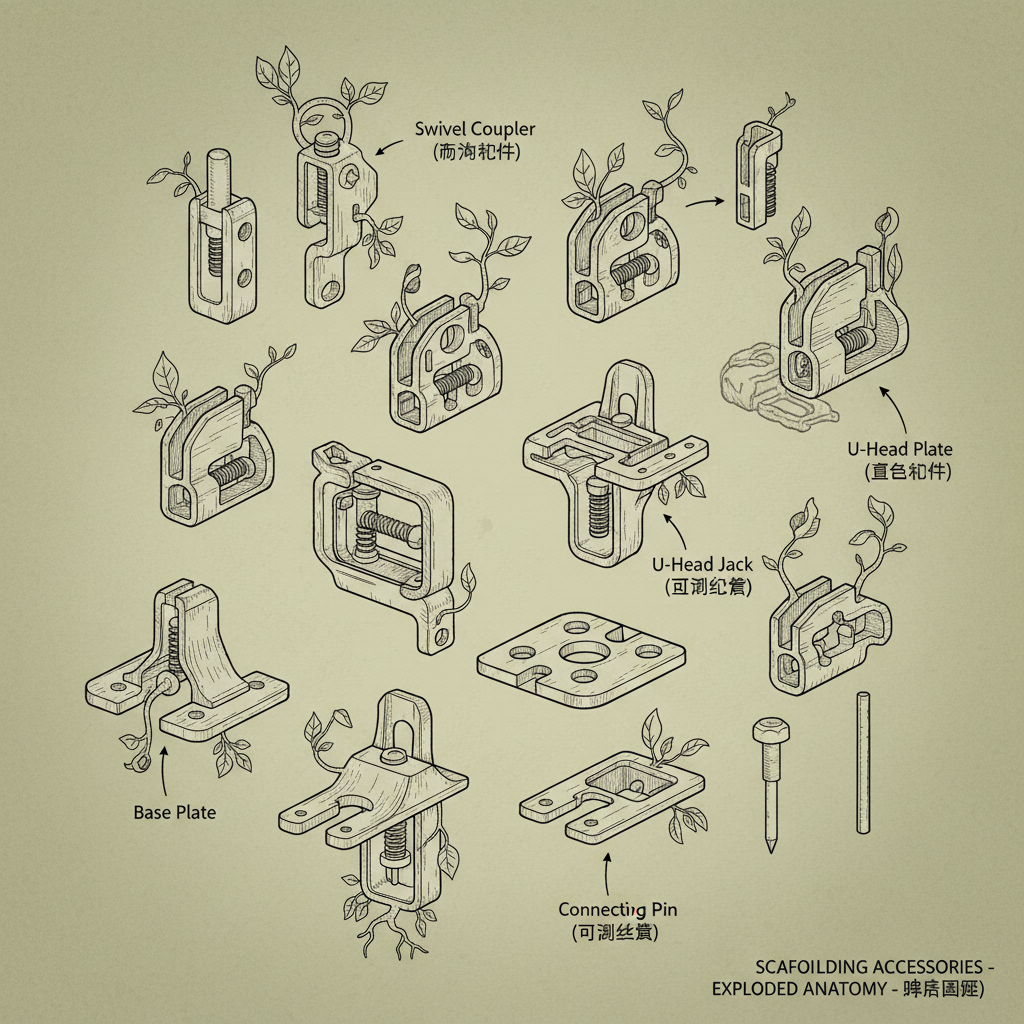
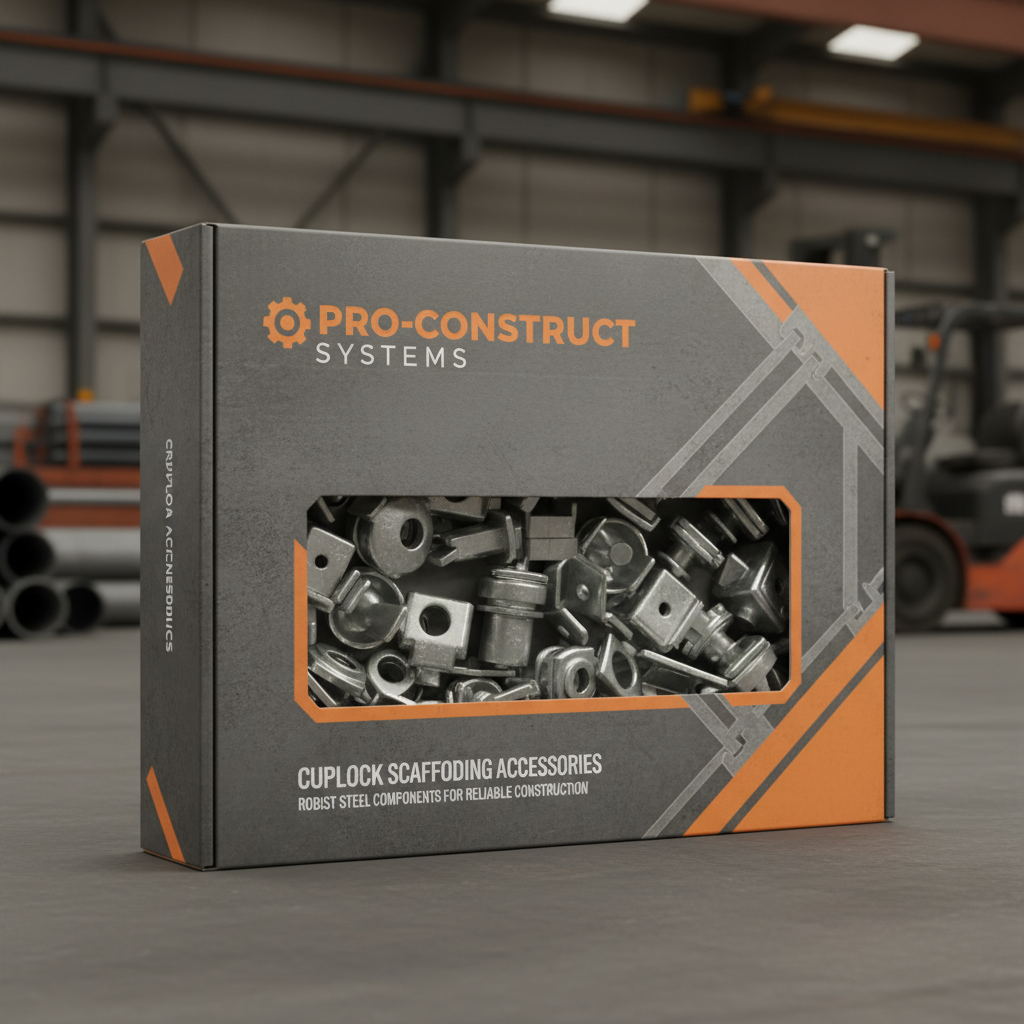
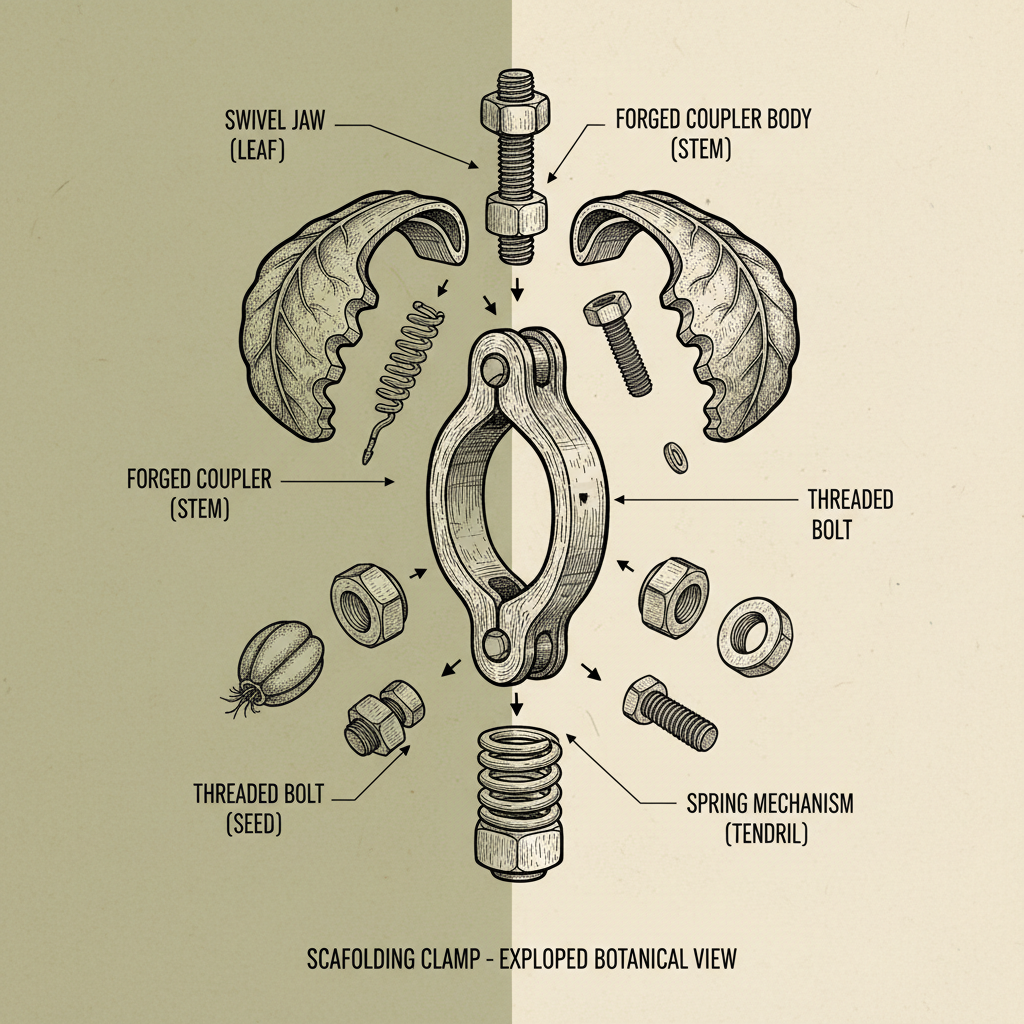
Okay, so what are we talking about? Scaffolding accessories in china isn't just the clamps and bolts. It’s everything that isn’t the main structure itself. Base plates, swivel couplers, ledger blades, U-bolts, concrete anchors, safety nets… the list goes on. It's all the small stuff that holds the whole thing together. Without it, you just have a pile of metal tubes.
And it's vital to modern construction, obviously. Buildings aren't getting smaller, and safety regulations are getting stricter. Think about it, it’s not just building skyscrapers. It’s maintenance, renovation, infrastructure projects – bridges, tunnels, even wind turbines. It’s all scaffolding, all needing accessories.
It even ties into humanitarian efforts. Post-disaster relief, temporary hospitals, building schools in remote areas... getting structures up quickly and safely is critical.
Key Factors Influencing Quality & Performance
Durability, obviously, is huge. These things are going to be exposed to all sorts of weather, constant handling, and significant loads. You want steel that can take a beating. I always sniff the steel, strangely enough. A good alloy has a very specific smell. Sounds crazy, I know.
Scalability is another big one. A system might be great for a small job, but can you easily expand it to handle a much larger project? Can you add sections, modify the configuration without having to replace a ton of components? You don't want to get halfway through a build and realize you’ve boxed yourself in.
Cost efficiency is important, naturally. But cheap isn’t always better. I've seen guys try to save a few bucks on lower-grade steel, and it ends up costing them a fortune in replacements, delays, and potential safety hazards. Then there’s the weight. Lighter materials are easier to handle, but you need to make sure they don't compromise strength. Finding that balance is key.
Global Applications and Diverse Use Cases
You see scaffolding accessories in china everywhere. In post-disaster relief operations, especially after earthquakes, you need to get temporary housing up fast. In remote industrial zones, like oil rigs or mining operations, they're essential for maintenance and repairs.
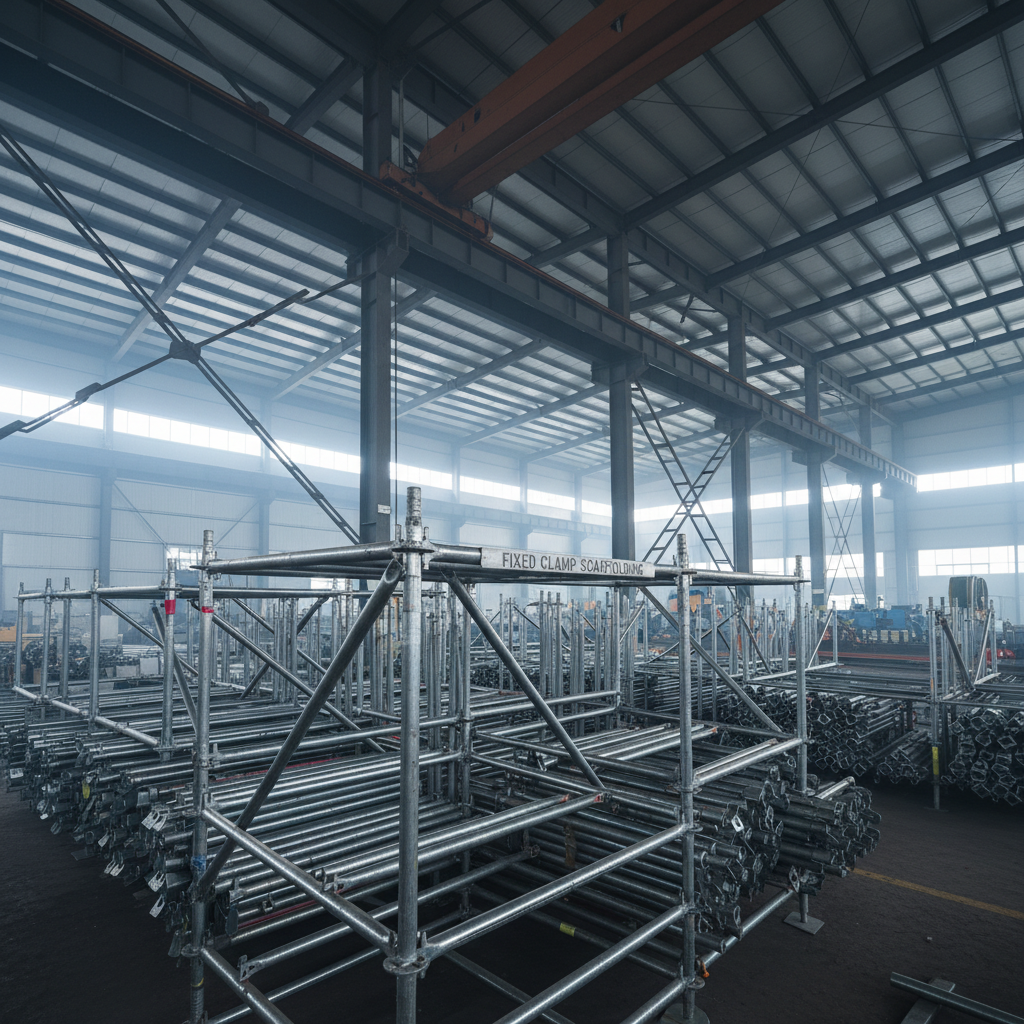
The shipbuilding industry uses a ton of scaffolding for hull construction and repair. And, of course, the construction of high-rise buildings in major cities around the world wouldn't be possible without it. Dubai, Singapore, New York… they’re all relying on suppliers from China.
Even the entertainment industry uses it! Film sets, concert stages, even temporary arenas for sporting events. It's surprisingly versatile.
Scaffolding Accessory Performance Metrics
Advantages & Long-Term Value Proposition
The biggest advantage, honestly, is the cost. You can get a lot more for your money compared to suppliers in Europe or North America. But it's not just price. The manufacturing capabilities in China have really advanced. They can produce complex components to very tight tolerances. And the sheer volume means they can often deliver faster, too.
But the long-term value? That’s about safety and reliability. If you choose the right supplier, you’re getting accessories that are going to perform consistently, reducing the risk of accidents and delays. And that translates to cost savings in the long run. It gives you peace of mind, frankly.
Emerging Trends and Future Innovations
There's a big push for modular scaffolding systems now, designed for faster assembly and disassembly. They're experimenting with lighter materials – aluminum alloys, even some composite materials. But those are still expensive, and you have to be careful about UV degradation.
Digital integration is also happening. Some companies are embedding RFID tags into accessories for tracking and inventory management. That’s a good idea, but it only works if everyone actually uses the system. And, of course, there's the whole sustainability angle. More and more clients are demanding eco-friendly materials and manufacturing processes.
Challenges, Solutions & Real-World Considerations
The biggest challenge, again, is quality control. You really need to vet your suppliers thoroughly. Factory audits, independent testing… it’s essential. Another issue is customization. A lot of suppliers are geared towards mass production, so getting them to make a small batch of something specific can be difficult.
I had a small boss in Shenzhen last month who makes smart home devices; he insisted on changing the interface on a batch of U-bolts to , because he thought it looked “more modern.” He wasted a ton of money, the change added no functional benefit, and the workers complained because they couldn't use their standard tools! It was a mess. Anyway, I think finding a supplier who’s willing to work with you and understand your specific needs is crucial.
Finally, logistics. Getting materials shipped from China can be complex, especially with all the current global supply chain disruptions. You need a reliable logistics partner who can handle customs clearance and transportation.
Summary of Key Challenges and Potential Solutions for Scaffolding Accessories in China
| Challenge |
Impact on Project |
Potential Solution |
Implementation Cost (1-10) |
| Inconsistent Quality |
Safety Risks, Project Delays |
Rigorous Factory Audits & Testing |
7 |
| Customization Difficulties |
Limited Design Flexibility |
Partner with Flexible Manufacturers |
6 |
| Supply Chain Disruptions |
Delivery Delays, Increased Costs |
Diversify Suppliers, Strong Logistics |
8 |
| Compatibility Issues |
Assembly Problems, System Failure |
Standardize Components & Interfaces |
5 |
| Lack of Traceability |
Difficult to Identify Root Causes |
Implement RFID Tracking Systems |
9 |
| Limited Innovation |
Stagnant Product Development |
Invest in R&D, Collaborate with Universities |
4 |
FAQS
Honestly? Not doing their homework. They see a low price and jump, without checking certifications, factory audits, or asking for samples. They assume everything’s the same, but it’s not. You need to verify everything, even if it takes a little extra time. Don’t just trust a pretty website and a smooth-talking salesman. I’ve seen too many projects derailed because of that.
They're a good starting point, but they're not a guarantee. A certification shows the manufacturer has a quality management system in place, but it doesn’t mean every single product is perfect. It's a good filter, but you still need to do your own due diligence. Look for specific certifications related to scaffolding, like EN 12811. And don't be afraid to ask for test reports.
That depends heavily on the environment and how well they're maintained. Galvanized steel can last a good 10-15 years, even in coastal areas, if it's properly cared for. But if you're using it in a harsh environment, like a chemical plant, or if you're neglecting regular inspections, it could be much shorter. Regular cleaning and re-galvanizing can extend the lifespan significantly.
Absolutely. Most manufacturers are willing to do custom work, especially if you're ordering in large quantities. I had a client who needed a specific type of coupler for a complex curved structure. It wasn't a standard item, but the factory was able to design and manufacture it to his specifications. It takes longer and costs more, but it’s often worth it to get exactly what you need.
Huge risks. Counterfeit parts are often made with inferior materials and have poor quality control. They can fail under load, leading to serious accidents and injuries. It's not worth the risk. Always buy from reputable suppliers and verify the authenticity of the products. If a deal seems too good to be true, it probably is.
The good ones will have rigorous in-house testing facilities, including load testing, corrosion resistance testing, and material analysis. They'll also submit samples to independent testing labs for certification. But you need to ask to see the test reports and verify that they’re legitimate. Don't just take their word for it. I always like to see it with my own eyes, if possible.
Conclusion
So, where does that leave us? Scaffolding accessories in china are a crucial part of the global construction industry. They offer a compelling combination of cost-effectiveness, manufacturing capability, and increasingly, quality. But you can’t just blindly order from any supplier. It requires diligence, careful vetting, and a good understanding of the market.
Ultimately, whether this thing works or not, the worker will know the moment he tightens the screw. You can have all the fancy certifications and quality control systems in the world, but if it doesn't feel right, if it doesn’t fit properly, if it doesn’t inspire confidence… it’s not going to work. And that’s the bottom line. If you're looking for reliable scaffolding accessories in china, visit our website at www.wrkformwork.com.