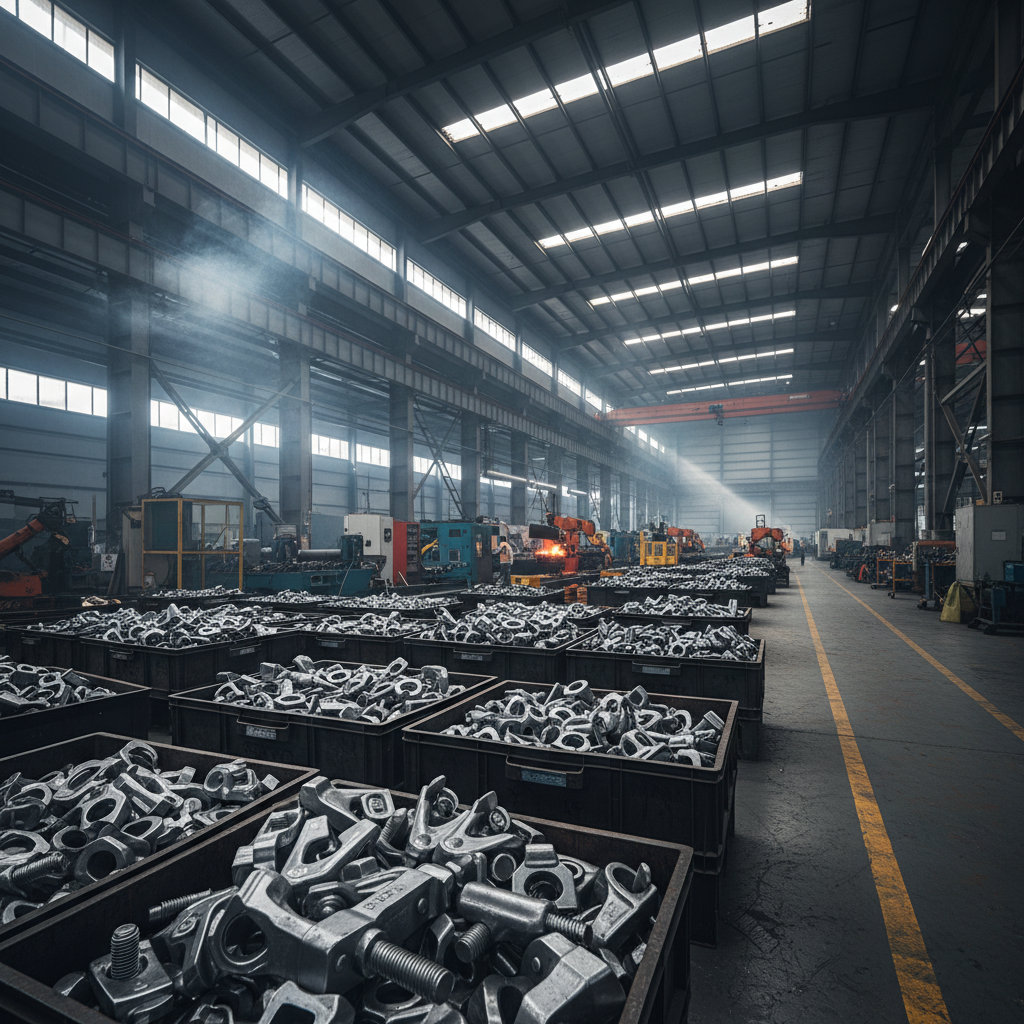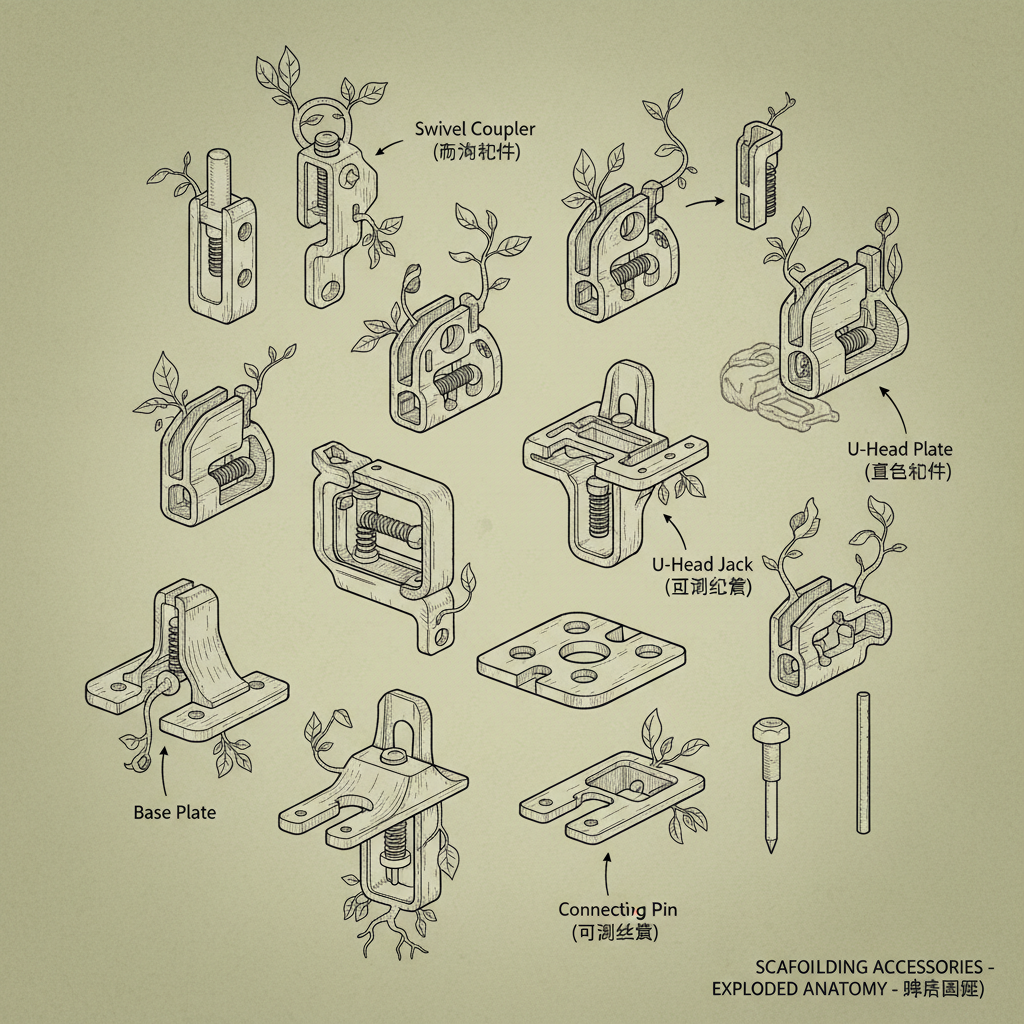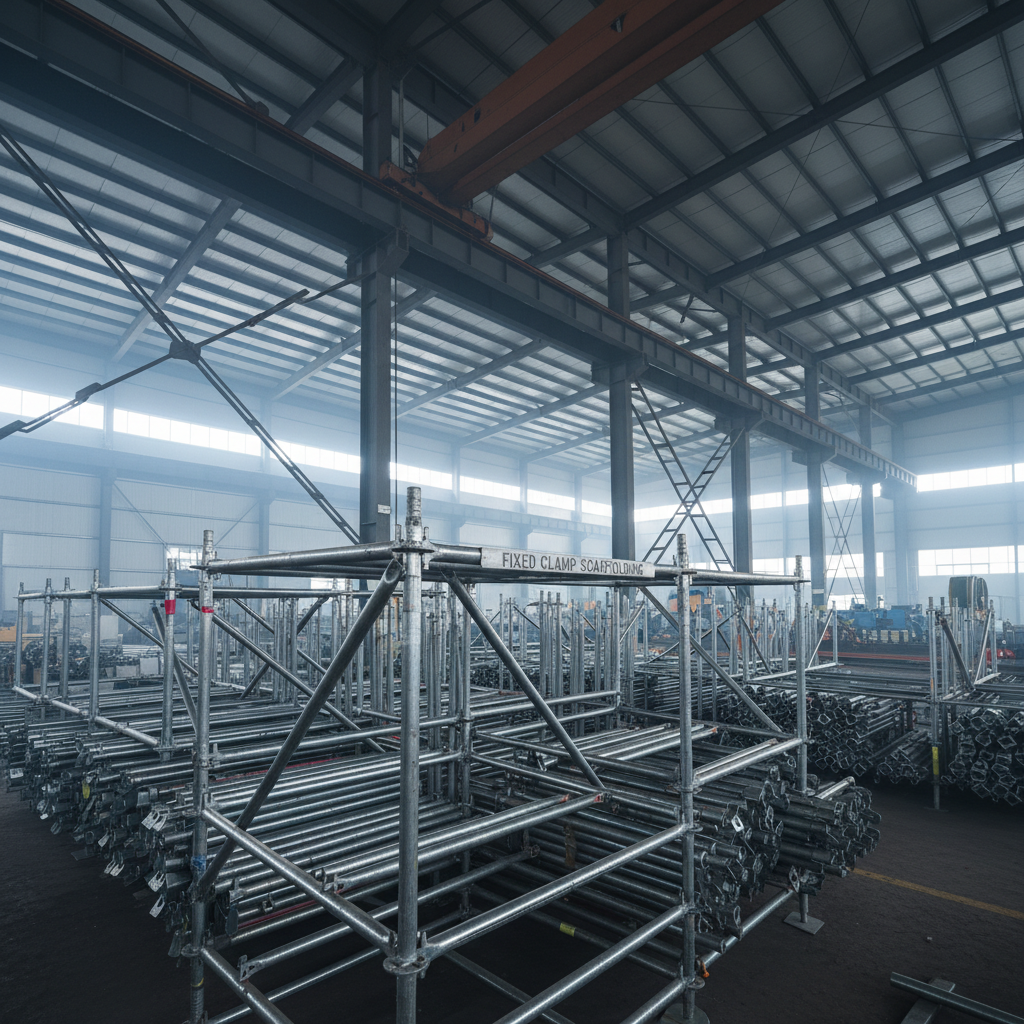
Honestly, you wouldn't believe how much the scaffolding accessory game has changed in the last year. Everyone's talking about modularity now, right? Everything needs to click together, disassemble easy. They want less time screwing around on-site and more time actually building. It's a good thing, don't get me wrong, but it adds a whole new level of complexity. You think you've solved one problem, then another pops up.
The biggest headache I see? People over-engineer the connections. They get so focused on strength ratings and safety factors they forget about the poor guy who actually has to use it. Have you noticed how many designs just ignore basic ergonomics? I encountered this at a factory in Zhejiang last time – beautiful piece of kit, all stainless steel and complex locking mechanisms… but it took three guys and a rubber mallet to get it apart.
And the materials… it's not just steel anymore. You've got your high-strength aluminum alloys, obviously, for lighter loads. But there's been a big push for composites – fiberglass reinforced polymers. Feels… different. Kind of smooth, almost plastic-y. Smells like resin when you cut it, even with the ventilation. They're strong, no doubt, but you gotta be careful with UV exposure. It gets brittle if you leave it in the sun too long. You gotta teach the guys how to inspect it, check for discoloration.
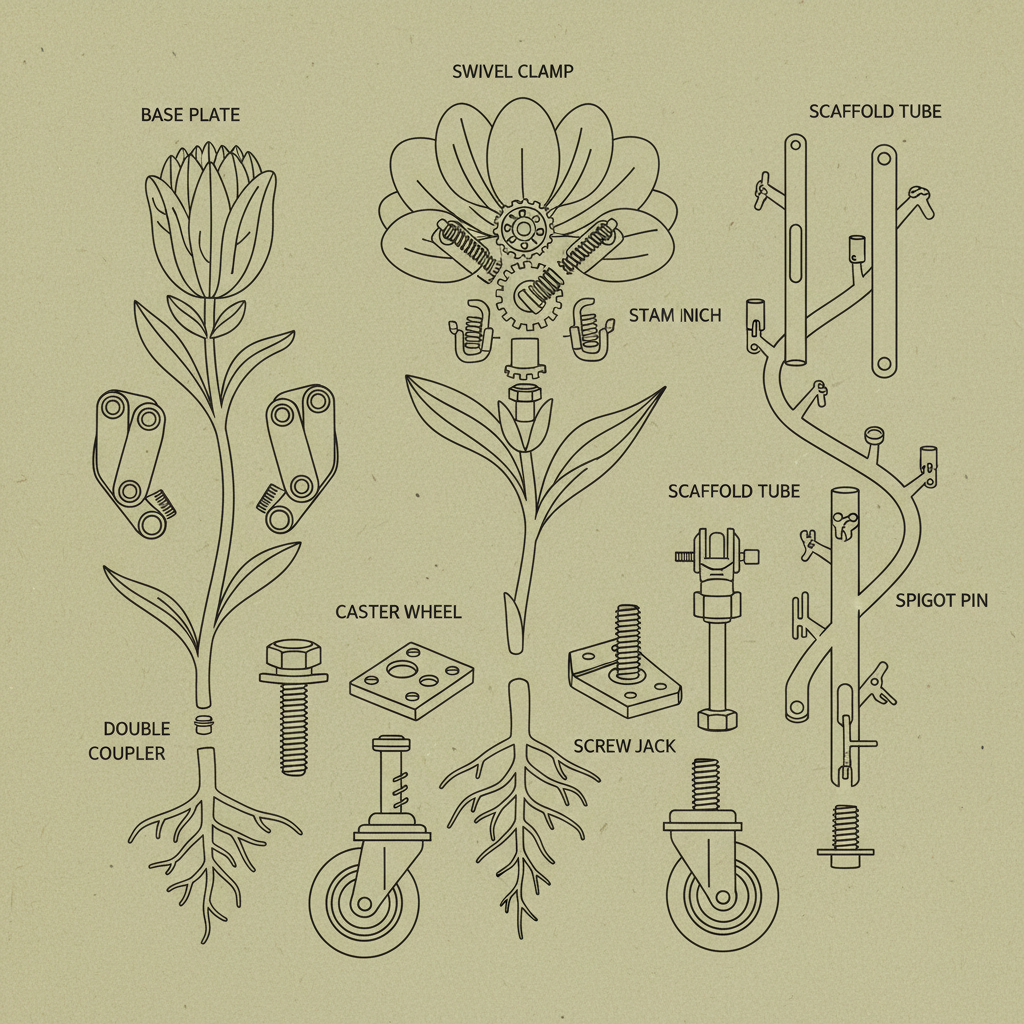
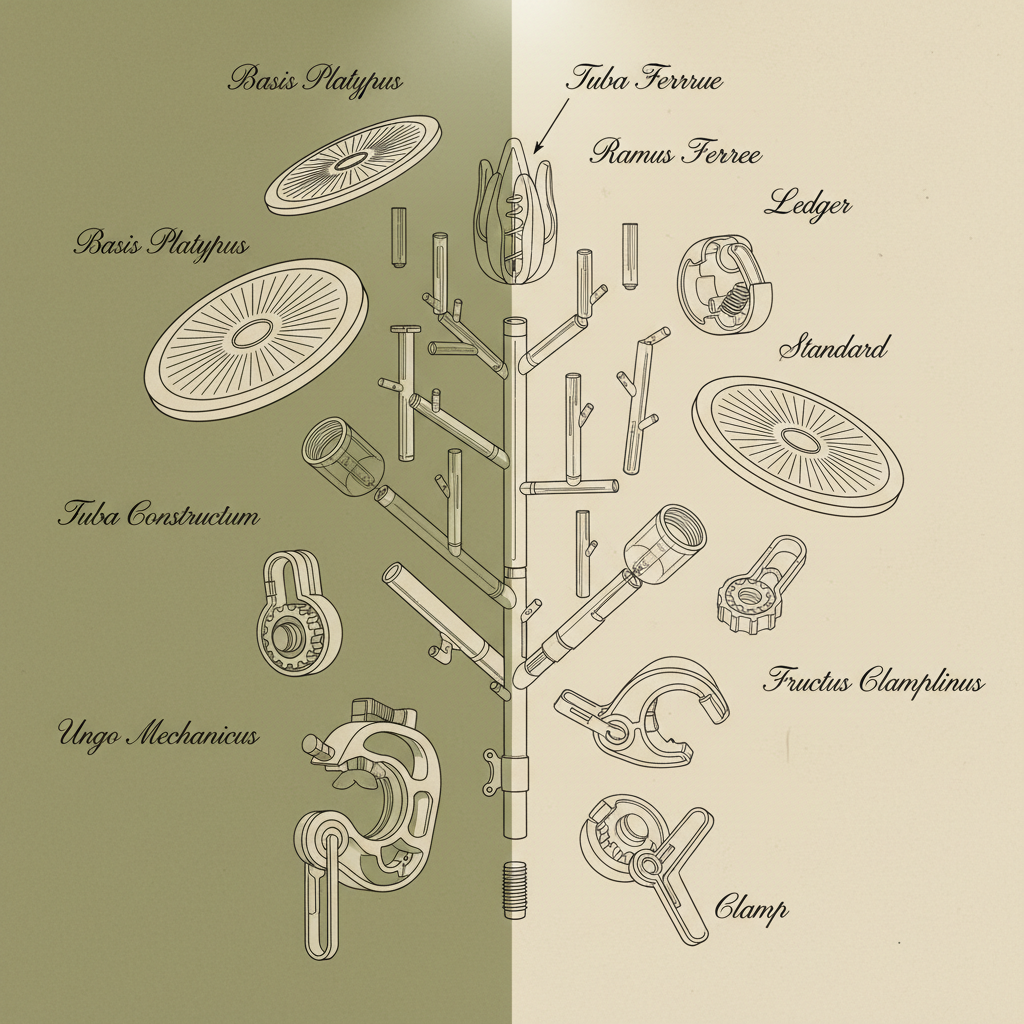
Strangely enough, a lot of the innovation isn’t coming from the big scaffolding companies. It's the smaller accessory manufacturers, the guys making the clamps, the brackets, the safety nets… they're the ones responding to what the workers actually need. They’re the ones listening to the complaints on-site. And right now, the demand is for lighter, faster, and more adaptable systems. The whole industry is leaning into prefabrication and modular construction.
I think the biggest shift is the move away from purely steel-based solutions. Steel’s great, reliable, but heavy. Everything’s getting a bit smarter, and that means trying to shave off every possible kilogram.
In harsh marine environments, composite scaffolding accessories generally have a lifespan of 5-7 years, but this can vary significantly based on the specific resin used, UV exposure, and frequency of maintenance. Regular inspection for delamination and cracking is crucial. Protective coatings can extend the lifespan, but require consistent reapplication. They aren’t a perfect solution but are lightweight and cost effective where corrosion is a major concern.
The longevity of steel scaffolding components hinges largely on the galvanizing process. Standard hot-dip galvanizing offers robust protection, lasting 20+ years. However, duplex systems (galvanizing plus powder coating) offer superior corrosion resistance, particularly in aggressive environments. Electrogalvanizing provides a thinner coating and is less durable. The key is consistent inspection for zinc erosion and prompt touch-ups.
Currently, standards for impact resistance of plastic scaffolding accessories are evolving. ASTM D256 is used for determining impact strength, but it doesn't always accurately reflect real-world scenarios. There's growing pressure to develop more specific tests that simulate jobsite impacts – dropping tools, accidental bumps, etc. We're actively involved in working groups pushing for these updates.
For high-altitude work, aluminum is favored for its lighter weight, reducing worker fatigue. However, steel provides superior structural rigidity and load-bearing capacity. Aluminum’s conductivity can be a concern near power lines. Cost is also a factor – steel is generally cheaper upfront, but aluminum requires less maintenance. A thorough risk assessment, considering wind loads and work duration, is vital.
Compatibility is a huge headache. Look for accessories that adhere to recognized standards like EN 12811. However, even with standards, variations exist. Always prioritize accessories from reputable manufacturers with documented compatibility data. A visual inspection and testing of connections before use is non-negotiable. You might need to carry adapters or limit the mixing of components.
Regular cleaning to remove dirt and debris is paramount. Inspect components for corrosion, cracks, and wear. Lubricate moving parts frequently. Store accessories properly when not in use – sheltered from the elements. Replace damaged or worn parts immediately. Keep detailed maintenance logs. It sounds basic, but it makes a huge difference.
So, where does all this leave us? We've seen how the scaffolding accessory market is evolving, driven by demands for safety, efficiency, and lighter weight materials. It’s a complicated world, full of trade-offs and hidden pitfalls. There’s a lot of talk about innovation, but at the end of the day, the real measure of success is how these accessories perform on the jobsite.
Ultimately, whether this thing works or not, the worker will know the moment he tightens the screw. That’s why we need to keep listening to them, keep testing, and keep striving for better. If you’re looking for reliable scaffolding accessories, built to withstand the rigors of real-world construction, visit our website.