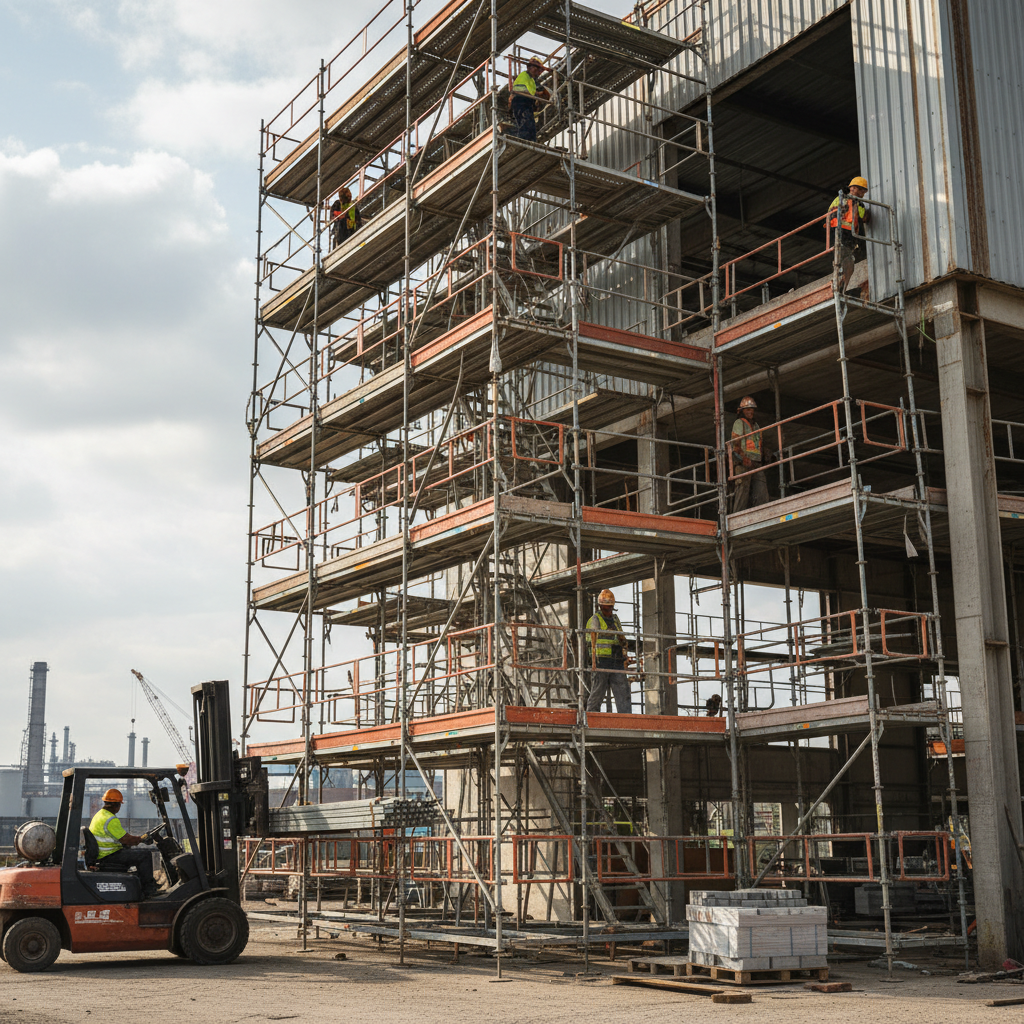
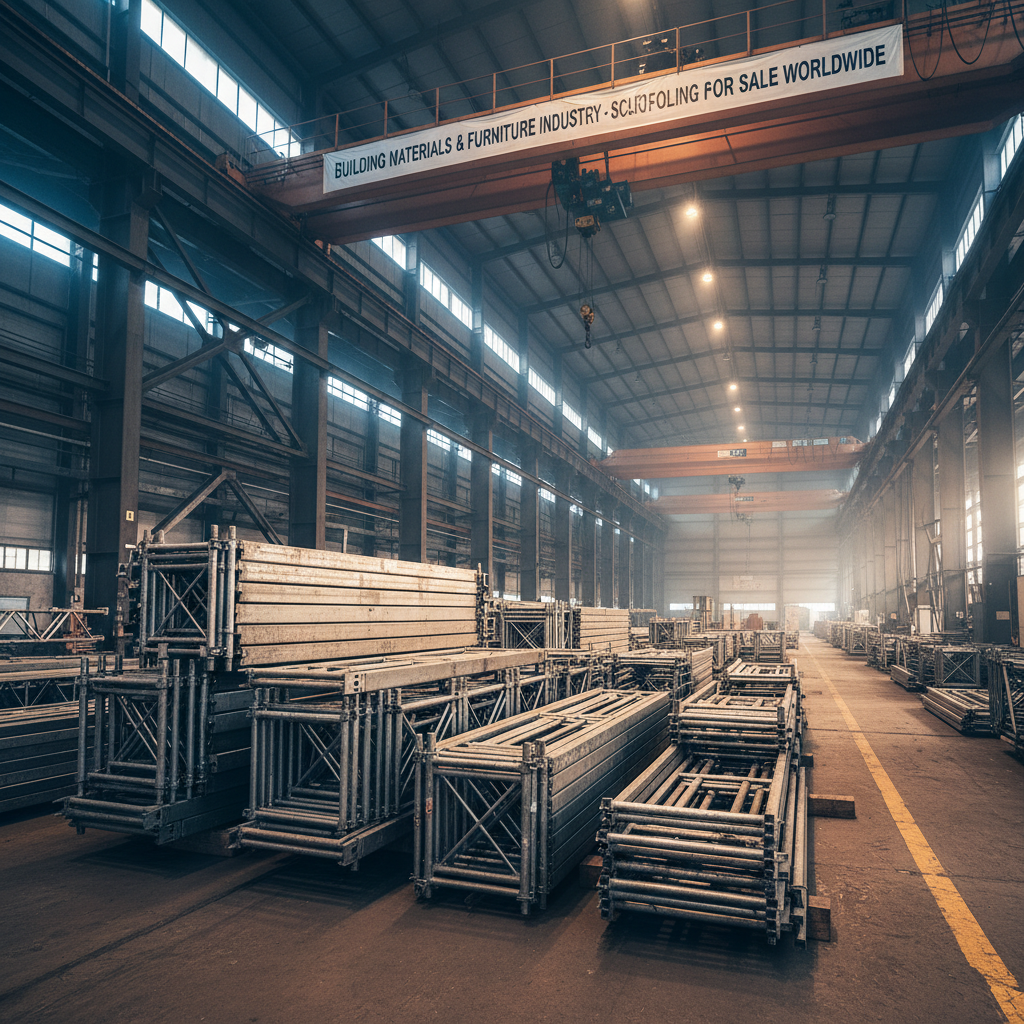
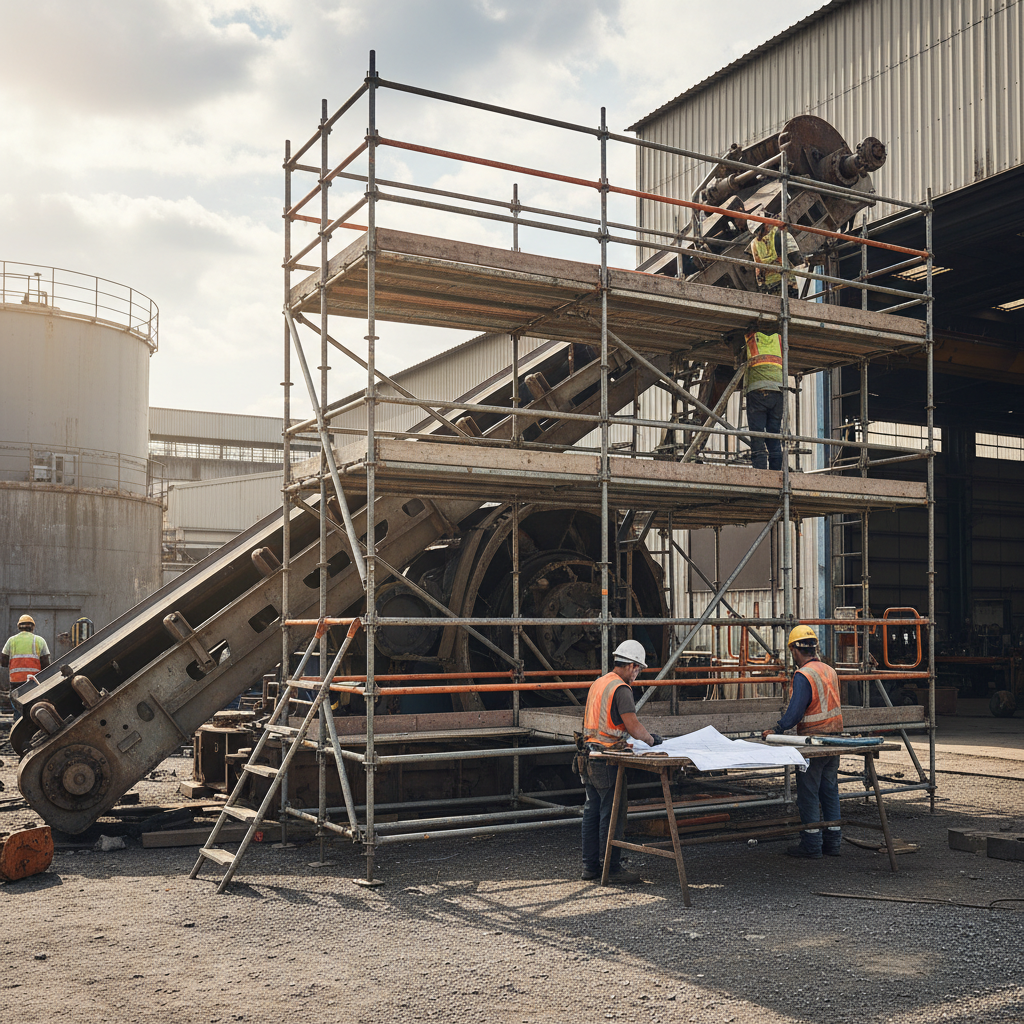
Scaffold base plates are fundamental components in the construction industry, ensuring the stability and safety of scaffolding structures used for a wide array of projects. Their reliable performance is crucial for maintaining worker safety and project efficiency, particularly in demanding environments. The global demand for these plates is steadily increasing, driven by rapid urbanization, infrastructure development, and a growing focus on workplace safety regulations. Investing in high-quality scaffold base plates for sale is therefore paramount for construction companies worldwide.
The significance of robust scaffold base plates extends beyond mere structural support. They play a critical role in load distribution, preventing ground settlement and ensuring the entire scaffolding system remains level and stable. This is especially important on uneven terrain or when dealing with heavy loads. The consistent demand for durable and dependable base plates has led to innovation in materials and designs, offering improved performance and longevity. The market for scaffold base plates is expanding due to this continued development.
Understanding the specifications and quality standards of scaffold base plates is essential for construction professionals. Choosing the right plate for the application, considering factors like load capacity, ground conditions, and regulatory compliance, can significantly impact project success and, most importantly, the safety of workers. With a growing emphasis on sustainable construction practices, manufacturers are increasingly focusing on producing eco-friendly and recyclable base plates, contributing to a more responsible construction industry.
Introduction to Scaffold Base Plates
Scaffold base plates represent the foundational element of any safe and stable scaffolding system. They are specifically designed to transfer the load of the scaffolding and the workers, as well as any materials, to the ground. Without properly designed and implemented base plates, even the most meticulously erected scaffolding can become unstable and pose a significant safety hazard. This makes the selection of durable scaffold base plates for sale a top priority for construction companies.
The importance of these plates extends beyond simply preventing collapses. They also mitigate the risk of ground settlement, which can compromise the levelness of the scaffolding and create unsafe working conditions. Modern base plates are manufactured from high-strength materials and feature designs optimized for efficient load distribution. Careful consideration must be given to the ground conditions when selecting the appropriate base plate type.
Defining Scaffold Base Plates
A scaffold base plate is a structural component placed beneath the bottom of scaffolding legs to distribute the weight of the scaffolding, workers, and materials over a larger surface area. This prevents the legs from sinking into the ground, tipping over, or causing localized ground pressure that could lead to instability. They are typically made from steel or aluminum and are designed to withstand significant compressive forces. Scaffold base plates for sale come in various sizes and shapes, each suited to different load capacities and ground conditions.
The design of a base plate often includes a central hole for the scaffolding leg to pass through, as well as a wider base to maximize surface contact with the ground. Some base plates are also equipped with adjustable features, such as screw jacks, to allow for leveling on uneven terrain. Proper specification of base plates requires an understanding of the anticipated loads and the soil-bearing capacity of the ground.
In modern construction, scaffold base plates are an integral part of ensuring compliance with stringent safety regulations. Their use is mandated by organizations like OSHA and is essential for maintaining a safe working environment. Investing in certified and tested base plates demonstrates a commitment to worker safety and responsible construction practices.
Key Characteristics of High-Quality Plates
Durability is paramount when selecting scaffold base plates. Plates constructed from high-grade steel, with a protective coating to resist corrosion, are essential for long-term performance, especially in harsh weather conditions. A strong, robust plate can withstand repeated use and heavy loads without deformation or failure. Investing in scaffold base plates for sale crafted from premium materials offers significant long-term cost savings by reducing the need for frequent replacements.
Load capacity is another critical factor. Each base plate is designed to support a specific maximum load, and exceeding this limit can compromise the stability of the entire scaffolding structure. It's crucial to accurately calculate the anticipated load, including the weight of the scaffolding, workers, materials, and any wind loads, and select base plates with an appropriate safety margin.
Finally, compliance with industry standards and certifications is vital. Look for base plates that meet recognized safety standards, such as those set by OSHA or ISO. Certifications provide assurance that the plates have been tested and meet specific performance criteria. Regular inspection of base plates for signs of damage or wear is also essential for maintaining safety.
Global Applications and Industries Served
The applications for scaffold base plates are incredibly diverse, spanning numerous industries worldwide. Construction, obviously, is the largest consumer, utilizing them for building construction, renovation, and infrastructure projects. However, they are also extensively used in industrial maintenance, painting, and cleaning operations on bridges, power plants, and oil refineries.
The shipbuilding and aerospace industries also rely heavily on scaffolding systems supported by base plates for accessing and working on large structures. In post-disaster relief efforts, scaffolding is often deployed rapidly to provide temporary support and access for emergency repairs, making reliable scaffold base plates for sale essential for disaster response teams.
Geographically, the demand for scaffold base plates is particularly strong in rapidly developing economies in Asia, Africa, and South America, where large-scale infrastructure projects are underway. In remote industrial zones, where access is limited, the durability and reliability of base plates become even more critical.
Scaffold Base Plate Market Share by Application
The Advantages of Investing in Reliable Base Plates
Investing in high-quality scaffold base plates yields tangible benefits, starting with enhanced safety. A stable and secure scaffolding system drastically reduces the risk of accidents and injuries, protecting workers and minimizing potential liability for construction companies. This is an invaluable return on investment, far outweighing the initial cost of the plates.
Long-term cost savings are another significant advantage. Durable base plates require less frequent replacement, reducing maintenance costs and downtime. Furthermore, reliable plates contribute to increased project efficiency, as workers can operate safely and confidently without concerns about scaffolding instability.
Future Trends in Scaffold Base Plate Technology
The future of scaffold base plate technology is focused on innovation and sustainability. We are seeing a growing trend towards the use of lighter-weight materials, such as aluminum alloys and composite materials, to reduce handling weight and transportation costs. Digital integration is also emerging, with the development of smart base plates equipped with sensors to monitor load distribution and stability in real-time.
Furthermore, advancements in manufacturing processes are enabling the production of base plates with more complex geometries optimized for specific applications. The industry is also increasingly adopting circular economy principles, with a focus on designing base plates for disassembly and reuse, minimizing waste and promoting sustainability.
Challenges and Considerations When Purchasing
One of the primary challenges in purchasing scaffold base plates is ensuring quality and compliance with safety standards. Counterfeit or substandard plates can pose a serious risk to worker safety and project integrity. It's crucial to source plates from reputable suppliers who can provide certifications and testing data.
Another consideration is selecting the appropriate base plate type for the specific ground conditions and anticipated loads. Factors such as soil bearing capacity, slope, and potential for settlement must be carefully evaluated. Furthermore, proper storage and handling of base plates are essential to prevent damage and maintain their structural integrity.
Finally, staying informed about evolving safety regulations and industry best practices is paramount. Regular training for workers on the proper use and inspection of base plates is also crucial for minimizing risks.
Table Summarizing Key Considerations for Scaffold Base Plate Selection
| Load Capacity (kN) |
Material Type |
Ground Condition Suitability |
Certification Compliance |
| 20-30 |
Carbon Steel |
Firm, Level Ground |
OSHA, ISO 9001 |
| 30-40 |
High-Strength Steel |
Slightly Uneven Ground |
EN 12811-1 |
| 40-50 |
Aluminum Alloy |
Soft or Compacted Ground |
ANSI/ASSE A10.8 |
| 50-60 |
Forged Steel |
Sloping or Unstable Ground |
CSA A277.2 |
| 60-70 |
Stainless Steel |
Corrosive Environments |
CE Marked |
| 70+ |
Specialty Alloys |
Extreme Conditions |
Custom Certification |
FAQS
The lifespan of a scaffold base plate heavily depends on the material, usage frequency, and maintenance. High-quality steel plates, with regular cleaning and inspection, can last for 10-15 years or even longer. Aluminum alloy plates may have a slightly shorter lifespan due to their lower hardness, but still provide several years of reliable service. Corrosion protection is key to maximizing longevity.
Determining the correct load capacity involves calculating the total weight supported by the scaffolding, including the scaffolding itself, workers, materials, and potential wind loads. Consult a qualified structural engineer for complex projects or when unsure. Always select base plates with a safety factor exceeding the calculated load to account for unforeseen circumstances.
Visible signs of damage, such as cracks, dents, or significant corrosion, indicate the need for replacement. Deformed plates, or those with compromised structural integrity, should never be used. Regular inspections are crucial to identify these issues early on. Also, if a base plate consistently sinks into the ground despite proper installation, it may be nearing the end of its service life.
Yes, different ground conditions require different base plate designs. For firm, level ground, standard base plates are suitable. For soft or uneven ground, wider base plates or adjustable base plates with screw jacks are recommended. On sloping ground, specialized base plates designed to distribute the load evenly are essential to prevent tipping. Always assess the ground before installing scaffolding.
Look for certifications such as OSHA, ISO 9001, EN 12811-1, ANSI/ASSE A10.8, or CSA A277.2, depending on your location and industry standards. These certifications indicate that the base plates have been tested and meet specific performance and safety requirements. Verify the validity of the certifications with the issuing body.
Scaffold base plates should be inspected before each use, and regularly during prolonged use. Visual inspections should check for signs of damage, corrosion, or deformation. A more thorough inspection should be conducted by a competent person at least annually, or more frequently depending on the usage intensity and environmental conditions. Detailed records of inspections should be maintained.
Conclusion
In conclusion, scaffold base plates are not simply supporting components; they are foundational to safety, efficiency, and the overall success of construction and industrial projects. Selecting high-quality plates, understanding their load capacities, and adhering to proper inspection and maintenance procedures are paramount. Investing in reliable scaffold base plates for sale is a proactive step toward mitigating risks and ensuring a secure working environment.
As technology and construction practices evolve, the demand for innovative and sustainable base plate solutions will continue to grow. Staying informed about emerging trends and embracing best practices will be essential for professionals in the industry. For top-quality scaffold base plates and expert guidance, visit our website at www.wrkformwork.com.