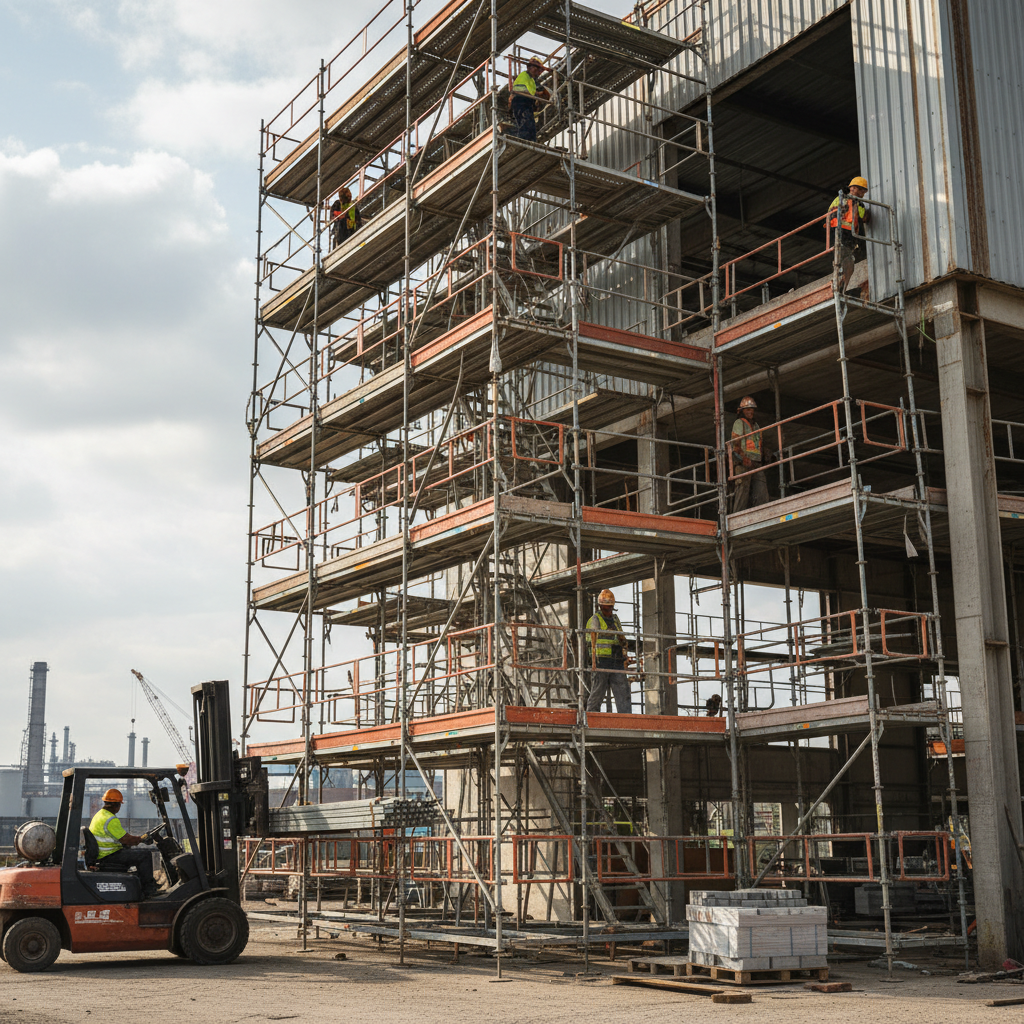
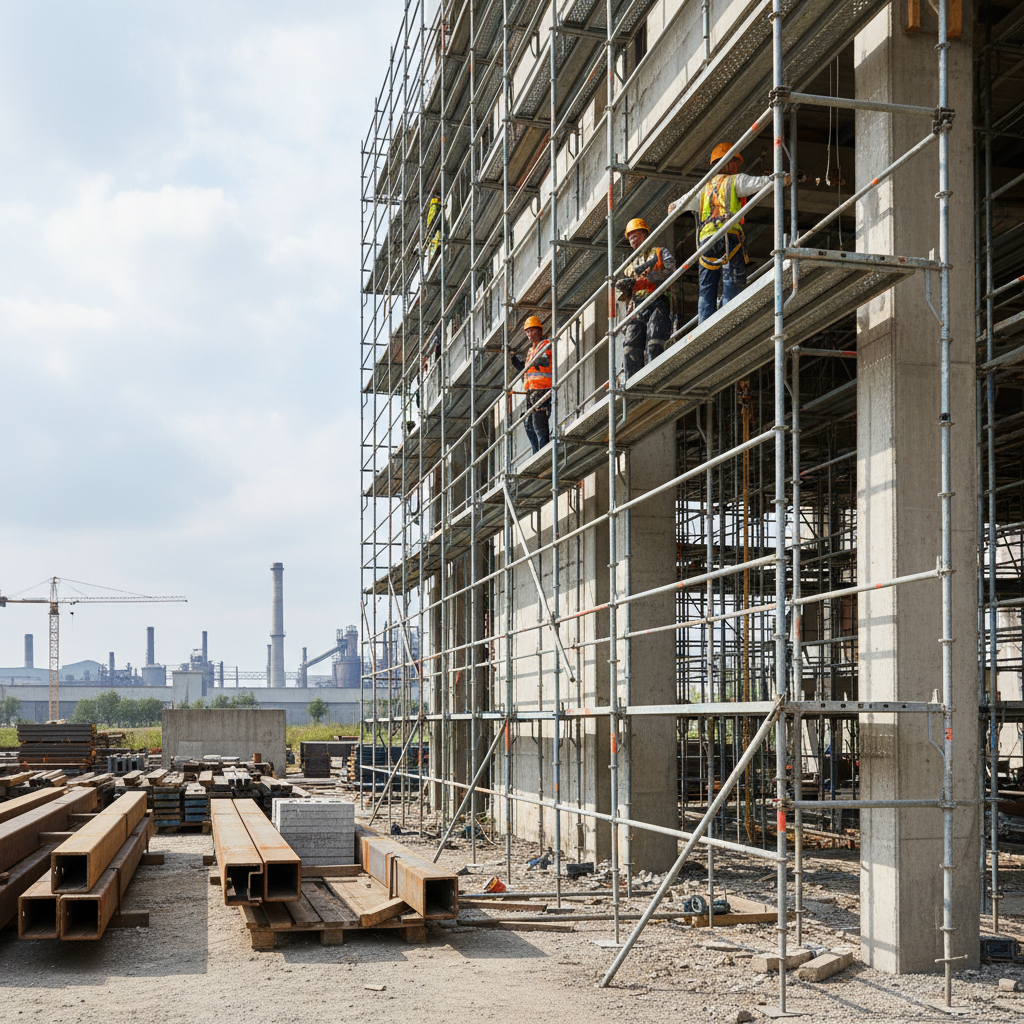
In the fast-paced world of modern construction and industrial maintenance, the demand for reliable temporary support structures has never been higher. metal frame scaffolding serves as the backbone for countless vertical projects, providing the necessary stability and accessibility that allow workers to operate safely at height. By integrating high-strength steel and precision engineering, these systems ensure that complex architectural goals are met without compromising on safety or efficiency.
From a global perspective, the shift toward modular metal components has revolutionized how we approach infrastructure development. The versatility of metal frame scaffolding allows for rapid deployment in diverse environments, whether it is a high-rise urban development in Asia or a remote industrial plant in North America. This adaptability is crucial for reducing project timelines and minimizing the operational risks associated with manual structural assembly.
Understanding the technical nuances and the strategic application of these systems is essential for project managers and engineers alike. By focusing on quality materials—such as those found in high-grade scaffolding accessories and formwork components—companies can achieve a balance between cost-effectiveness and uncompromising structural integrity. This guide explores the comprehensive utility of metal frame scaffolding, from its core components to its future innovations in a sustainable building landscape.
Global Relevance of Metal Frame Scaffolding
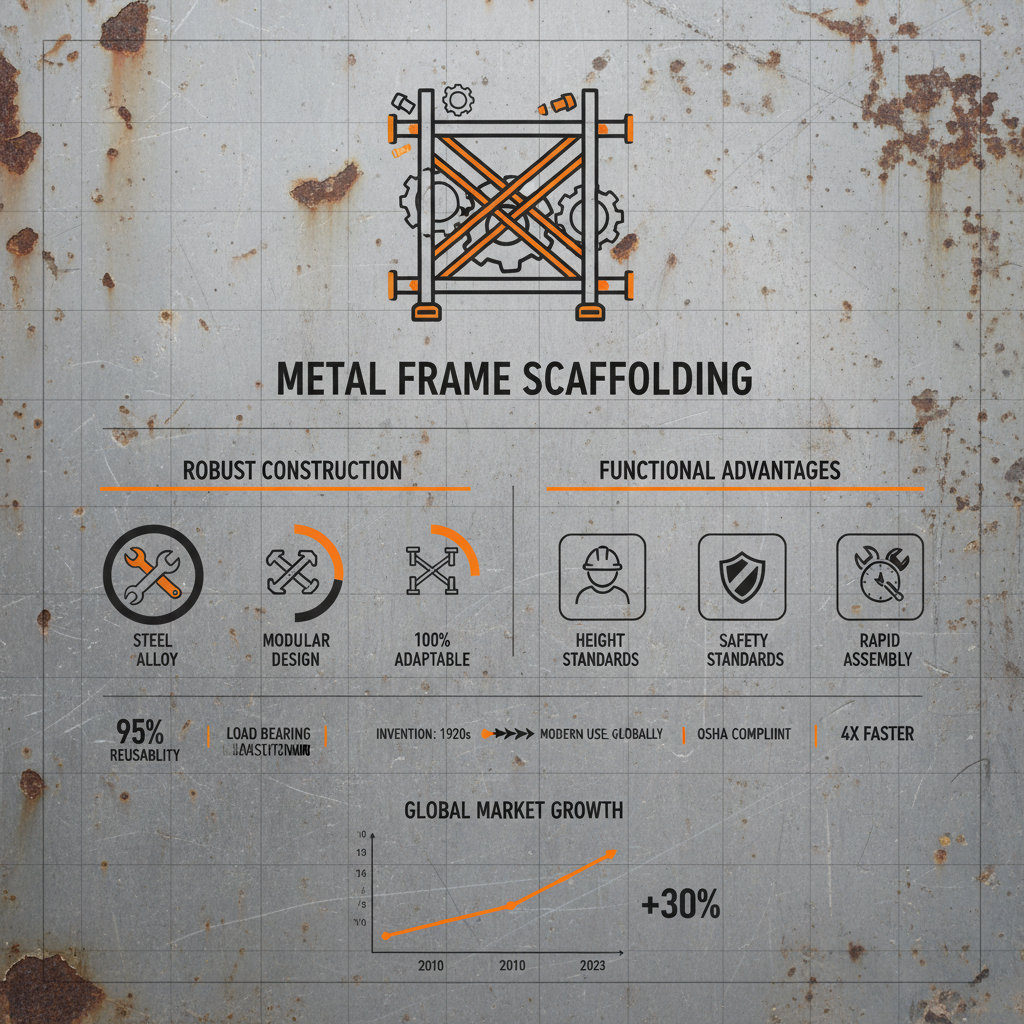
The global construction market has seen an unprecedented surge in vertical urbanization, making metal frame scaffolding an indispensable asset. According to industry trends aligned with ISO safety standards, the implementation of standardized metal frames has reduced onsite accidents by providing predictable load-bearing capacities and secure working platforms. As emerging economies expand their infrastructure, the reliance on scalable and durable metal systems has become a benchmark for industrial growth.
Moreover, the geopolitical push for rapid housing and industrialization has highlighted the necessity of modular systems. The ability to transport, assemble, and disassemble metal frame scaffolding quickly allows for a highly fluid workforce, reducing the dormant time between different phases of construction. This global demand is further fueled by the need for structures that can withstand extreme weather conditions while maintaining strict adherence to international safety codes.
Technical Definition and Core Concepts
At its core, metal frame scaffolding is a temporary structure composed of prefabricated steel or aluminum frames, cross-braces, and platforms. Unlike traditional tube-and-clamp systems, frame scaffolding is designed for rapid erection, utilizing a "modular" approach where frames are stacked and locked into place. This system creates a rigid skeletal structure capable of supporting both the weight of the materials and the personnel operating on the decks.
In the context of modern metal fabrication, these frames are often produced using high-precision welding and galvanization processes to prevent corrosion. This ensures that the equipment can be reused across multiple projects, shifting the financial model from a consumable expense to a long-term capital investment. The integration of components like adjustable jack bases and high-strength couplers further enhances the system's ability to adapt to uneven terrain.
Beyond simple construction, these systems play a vital role in humanitarian needs, such as the rapid assembly of emergency shelters or the restoration of critical infrastructure in disaster-hit zones. The simplicity of the "frame" concept means that less specialized labor is required for basic assembly, allowing for faster response times in critical situations where every hour of stability counts.
Key Factors Driving Structural Stability
The primary driver of performance in metal frame scaffolding is the quality of the metallurgical composition. High-grade steel provides the necessary tensile strength to resist buckling under heavy loads, while the geometric design of the frame distributes weight evenly across the vertical supports. This structural synergy is what allows for the safe stacking of multiple tiers.
Scalability is another critical factor; the ability to expand a system horizontally and vertically without losing equilibrium is paramount. By utilizing precision-engineered connectors and lock-pins, metal frame scaffolding can be tailored to the specific dimensions of a building, ensuring that there are no gaps in accessibility for the workforce.
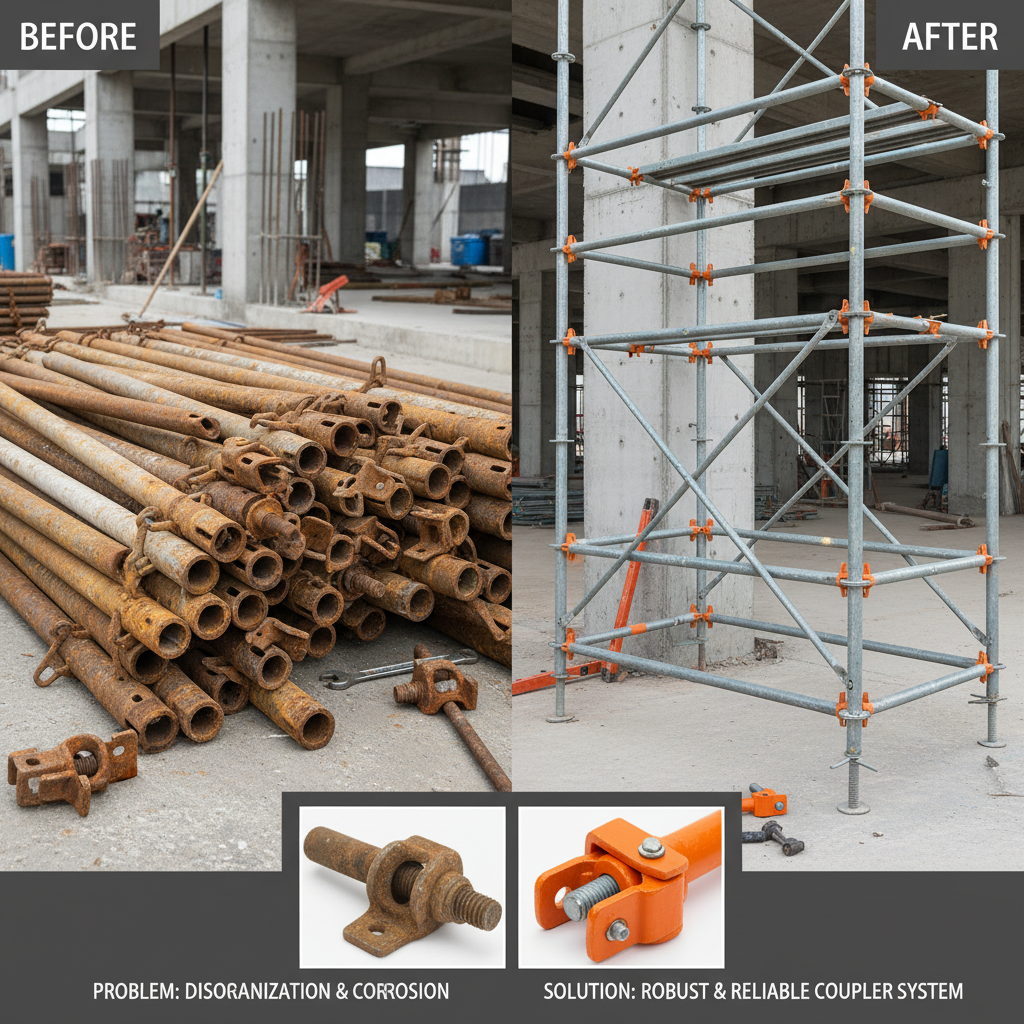
Finally, durability is ensured through advanced surface treatments. Hot-dip galvanization protects the metal from oxidation, which is particularly important in coastal environments or high-humidity regions. When combined with rigorous load-testing protocols, these factors transform a simple metal frame into a high-performance engineering tool that guarantees onsite safety.
Global Applications and Practical Use Cases
The application of metal frame scaffolding spans across various sectors, from civil engineering to industrial maintenance. In large-scale urban projects, such as the development of skyscrapers in Dubai or Singapore, these frames are used for facade installation and exterior painting. Their ability to provide a stable, wide platform makes them superior to ladders or simple lifts for tasks requiring significant material movement.
In remote industrial zones, such as oil rigs or mining sites, the modularity of the system is its greatest asset. Engineers can transport pre-fabricated frames to locations with limited road access and assemble them quickly. Furthermore, in post-disaster relief operations, metal frames are often used to create temporary walkways and support structures to facilitate the safe demolition of unstable ruins and the reconstruction of vital community hubs.
Performance Comparison of Scaffolding Systems
Long-Term Value and Economic Advantages
Investing in high-quality metal frame scaffolding offers significant long-term financial benefits. Unlike wooden scaffolding, which degrades quickly and requires frequent replacement, steel frames can last for decades if maintained correctly. This sustainability reduces the overall cost per project and minimizes the environmental impact by reducing timber consumption and waste generation in the construction cycle.
Beyond the direct costs, the logical angle of "safety as an investment" cannot be overlooked. By providing a secure environment, companies reduce the likelihood of costly workplace injuries and insurance premiums. The psychological peace of mind given to the workers—knowing they are standing on a precision-engineered metal platform—increases productivity and trust, which ultimately translates into faster project completion and higher client satisfaction.
Future Trends in Scaffolding Innovation
The future of metal frame scaffolding is leaning heavily toward the integration of "Smart Construction" technologies. We are seeing the emergence of sensors embedded within the frames to monitor real-time load stress and wind impact. These IoT-enabled systems can alert site managers to potential instabilities before they become hazards, shifting the safety paradigm from reactive to proactive.
Material science is also evolving, with the development of ultra-lightweight, high-strength alloys that maintain the rigidity of steel but offer the portability of aluminum. These new materials are designed to be carbon-neutral in their production process, aligning with the global push toward green energy and sustainable building practices. The goal is to create a "circular" scaffolding economy where materials are infinitely recyclable.
Furthermore, automation is beginning to touch the assembly process. While manual labor remains dominant, the development of robotic assistance for the heavy lifting of metal frames is reducing worker fatigue and speeding up the setup of complex grids. This digital transformation ensures that the industry remains efficient while adapting to a shrinking skilled labor pool in many developed nations.
Challenges and Expert Solutions
One of the primary challenges in the use of metal frame scaffolding is the risk of corrosion in aggressive environments, such as chemical plants or seaside construction. While galvanization helps, microscopic cracks in the coating can lead to structural weakness over time. The expert solution lies in the implementation of a rigorous inspection regime and the use of supplemental anti-corrosion sprays designed for industrial steel.
Another common limitation is the rigidity of the frame, which can make it difficult to fit around irregular architectural features. To overcome this, seasoned engineers often combine frame scaffolding with "tube and coupler" accessories. This hybrid approach allows for the speed of frame assembly in the main areas and the precision of custom tube fitting around corners, columns, and curved walls.
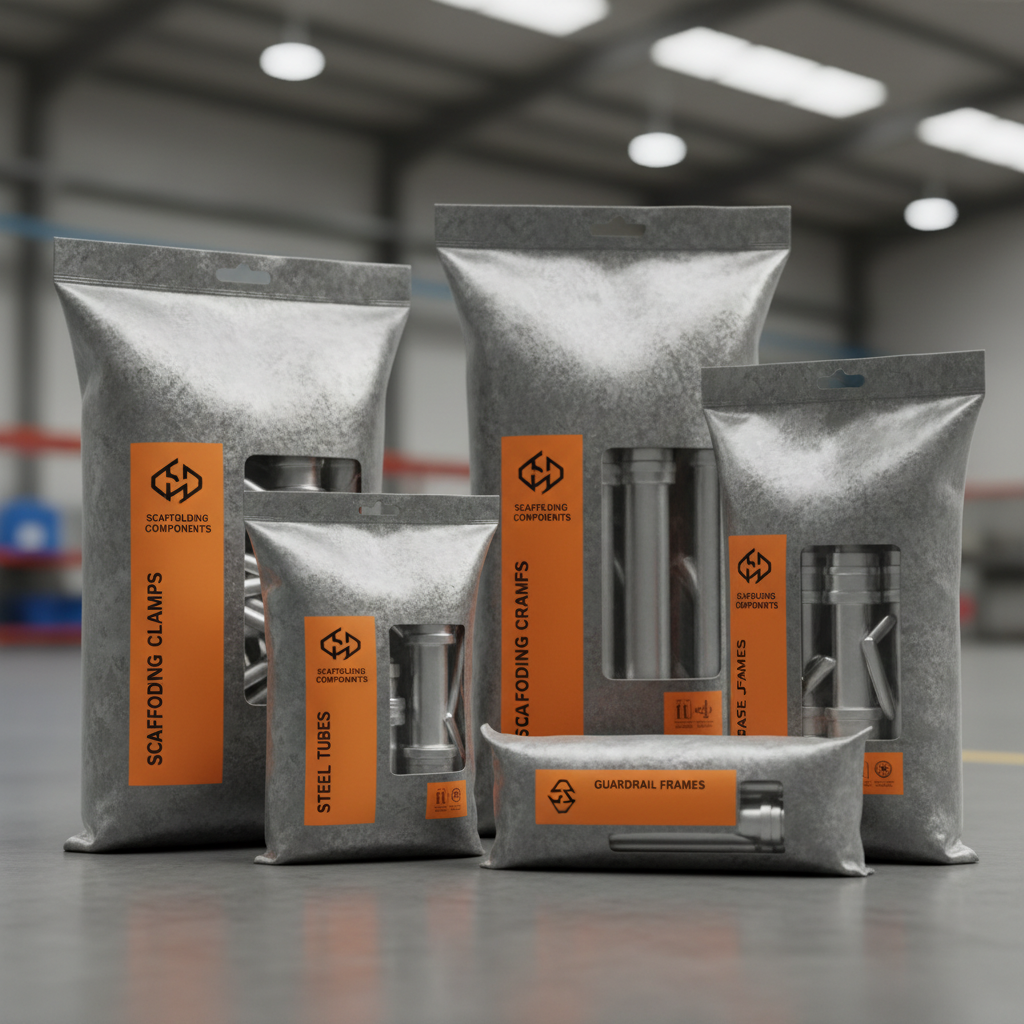
Lastly, the logistical burden of transporting heavy metal components can be a bottleneck. The solution is the adoption of standardized, stackable packaging and the use of localized distribution hubs. By optimizing the supply chain and ensuring that components like bolts, nuts, and pins are organized in modular kits, companies can drastically reduce the time wasted on onsite inventory management.
Core Analysis of Scaffolding Challenges and Solutions
| Challenge Dimension |
Risk Level |
Expert Solution |
Expected Outcome |
| Environmental Corrosion |
High |
Hot-Dip Galvanization + Epoxy Coating |
Extended Lifespan (20+ years) |
| Architectural Irregularity |
Medium |
Hybrid Frame-Tube Integration |
100% Site Coverage |
| Assembly Speed |
Low |
Pre-fabricated Modular Kits |
30% Reduction in Setup Time |
| Load Distribution |
High |
Adjustable Jack Base Implementation |
Zero-Tipping Stability |
| Logistical Costs |
Medium |
Intermodal Flat-Pack Transport |
Reduced Freight Expenses |
| Worker Safety |
Critical |
IoT Load Monitoring Sensors |
Real-time Hazard Alerts |
FAQS
Metal frame scaffolding offers far superior load-bearing capacity, durability, and safety. Unlike timber, steel and aluminum do not rot or warp, making them reusable across multiple projects. Additionally, the modular nature of metal frames allows for significantly faster assembly and disassembly, reducing labor costs and increasing the overall speed of construction while adhering to strict international safety standards.
Stability is achieved through three main methods: utilizing high-quality adjustable jack bases to level the structure on uneven ground, ensuring all cross-braces are locked securely to prevent swaying, and tying the scaffolding to the permanent structure of the building at regular intervals. Regular inspections by a certified safety officer are also essential to identify any loose pins or structural shifts.
While steel has a higher absolute tensile strength and is preferred for extremely heavy-duty industrial loads, aluminum scaffolding is engineered for a high strength-to-weight ratio. Aluminum is ideal for light-to-medium duty tasks where portability and rapid movement are required. For heavy masonry or structural support, steel is the industry standard; for painting, electrical work, or interior finishing, aluminum is often the more efficient choice.
The most effective prevention is the use of hot-dip galvanized steel, which creates a thick zinc coating that protects the underlying metal from salt-air corrosion. Additionally, applying industrial-grade epoxy coatings or utilizing aluminum alloys can mitigate rust risks. Regular maintenance, including cleaning salt deposits and touching up zinc-rich cold-galvanizing sprays on scratches, will further extend the equipment's life.
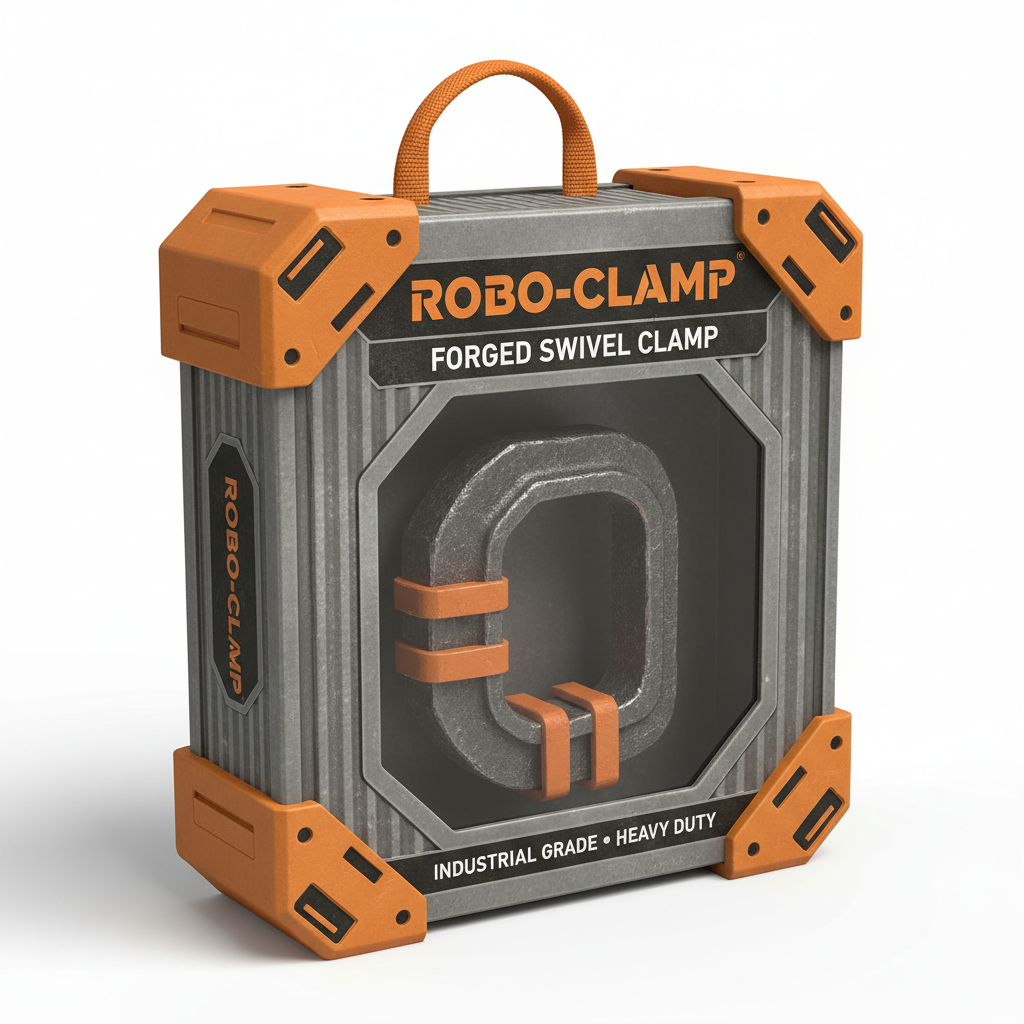
Yes, through a hybrid approach. While the main sections utilize standard frames for speed, "gap-filling" is done using scaffolding couplers, pipes, and adjustable clamps. This allows engineers to build a customized "bridge" or "bracket" to reach irregular corners or wrap around cylindrical structures, combining the efficiency of modular frames with the flexibility of a custom-built tube system.
With proper maintenance and storage, a high-quality galvanized steel frame system can last between 15 to 25 years. The lifespan depends heavily on the quality of the initial metal fabrication and the rigor of the maintenance schedule. Regularly checking for weld cracks, replacing worn-out pins, and ensuring the frames are stored off the ground in dry conditions will maximize the return on investment.
Conclusion
The strategic implementation of metal frame scaffolding is more than just a construction necessity; it is a critical component of operational safety and economic efficiency. By synthesizing high-strength materials with modular design and modern safety protocols, the industry has created a system that not only supports the physical weight of a building but also the ambitions of architectural innovation. From the use of adjustable jack bases to the adoption of IoT monitoring, every detail contributes to a more stable and productive worksite.
Looking forward, the integration of sustainable alloys and digital twin technology will likely redefine the scaffolding landscape, making it greener and safer than ever before. For firms looking to optimize their infrastructure projects, prioritizing quality over short-term cost will yield immense dividends in reliability and workforce trust. To explore our comprehensive range of scaffolding and formwork solutions, visit our website: www.wrkformwork.com