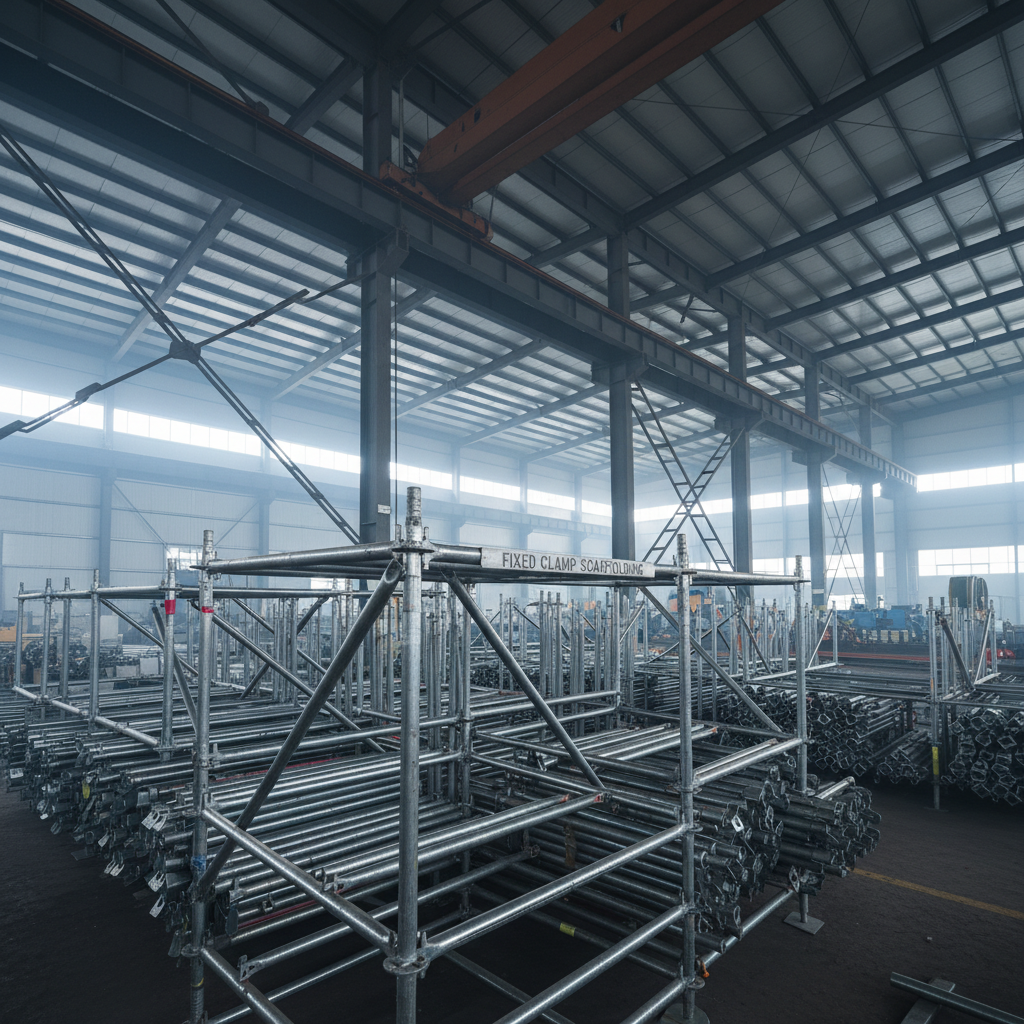
Scaffolding, a temporary structure used to support workers and materials during the construction, maintenance, and repair of buildings, bridges, and other structures, is a critical component of modern infrastructure development. The efficiency and safety of construction projects are heavily reliant on the quality and integrity of its main parts of scaffolding. Globally, the construction industry contributes significantly to economic growth, and scaffolding plays an integral role in this progress. Understanding the intricacies of scaffolding components is not just beneficial for industry professionals but also essential for ensuring worker safety and project success.
The demand for robust and reliable scaffolding systems is consistently high, driven by the continuous expansion of urbanization and infrastructure projects worldwide. According to data from the United Nations, global population growth is projected to reach nearly 10 billion by 2050, requiring substantial investment in housing, transportation, and public facilities. This necessitates increased utilization of scaffolding, placing a heightened emphasis on efficient design, manufacturing, and maintenance of its crucial elements. The quality of main parts of scaffolding directly influences project timelines and budget adherence.
However, scaffolding-related accidents remain a significant concern. The International Labour Organization (ILO) estimates that falls from height account for a substantial percentage of workplace fatalities and injuries. Improving the design, materials, and proper installation procedures of main parts of scaffolding is paramount to mitigating these risks and creating safer working environments for construction personnel.
Introduction to main parts of scaffolding
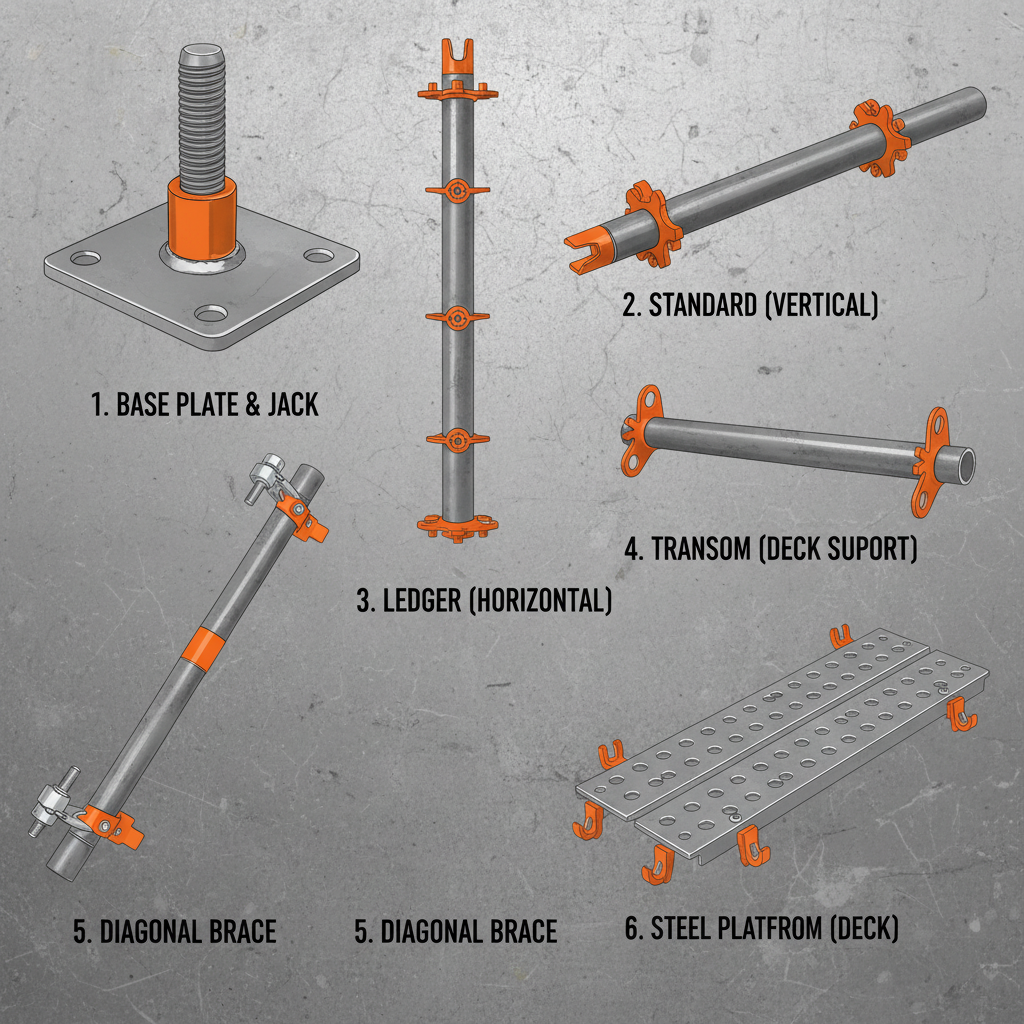
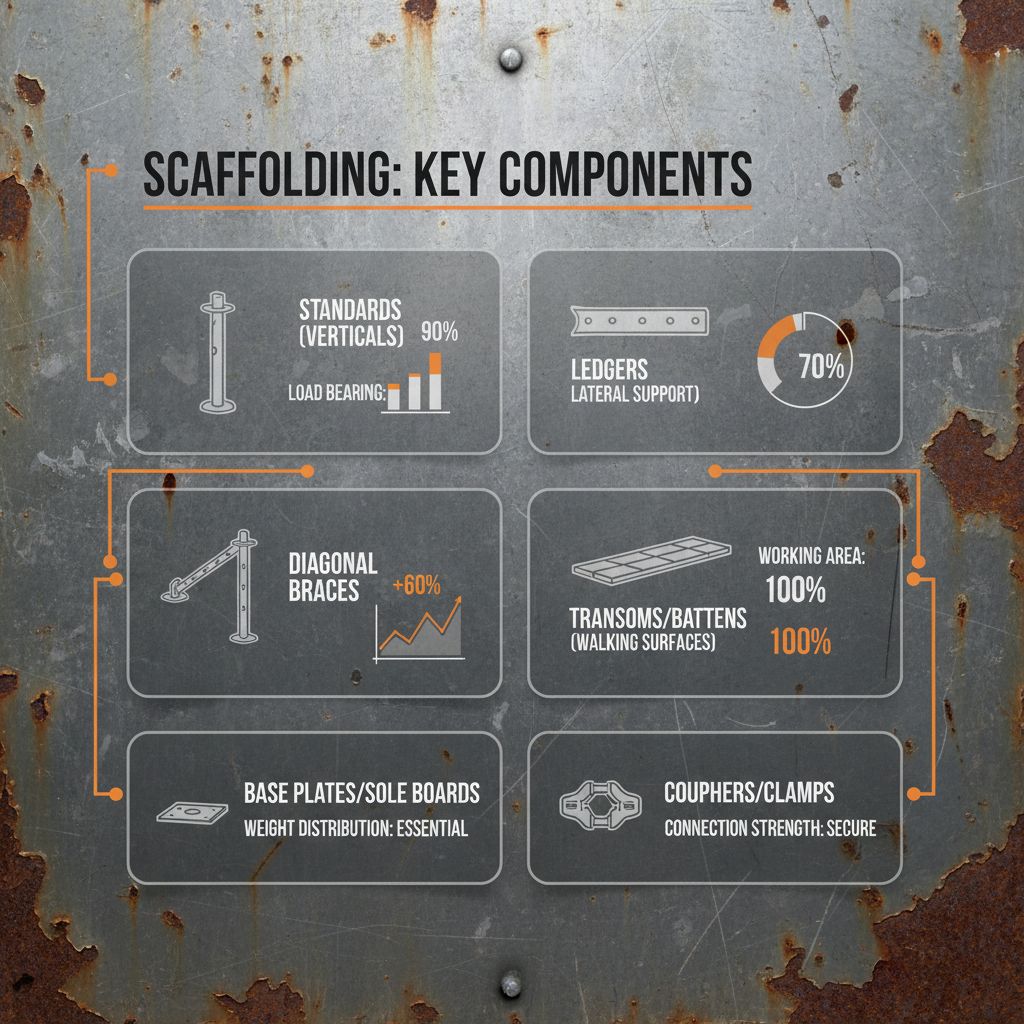
The term "main parts of scaffolding" encompasses a wide array of interconnected components, each serving a specific purpose in creating a safe and stable work platform. These parts range from the foundational base jacks and upright standards to the horizontal ledgers, diagonal bracing, and decking that forms the working surface. The proper selection, assembly, and inspection of these components are critical for preventing accidents and ensuring the structural integrity of the entire scaffolding system.
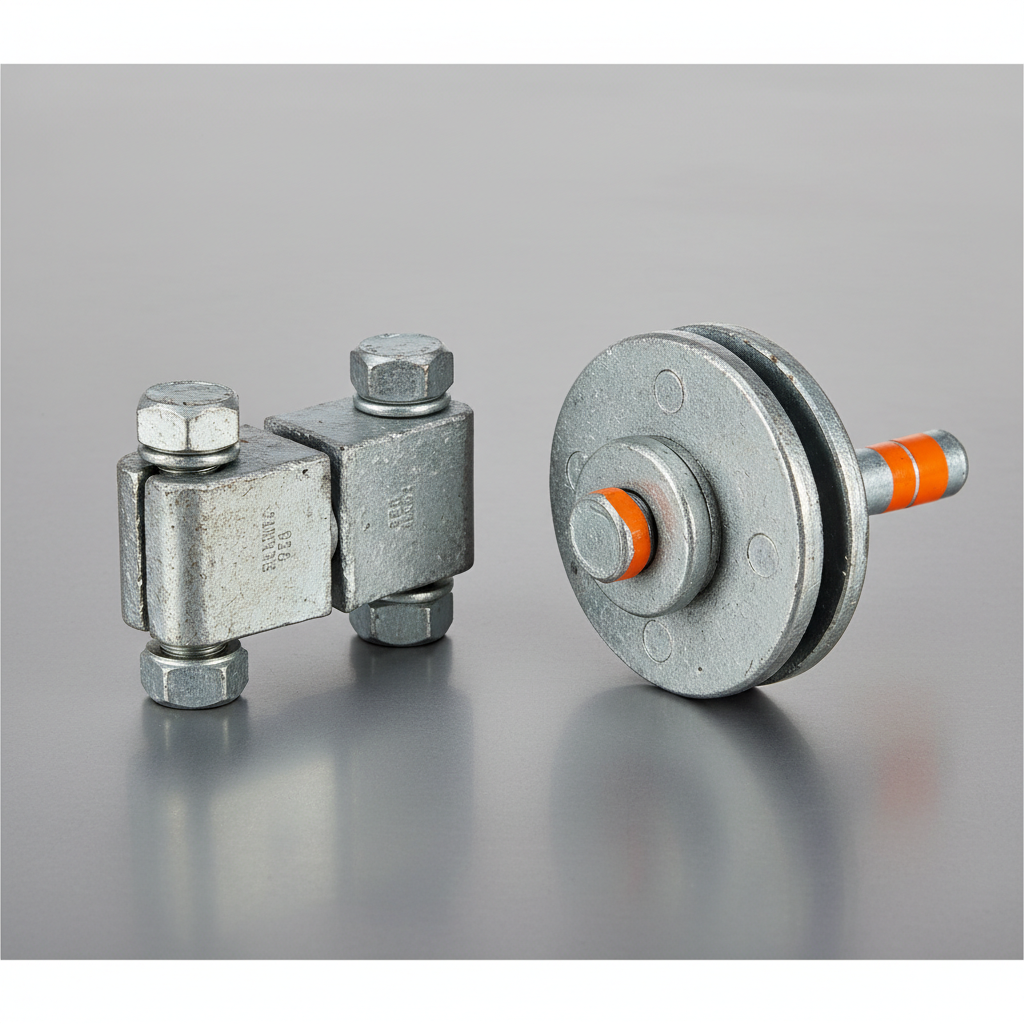
Understanding the function of each element – such as the critical role of coupling pins in connecting standards and ledgers, or the importance of guardrails for fall protection – is paramount for anyone involved in scaffolding erection, dismantling, or use. Different types of scaffolding systems, like system scaffolding, frame scaffolding, and tube and coupler scaffolding, utilize variations of these core components, tailored to specific project requirements.
Defining Scaffolding Components
In its simplest form, scaffolding can be defined as a temporary structure erected to support workers and materials during construction, maintenance, or repair activities. However, the “main parts of scaffolding” are anything but simple. They are engineered components designed to withstand substantial loads and environmental stresses. The core of any scaffolding system is its supporting structure – typically consisting of upright standards, base plates, and bracing elements.
These components work together to distribute weight evenly and provide a stable platform. Horizontal members, known as ledgers, connect the uprights, providing a level surface for the installation of decking boards. Diagonal bracing adds lateral stability, preventing sway and collapse. Safety features, such as guardrails, toe boards, and access ladders, are integral parts of a complete and safe scaffolding system.
The correct selection and application of these components are crucial, depending on factors such as the height and load requirements of the project, the ground conditions, and potential environmental hazards.
Core Elements of Scaffolding Structures
The durability of main parts of scaffolding is paramount, as these structures are exposed to harsh weather conditions, heavy loads, and constant use. Materials such as galvanized steel and aluminum are commonly used due to their resistance to corrosion and high strength-to-weight ratio. The design of the components themselves also contributes to their durability, with features such as reinforced welds and robust locking mechanisms.
Scalability is another key element. Modern scaffolding systems are designed to be easily adaptable to different project requirements. Modular components allow for flexible configuration and expansion, enabling the scaffolding to be tailored to the specific dimensions and complexities of the construction site. This adaptability is particularly important for large-scale projects with evolving needs.
Cost efficiency is a significant consideration when choosing scaffolding components. While initial investment is important, the total cost of ownership should also be factored in. Durable, high-quality main parts of scaffolding reduce the need for frequent repairs and replacements, ultimately lowering long-term expenses. Furthermore, efficient assembly and dismantling processes can save time and labor costs.
Global Applications and Industry Usage
The applications of main parts of scaffolding are incredibly diverse, spanning numerous industries. In the construction sector, scaffolding is indispensable for building skyscrapers, bridges, and residential homes. Beyond construction, scaffolding plays a crucial role in infrastructure maintenance, such as bridge inspections and repairs.
The oil and gas industry utilizes scaffolding for the construction and maintenance of refineries, pipelines, and offshore platforms. The entertainment industry relies on scaffolding for stage setups, lighting rigs, and camera platforms during concerts, festivals, and film shoots. In post-disaster relief operations, scaffolding provides temporary support for emergency shelters and facilitates rescue efforts.
From the bustling construction sites of megacities like Shanghai and New York to remote industrial zones in the Middle East, scaffolding is a ubiquitous presence. Countries with ambitious infrastructure development plans, such as India and Brazil, are major consumers of scaffolding components.
Component Usage in Typical Scaffolding Systems
Advantages and Long-Term Value of Quality Scaffolding
Investing in high-quality main parts of scaffolding delivers tangible benefits that extend far beyond the initial cost. Reduced maintenance requirements translate to lower operational expenses and minimized downtime. The enhanced safety features incorporated into well-designed scaffolding systems directly contribute to a decrease in workplace accidents, protecting workers and mitigating potential liability costs.
From a sustainability perspective, durable scaffolding components reduce the need for frequent replacements, minimizing waste and conserving resources. Choosing manufacturers committed to responsible sourcing and environmentally friendly production practices further enhances the long-term value. The reliability of a solid scaffolding system builds trust with clients and stakeholders, reinforcing a company's reputation for quality and safety.
Future Trends in Scaffolding Technology
The scaffolding industry is undergoing a period of rapid innovation, driven by advancements in materials science, digital technology, and automation. Lightweight composite materials, such as carbon fiber reinforced polymers, are emerging as alternatives to traditional steel and aluminum, offering increased strength and reduced weight.
Digital technologies, such as Building Information Modeling (BIM) and drone-based inspection systems, are being integrated into scaffolding design and maintenance processes, improving efficiency and accuracy. Automated scaffolding systems, utilizing robotic assembly and dismantling techniques, are poised to revolutionize the industry, increasing safety and reducing labor costs.
Challenges and Innovative Solutions
Despite advancements, the scaffolding industry faces ongoing challenges. Ensuring worker safety remains a top priority, requiring continuous improvements in training programs and safety protocols. Managing logistics and transportation of bulky scaffolding components can be complex and costly.
Innovative solutions, such as modular scaffolding systems designed for easy transport and assembly, are addressing these challenges. The development of smart scaffolding systems, equipped with sensors and real-time monitoring capabilities, provides valuable data for predictive maintenance and safety monitoring.
Addressing the shortage of skilled scaffolding professionals through enhanced training and certification programs is also crucial for ensuring the long-term sustainability of the industry.
Key Performance Indicators for Scaffolding Systems
| Safety Rating |
Assembly Time (Hours) |
Cost per Square Meter |
Material Durability (Years) |
| 9.2 |
4.5 |
$75 |
15 |
| 8.5 |
6.0 |
$60 |
10 |
| 7.8 |
5.2 |
$80 |
12 |
| 9.5 |
3.8 |
$90 |
18 |
| 8.0 |
7.0 |
$55 |
8 |
| 9.0 |
4.0 |
$70 |
14 |
FAQS
Safety is paramount. Always inspect all main parts of scaffolding for damage before use. Ensure the ground is level and stable, use appropriate fall protection equipment (guardrails, safety nets, harnesses), and follow manufacturer's instructions carefully. Never exceed the load capacity of the scaffolding and ensure proper bracing is in place. A qualified person should supervise assembly and dismantling.
Scaffolding should be inspected before each work shift and after any event that could compromise its integrity (e.g., severe weather). A comprehensive inspection should also be conducted by a qualified person at least every 7 days, or more frequently if required by regulations or site conditions. Thorough documentation of all inspections is essential.
The best type depends on the project. Frame scaffolding is ideal for general construction tasks. System scaffolding offers greater flexibility for complex structures. Tube and coupler scaffolding is suitable for irregular shapes and confined spaces. Suspended scaffolding is used for work at height on facades. Rolling scaffolding provides mobility for tasks requiring frequent repositioning.
Common causes include overloading, improper assembly, unstable ground conditions, inadequate bracing, missing or damaged components, and failure to follow safety regulations. Regular inspections, proper training, and adherence to manufacturer's guidelines are crucial for preventing collapses. Never modify scaffolding components without professional approval.
Wind, rain, and ice can significantly impact scaffolding stability. Strong winds require additional bracing or dismantling. Rain and ice can make surfaces slippery and increase the risk of falls. Ensure scaffolding is properly secured and protected from the elements. Work should be suspended during hazardous weather conditions.
Personnel involved in scaffolding erection, dismantling, inspection, and use must receive comprehensive training. This includes hazard recognition, safe work practices, proper use of tools and equipment, and understanding of relevant regulations. Certification programs are often available to demonstrate competency.
Conclusion
In conclusion, a thorough understanding of main parts of scaffolding is essential for ensuring safe, efficient, and cost-effective construction and maintenance projects globally. From the selection of durable materials to the implementation of rigorous safety protocols, every aspect of scaffolding design and use must be carefully considered. The ongoing advancements in scaffolding technology promise to further enhance safety and productivity in the years to come.
Investing in high-quality scaffolding components, prioritizing worker training, and embracing innovative solutions are crucial steps towards building a safer and more sustainable construction industry. We encourage you to explore our range of scaffolding products and services at www.wrkformwork.com to discover how we can help you meet your project needs.