H frame scaffolding safety is paramount in the construction industry, representing a critical element in ensuring worker well-being and project efficiency. The reliable performance of scaffolding directly impacts not only the safety of personnel but also the timely and cost-effective completion of construction projects. Understanding the principles of h frame scaffolding safety is not simply a matter of compliance, but a fundamental investment in a secure and productive work environment.
Globally, the demand for safe and efficient scaffolding solutions is ever-increasing, driven by rapid urbanization and infrastructure development. According to the International Labour Organization (ILO), construction remains one of the most hazardous industries worldwide, with falls from height being a leading cause of fatalities. Therefore, prioritizing h frame scaffolding safety isn’t just a best practice; it's a moral and legal imperative.
This commitment to safety translates into enhanced productivity, reduced project delays, and minimized legal liabilities. Investing in quality h frame scaffolding and adhering to strict safety protocols are cornerstones of responsible construction management, benefiting both employers and employees alike.
The Importance of h frame scaffolding safety
The very foundation of any construction project relies on the safe and secure working platforms provided by scaffolding. H frame scaffolding, known for its robustness and ease of assembly, demands a meticulous approach to safety. Neglecting even minor safety protocols can have devastating consequences, leading to injuries, project delays, and significant financial losses. Prioritizing h frame scaffolding safety is therefore non-negotiable.
Beyond the immediate risks to workers, a strong safety record positively impacts a company's reputation and attracts skilled labor. Demonstrating a commitment to h frame scaffolding safety reflects a broader culture of care and responsibility, fostering trust among stakeholders and ensuring long-term sustainability within the industry.
Understanding h frame Scaffolding Systems
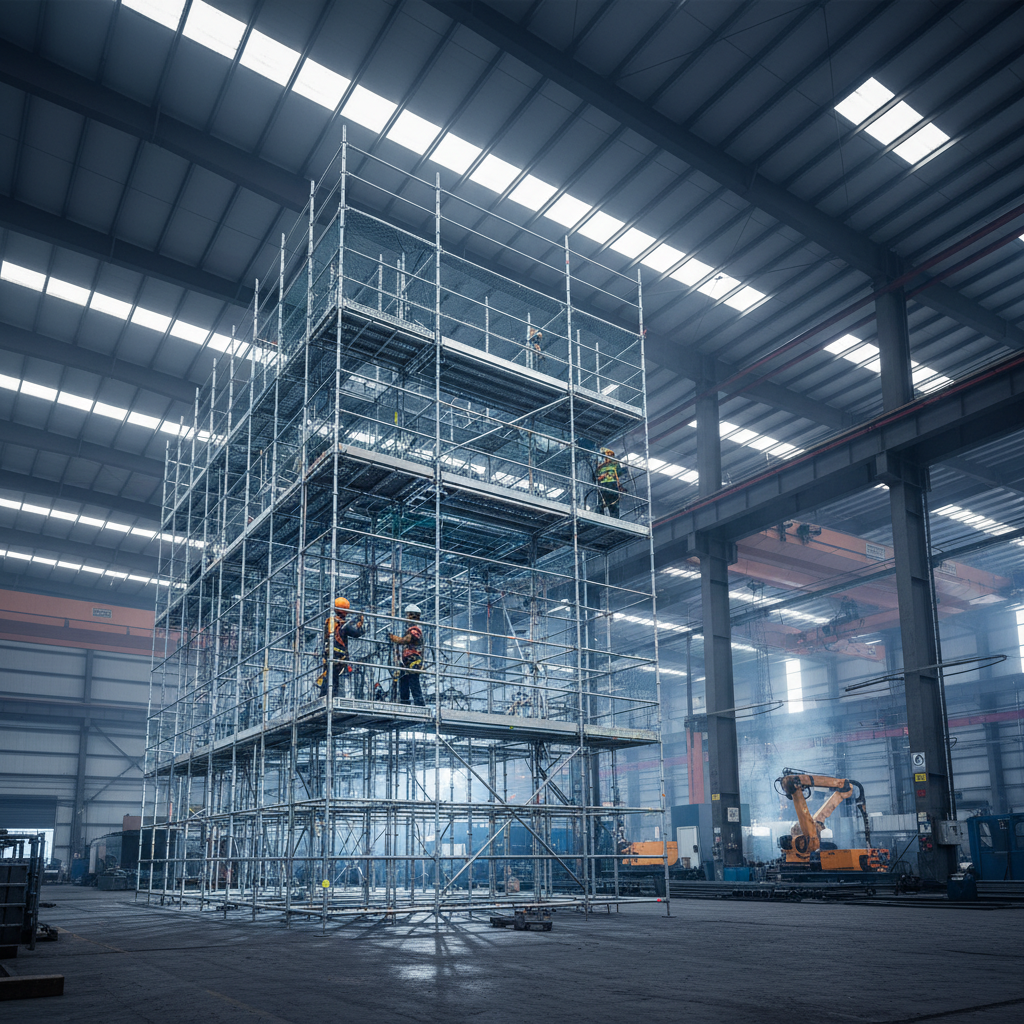
H frame scaffolding distinguishes itself through its self-supporting nature, relying on a robust frame structure composed of vertical uprights and horizontal crossbars. This design eliminates the need for extensive tying to adjacent structures, making it particularly well-suited for indoor applications or situations where structural access is limited. This also allows for easier and faster erection and dismantling compared to some other scaffolding types.
The modularity of h frame scaffolding is a key advantage. Components can be easily added or removed to adjust the scaffolding’s height and size, making it adaptable to a wide range of project requirements. This flexibility, combined with its inherent stability, makes it a popular choice for various construction and maintenance tasks.
However, understanding the load limitations and proper assembly procedures are crucial. Incorrect assembly or exceeding the maximum load capacity can compromise the integrity of the system, creating a dangerous working environment. Proper training and adherence to manufacturer guidelines are essential for ensuring h frame scaffolding safety.
Key Components of Safe h Frame Scaffolding
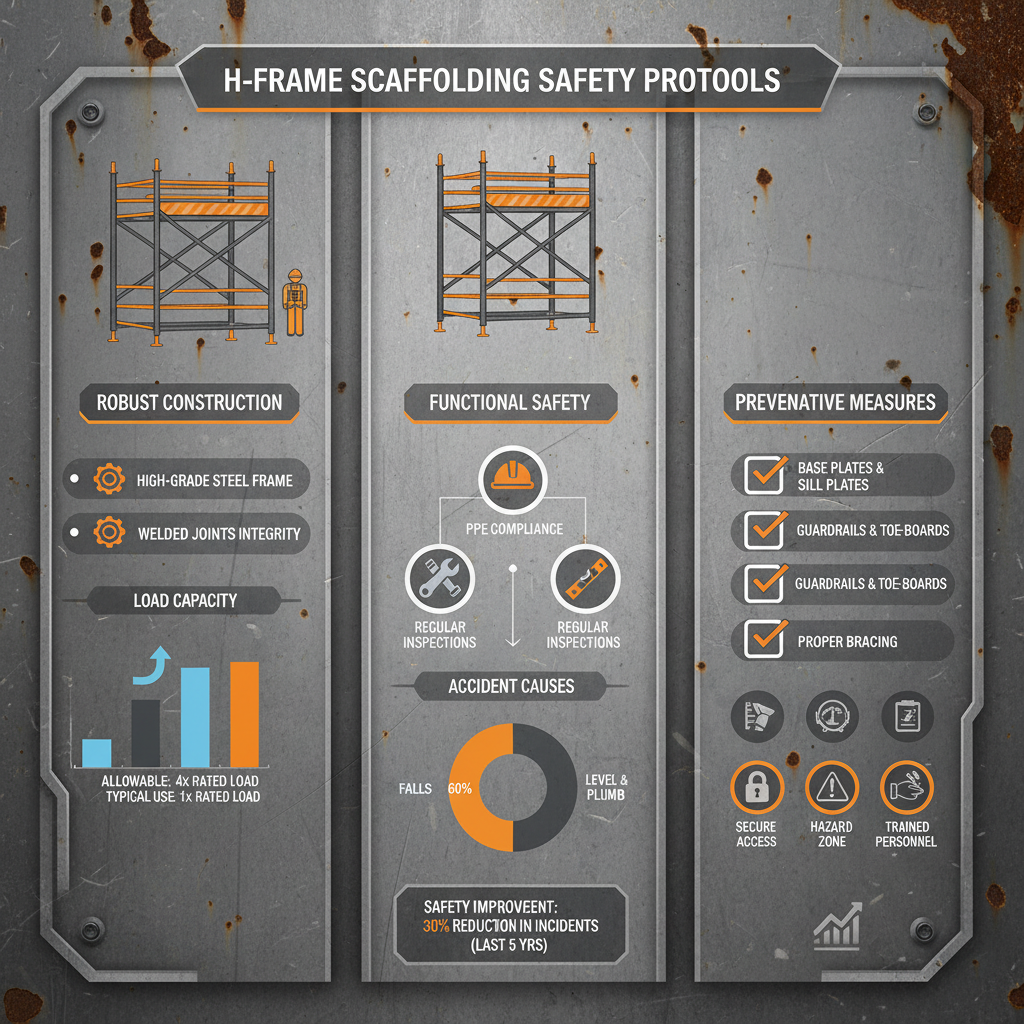
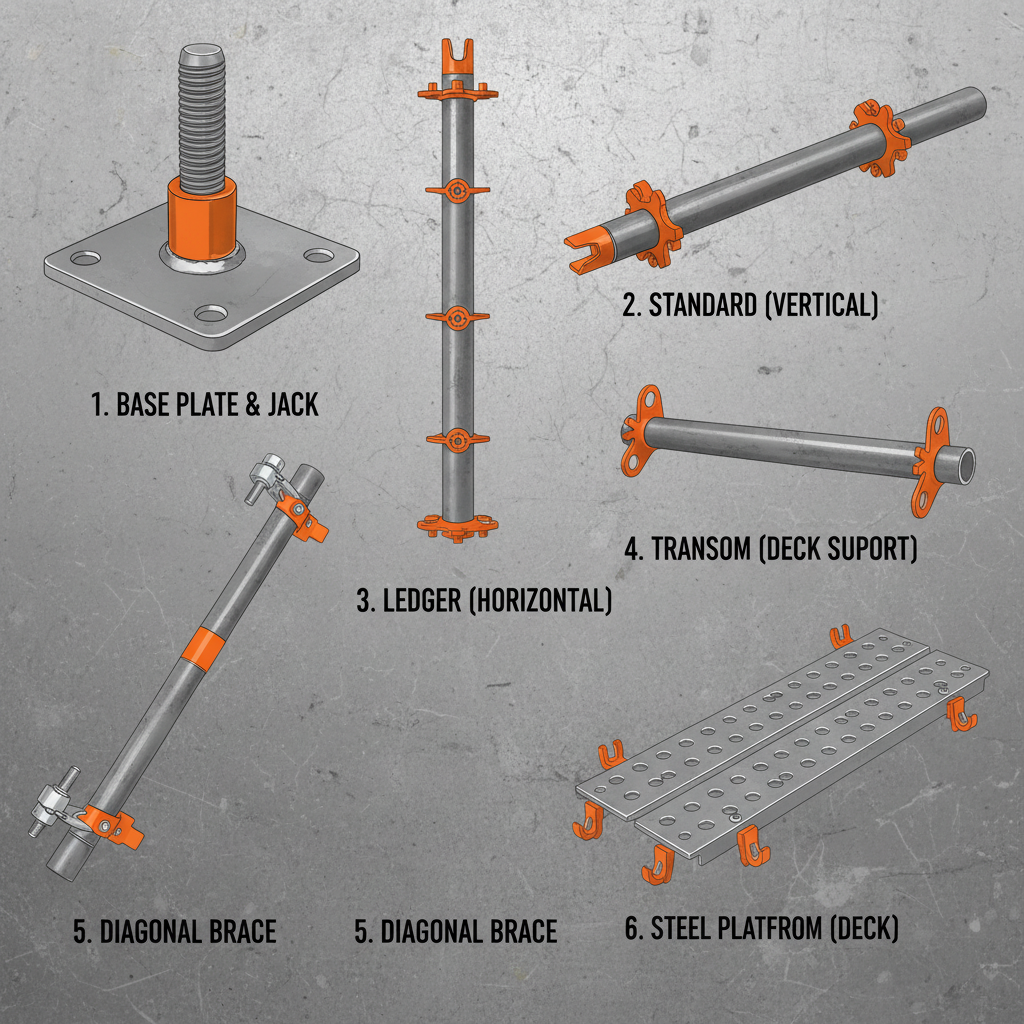
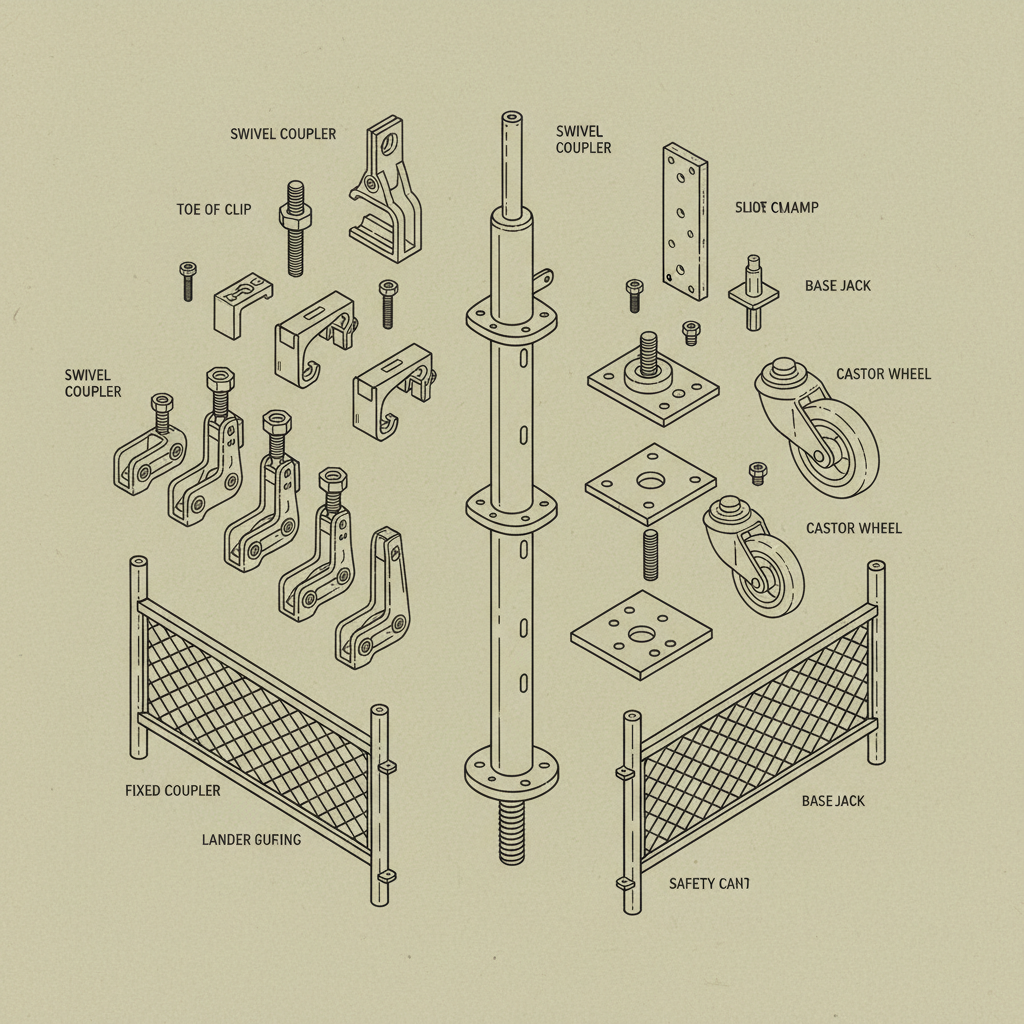
Ensuring h frame scaffolding safety begins with understanding the role of each component. The uprights, typically constructed from steel or aluminum, provide the primary vertical support. Crossbars, connecting the uprights horizontally, create a stable frame. Guardrails, toe boards, and access ladders are essential for preventing falls and providing safe access.
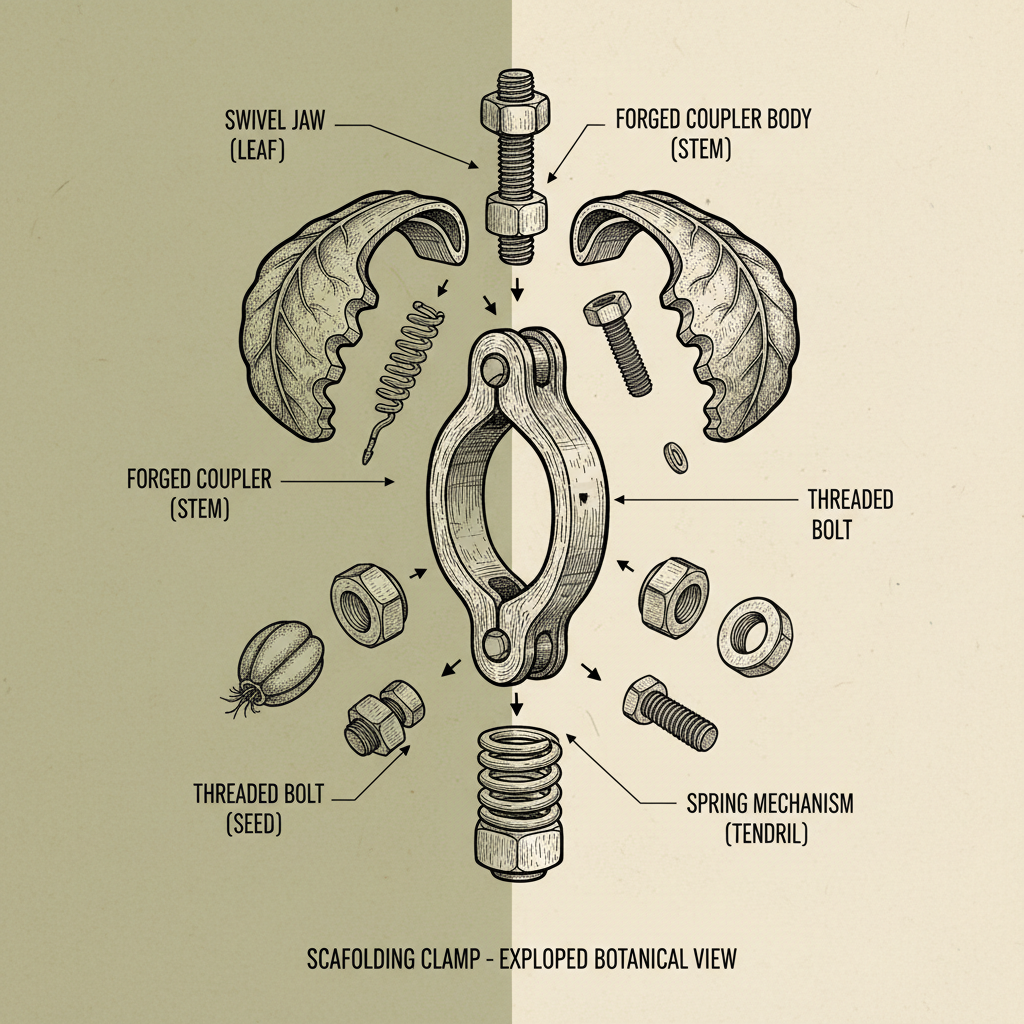
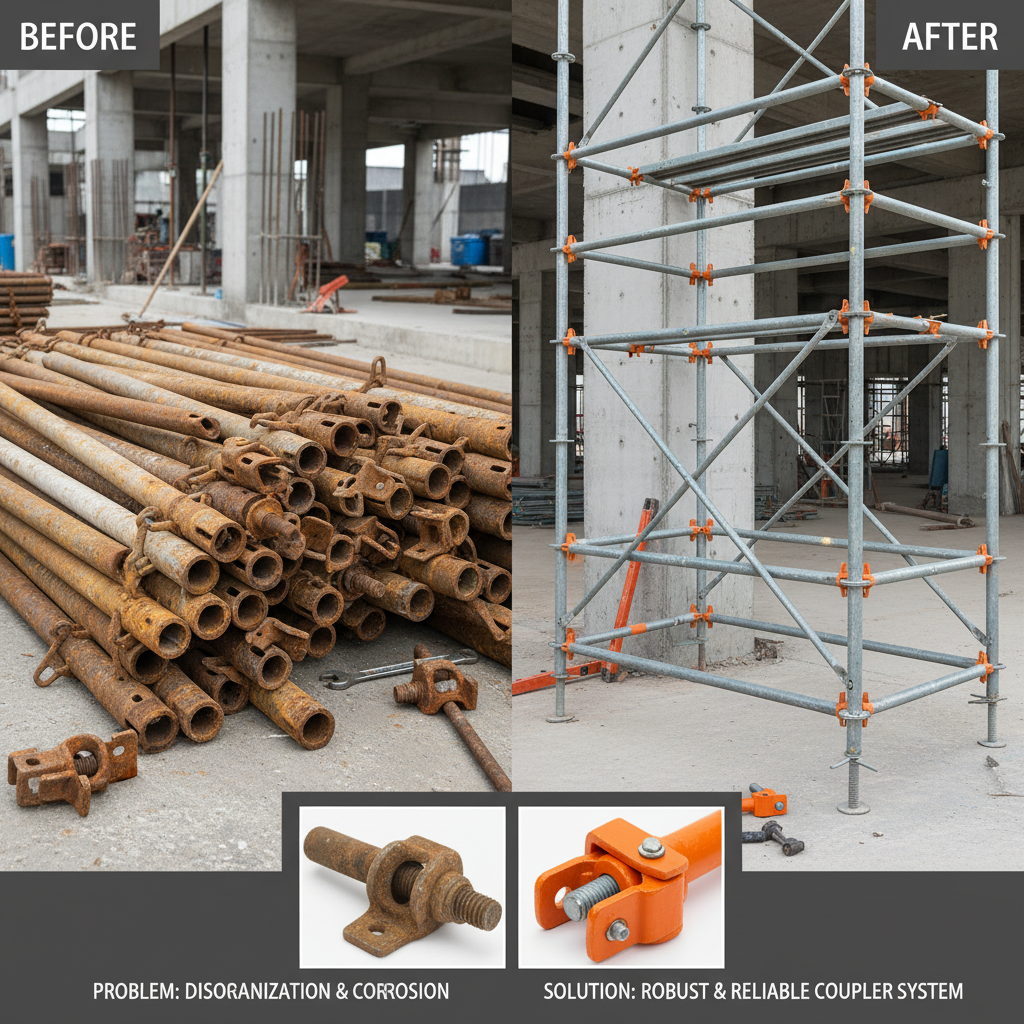
Crucially, all components must be regularly inspected for damage or wear. Damaged or defective parts should be immediately removed and replaced. Properly functioning locking mechanisms, such as pins and couplings, are vital for maintaining the structural integrity of the scaffolding. Furthermore, the baseplates or mudsills must be placed on a stable and level surface to prevent settling or tilting.
The use of high-quality materials, coupled with meticulous assembly, is paramount. Manufacturers’ specifications regarding load capacity and component compatibility must be strictly followed. Regular inspections, conducted by competent personnel, are crucial for identifying potential hazards and ensuring ongoing h frame scaffolding safety.
Load Capacity and Stability in h frame scaffolding safety
A fundamental aspect of h frame scaffolding safety involves understanding and respecting its load capacity. Each component – uprights, crossbars, platforms – has a maximum weight limit that must not be exceeded. This limit accounts for the weight of workers, materials, and any tools or equipment present on the scaffolding.
Stability is equally crucial. Factors such as uneven ground, wind conditions, and the distribution of weight can significantly impact the stability of the scaffolding. Proper bracing and tying to adjacent structures, where feasible, can enhance stability. Regularly checking the levelness of the base and ensuring all connections are secure are essential preventative measures.
Factors Influencing h frame scaffolding safety
Global Applications of h Frame Scaffolding
H frame scaffolding finds widespread application across a multitude of industries globally. In construction, it’s integral for building facades, bridge construction, and high-rise projects. Within the industrial sector, it facilitates maintenance and repair work on pipelines, storage tanks, and power plants.
In remote industrial zones of Australia, h frame scaffolding is favored for its ease of transport and assembly, minimizing downtime during critical maintenance operations. Similarly, in densely populated urban areas of Europe, its compact design and adaptability make it ideal for renovation projects with limited space.
Advantages and Long-Term Value of h Frame Scaffolding
The advantages of h frame scaffolding extend beyond its immediate safety benefits. Its relatively low cost compared to more complex scaffolding systems makes it an economically viable option for many projects. The ease of assembly and disassembly translates to reduced labor costs and faster project turnaround times.
Moreover, the durability of modern h frame scaffolding systems ensures a long service life, reducing the need for frequent replacements. This contributes to both financial savings and environmental sustainability. A well-maintained h frame scaffolding system represents a sound long-term investment.
The inherent reliability and stability provide peace of mind, fostering a safer working environment and bolstering employee morale. The enhanced productivity and reduced risk of accidents ultimately contribute to a more successful and profitable project.
Challenges and Future Innovations in h frame scaffolding safety
Despite its numerous advantages, h frame scaffolding isn’t without its challenges. Manual assembly can be time-consuming and physically demanding. Weather conditions, particularly strong winds, can pose a safety risk. Ensuring consistent adherence to safety protocols across all work sites can be difficult.
However, ongoing innovations are addressing these challenges. The development of lightweight materials, such as aluminum alloys and composite materials, is reducing the physical strain associated with assembly. The integration of smart sensors and digital monitoring systems is enabling real-time assessment of scaffolding stability and load distribution.
Future advancements may include automated assembly systems and the use of drones for inspection and maintenance. These innovations promise to further enhance h frame scaffolding safety and efficiency, paving the way for a more secure and productive construction industry.
Summary of Challenges and Potential Solutions for Improved h frame scaffolding safety
| Challenge |
Impact on h frame scaffolding safety |
Potential Solution |
Implementation Priority (1-5, 5 being highest) |
| Manual Assembly |
Increased labor costs, potential for human error |
Automated assembly systems, modular design |
3 |
| Weather Conditions (Wind) |
Reduced stability, increased risk of collapse |
Wind monitoring systems, aerodynamic designs |
5 |
| Inconsistent Safety Compliance |
Increased risk of accidents, legal liabilities |
Mandatory training programs, digital checklists |
4 |
| Component Wear and Tear |
Structural weakness, potential failure |
Regular inspections, preventative maintenance |
5 |
| Uneven Ground |
Scaffolding instability, tipping hazard |
Adjustable baseplates, ground leveling |
4 |
| Load Overestimation |
Structural failure, worker injury |
Load monitoring sensors, clear weight limits |
3 |
FAQS
The maximum load capacity varies depending on the specific design and materials of the h frame scaffolding unit. However, a typical unit is rated to safely support between 500kg to 1000kg (1100-2200 lbs) per platform level. It is crucial to always refer to the manufacturer’s specifications and never exceed the stated load limit. Exceeding the limit compromises the structural integrity and poses a significant safety risk to workers.
Before commencing work on h frame scaffolding, several critical safety checks must be performed. These include inspecting all components for damage or wear, verifying the stability of the base, ensuring all locking mechanisms are securely fastened, and confirming the presence of guardrails and toe boards. A competent person should also assess the surrounding environment for potential hazards and ensure the scaffolding is erected on a level and stable surface.
H frame scaffolding should be inspected at least every seven days, and also before each work shift or after any event that could affect its stability, such as severe weather. Inspections should be conducted by a competent person trained in scaffolding safety. Documentation of these inspections should be maintained, including any identified defects and corrective actions taken.
Workers using h frame scaffolding must receive comprehensive training on its safe erection, dismantling, and use. This training should cover topics such as load capacity, fall protection, hazard identification, and emergency procedures. Refresher training should be provided periodically to reinforce safe work practices and ensure continued competence.
Using h frame scaffolding outdoors in windy conditions presents significant risks. Scaffolding should not be erected or used when wind speeds exceed the manufacturer’s recommended limits, typically around 29 mph (46 km/h). In such conditions, the scaffolding should be dismantled or appropriately braced and secured to prevent collapse or instability. Continuous monitoring of wind speed is crucial.
Essential PPE for workers on h frame scaffolding includes a hard hat, safety glasses, gloves, and appropriate footwear. Fall protection equipment, such as a full-body harness and lanyard, is mandatory whenever there is a risk of falling from height. The choice of PPE should be based on a thorough hazard assessment of the work environment.
Conclusion
In conclusion, h frame scaffolding remains a vital component of modern construction and industrial maintenance. Its inherent strength, adaptability, and relatively low cost make it a practical choice for a wide range of applications. However, realizing these benefits hinges on a unwavering commitment to safety. Understanding the key components, load capacities, and proper assembly procedures, coupled with regular inspections and comprehensive training, is paramount.
Looking ahead, continued innovation in materials, design, and digital monitoring technologies will undoubtedly enhance the safety and efficiency of h frame scaffolding even further. Embracing these advancements and prioritizing a culture of safety will ensure that h frame scaffolding continues to play a critical role in building a safer and more sustainable future. For more information on high-quality scaffolding solutions, visit our website: h frame scaffolding safety.