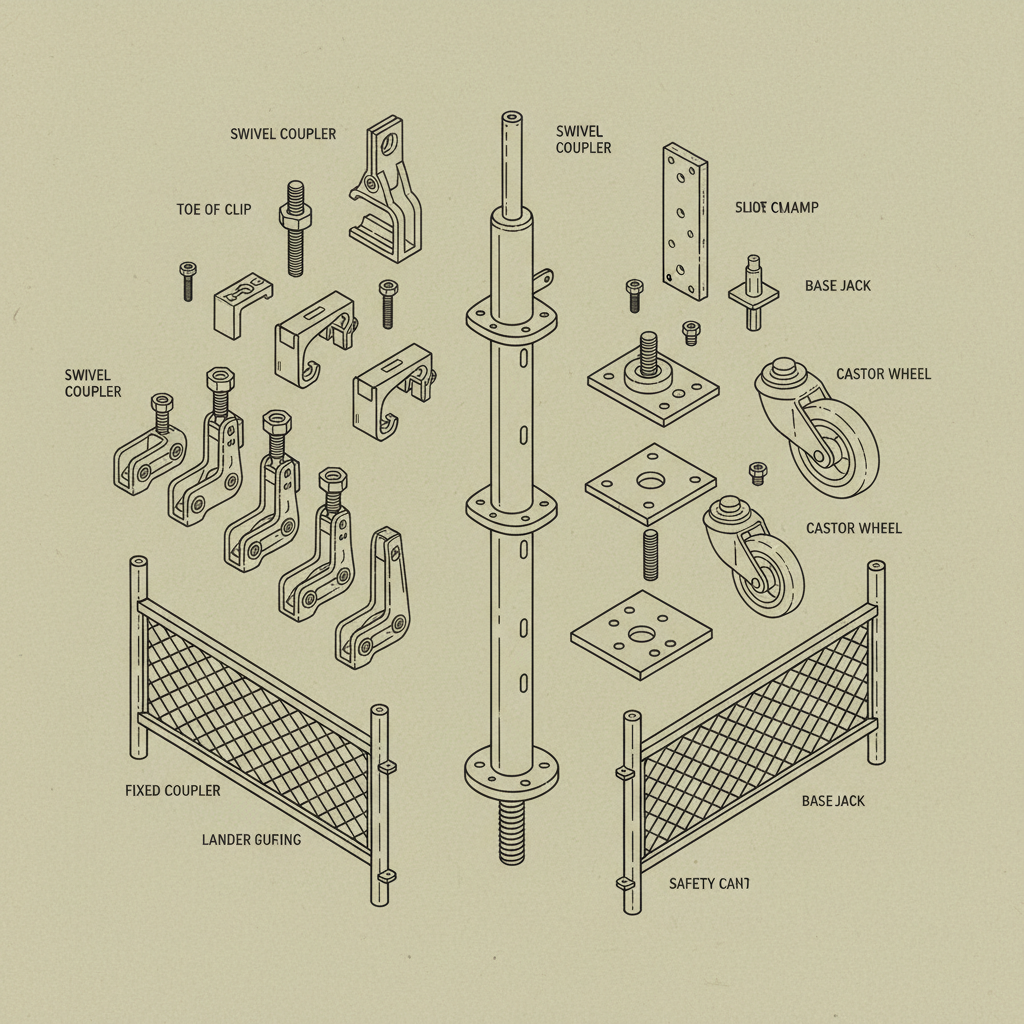
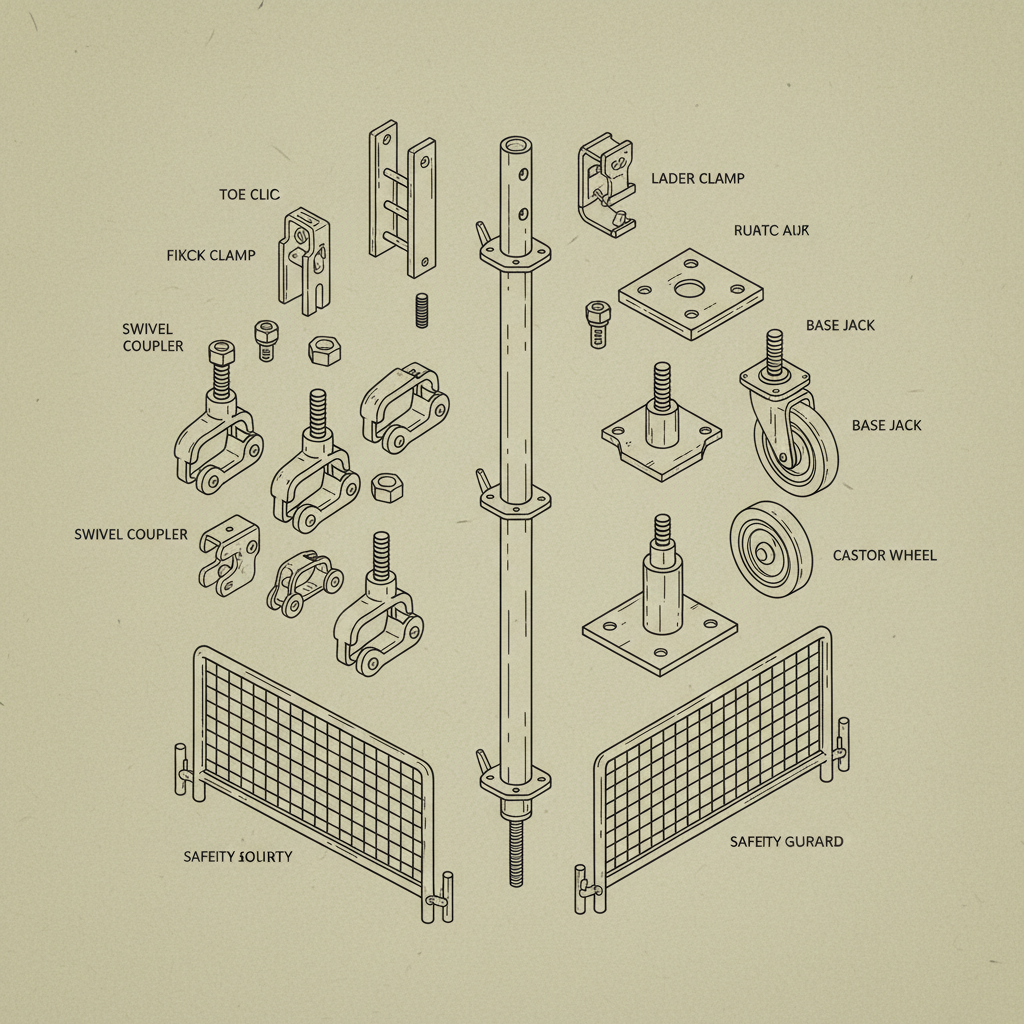
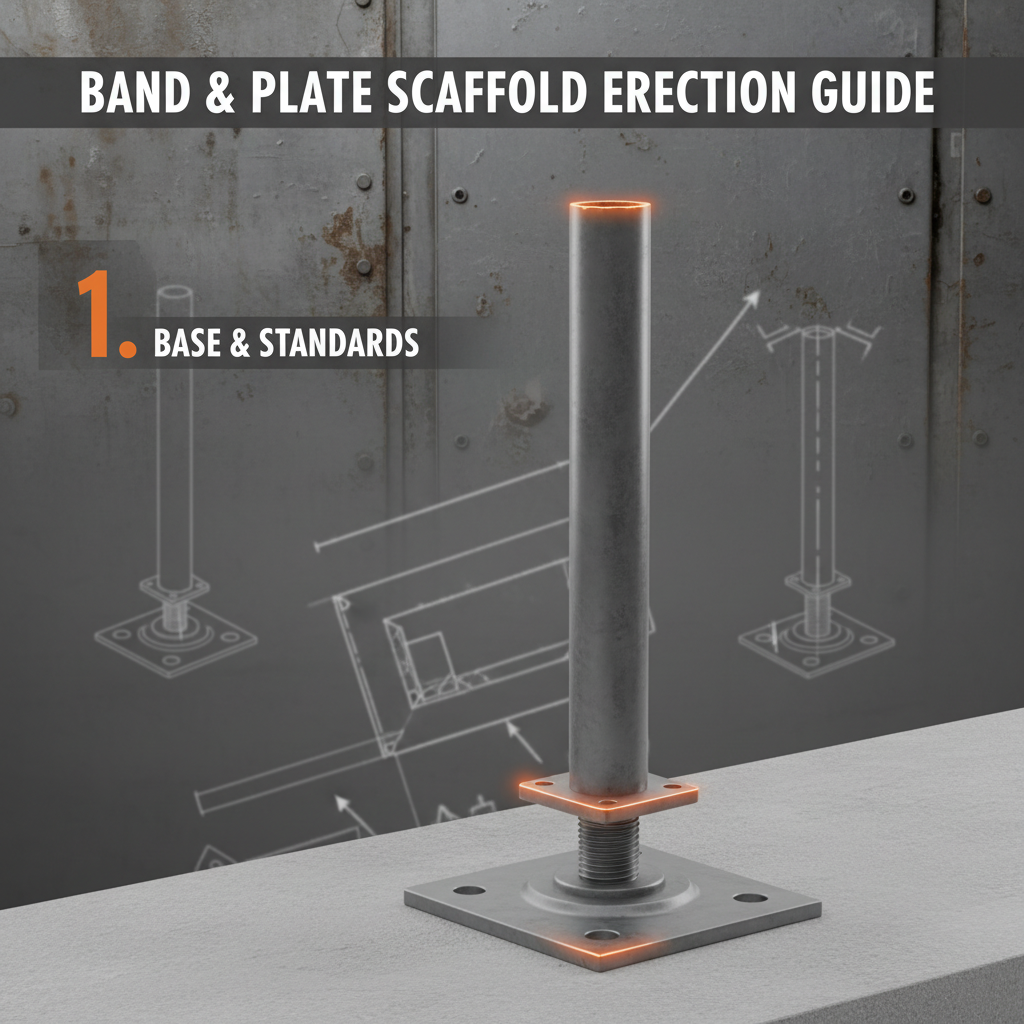
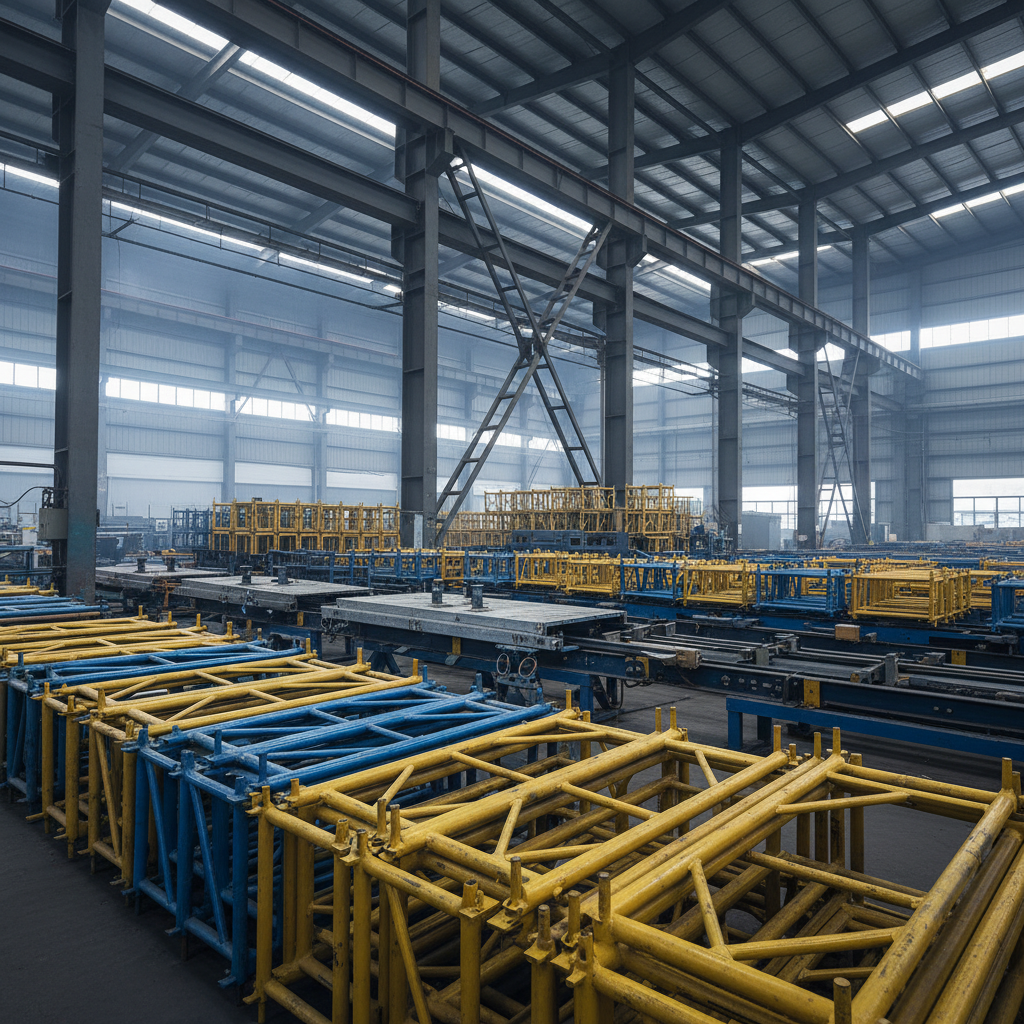
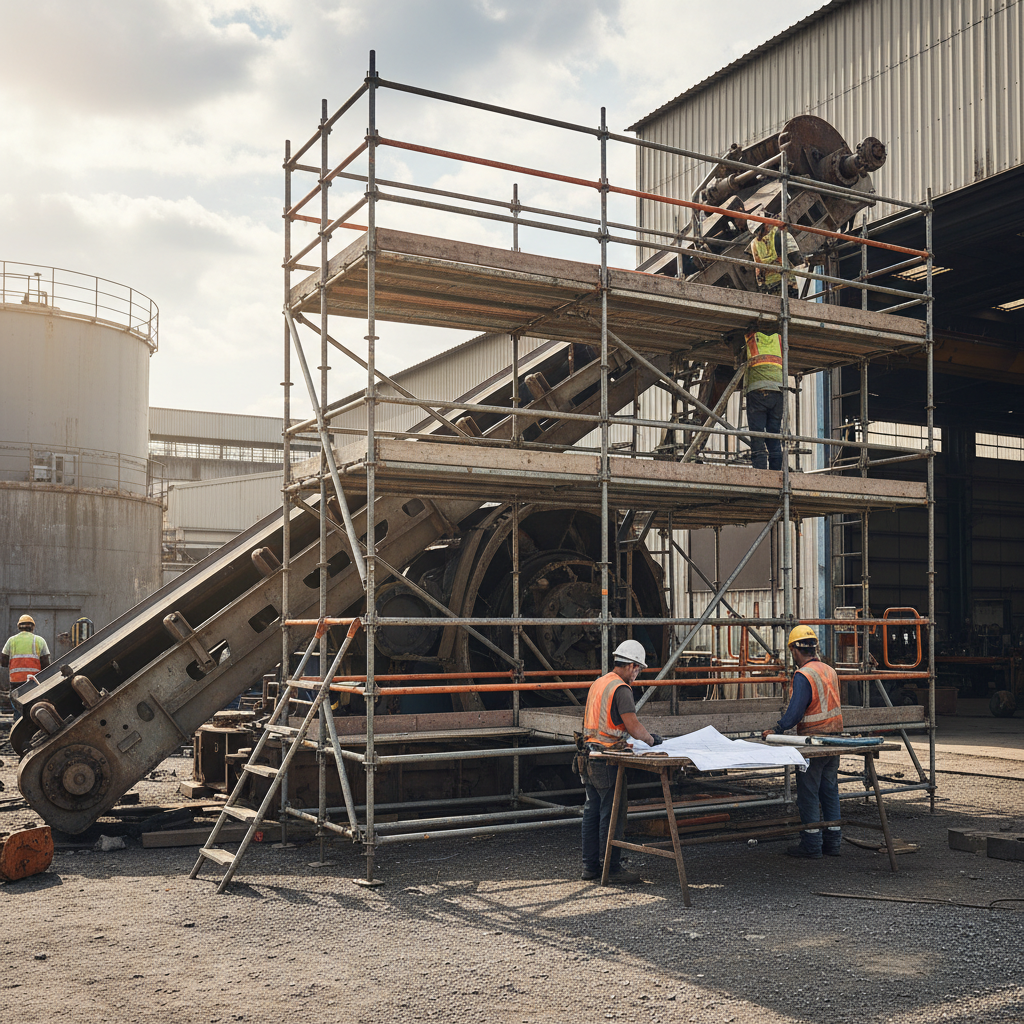
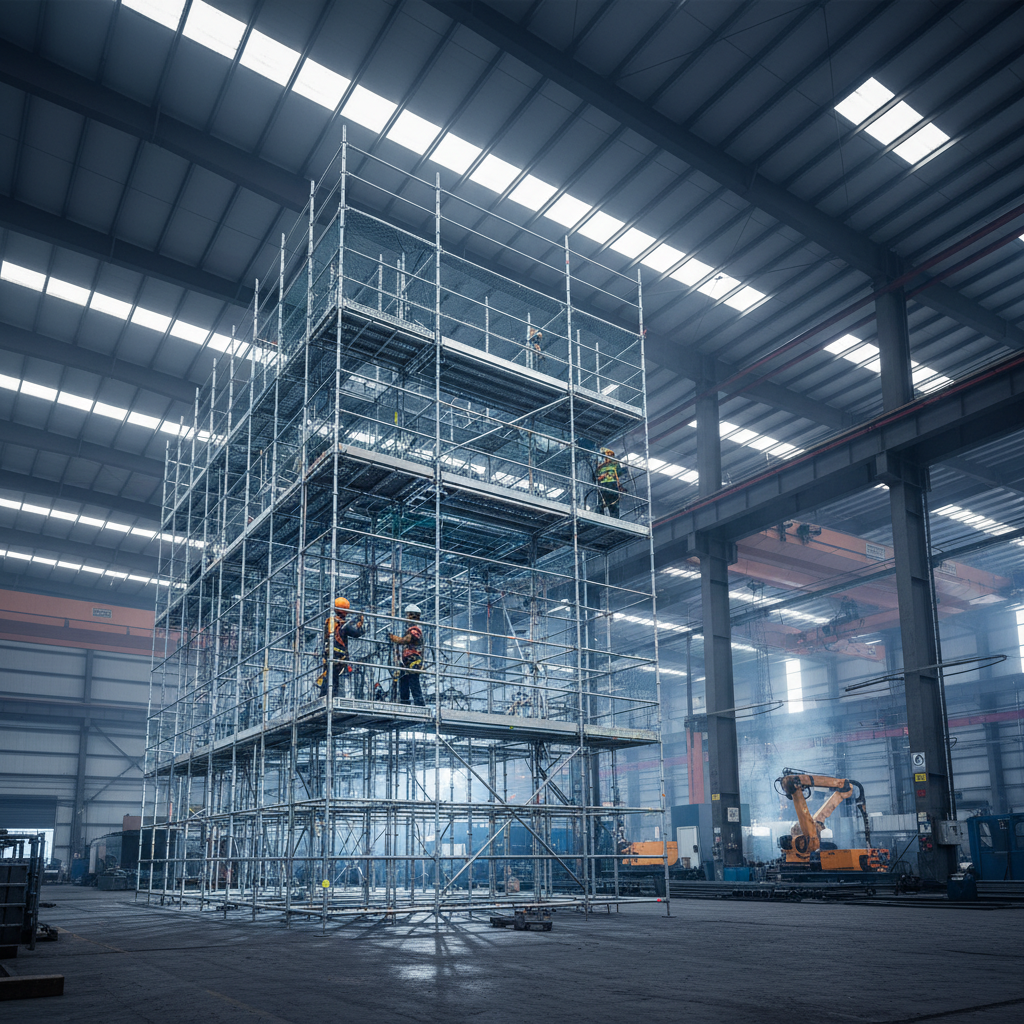
Honestly, the whole scaffolding accessory scene…it’s changed a lot in the last few years. Used to be, you just grabbed whatever was cheapest, slapped it on, and hoped for the best. Now everyone's talking about modularity, lightweight materials, and, surprisingly, aesthetics. Aesthetics! On scaffolding. Who would’ve thought? But I’ve seen projects where they actually care about the visual impact, especially on high-end builds. Makes a difference for marketing, apparently. And you know, a cleaner site is a safer site, so… maybe there's something to it.
Have you noticed how everyone’s obsessed with aluminum alloys these days? It's everywhere. Strong enough, light enough, doesn’t rust…but it feels different, doesn’t it? Cold, almost slippery. I miss the heft of good steel sometimes. It felt…reliable. Though, hauling steel around all day isn’t exactly a walk in the park. Anyway, I think the biggest shift is towards pre-fabricated components. Less cutting, less welding, less room for error on-site. That’s a good thing. It really is.
The Evolution of Scaffolding Accessories
Strangely, it all comes back to safety regulations. Tighter rules mean better accessories, right? And more innovation. The old days of just throwing some rope and a few planks up there…thankfully, those are fading. Now we're seeing things like self-locking pins, anti-slip platforms, and even built-in fall arrest systems. Sounds fancy, but trust me, it makes a difference. I've seen guys save their lives because of something as simple as a properly designed guardrail.
But it’s not just about safety. Productivity matters too. Faster assembly, easier adjustments, reduced downtime…these are all huge selling points. Companies are realizing that if they can save contractors time and money, they’ll win contracts. Simple as that.
The Devil's in the Details: Common Design Pitfalls
To be honest, the biggest mistake I see is over-engineering. Making something too complicated. Too many parts. Too much adjustment. It looks good on paper, maybe even in the showroom, but out on a windy construction site, it’s a nightmare. Guys don’t have time to fiddle with a dozen different screws and levers. They need something that works, and works fast. I encountered this at a factory in Ningbo last time, they had designed a new type of quick-release clamp... looked amazing, but took three guys and a wrench to actually release it. Total disaster.
Another problem? Compatibility. Everything needs to work together. You can’t just mix and match accessories from different manufacturers and expect it to be seamless. Different tolerances, different locking mechanisms…it’s a recipe for disaster. And don't even get me started on poorly designed locking pins. They will fail. I guarantee it.
And finally, forgetting about the human factor. A lot of designers have never actually used scaffolding. They design things that look good in CAD, but are completely impractical in the real world.
Materials: What We're Working With
Like I said, aluminum is huge right now. Lightweight, corrosion-resistant... but it’s pricey, and it doesn’t have the same strength as steel. So you have to be careful with the alloys you choose. 6061-T6 is a good all-around choice, but for heavier loads, you need something stronger. You can smell the welding on some of these aluminum parts, a bit acrid, and it leaves a metallic residue on your gloves.
Then there’s galvanized steel. Still a workhorse. Durable, relatively inexpensive, and it can handle a beating. But it’s heavy. Really heavy. And it rusts eventually, even with the galvanization. I’ve seen some terrible welds on cheap galvanized steel, honestly. Look for smooth, consistent welds, not a bunch of spatter and bubbles.
And now, we’re starting to see more composites – fiberglass, carbon fiber. They’re super lightweight and incredibly strong, but they’re also expensive. And, frankly, I’m not sure how they’ll hold up to years of abuse on a construction site. Time will tell.
Real-World Testing: Beyond the Lab
Lab testing is fine, but it doesn't tell you everything. You need to see how these accessories perform in the real world. I've seen perfectly "safe" scaffolding components buckle under unexpected loads on-site. Wind, vibrations, uneven ground…these things all add up. That's why I always recommend dynamic load testing.
What I do? I just watch. I watch how the workers use it. Do they struggle with the connections? Do the platforms feel stable? Do the guardrails actually prevent falls? I’ve even purposely overloaded some components (in a controlled environment, of course!) just to see where they break. It’s not pretty, but it’s informative.
Scaffolding Accessory Performance Ratings
How Accessories Are Actually Used
This is where things get interesting. Designers think workers will use accessories exactly as intended. Ha! That rarely happens. I’ve seen guys use locking pins as makeshift hammers, planks as levers, and guardrails as…well, let’s just say not as guardrails. It's frustrating, but you have to understand why they're doing it. Usually, it’s because the proper tool isn’t readily available, or it’s too much hassle to get it. Anyway, I think understanding these real-world workarounds is crucial for improving designs.
And then there's the whole issue of customization. Every site is different. Every job is different. Workers are constantly modifying and adapting accessories to fit their specific needs. That's where ingenuity comes in, but it also introduces risks.
The Good, The Bad, and the Customizable
The good? Modular systems are a lifesaver. They’re easy to assemble, disassemble, and reconfigure. They save time and money. They reduce waste. And they’re generally safer than traditional scaffolding. The bad? Cost. Good quality accessories aren’t cheap. And some of the newer materials…I’m still skeptical. They feel too fragile, too…artificial.
And customization? Absolutely essential. I had a client who needed a custom-sized platform to fit around a weirdly shaped piece of machinery. We were able to modify an existing platform with a few simple cuts and welds, and it saved them a ton of time and money. That’s the kind of flexibility you need.
A Customer Story: The Debacle
Last month, that small boss in Shenzhen who makes smart home devices – Mr. Li – insisted on changing the interface to for the scaffolding connectors. Said it was “more modern.” More modern! On scaffolding! I tried to explain that a standard locking pin is faster, more reliable, and doesn't require a cable to break... but he wouldn’t listen. He wanted the bragging rights of having “innovative” scaffolding. So, we built it. The result? Workers kept dropping their phones into the connectors, the cables kept getting tangled, and the whole system was about 30% slower to assemble. He was furious. Took a week to revert back to the standard pins. Lesson learned, I guess.
It really highlights the point - sometimes, “innovation” isn’t actually an improvement. Sometimes, sticking with what works is the smartest move. But good luck telling that to a CEO obsessed with buzzwords.
He did, however, buy a whole lot of steel planks after that fiasco.
Summary of Key Considerations for Scaffolding Accessory Selection
| Material Composition |
Durability Rating (1-10) |
Assembly Complexity |
Cost Effectiveness |
| Aluminum Alloy (6061-T6) |
7 |
Moderate |
Medium |
| Galvanized Steel |
9 |
Simple |
High |
| Fiberglass Composite |
6 |
Moderate |
Low |
| High-Strength Plastic |
5 |
Simple |
Medium |
| Stainless Steel |
10 |
Moderate |
Low |
| Modular Aluminum Components |
8 |
Simple |
Medium |
FAQS
Honestly, it's skimping on quality. They see a cheap price tag and think they're getting a deal. But those cheap accessories often fail, and the cost of a collapse or injury is far higher than the savings. It's a false economy. Always prioritize durability and safety certifications.
Crucially important. Mixing and matching accessories from different manufacturers can create serious safety hazards. Different tolerances, different locking mechanisms…it's a recipe for disaster. Stick with a single, reputable supplier whenever possible. Or at least, verify compatibility before using anything together.
It depends on the material and how well it's maintained. Galvanized steel, with proper care, can last for decades. Aluminum alloys, maybe 10-15 years. Composites are still relatively new, so it's hard to say for sure. Regular inspections and replacements are key. Don't just keep using something until it breaks.
Absolutely. Regulations are constantly evolving, becoming stricter with more focus on fall protection and worker safety. Keep an eye on OSHA (in the US) and equivalent agencies in other countries. Staying compliant is not just about avoiding fines, it’s about keeping people alive.
Look for cracks, bends, corrosion, and wear. Check the locking mechanisms to ensure they function properly. Verify that all components are securely fastened. And if you see anything questionable, take it out of service immediately. It’s not worth the risk.
Reduced worker fatigue, faster assembly and disassembly, and lower transportation costs. Especially on projects with a lot of vertical movement or where access is limited. However, remember that lightweight doesn’t always mean weaker – look for materials with a high strength-to-weight ratio.
Conclusion
Ultimately, choosing the right scaffolding accessories isn’t about chasing the latest trends or finding the cheapest price. It’s about understanding your specific needs, prioritizing safety, and selecting durable, reliable components that will hold up under real-world conditions. It's about finding the balance between innovation and practicality, and remembering that the bottom line is always worker safety.
And let’s be honest, no matter how much design and engineering goes into these things, the worker on the ground will know whether it works the moment he tightens the screw. They’re the ones who feel it, who trust it, who rely on it to get the job done safely. So listen to them. Their feedback is invaluable. That's it.