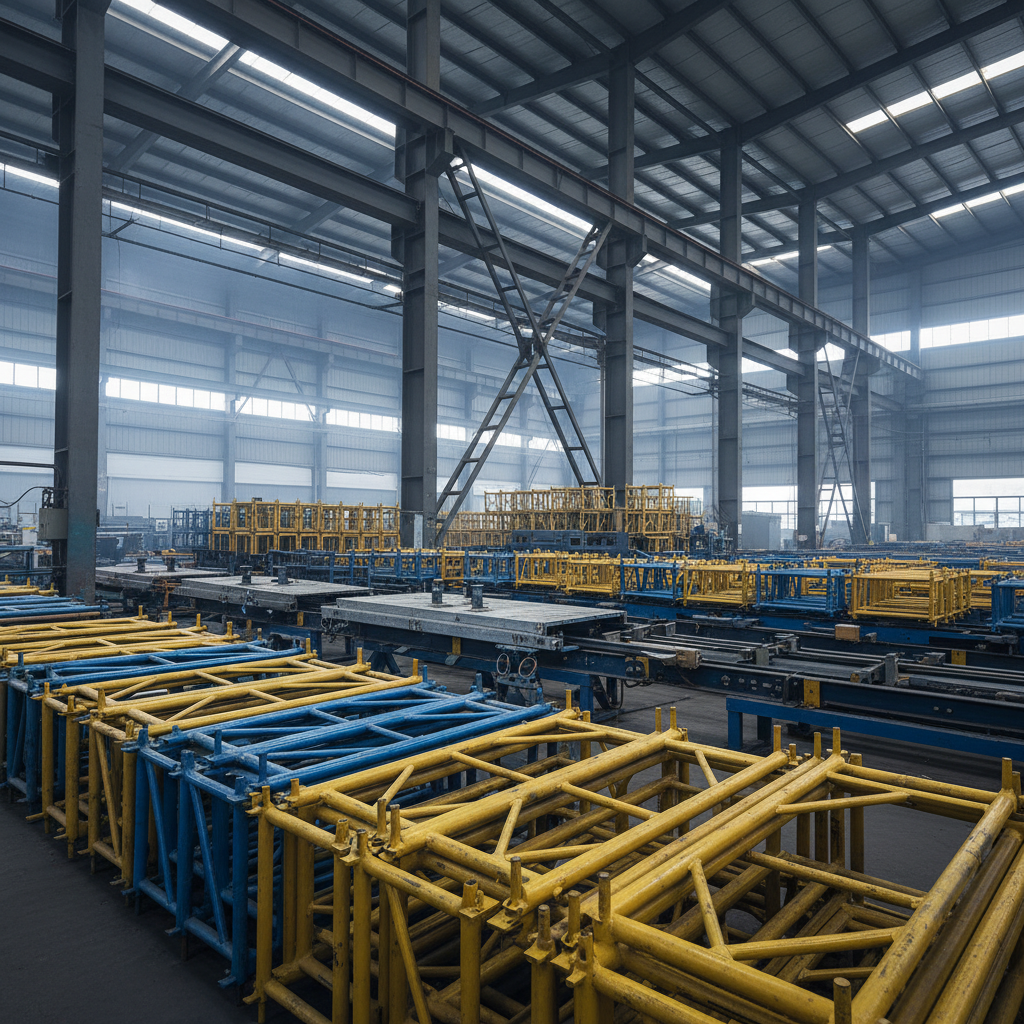
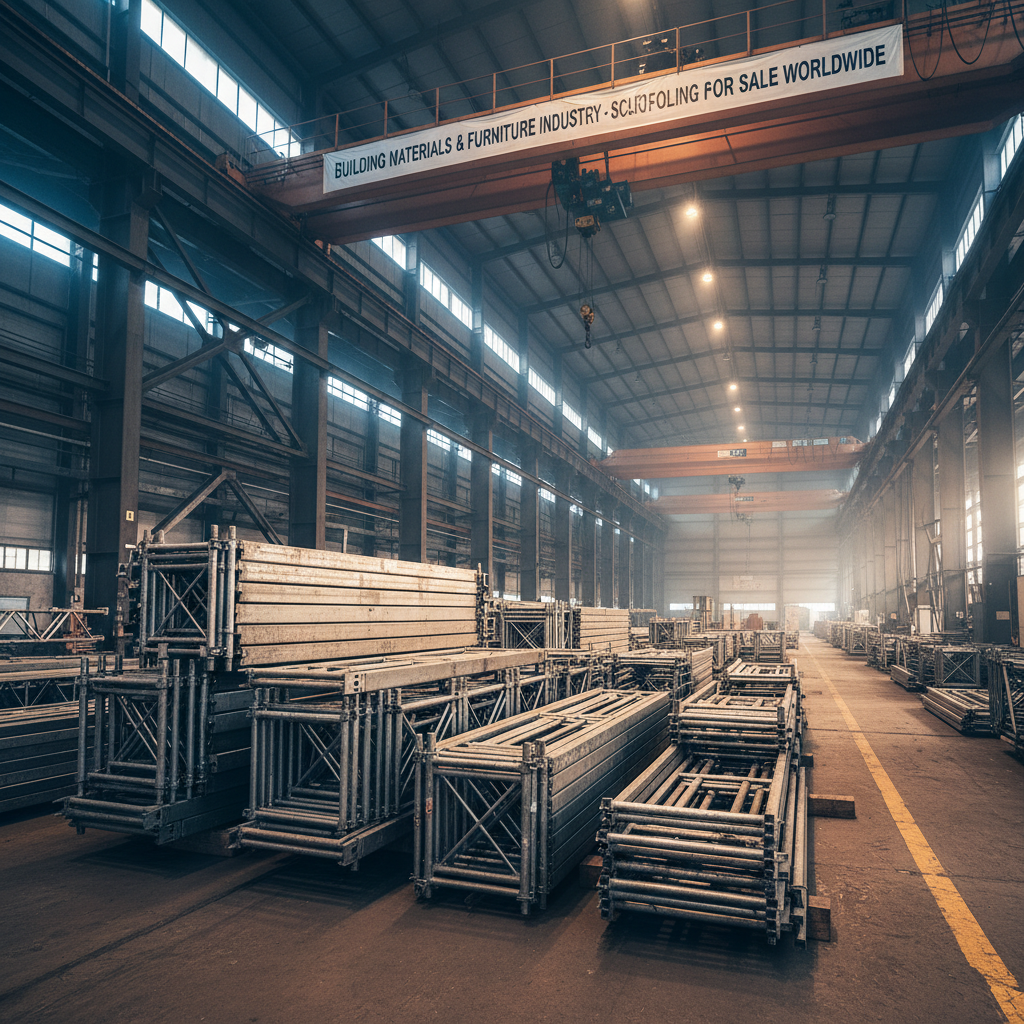
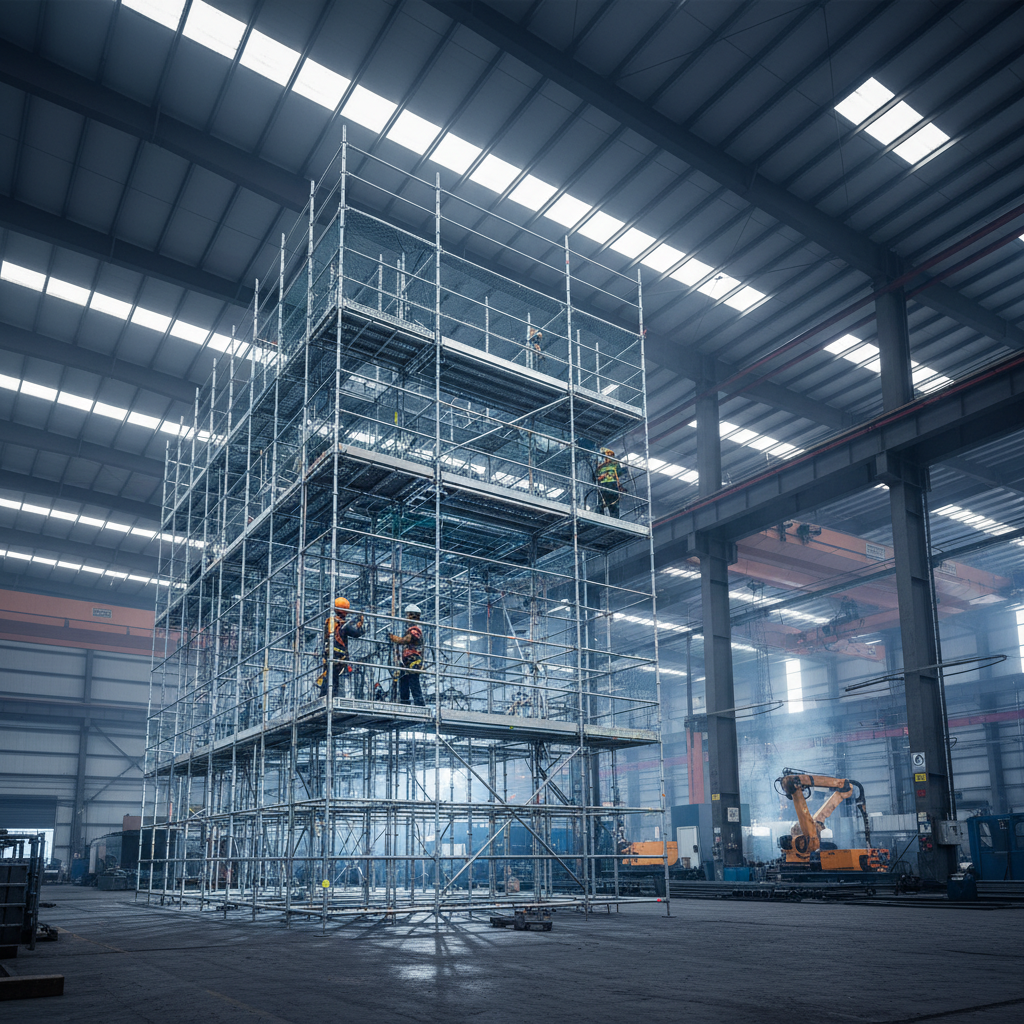
Look, I’ve spent the last fifteen years breathing concrete dust and dodging forklifts on construction sites. I’ve seen a lot of scaffolding systems come and go, but h frame scaffold components consistently prove their worth. They’re the workhorses of the industry, offering a blend of safety, efficiency, and cost-effectiveness that’s hard to beat. Understanding these components isn't just about ticking boxes on a safety checklist; it's about understanding how to build smarter, faster, and, most importantly, keep your crew safe.
What I've noticed over the years is that everyone wants the 'latest and greatest' – composite materials, automated assembly – but the fundamentals remain king. A solid, well-maintained h frame system, built with quality components, will outperform a flashy, complex system that’s poorly installed or lacks proper support. We're talking about real-world applications, where downtime costs money, and a dropped tool can have serious consequences. That’s why I always circle back to the reliability of these systems.
The beauty of the h frame is its simplicity. It’s not rocket science. But don't let that fool you. That simplicity requires a deep understanding of its load-bearing capabilities, proper erection procedures, and diligent inspection protocols. It’s a system built on precision, and when done right, it’s a foundation for success.
The Core Principles of h frame Scaffold Components
The fundamental principle behind h frame scaffold components is distributing load effectively. It’s about creating a stable, self-supporting structure that can handle the weight of workers, materials, and environmental factors. This relies on the careful selection of high-strength steel, precise welding, and robust connections. I’ve seen too many systems compromised by shortcuts in materials or construction.
What's critical is understanding that it’s not just about the individual pieces. It’s about how those pieces interact with each other. Proper bracing, accurate leveling, and secure connections are essential for maintaining stability and preventing collapses. It's a system, and it needs to be treated as such.
Global Relevance and Industry Standards
You look around the world, from the skyscrapers rising in Asia to the infrastructure projects in Europe, and you’ll find h frame scaffolding everywhere. It’s a globally recognized standard, compliant with regulations set by organizations like OSHA, ANSI, and EN. This isn't just about paperwork; these standards are designed to protect workers and ensure project integrity.
What’s interesting is the increasing demand for adaptable systems. Projects are becoming more complex, requiring scaffolding that can be easily reconfigured and adjusted to changing needs. That’s where modular h frame systems really shine. They offer the flexibility to tackle a wide range of challenges.
The sheer scale of construction worldwide – the UN estimates over $85 trillion will be invested in infrastructure by 2030 – necessitates reliable and efficient scaffolding solutions. h frame scaffold components are a cornerstone of that growth, providing a safe and productive platform for building the future.
Defining h Frame Scaffold Components
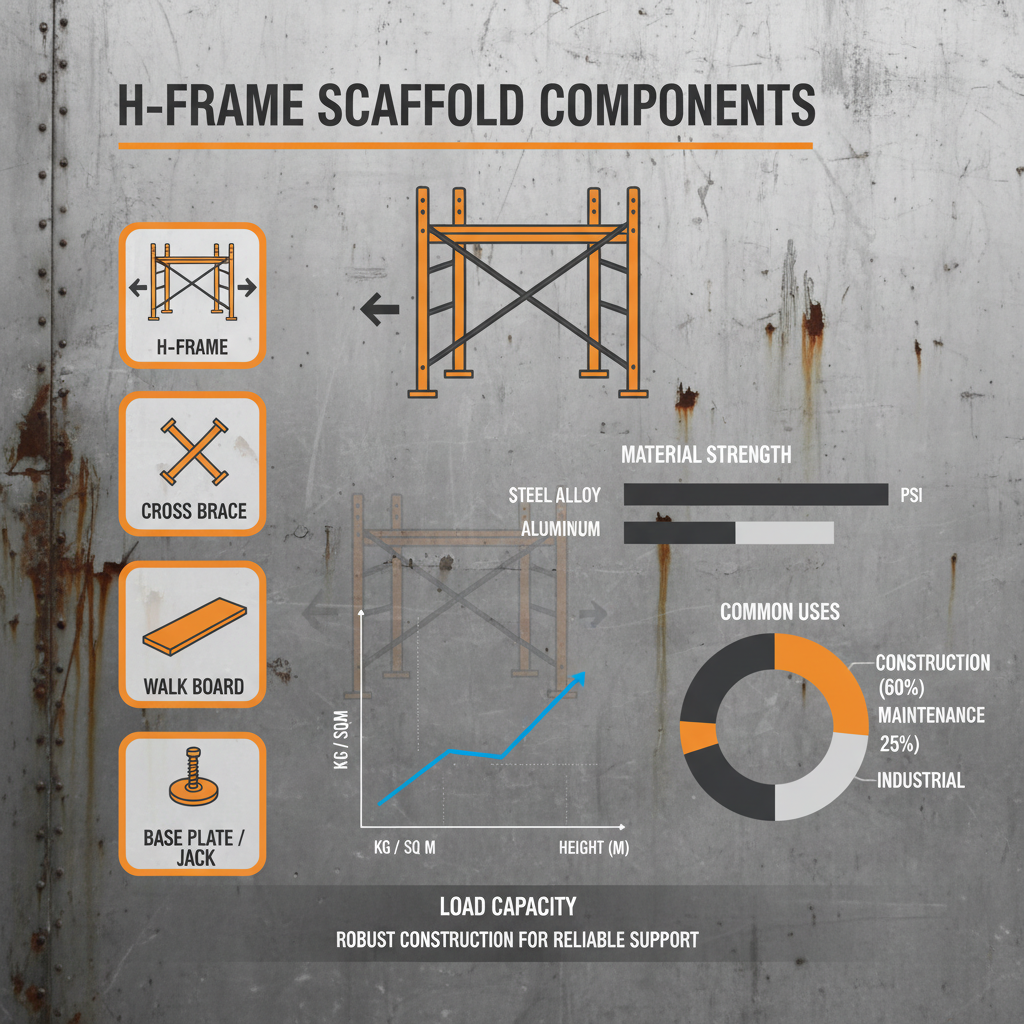
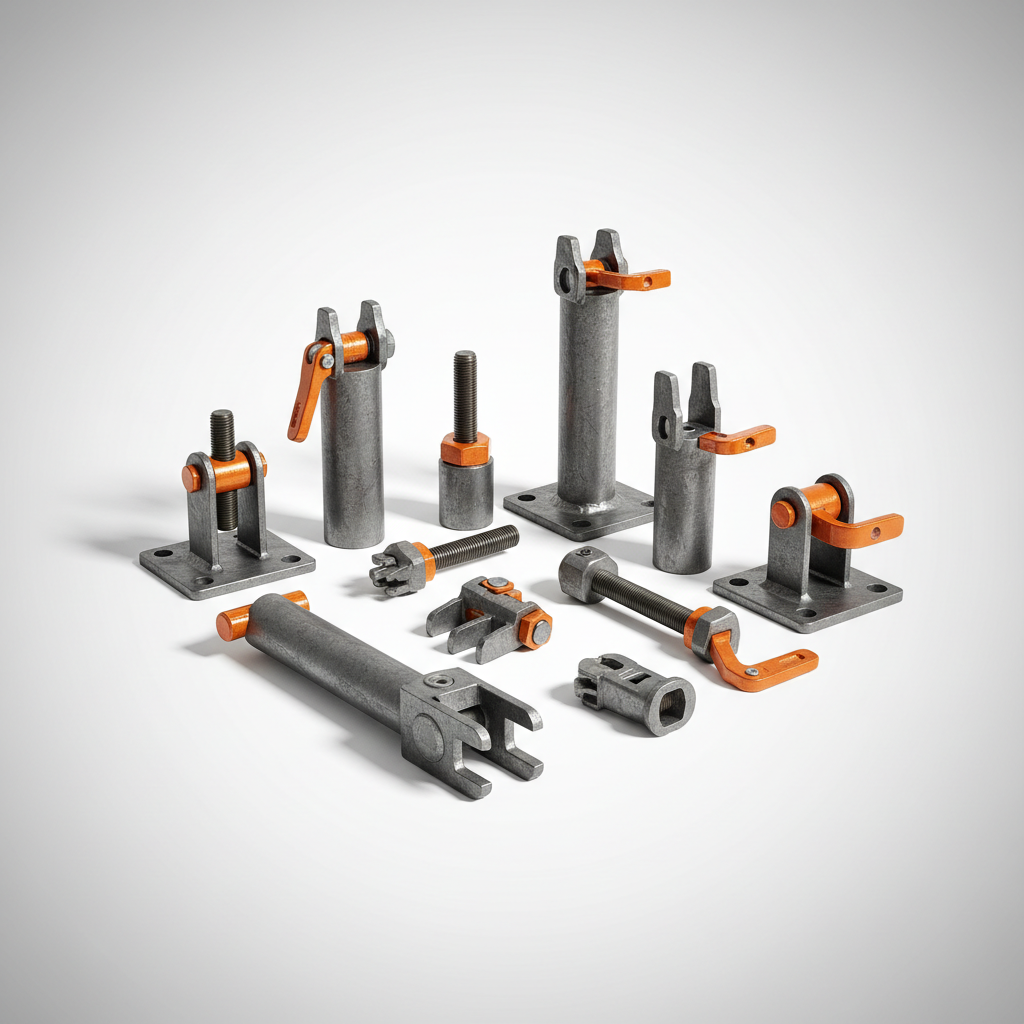
Simply put, h frame scaffolding is a support structure comprised of vertical standards (the ‘h’ frame), horizontal ledgers, diagonal braces, and working platforms. These components are typically made of steel or aluminum and connected using locking pins or couplers. It’s a system designed to provide a safe and stable work environment at height.
But it goes beyond just the physical pieces. It’s about the entire system – the design, erection, inspection, and dismantling procedures. A poorly designed or improperly erected system is just as dangerous as having substandard materials. Proper training and adherence to safety protocols are paramount.
This type of scaffolding has become the go-to solution for many industries, including construction, painting, maintenance, and even event staging. Its versatility and relatively low cost make it an attractive option for a wide range of applications. It’s a workhorse, plain and simple.
Key Factors: Strength, Versatility, and Safety
From my experience, three things consistently stand out when evaluating h frame scaffold components: strength, versatility, and safety. Strength is obvious – the system needs to be able to withstand the intended loads without buckling or collapsing. But it’s not just about raw material strength; it’s about the engineering design and the quality of the connections.
Versatility is equally important. The ability to adapt the system to different heights, widths, and configurations is crucial for tackling diverse project requirements. Modular systems, in particular, offer a high degree of versatility, allowing for quick and easy adjustments.
Component Importance Ratings
Real-World Applications of h Frame Systems
I’ve seen these systems used for everything from painting the Golden Gate Bridge to constructing high-rise buildings in Dubai. In post-disaster relief operations, they’re invaluable for providing temporary access and support. They're often the first thing on site, providing a safe platform for assessment and repair work.
In remote industrial zones, where access is limited and materials need to be transported long distances, the relatively lightweight and easy-to-assemble nature of h frame scaffolding makes it a practical choice. It simplifies logistics and reduces construction time.
Advantages and Long-Term Value Proposition
Let’s talk bottom line. h frame scaffold components offer significant cost savings compared to more complex systems. They require less specialized labor for assembly and dismantling, and their modular design allows for easy reuse across multiple projects. That translates to a quicker return on investment.
Beyond cost, there's the intangible value of safety and reliability. A well-maintained h frame system instills confidence in your workforce, knowing they have a stable and secure platform to work from. That peace of mind is priceless.
Furthermore, the durability of these components contributes to their long-term value. With proper care and maintenance, a good set of h frame scaffolding can last for decades, making it a sustainable investment for any construction company.
Future Trends and Innovations in Scaffold Design
We’re seeing a growing trend towards incorporating digital technologies into scaffolding systems. Things like drone-based inspections, real-time load monitoring, and Building Information Modeling (BIM) integration are becoming increasingly common. These technologies enhance safety, improve efficiency, and provide valuable data for project management.
There’s also a push for more sustainable materials. Aluminum alloys are gaining popularity as a lightweight and recyclable alternative to steel. And manufacturers are exploring innovative coating technologies to enhance corrosion resistance and extend the lifespan of components.
Automation is another area to watch. While fully automated scaffolding systems are still a ways off, we’re seeing advancements in robotic assembly and dismantling techniques that could significantly reduce labor costs and improve safety.
Key Performance Indicators of h Frame Scaffold Components
| Component Type |
Load Capacity (kN) |
Corrosion Resistance (1-10) |
Assembly Time (minutes) |
| Vertical Standard |
60 |
8 |
2 |
| Ledger |
40 |
7 |
1 |
| Diagonal Brace |
30 |
6 |
1 |
| Working Platform |
75 |
5 |
3 |
| Base Plate |
50 |
9 |
1 |
| Coupler |
35 |
7 |
0.5 |
FAQS
The maximum load capacity varies based on the scaffold’s design, the grade of steel used, and the span between supports. However, a properly engineered h frame scaffold typically supports between 500 and 1000 lbs per platform bay. Always refer to the manufacturer’s specifications and consult a qualified engineer to determine the safe working load for your specific application.
Regular inspections are critical for maintaining scaffold safety. A competent person should inspect the scaffold before each work shift, after any alterations, and after any events that could affect its structural integrity, such as severe weather. Formal, comprehensive inspections should be conducted at least annually by a qualified engineer.
Safety is paramount! Ensure the ground is level and stable. Use proper fall protection equipment – harnesses, guardrails, and safety nets. Never exceed the scaffold’s maximum load capacity. Ensure all connections are secure and properly locked. And, most importantly, provide comprehensive training to all personnel involved in the erection and use of the scaffold.
While h frame scaffolding is best suited for level ground, it can be adapted for uneven terrain using adjustable base plates or screw jacks. However, careful consideration must be given to ensuring the scaffold remains stable and level, and the load is distributed evenly. Consulting with an engineer is highly recommended in these situations.
With proper maintenance and care, h frame scaffold components can last for decades. Regular cleaning, rust prevention, and replacement of worn or damaged parts are essential. Regular inspections can identify potential problems before they become major safety hazards, extending the lifespan of the investment.
Choosing a reputable supplier is crucial. Look for companies that comply with industry standards, offer comprehensive product documentation, and provide excellent customer support. Research suppliers thoroughly, check their certifications, and read reviews from other customers. WRK Formwork is a trusted provider known for quality and reliability.
Conclusion
In conclusion, h frame scaffold components remain a foundational element of the construction industry, offering a compelling combination of strength, versatility, and cost-effectiveness. Their global prevalence is a testament to their reliability and adaptability. Understanding the core principles of their design, proper installation, and diligent maintenance is vital for ensuring worker safety and project success.
Looking ahead, the integration of digital technologies and sustainable materials will further enhance the value proposition of these systems. Investing in high-quality components, prioritizing safety training, and embracing innovation will be key to unlocking the full potential of h frame scaffolding for years to come. Visit our website at www.wrkformwork.com to learn more about our range of h frame scaffolding solutions.