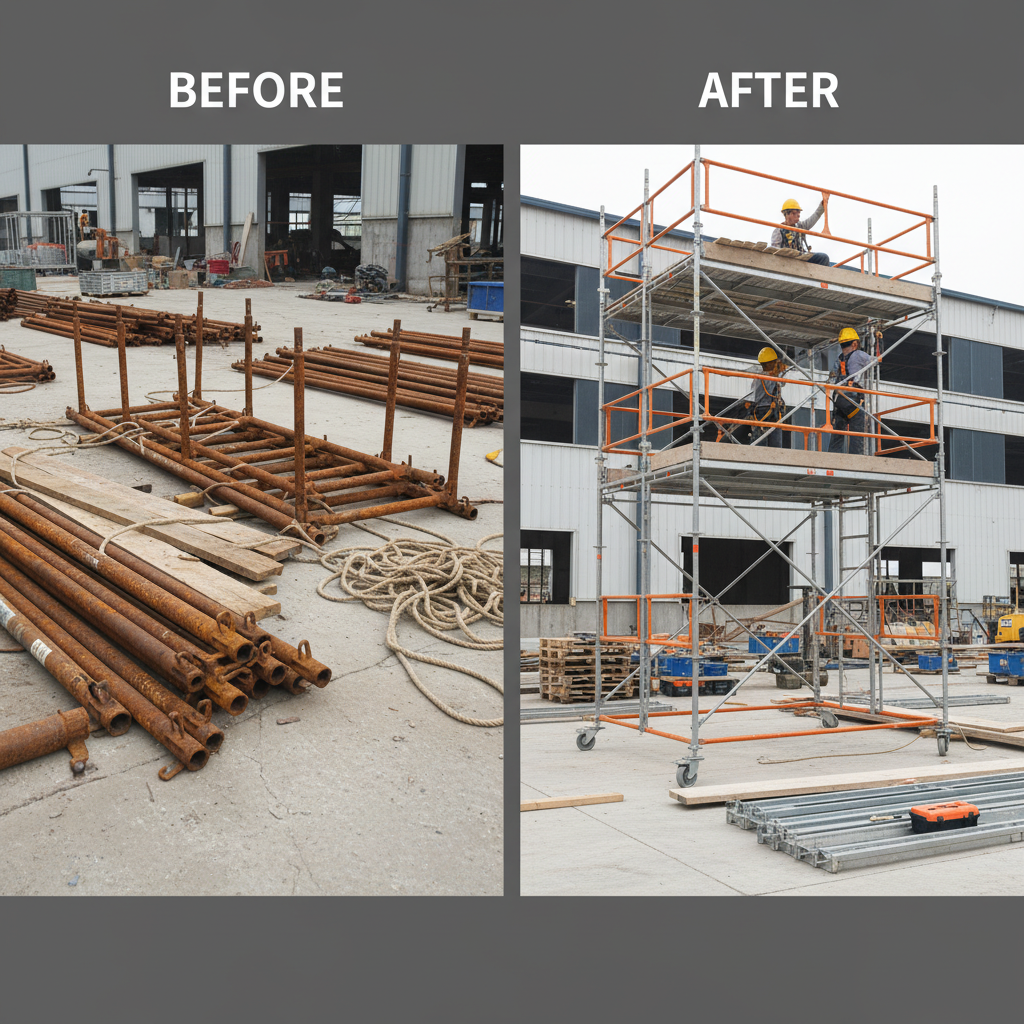
Let's talk about getting real work done. I spend my year not in boardrooms, but on sites – dust, concrete, the whole nine yards. And what I've seen is that getting the right support, quickly and safely, is the difference between a project running on time and a budget blowing up. That's where robust frame scaffold components come in. They’re not just metal and bolts; they're about enabling teams, boosting efficiency, and ultimately, building things better. We’re talking about structures that can adapt, scale, and withstand the pressures of demanding construction schedules.
The demand for reliable access solutions is only growing. Globally, construction is booming, especially in emerging economies. The UN estimates a need for $6.9 trillion in infrastructure investment annually just to meet Sustainable Development Goals. But that growth comes with challenges – skilled labor shortages, tighter safety regulations, and the need for faster project completion. That’s where smart, adaptable frame scaffold components become absolutely critical. It's not just about building taller buildings, it's about building smarter.
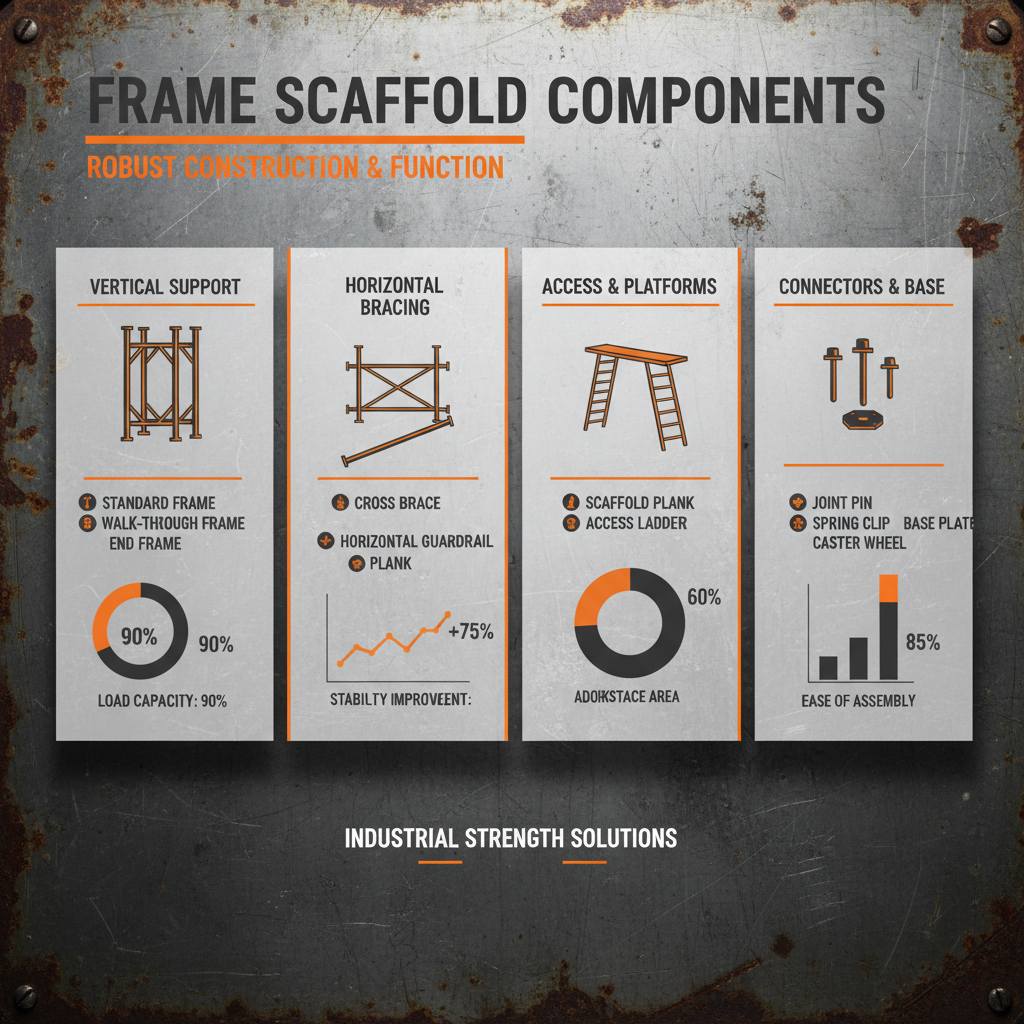
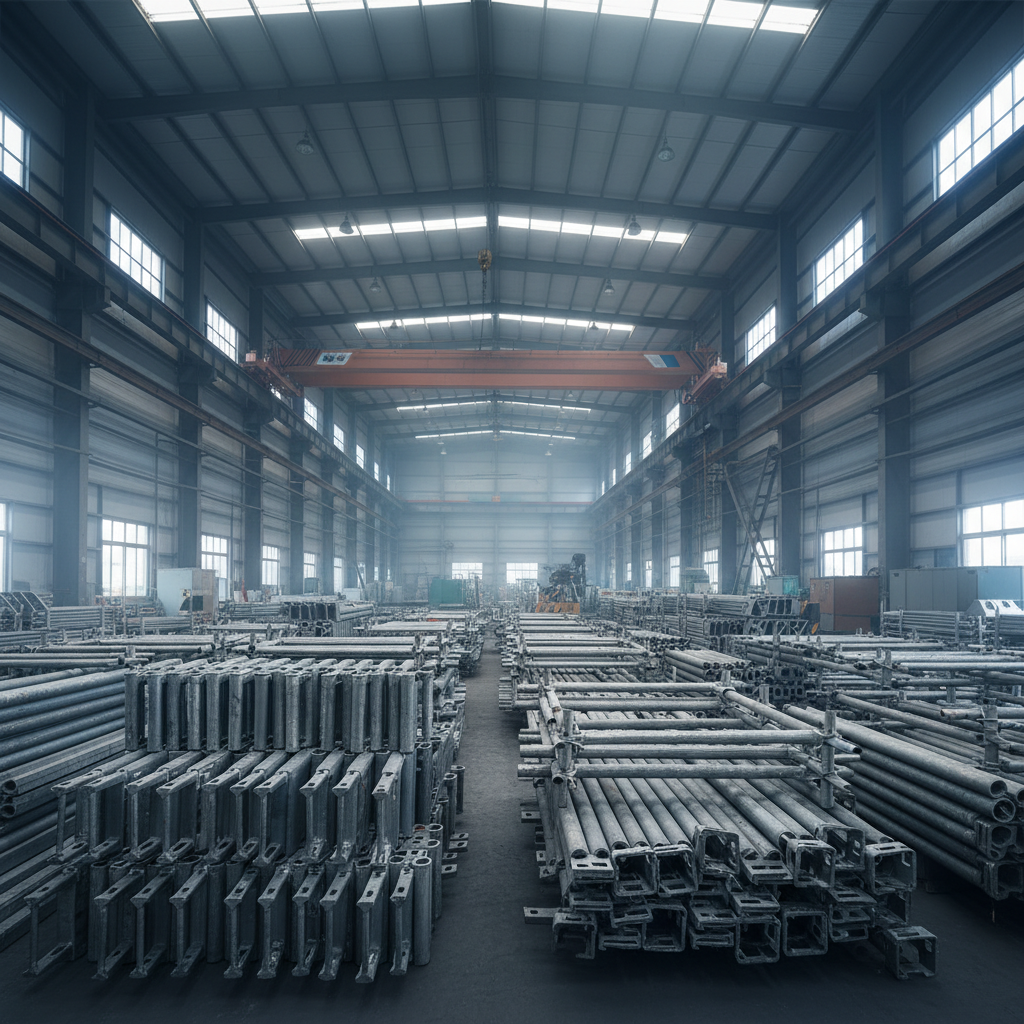
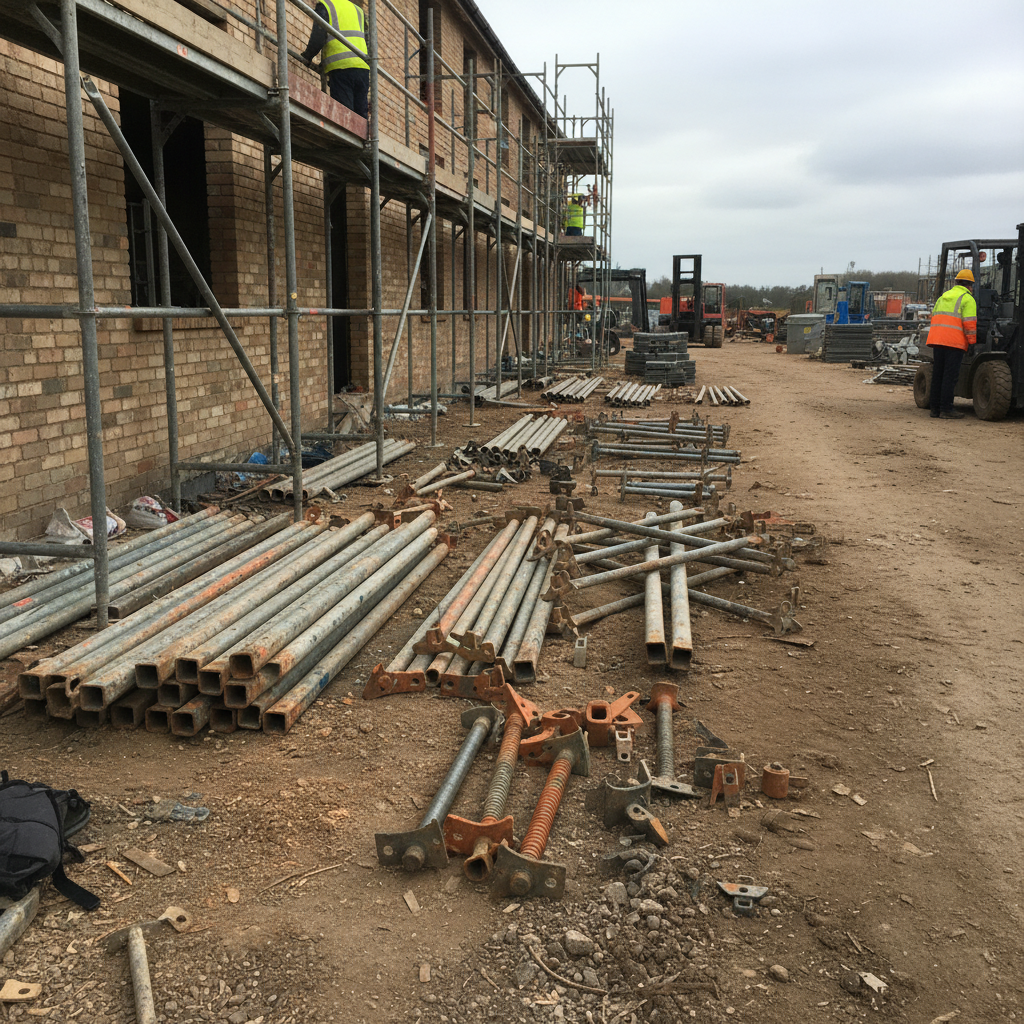
Simply put, frame scaffold components are the building blocks of temporary access structures. Think of them as the modular Lego system for construction. They are pre-fabricated units – frames, ledgers, transoms, bracing – designed to be assembled quickly and safely, providing a stable platform for workers and materials. It’s a far cry from the old days of tube and coupler systems, which were time-consuming and required specialized training. Modern systems, built with high-strength steel and engineered for load-bearing capacity, are a game-changer, especially when facing tight deadlines or complex geometries.
The Importance of Frame Scaffold Components
I've seen projects held up for days just waiting for scaffolding to be erected. That's money vanishing into thin air. Modern frame scaffold components dramatically reduce erection and dismantling times. They're designed for speed, with intuitive connections and pre-engineered components. This isn't just about efficiency; it’s about worker productivity and minimizing downtime.
Beyond speed, safety is paramount. Well-designed frame systems are engineered to meet rigorous safety standards, like those set by OSHA and EN 12811. The secure connections and inherent stability minimize the risk of collapse or component failure, which, frankly, keeps people from getting hurt. And a safe site is a productive site.
Global Context and Industry Relevance
Construction is the backbone of economic development. From the skyscrapers in Shanghai to the infrastructure projects in Africa, the need for safe and efficient access solutions is universal. The World Bank estimates that infrastructure investment in developing countries needs to reach $1.5 trillion per year to meet the demands of a growing population. Frame scaffold components play a critical role in making these projects feasible.
We’re seeing a significant shift towards prefabricated and modular construction methods. This trend is driven by the need to reduce costs, improve quality, and shorten project timelines. Frame scaffolding integrates seamlessly with these methods, providing the necessary access for installing modular units and completing finishing work. It’s a natural fit for the future of construction.
Even in mature markets like North America and Europe, there’s a growing demand for smarter scaffolding solutions. Labor shortages are forcing contractors to look for ways to optimize productivity, and frame systems offer a clear advantage over traditional methods. Sustainability concerns are also driving demand for reusable and durable materials.
Defining Frame Scaffold Components
At its core, a frame scaffold system consists of standardized frames, usually made from high-strength steel. These frames are interconnected using ledgers, transoms, and bracing to create a rigid and stable structure. The beauty is in the simplicity and modularity. Different components can be combined to create a scaffolding system tailored to the specific needs of the project.
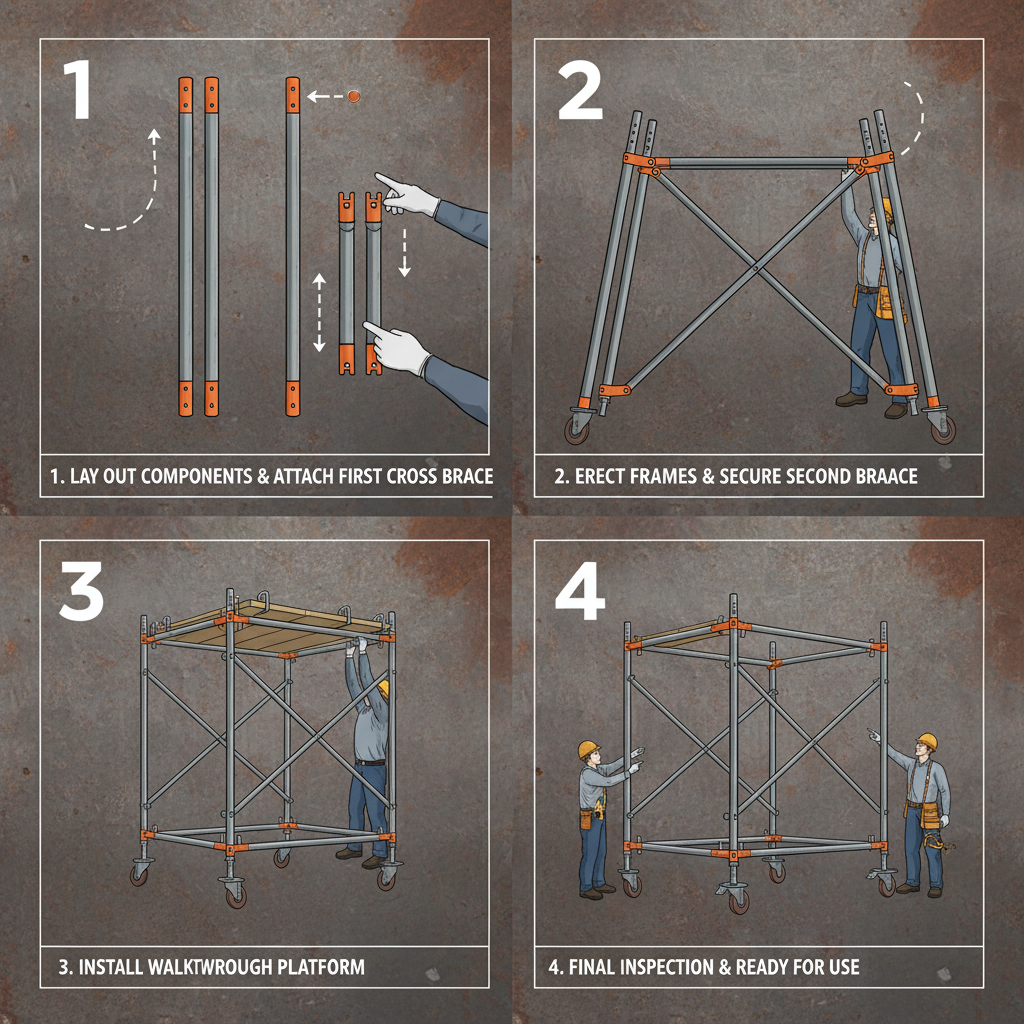
Unlike older tube-and-coupler systems which required skilled labor to cut and fit each piece, frame scaffolding relies on pre-fabricated components and quick-connect mechanisms. This significantly reduces assembly time and lowers the risk of human error. Think of it like building with oversized Lego bricks – it's intuitive and fast.
Modern frame scaffold components often include features like self-closing gates, guardrails, and toe boards to enhance safety. They’re also designed for easy transport and storage, minimizing logistical challenges on the job site.
Key Factors: Durability, Safety & Adaptability
You can't cut corners on durability. These systems take a beating – weather, heavy loads, constant use. High-quality steel, galvanization, and robust welding are non-negotiable. A system that bends, corrodes, or fails prematurely is a liability, not an asset. We look for materials that meet or exceed industry standards.
Safety, as I said before, is king. Guardrails, toe boards, and secure connection points are essential. But it’s not just about the components themselves; it's about the entire system and the training of the workers using it. Proper erection procedures and regular inspections are critical.
Comparative Safety Ratings of Frame Scaffold Component Methods
Real-World Applications & Use Cases
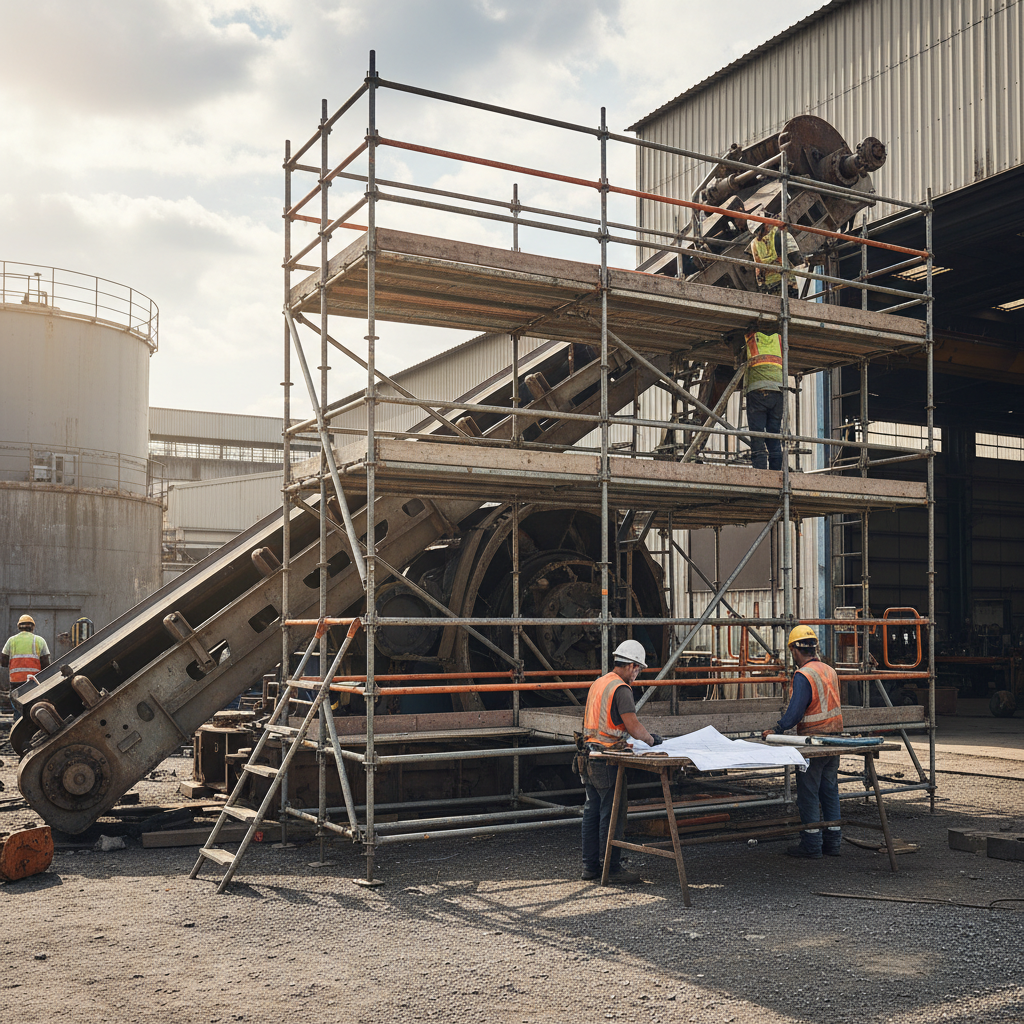
I’ve seen frame scaffold components used in everything from high-rise construction to bridge repairs. In post-disaster relief operations, they’re invaluable for creating safe access for emergency responders. Their speed of deployment is a lifesaver.
In remote industrial zones, where access is limited and skilled labor is scarce, they provide a reliable and easy-to-assemble solution. They are also frequently used for maintenance and repair work on large structures, like power plants and oil refineries.
Long-Term Value & Advantages
Look, initial cost is always a consideration, but you have to look at the total cost of ownership. Frame systems are designed for longevity. With proper maintenance, they can last for years, even decades, reducing the need for frequent replacements. This translates into significant cost savings over the lifespan of the project.
Furthermore, the reduced labor costs associated with faster erection and dismantling times add up quickly. And let's not forget the intangible benefits – improved worker morale, enhanced safety, and a more professional image.
Ultimately, investing in quality frame scaffold components is an investment in the success of the project and the well-being of the workforce. It builds trust, fosters innovation, and delivers tangible results.
Future Trends & Innovations in Frame Scaffolding
We're starting to see the integration of digital technologies into scaffolding systems. Things like real-time monitoring of load capacity, automated safety checks, and even augmented reality applications for assembly guidance. This data-driven approach will further enhance safety and efficiency.
There's also a growing focus on sustainable materials and manufacturing processes. Using recycled steel and minimizing waste are becoming increasingly important. And with the rise of prefabricated construction, we'll likely see even more specialized frame components designed for specific modular building systems.
Finally, automation – drone-assisted inspections and potentially even robotic assembly – could revolutionize the way scaffolding is erected and maintained in the years to come.
Summary of Challenges and Solutions in Frame Scaffold Component Implementation
| Challenge |
Impact on Project |
Proposed Solution |
Implementation Cost (1-10) |
| Lack of Skilled Labor |
Slower erection times, increased safety risks. |
Simplified connection systems, comprehensive training programs. |
6 |
| Complex Project Geometry |
Difficulty adapting scaffolding to irregular shapes. |
Utilizing adjustable frame components and custom designs. |
7 |
| Logistical Challenges |
Delays due to transportation and storage limitations. |
Optimized component packaging and just-in-time delivery systems. |
5 |
| Weather Conditions |
Safety risks and delays due to wind, rain, or ice. |
Utilizing wind-rated components and implementing weather monitoring protocols. |
4 |
| Material Corrosion |
Reduced structural integrity and increased maintenance costs. |
Employing galvanized or powder-coated components for enhanced protection. |
6 |
| Compliance with Safety Regulations |
Potential fines and project delays due to non-compliance. |
Ensuring all components meet relevant safety standards and providing regular inspections. |
8 |
FAQS
Frame scaffolding offers significantly faster erection and dismantling times due to its pre-fabricated components and quick-connect mechanisms. This reduces labor costs and minimizes project downtime. Additionally, frame systems generally offer enhanced safety features and require less specialized training compared to tube and coupler systems. The modular nature also allows for greater flexibility in adapting to complex project geometries.
Safety begins with proper planning and ensuring all components meet relevant safety standards (like OSHA or EN 12811). Always use a qualified person to oversee erection and dismantling. Regular inspections are crucial - check for damaged components, secure connections, and proper bracing. Workers must receive adequate training on safe use and fall protection protocols. Never exceed the maximum load capacity.
With proper maintenance, high-quality frame scaffold components can last for many years, even decades. Regular cleaning, inspection for corrosion, and timely replacement of worn or damaged parts are essential. Galvanized steel components offer superior corrosion resistance and extend the lifespan of the system. Proper storage when not in use also protects against damage.
Frame scaffolds can be used in a variety of weather conditions, but precautions must be taken. Using wind-rated components is essential in areas prone to high winds. During heavy rain or icy conditions, extra bracing may be required to maintain stability. Regularly inspect the structure for any signs of damage caused by weather exposure and address them promptly.
Frame scaffolds are incredibly versatile. You'll find them used for exterior facade work, roofing repairs, bridge construction, interior renovations, and even event staging. They’re ideal for providing access to high areas, supporting heavy loads, and creating safe working platforms. Their modularity makes them adaptable to a wide range of project requirements.
Consider the height and width of the area you need to access, the load-bearing requirements, and any specific challenges posed by the project site. Choose components that meet relevant safety standards and are compatible with each other. Consult with a scaffolding expert to ensure you select the appropriate system for your needs. Don’t underestimate the importance of proper planning.
Conclusion
From the job site dust to the boardroom discussions, it's clear: frame scaffold components are far more than just metal and bolts. They're about unlocking efficiency, boosting safety, and enabling construction teams to deliver projects on time and within budget. Investing in quality scaffolding is investing in the success of the entire operation.
Looking ahead, the integration of digital technologies and sustainable materials will further revolutionize the scaffolding industry. Staying informed about these advancements and embracing innovation will be key to maintaining a competitive edge. If you’re looking for reliable, adaptable, and safe scaffolding solutions, visit our website today to learn more about our products and services.