Different parts of scaffolding are essential components in construction, maintenance, and various industrial applications. They provide temporary access for workers and materials to reach elevated areas safely and efficiently. Understanding the nuances of these structures is crucial for ensuring project success, minimizing risks, and adhering to stringent safety regulations. The global demand for safe and reliable work platforms is consistently increasing, driven by infrastructural development in emerging economies and the need for efficient maintenance of existing structures. This necessity underscores the importance of mastering knowledge regarding different parts of scaffolding.
Globally, the scaffolding industry is a multi-billion dollar market. According to recent reports, the industry is projected to continue its growth trajectory, fueled by urbanization and infrastructure projects, particularly in Asia-Pacific, the Middle East, and Africa. Organizations like the International Organization for Standardization (ISO) play a vital role in setting safety standards and guidelines for scaffolding systems. However, challenges remain in ensuring consistent implementation of these standards, particularly in regions with less developed regulatory frameworks. Effective utilization of different parts of scaffolding also contributes significantly to the overall efficiency of construction projects.
The increasing focus on worker safety and the rising costs associated with accidents have made a thorough understanding of scaffolding systems paramount. This knowledge empowers professionals to select the appropriate type of scaffolding for a specific task, erect it correctly, and maintain it diligently. This ultimately minimizes the risk of falls, collapses, and other workplace hazards.
The Importance of Understanding Different Parts of Scaffolding
Different parts of scaffolding are more than just a collection of metal tubes and planks; they are a carefully engineered system designed to provide a safe and stable working platform. A comprehensive understanding of each component—from the base plates to the guardrails—is vital for ensuring structural integrity and preventing accidents. Ignoring the intricacies of these components can lead to catastrophic failures and serious injuries.
Furthermore, correctly identifying and utilizing different parts of scaffolding allows for greater flexibility and efficiency in construction projects. Choosing the right components for a specific task optimizes workflow, reduces material waste, and ultimately saves time and money. This underscores the financial and logistical benefits of investing in thorough training and knowledge regarding these systems.
Defining Scaffolding and Its Relevance
Scaffolding, in its simplest form, is a temporary structure used to support workers and materials during the construction, maintenance, and repair of buildings, bridges, or other structures. It’s an indispensable element of modern construction, enabling access to areas that would otherwise be unreachable or unsafe to work on. The term ‘different parts of scaffolding’ encompasses a wide range of materials and configurations, each tailored to specific project needs.
The relevance of scaffolding extends beyond construction. It's critical for industrial maintenance, facade restoration, and even event staging. In humanitarian aid contexts, scaffolding-like structures can be adapted for rapid shelter construction and disaster relief efforts. Its adaptability and versatility make it a cornerstone of numerous industries and applications.
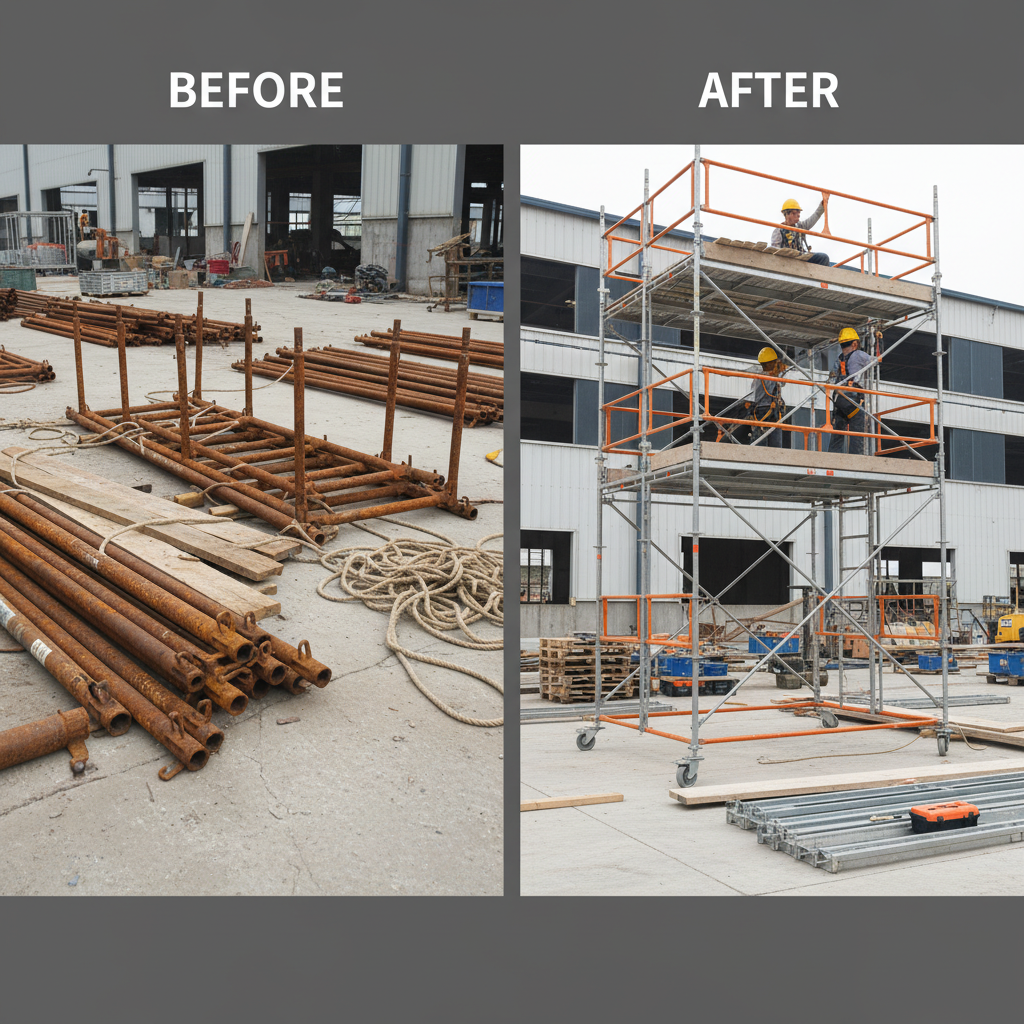
Modern scaffolding systems have evolved significantly from traditional timber structures, incorporating advancements in materials science, engineering, and safety standards. These advancements aim to improve load-bearing capacity, reduce weight, and enhance ease of assembly and disassembly, ensuring a safer and more efficient working environment.
Core Components of Scaffolding Systems
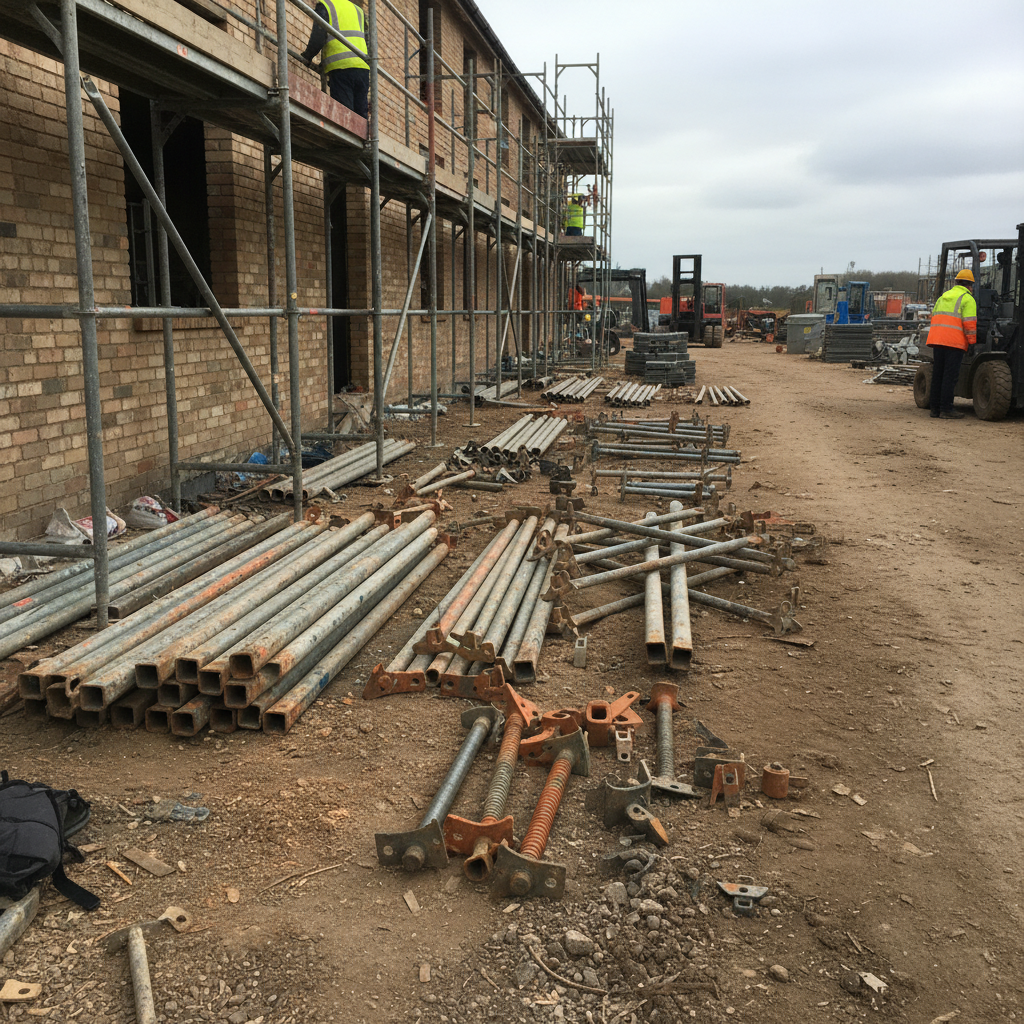
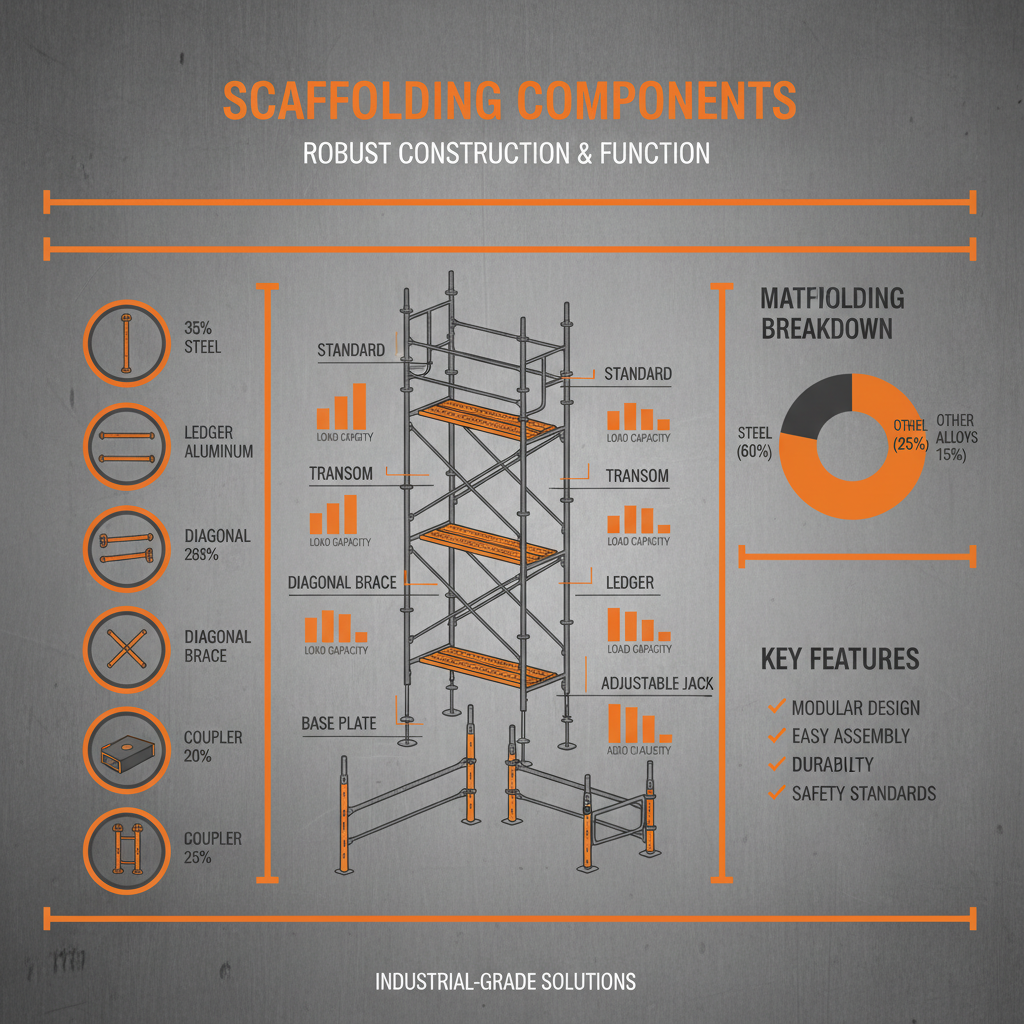
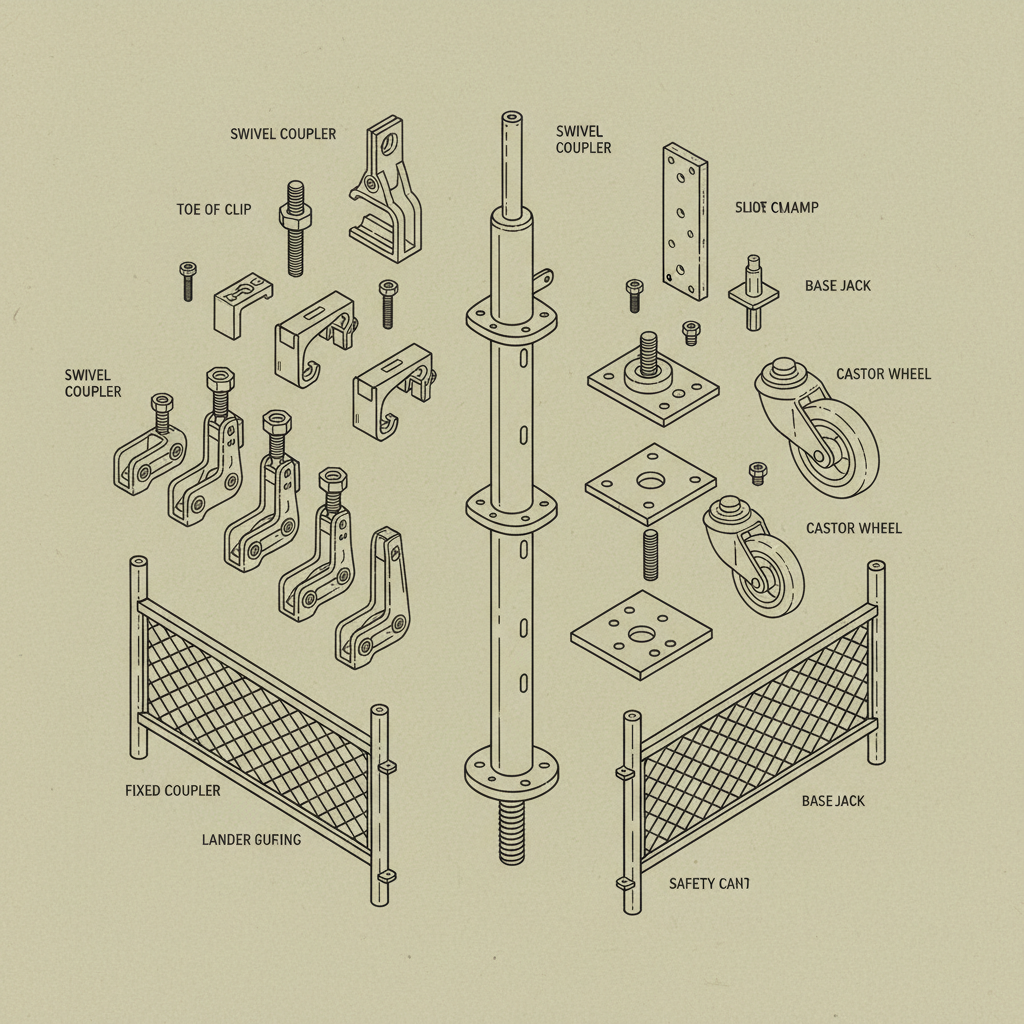
A typical scaffolding system is comprised of several key components, each playing a crucial role in its overall stability and functionality. These include base plates, standards (vertical poles), ledgers (horizontal supports), transoms (cross braces), decking (working platform), guardrails, and bracing. Different parts of scaffolding work in unison to distribute weight and provide a secure work area.
Base plates are the foundation of the structure, transferring the load to the ground. Standards provide vertical support, while ledgers connect standards horizontally, forming the primary framework. Transoms span across ledgers, supporting the decking, which serves as the working platform. Crucially, guardrails and bracing systems are integral for fall protection and enhancing structural rigidity.
The selection of appropriate materials for each component is also vital. Common materials include steel, aluminum, and composite materials, each offering different strength-to-weight ratios and corrosion resistance properties. Understanding the properties of these materials is essential for selecting the optimal scaffolding system for a specific environment and application.
Factors Influencing Scaffolding Selection
Selecting the correct scaffolding type is not a one-size-fits-all process. Several factors must be carefully considered, including the height and width of the work area, the load-bearing requirements, site accessibility, environmental conditions, and safety regulations. Different parts of scaffolding are designed for different applications.
For example, rolling scaffolding is ideal for indoor maintenance tasks, while system scaffolding offers greater flexibility for complex structures. Suspended scaffolding is suitable for working on facades and high-rise buildings, while frame scaffolding is commonly used for general construction work. A thorough assessment of these factors is crucial for ensuring a safe and efficient working environment.
Scaffolding Type Suitability
Global Applications of Scaffolding
The application of scaffolding is truly global, with significant use in infrastructure projects across continents. In Europe, scaffolding is heavily employed for the restoration of historical buildings and ongoing maintenance of aging infrastructure. In North America, it’s a critical component of large-scale construction projects, particularly in the energy sector.
Asia-Pacific represents the fastest-growing market for scaffolding, driven by rapid urbanization and infrastructural development in countries like China, India, and Indonesia. In remote industrial zones, scaffolding provides access for maintenance of oil rigs and pipelines. In post-disaster relief operations, adapted scaffolding structures can provide temporary shelter and aid distribution centers.
Advantages and Long-Term Value
The advantages of using properly designed and erected scaffolding are numerous. Primarily, it significantly enhances worker safety by providing a stable and secure working platform. This reduces the risk of falls and injuries, leading to lower insurance costs and improved employee morale. The efficient use of different parts of scaffolding translates to faster project completion times.
Beyond safety and efficiency, scaffolding offers long-term value through its reusability and durability. Investing in high-quality scaffolding systems can result in significant cost savings over the lifespan of a project. Furthermore, responsible scaffolding practices demonstrate a commitment to sustainability and ethical work practices, fostering trust with clients and stakeholders.
Future Trends in Scaffolding Technology
The scaffolding industry is undergoing a period of innovation, driven by advancements in materials science, digital technology, and automation. The development of lightweight, high-strength composite materials is reducing the weight of scaffolding systems, making them easier to transport and erect. Drone technology is being used for scaffolding inspection and progress monitoring, enhancing safety and efficiency.
Building Information Modeling (BIM) is increasingly integrated into scaffolding design and planning, allowing for more accurate and efficient layouts. Furthermore, the increasing focus on sustainability is driving the development of eco-friendly scaffolding materials and practices. Smart scaffolding systems with integrated sensors are also emerging, providing real-time data on load distribution and structural integrity.
Summary of Scaffolding System Performance Metrics
| Scaffolding Type |
Safety Rating (1-10) |
Erection Speed (1-10) |
Cost Effectiveness (1-10) |
| Frame Scaffolding |
8 |
7 |
6 |
| System Scaffolding |
9 |
6 |
7 |
| Rolling Scaffolding |
7 |
8 |
5 |
| Suspended Scaffolding |
6 |
5 |
4 |
| Tube and Coupler Scaffolding |
7 |
4 |
8 |
| Modular Scaffolding |
8 |
7 |
7 |
FAQS
Frame scaffolding is pre-assembled and easy to erect, suitable for smaller projects, but offers less flexibility. System scaffolding, while requiring more assembly time, provides greater adaptability for complex geometries and can be easily adjusted to changing project needs. Different parts of scaffolding determine the advantages and disadvantages of each system.
Scaffolding should be inspected before each work shift and after any event that could affect its stability, such as severe weather. A qualified person should conduct these inspections to identify any potential hazards or defects. Regular inspection of different parts of scaffolding is crucial for maintaining safety.
Essential safety measures include wearing appropriate fall protection equipment, ensuring proper guardrails are in place, maintaining a clear work area, and adhering to load limits. Training on safe scaffolding practices is vital for all personnel involved. Different parts of scaffolding require different safety protocols.
Common causes include improper erection, overloading, unstable ground conditions, missing or damaged components, and failure to adhere to safety regulations. A thorough understanding of the structural integrity of different parts of scaffolding is essential to prevent collapses.
Ensure your scaffolding complies with relevant industry standards (e.g., OSHA, ISO) and is erected by qualified personnel. Regular inspections and maintenance are crucial, and all workers should receive adequate training. Selecting the right different parts of scaffolding is a key step towards compliance.
Material selection significantly impacts durability. Steel is robust but prone to corrosion, while aluminum offers lighter weight and corrosion resistance. Composite materials provide high strength-to-weight ratios and excellent durability. The correct choice of materials for different parts of scaffolding ensures longevity and safety.
Conclusion
In conclusion, a thorough understanding of different parts of scaffolding is not merely a technical requirement, but a cornerstone of safe, efficient, and sustainable construction practices. From the foundational base plates to the critical guardrails, each component plays a vital role in ensuring worker safety and project success. The ability to select the appropriate scaffolding system, erect it correctly, and maintain it diligently is paramount in minimizing risks and maximizing productivity.
Looking ahead, the scaffolding industry will continue to evolve, driven by technological advancements and a growing emphasis on sustainability. Embracing innovation, prioritizing safety, and investing in ongoing training will be crucial for professionals in this field. For more information on scaffolding solutions and services, visit our website: www.wrkformwork.com