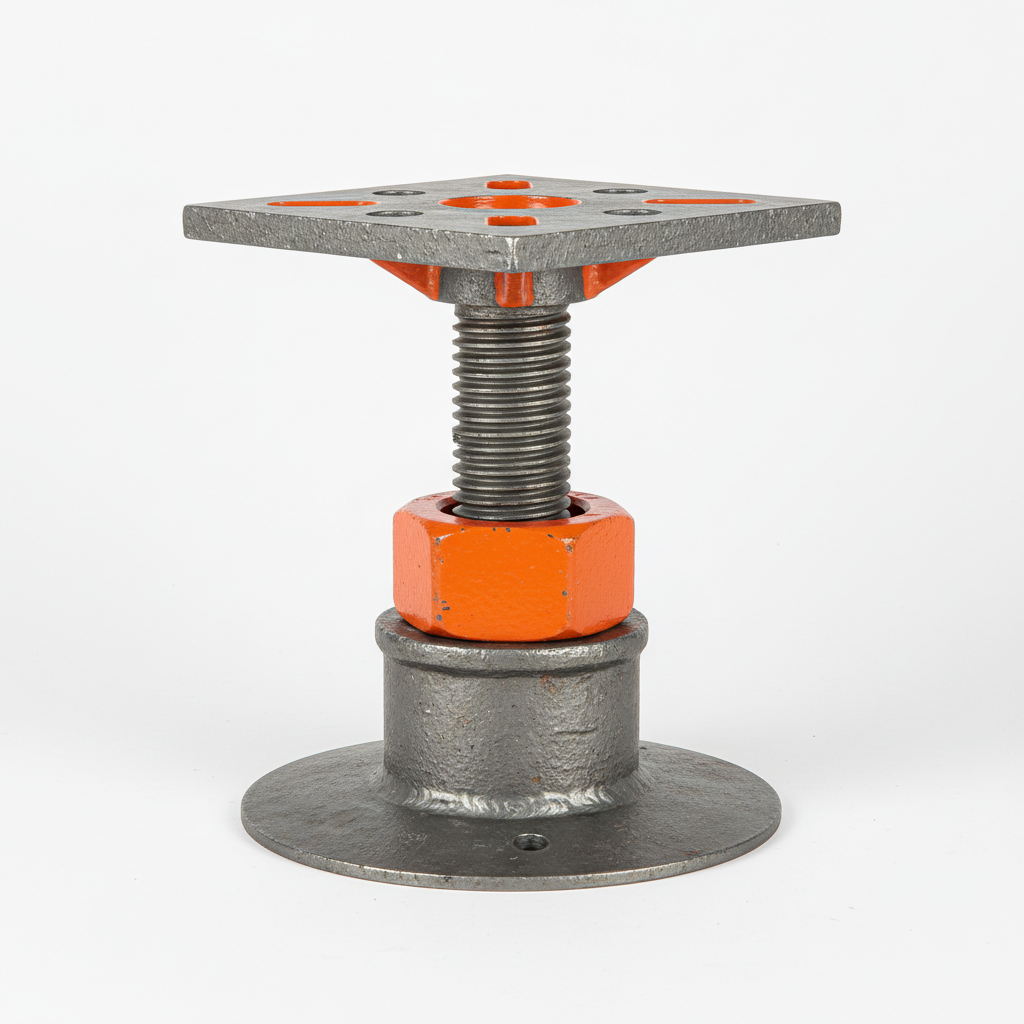
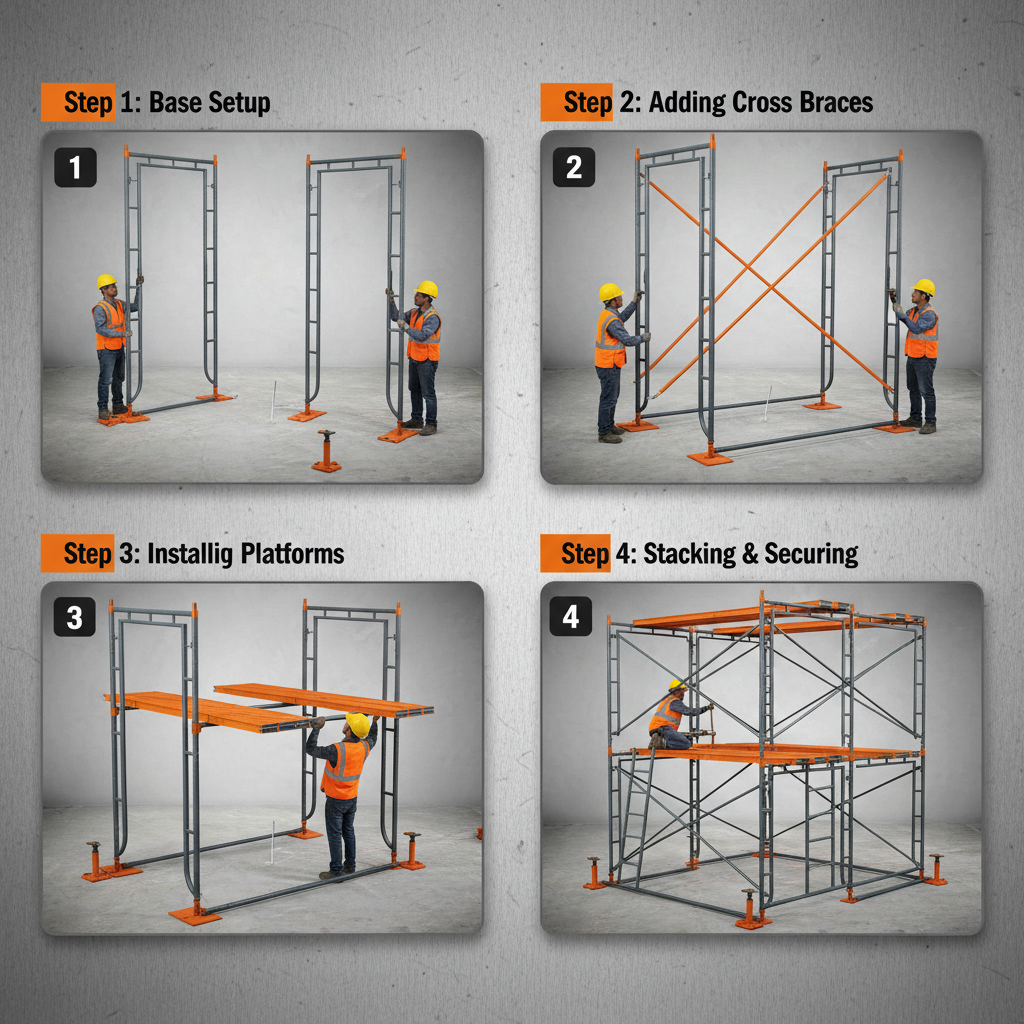
easy scaffolding systems are revolutionizing construction and disaster relief efforts globally. These innovative solutions offer rapid deployment, cost-effectiveness, and enhanced safety compared to traditional methods. The increasing demand for quick and reliable infrastructure, driven by urbanization and a growing vulnerability to natural disasters, has made easy scaffolding systems a crucial element in modern development. Understanding these systems is vital for architects, engineers, humanitarian organizations, and governments alike, as they represent a paradigm shift in how we build and respond to crises.
The global construction industry is facing increasing pressures – tighter budgets, shorter timelines, and a growing need for sustainable practices. easy scaffolding systems directly address these challenges, providing a flexible and adaptable building solution. Moreover, the humanitarian sector frequently requires rapid deployment of shelter and infrastructure in emergency situations; easy scaffolding systems fulfill this critical need, offering scalable and durable solutions for disaster-affected populations. The economic and social benefits are substantial, making them increasingly prominent in international development agendas.
From supporting large-scale infrastructure projects to providing immediate shelter in the wake of natural disasters, the applications of easy scaffolding systems are diverse and impactful. Their adaptability and ease of assembly are key advantages, contributing to faster project completion and reduced labor costs.
Introduction to easy scaffolding systems
easy scaffolding systems represent a significant advancement in modular construction and temporary infrastructure. They are designed for quick assembly and disassembly, minimizing construction time and labor costs. These systems often utilize lightweight yet robust materials, making them easily transportable and adaptable to diverse site conditions. easy scaffolding systems are increasingly preferred for projects requiring speed, flexibility, and cost-efficiency.
The benefits of employing easy scaffolding systems extend beyond mere construction speed. They contribute to safer working environments by reducing the need for extensive on-site fabrication and minimizing the risk of falls. Furthermore, the modular nature of these systems allows for easy modification and expansion, accommodating changing project requirements. These factors contribute to a more efficient and streamlined construction process.
Defining easy scaffolding systems
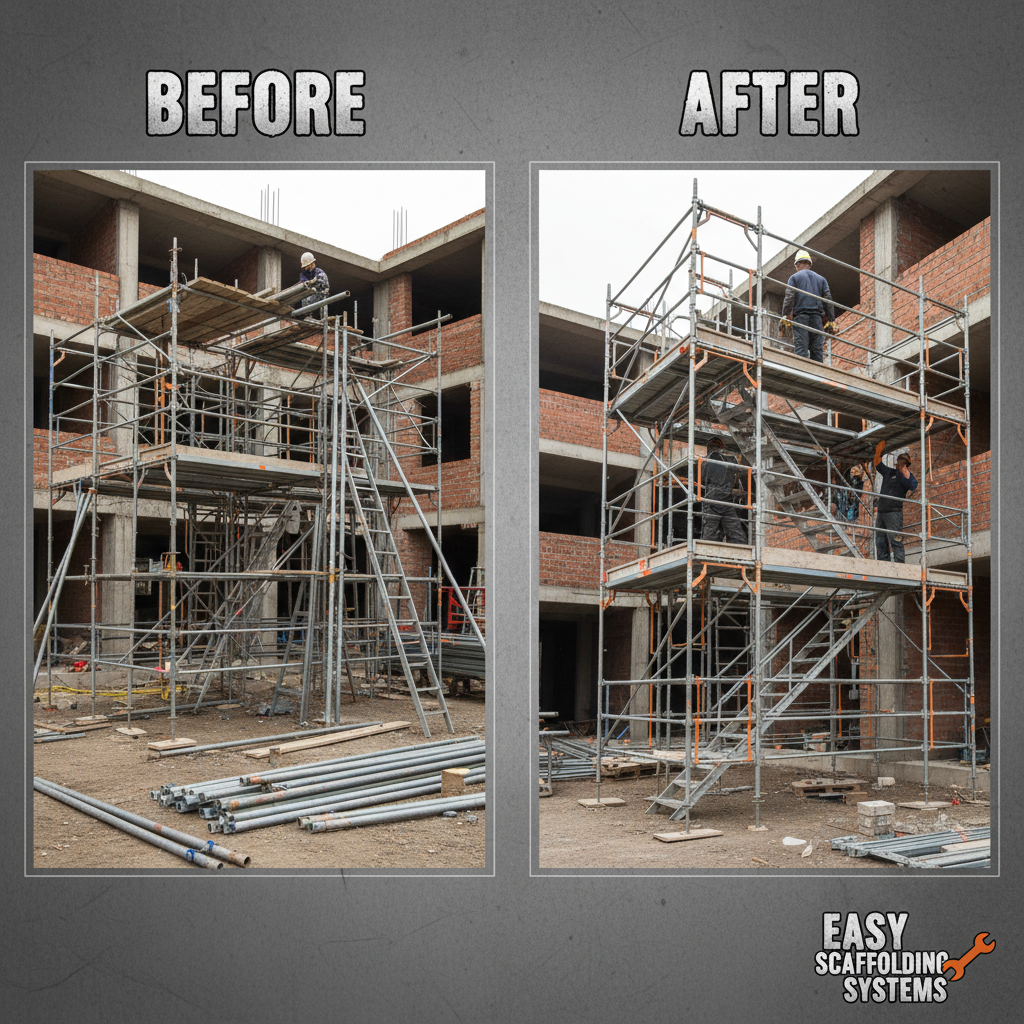
easy scaffolding systems are pre-engineered, modular frameworks designed for rapid construction of temporary or permanent structures. Unlike traditional scaffolding, which often requires extensive on-site assembly, these systems are typically composed of prefabricated components that connect easily, minimizing the need for specialized skills or tools. They are often constructed from materials like aluminum, steel, or composite materials, offering a balance of strength, lightness, and durability.
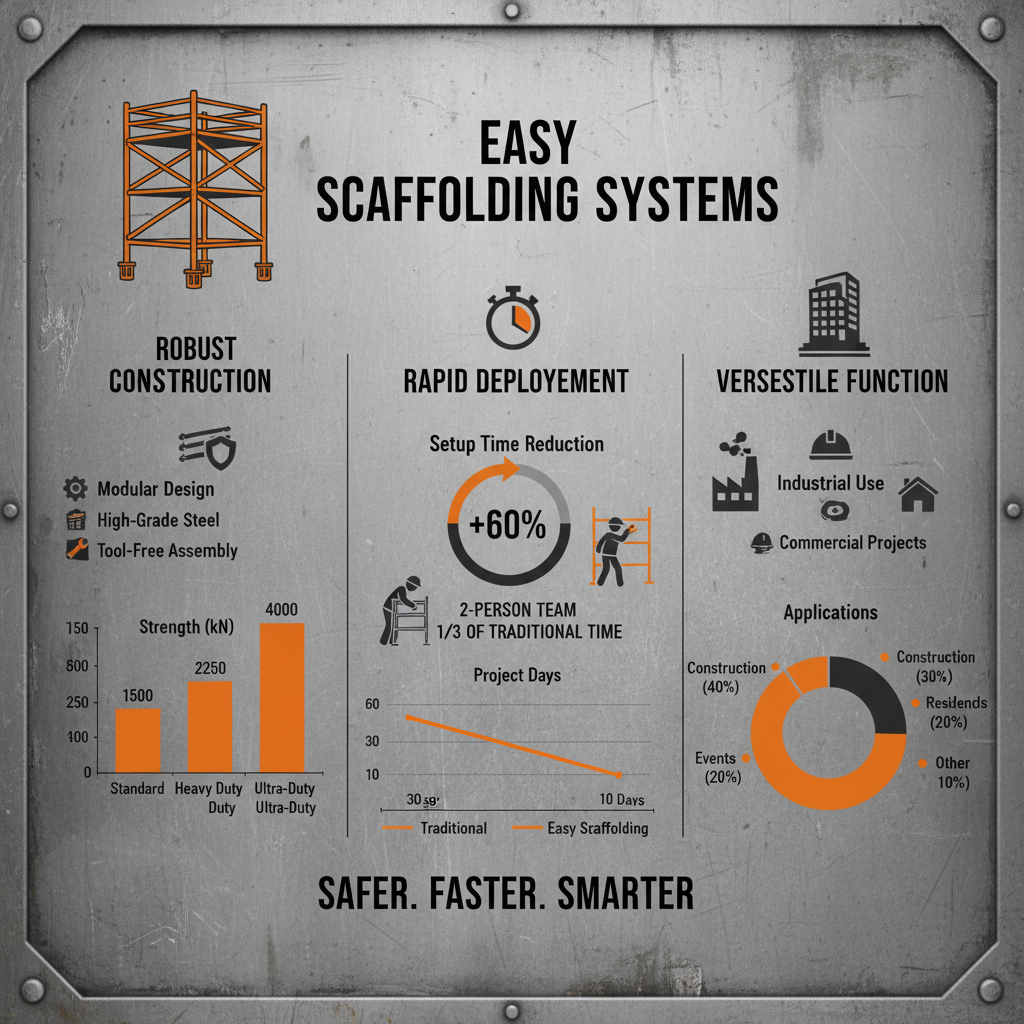
The core principle behind easy scaffolding systems is to simplify the building process. This translates to reduced labor costs, faster project completion times, and improved safety. They are a crucial component in responding to urgent needs, such as providing emergency shelters or building temporary hospitals. They’re particularly relevant in situations where traditional construction methods are impractical or too slow.
These systems are increasingly utilized across a range of industries, from construction and event management to disaster relief and humanitarian aid. Their versatility and adaptability make them a valuable asset in diverse applications, representing a modern approach to building and infrastructure development.
Core Components of easy scaffolding systems
Several key factors contribute to the effectiveness of easy scaffolding systems. First, Durability is paramount. The materials used must withstand environmental stresses and the loads imposed by the structure. Second, Scalability enables the system to be easily expanded or reconfigured to meet changing needs. Third, Cost Efficiency is a significant driver, reducing labor and material expenses compared to traditional methods.
Fourth, Ease of Assembly is critical – systems must be straightforward to erect and dismantle, minimizing the need for highly skilled labor. Fifth, Portability allows for efficient transportation to remote or challenging locations. Finally, Safety is non-negotiable; the system must adhere to stringent safety standards and provide a secure working environment. These factors collectively contribute to the overall success of easy scaffolding systems.
These core components are interconnected; a highly durable system is often also more expensive, requiring a balance between cost and performance. Similarly, ease of assembly should not compromise structural integrity. A well-designed easy scaffolding system optimizes all these factors to deliver a reliable, efficient, and safe building solution.
Global Applications and Use Cases
easy scaffolding systems find application across a vast spectrum of industries and scenarios. In the construction sector, they’re used for erecting temporary structures, supporting formwork during concrete pouring, and providing safe access for workers. In event management, they form the backbone of stages, exhibition booths, and spectator stands. easy scaffolding systems are crucial for creating temporary infrastructure quickly and safely.
In post-disaster relief operations, these systems are invaluable for rapidly deploying emergency shelters, field hospitals, and logistical hubs. Regions prone to earthquakes, hurricanes, or flooding benefit immensely from the swift response capabilities they offer. For instance, after the 2010 Haiti earthquake, modular shelters built with easy scaffolding systems provided immediate housing for thousands of displaced people.
Furthermore, in remote industrial zones, such as mining camps or oil rigs, they provide quick and adaptable housing and workspace solutions. They are also increasingly utilized in the renewable energy sector for constructing wind turbine towers and solar panel installations, demonstrating their versatility and adaptability to diverse environments.
Performance Comparison of easy scaffolding systems Methods
Advantages and Long-Term Value
The advantages of easy scaffolding systems are multifaceted. Tangibly, they offer significant cost savings through reduced labor, faster project completion, and minimized material waste. The sustainability aspect is also notable, as many systems utilize recyclable materials and reduce the environmental impact of construction. The ability to quickly deploy and reconfigure structures provides unparalleled flexibility.
Beyond the practical benefits, easy scaffolding systems contribute to improved safety and worker wellbeing. The inherent stability and secure connections reduce the risk of accidents, fostering a safer working environment. The speed and efficiency of construction also boost morale and project confidence. This results in a more positive and productive construction process.
Future Trends and Innovations
The future of easy scaffolding systems is poised for significant innovation. We are seeing a growing trend towards integrating digital technologies, such as Building Information Modeling (BIM), to optimize design and construction processes. Automation and robotics are also playing an increasing role, streamlining assembly and disassembly procedures.
Furthermore, research into new materials – including lightweight composites and bio-based materials – is driving the development of more sustainable and environmentally friendly systems. The integration of smart sensors and monitoring systems will enhance safety and structural integrity, enabling real-time assessment of load capacity and environmental conditions.
Challenges and Solutions
Despite their numerous advantages, easy scaffolding systems face certain challenges. One common limitation is the initial investment cost, which can be higher than traditional scaffolding. However, this cost is often offset by long-term savings in labor and material expenses. Ensuring compatibility with existing construction practices and regulations is another hurdle.
Solutions involve promoting standardization of components and developing training programs for construction workers. Addressing concerns about structural integrity requires rigorous testing and certification processes. Collaboration between manufacturers, engineers, and regulatory bodies is crucial to overcome these challenges and unlock the full potential of easy scaffolding systems.
Continued research and development will focus on improving the durability, versatility, and sustainability of these systems, making them an even more attractive solution for a wide range of construction and disaster relief applications.
Summary of Challenges and Solutions for easy scaffolding systems
| Challenge |
Impact Level (1-10) |
Potential Solution |
Implementation Cost (USD) |
| High Initial Investment |
7 |
Long-Term Cost Analysis & Leasing Options |
5,000 |
| Lack of Standardization |
8 |
Industry-Wide Standardization Initiatives |
10,000 |
| Skills Gap in Assembly |
6 |
Comprehensive Training Programs |
3,000 |
| Regulatory Compliance Issues |
7 |
Collaboration with Regulatory Bodies |
2,000 |
| Material Durability Concerns |
5 |
Research & Development of Advanced Materials |
15,000 |
| Logistical Challenges in Remote Areas |
9 |
Optimized Transportation & Local Assembly Hubs |
7,000 |
FAQS
easy scaffolding systems offer several key advantages over traditional scaffolding. They are significantly faster to assemble and disassemble, reducing labor costs and project timelines. They are often lighter and more portable, making them ideal for remote or challenging locations. Additionally, they frequently incorporate enhanced safety features and require less specialized skill to erect, contributing to a safer working environment.
The durability of easy scaffolding systems varies depending on the materials used and the specific design. However, most systems are constructed from robust materials like aluminum or steel, and are engineered to withstand significant wind loads, rain, and other environmental stresses. It’s crucial to select a system designed for the anticipated weather conditions and to follow proper installation and maintenance guidelines.
Look for systems that comply with relevant international safety standards such as OSHA (Occupational Safety and Health Administration) in the United States, or EN 12811 in Europe. Ensure the system has been thoroughly tested and certified by an independent organization. Proper training for those assembling and using the system is also essential for ensuring safe operation.
While some easy scaffolding systems are suitable for low-to-medium rise construction, high-rise projects often require more specialized and robust scaffolding solutions. However, advancements in materials and design are extending the capabilities of these systems, and certain modular systems are now being used in high-rise applications, particularly for façade work and temporary enclosures.
The lifespan of an easy scaffolding system depends on factors such as material quality, usage frequency, and maintenance practices. With proper care and maintenance, a well-constructed system can last for many years, providing a significant return on investment. Regular inspections, cleaning, and replacement of worn or damaged components are essential for maximizing lifespan.
The initial investment for easy scaffolding systems can sometimes be higher than traditional scaffolding. However, the total cost of ownership is often lower due to reduced labor requirements, faster project completion times, and lower maintenance costs. Additionally, the reusability of the system contributes to long-term savings.
Conclusion
easy scaffolding systems represent a transformative approach to construction and disaster response. Their inherent advantages – speed, cost-efficiency, safety, and adaptability – make them increasingly valuable assets in a world facing rapid urbanization, growing infrastructure demands, and escalating natural disasters. By embracing these innovative solutions, we can build more efficiently, respond more effectively to crises, and create more sustainable and resilient communities.
Looking ahead, continued investment in research and development, standardization efforts, and workforce training will be crucial to unlock the full potential of easy scaffolding systems. The integration of digital technologies and sustainable materials will further enhance their performance and environmental benefits. To learn more about how easy scaffolding systems can benefit your project, visit our website: www.wrkformwork.com.