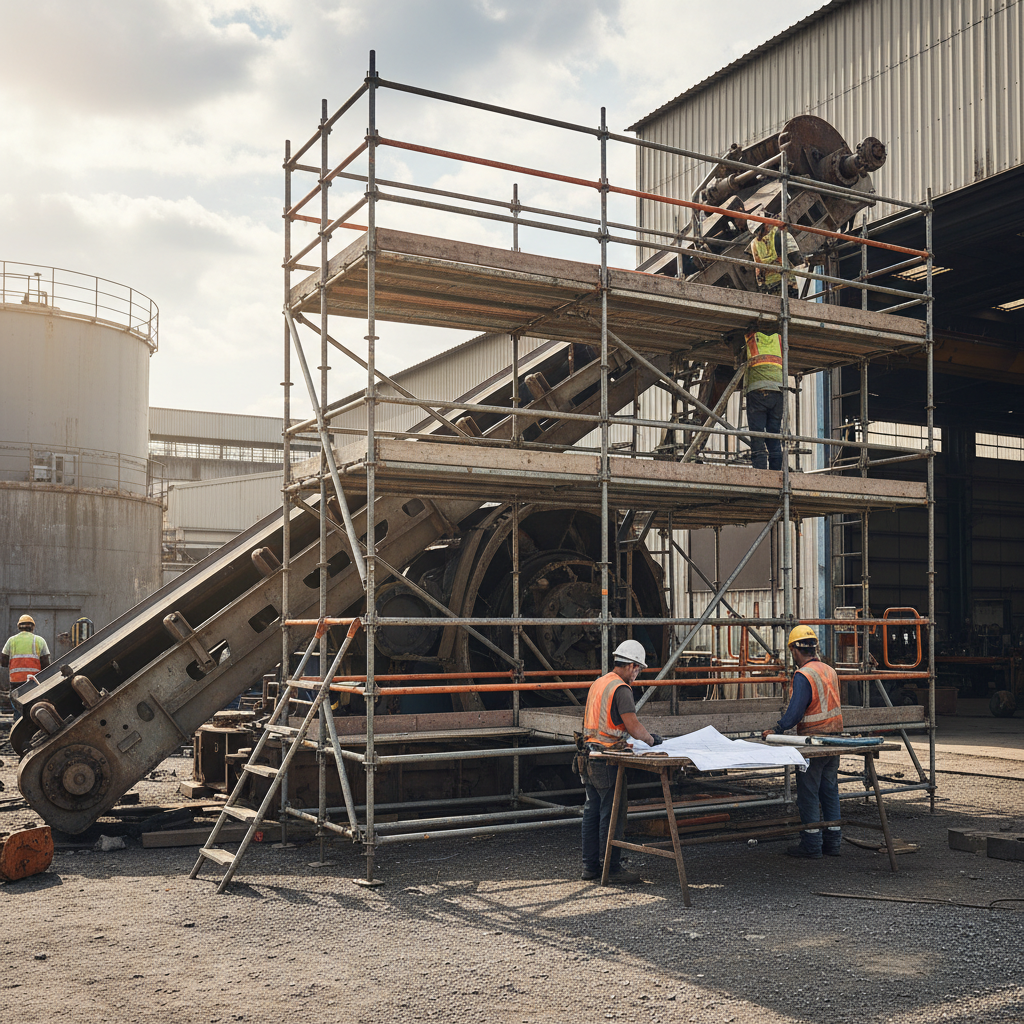
Look, I’ve been on sites all over the world, wrestling with steel, concrete, and the constant need for safe, efficient access. And frankly, h frame scaffolding, it’s a workhorse. It’s the backbone of so much construction, maintenance, and even events. It’s not sexy, but it's essential. It’s the reason guys and gals can get the job done safely and effectively, and it’s a system that's evolved over decades to become surprisingly versatile. We’re talking about a fundamental element of building, impacting everything from small renovations to massive infrastructure projects.
What gets me is how often I see it misused or undervalued. Guys will throw something together thinking “it’ll hold” without proper planning, inspection, or adherence to safety protocols. That’s where things go south. Good h frame scaffolding isn’t just about the tubes and joins; it's about understanding load capacities, proper bracing, and a systematic approach to erection and dismantling. It’s a system, and when the system works, it’s beautiful in its simplicity. That's why understanding its nuances is crucial for everyone on site.
The global demand for robust, reliable access solutions is only increasing, driven by urbanization, infrastructure development, and a growing focus on worker safety. And that means h frame scaffolding – in its various forms – will continue to be a cornerstone of construction globally. It's a constant, and it's getting more critical as projects become more complex and the need for speed and safety intensifies. It’s not going anywhere.
Defining H Frame Scaffolding: A Practical Overview
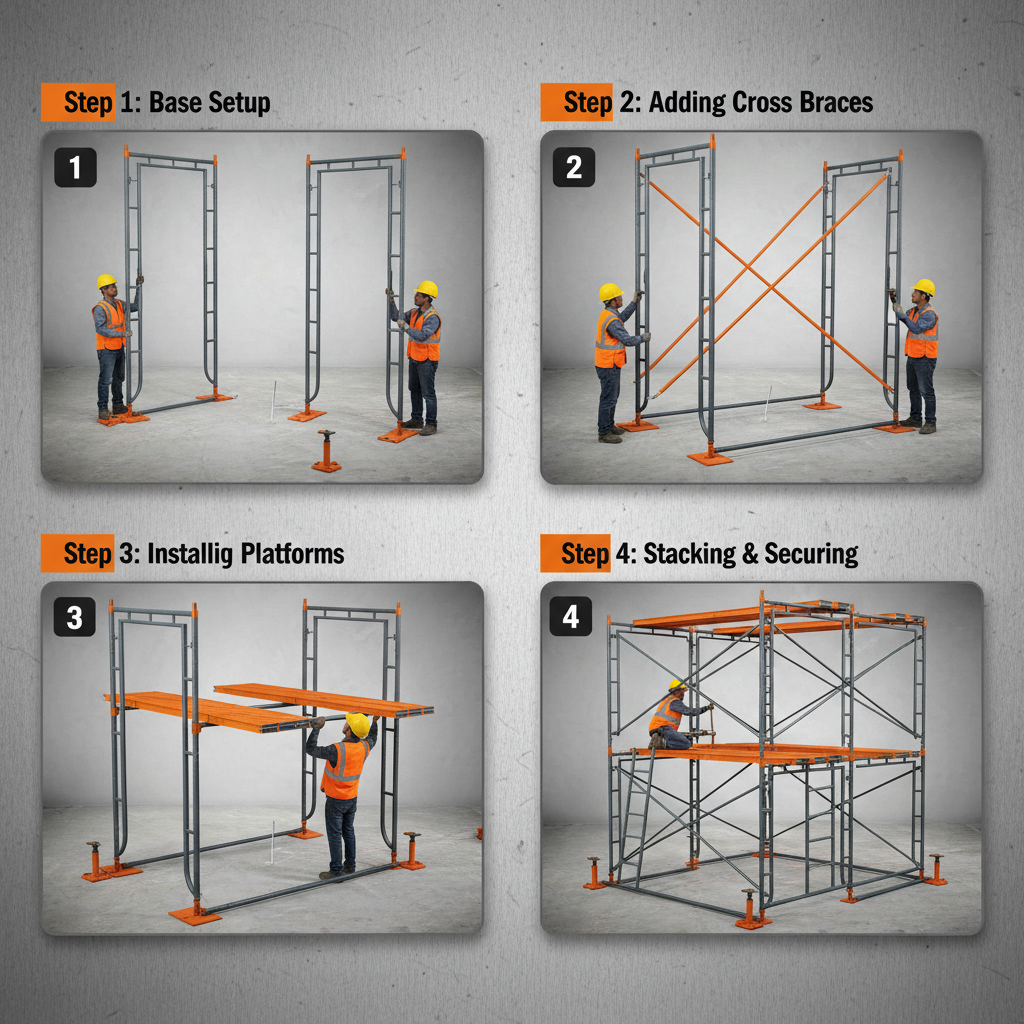
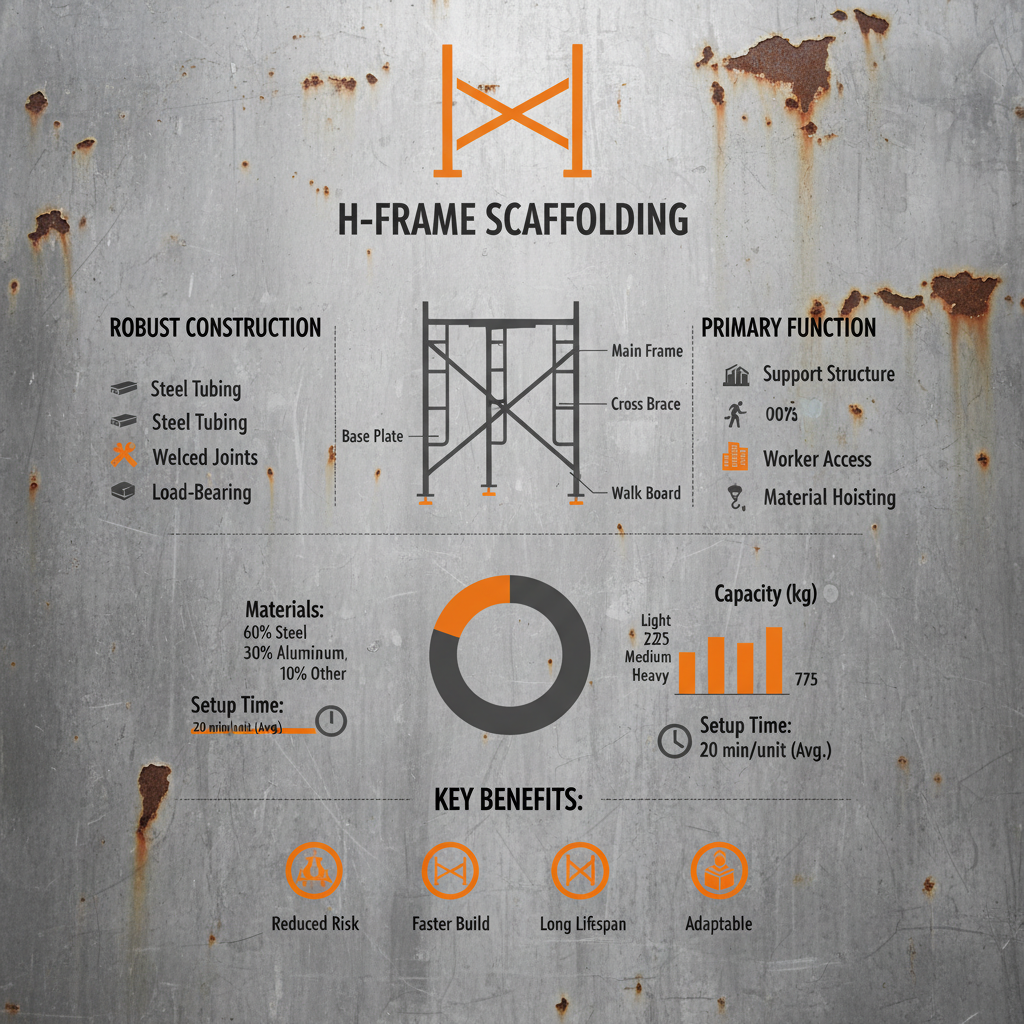
Simply put, h frame scaffolding is a modular, freestanding access solution built around a series of interconnected ‘H’ shaped frames. These frames, typically constructed from steel or aluminum, are joined together horizontally and vertically using ledger and transoms to create a stable platform. It’s designed for relatively low-level work, making it ideal for interior projects, facade work on lower floors, and maintenance tasks. It’s not the solution for skyscrapers, but for a massive chunk of construction, it’s perfect.
What I appreciate about it, compared to tube and coupler systems, is the speed of erection. Less fiddling with individual tubes and more pre-fabricated components. That translates to less man-hours, which means lower project costs. It directly connects to the modern need for efficiency in construction. It's about getting the job done right, and getting it done fast. And crucially, when erected properly, it provides a safe working environment.
The Global Relevance of H Frame Scaffolding
The demand for h frame scaffolding is directly tied to the global construction boom. The UN projects a global population increase of nearly 2 billion by 2050, which translates to a massive need for new housing, infrastructure, and commercial buildings. According to the World Bank, construction accounts for roughly 6% of global GDP, and access solutions like scaffolding are integral to that economic activity. It's not just about new builds, either. Maintenance and renovation of existing structures represent a huge ongoing market.
I’ve worked on projects in developing nations where proper access wasn’t even considered a priority, and the risks were staggering. That’s changing, thankfully, driven by international safety standards (ISO 45001, for example) and increased awareness of the ethical and economic costs of accidents. H frame scaffolding, when used correctly, becomes part of a responsible and sustainable construction approach.
The challenge, and it’s a big one, is ensuring consistent safety standards across the board. In many regions, there’s a lack of training and regulation, leading to unsafe practices and a higher risk of incidents. Addressing this gap requires investment in education, certification programs, and stricter enforcement of safety protocols.
Core Components and Design Considerations
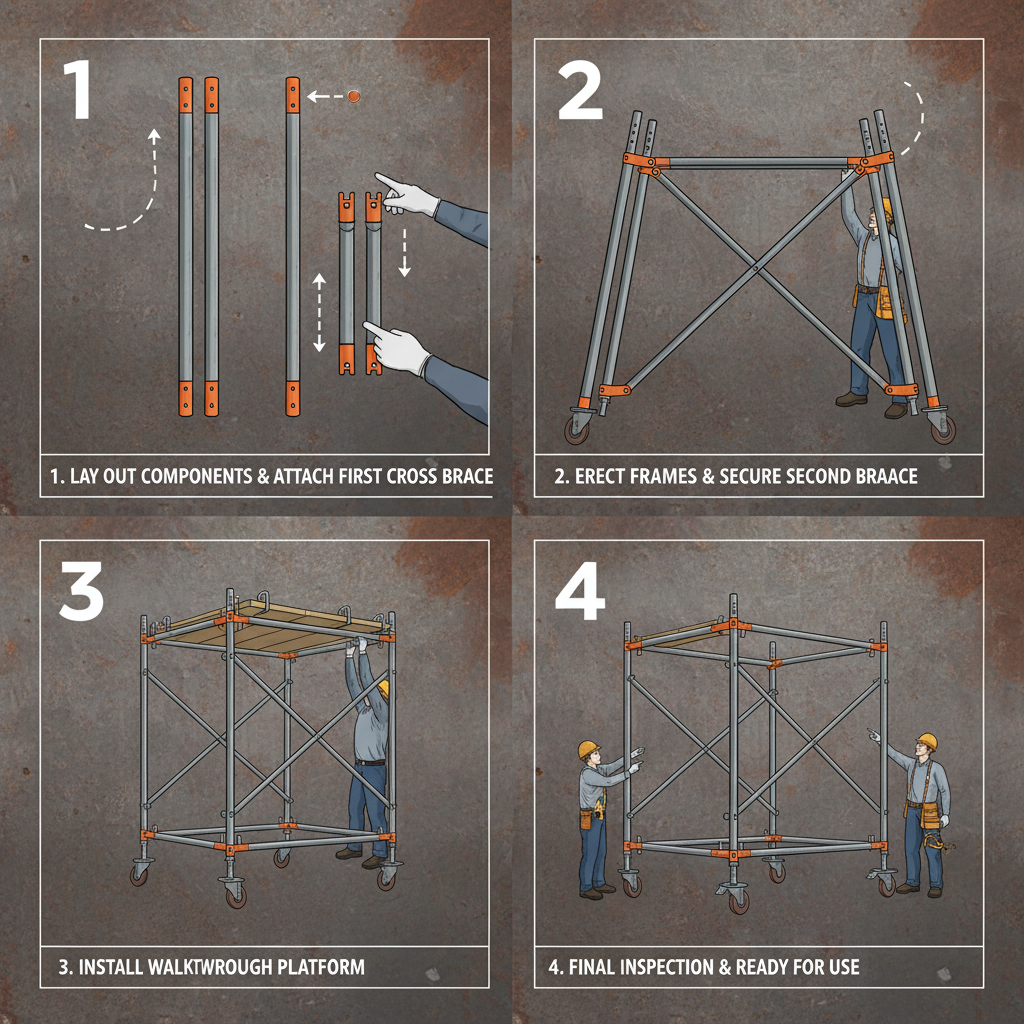
At its heart, h frame scaffolding consists of the ‘H’ frames themselves, typically made of steel or aluminum. Then you have the ledgers – horizontal tubes that connect the frames side-to-side – and transoms – tubes that span across the ledgers to support the working platform. Bracing is critical – diagonal supports that provide stability and prevent sway. And of course, the working platform itself, usually made of timber or metal decking. It sounds simple, but each component has to be correctly sized, installed, and inspected.
Design considerations are paramount. Load capacity is the first thing. You have to know how much weight the scaffolding can safely support – workers, materials, tools. That’s dictated by the materials used, the frame dimensions, and the bracing configuration. Ground conditions are also huge. Uneven or unstable ground requires baseplates and additional support to prevent sinking or tipping. And don’t forget wind loads! A fully erected scaffold acts like a sail, so it needs to be designed to withstand expected wind forces.
Proper connection methods are another critical element. Ensuring that all joins are secure and properly locked is non-negotiable. Using the correct couplers and pins, and inspecting them regularly, can prevent catastrophic failures. It's the little things that make the biggest difference. You’d be surprised how often failures are traced back to a missing pin or a loose connection.
Key Factors Driving H Frame Scaffolding Selection
When I’m advising a client on the best access solution, several factors come into play. First is the height and span of the work area. H frame scaffolding is ideal for relatively low-level access, typically up to six meters. Beyond that, you’re usually looking at other systems. Then there’s the complexity of the structure. Simple, rectangular facades are a breeze. Complex geometries may require additional bracing or customized solutions.
Cost is always a consideration, but it shouldn’t be the only consideration. Cheap scaffolding can be a false economy if it compromises safety or requires frequent repairs. Durability, scalability, and ease of assembly all factor into the overall cost-benefit analysis.
H Frame Scaffolding Selection Criteria
Real-World Applications and Use Cases
You’ll find h frame scaffolding everywhere. Exterior painting and decorating projects, particularly on residential buildings, are a common application. It's perfect for applying render, installing cladding, or repairing brickwork. I've also seen it extensively used in interior fit-out projects – installing drywall, painting ceilings, or running electrical wiring.
In post-disaster relief operations, h frame scaffolding can be quickly deployed to provide temporary access for damage assessment and repair work. It’s a relatively lightweight and portable system, which makes it ideal for these situations. And in remote industrial zones, where access is limited and speed is essential, it's often the only viable option for maintenance and repair of equipment.
Long-Term Value and Economic Benefits
The initial cost of h frame scaffolding is relatively low compared to some other access solutions. But the real economic benefits come from its speed of erection and dismantling, reduced labor costs, and minimal maintenance requirements. A well-maintained h frame scaffold can last for years, providing a reliable return on investment. It's not a one-time expense; it's an asset.
From a sustainability perspective, using durable scaffolding that can be reused multiple times reduces waste and minimizes the environmental impact of construction projects. And a safe working environment, facilitated by properly erected scaffolding, reduces the risk of accidents and associated costs – medical bills, lost productivity, and potential legal liabilities.
Ultimately, h frame scaffolding offers a balance of cost-effectiveness, efficiency, and safety that makes it a valuable asset for any construction project. It's about working smarter, not harder, and protecting the most important resource – your people.
Future Trends and Innovations in H Frame Scaffolding
We’re seeing a growing trend towards lightweight aluminum scaffolding, which is easier to transport and erect, and offers improved corrosion resistance. Smart scaffolding, equipped with sensors to monitor load levels, wind speeds, and structural integrity, is also on the horizon. These sensors can provide real-time data to workers and supervisors, enhancing safety and preventing accidents.
Digital tools, like BIM (Building Information Modeling), are being used to design and plan scaffolding layouts more efficiently, optimizing material usage and minimizing erection time. And there’s a growing focus on incorporating sustainable materials and manufacturing processes into scaffolding production.
The integration of automation and robotics is also a possibility, particularly for repetitive tasks like lifting and positioning scaffolding components. While fully automated scaffolding is still some way off, the potential for increased efficiency and safety is significant.
Summary of Challenges and Potential Solutions for H Frame Scaffolding
| Challenge |
Impact on Safety |
Potential Solution |
Implementation Cost (1-10) |
| Inadequate Training |
Increased risk of improper erection and collapse. |
Mandatory certification programs and regular refresher courses. |
6 |
| Insufficient Inspection |
Unidentified structural weaknesses and potential hazards. |
Regular inspections by qualified personnel and detailed reporting. |
4 |
| Use of Substandard Materials |
Compromised structural integrity and increased risk of failure. |
Strict adherence to quality standards and sourcing from reputable suppliers. |
7 |
| Poor Ground Conditions |
Scaffold instability and potential for tipping or sinking. |
Proper baseplate selection and ground stabilization techniques. |
5 |
| Lack of Clear Procedures |
Inconsistent erection and dismantling practices. |
Develop and implement standardized operating procedures. |
3 |
| Wind Load Miscalculation |
Scaffolding becoming unstable and potentially collapsing in high winds. |
Accurate wind load assessment and appropriate bracing. |
8 |
FAQS
Generally, h frame scaffolding is considered safe for heights up to around 6 meters (20 feet). Beyond that, other systems like system scaffolding or tube and coupler are usually more appropriate. It's crucial to follow manufacturer guidelines and local regulations, considering factors like wind load and ground conditions. Ignoring height limits is a recipe for disaster. Remember, safety isn't about cutting corners; it's about doing things right.
Inspections should be conducted before each work shift, and after any alterations or events that could affect its stability – like severe weather. A qualified person should perform these inspections, looking for damaged components, loose connections, and any signs of instability. Documenting the inspections is also critical for accountability and tracking any issues that arise. Don’t skip this step! It could save a life.
Solid, level ground is ideal. If the ground is uneven or soft, you must use baseplates to distribute the load and prevent sinking. For particularly challenging ground conditions, you may need to consider additional support like timber matting or piling. Ignoring ground conditions is a common mistake that can lead to catastrophic failure. It’s not worth the risk.
At a minimum, workers should wear hard hats, safety boots, and high-visibility vests. Fall protection – harnesses and lanyards – are required when working at heights above a certain threshold, as dictated by local regulations. Gloves are also recommended to protect hands from sharp edges and abrasions. Proper PPE isn't just about compliance; it's about showing respect for your workers and ensuring their safety.
It can, but with extreme caution. You must assess the wind load and ensure the scaffolding is adequately braced to withstand it. In high winds, it may be necessary to dismantle the scaffolding or suspend work until conditions improve. Never underestimate the power of the wind. It can quickly turn a stable structure into a dangerous hazard.
H frame scaffolding is generally quicker to erect for low-level access, and is often more cost-effective for smaller projects. System scaffolding is more versatile and can be adapted to complex geometries and greater heights, but it typically requires more time and expertise to assemble. The choice depends on the specific requirements of the job. If you're unsure, always consult with a scaffolding expert.
Conclusion
H frame scaffolding, despite its seemingly simple design, remains a vital component of the construction industry. Its affordability, ease of use, and adaptability make it an ideal solution for a wide range of projects. However, it’s crucial to remember that safety is paramount. Proper planning, thorough inspections, and adherence to safety regulations are non-negotiable. When used correctly, h frame scaffolding provides a safe and efficient working platform, enabling projects to be completed on time and within budget.
Looking ahead, advancements in materials, sensor technology, and digital planning tools will continue to enhance the safety and efficiency of h frame scaffolding. Investing in training, promoting best practices, and embracing innovation are key to ensuring that this essential access solution remains a cornerstone of the construction industry for years to come. For all your scaffolding needs, visit our website: h frame scaffolding.