Scaffolding coupler types are essential components in the construction industry, enabling the safe and efficient erection of temporary structures. Their diverse applications range from supporting workers and materials during building construction and maintenance to providing access for facade cleaning and inspection. Understanding the different types of scaffolding couplers is crucial for ensuring structural integrity, worker safety, and project success, impacting global construction standards and practices.
The global demand for safe and reliable scaffolding solutions is continuously growing, driven by rapid urbanization, infrastructure development, and stringent safety regulations. According to data from the International Labour Organization (ILO), falls from height remain a leading cause of workplace fatalities worldwide, highlighting the critical role of properly installed and maintained scaffolding systems. Utilizing appropriate scaffolding coupler types is paramount in mitigating these risks and fostering a secure work environment.
The importance of scaffolding coupler types extends beyond just construction. They play a vital role in disaster relief efforts, enabling the swift creation of temporary shelters and access points for emergency responders. Furthermore, advancements in materials and manufacturing processes are constantly improving the performance and versatility of these couplers, making them integral to modern construction practices.
The Significance of Scaffolding Coupler Types
Scaffolding coupler types represent the critical connection points within a scaffolding system, responsible for transferring loads and ensuring overall stability. Choosing the right coupler type is not simply a matter of convenience; it directly impacts the safety of workers, the integrity of the structure, and the overall efficiency of the project. Without properly selected and installed couplers, even the most robust scaffolding system can become a hazardous liability.
The careful consideration of load-bearing capacities, material compatibility, and environmental factors are fundamental to selecting appropriate scaffolding coupler types. Factors like the weight of materials being supported, wind loads, and the type of scaffolding being used all influence the coupler selection process. A thorough understanding of these considerations is vital for preventing structural failures and ensuring a safe working environment.
Defining Scaffolding Coupler Types
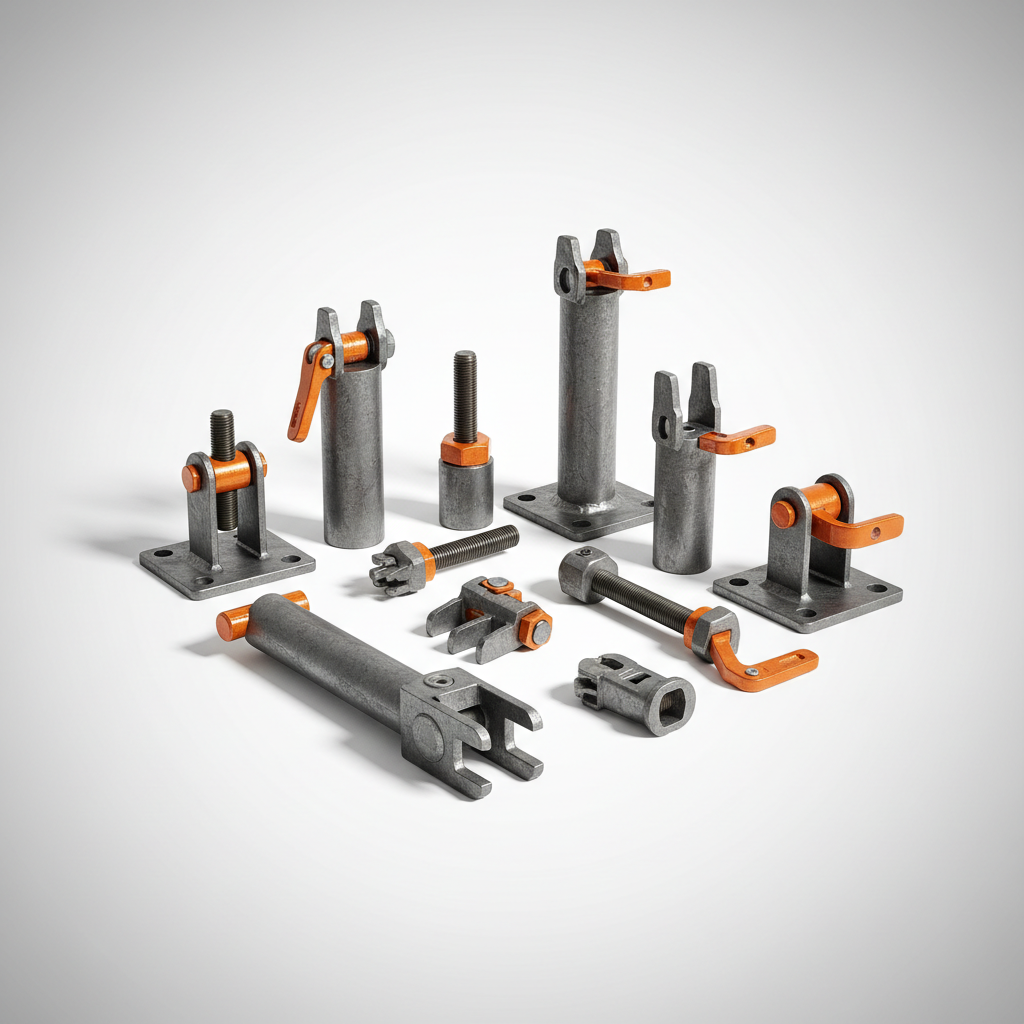
Scaffolding coupler types are the connecting devices used to join scaffolding tubes or components, creating a rigid and load-bearing structure. They are specifically engineered to transmit forces between scaffold elements, allowing for the construction of stable platforms for workers and materials. These couplers come in various designs, each suited for different applications and scaffolding configurations.
In modern industry, scaffolding coupler types are not merely fasteners but are crucial elements of a comprehensive safety system. They are often subject to rigorous testing and certification standards to ensure they meet specific performance criteria. The connection between scaffolding and humanitarian needs arises in disaster relief, where quick and stable access is vital, relying heavily on reliable coupler systems.
The selection process requires understanding load distribution, the type of scaffold system (e.g., tube and coupler, pre-fabricated), and applicable safety regulations. Proper installation and regular inspection of these couplers are paramount to prevent failures and ensure a safe working environment. Choosing from the various scaffolding coupler types is the initial step toward a safe and durable structure.
Core Components and Characteristics
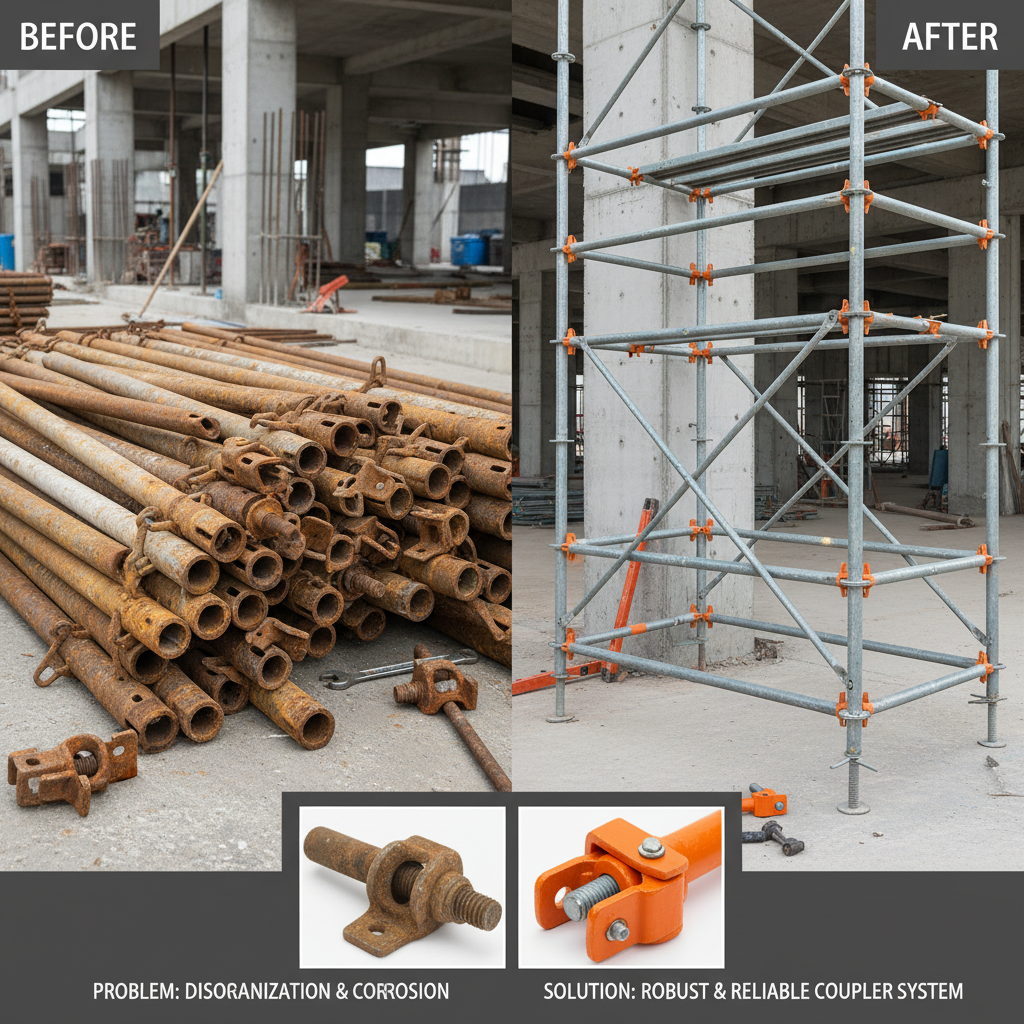
Durability is a primary characteristic of quality scaffolding coupler types. These components are often exposed to harsh weather conditions, heavy loads, and frequent handling, requiring them to be constructed from robust materials like high-strength steel, often with protective coatings to resist corrosion. The lifespan and reliability of a coupler are directly related to its material composition and manufacturing quality.
Scalability refers to the ability of a coupler system to adapt to various scaffolding configurations and project requirements. Different coupler types are designed for specific tube diameters, angles, and load capacities, allowing for the creation of complex and customized scaffolding structures. A scalable system provides flexibility and reduces the need for specialized components.
Load capacity is a critical performance characteristic, defining the maximum weight a coupler can safely support. Couplers are typically rated based on static and dynamic loads, and it's essential to select couplers with a capacity exceeding the anticipated load requirements. Understanding load distribution principles is crucial for ensuring the stability of the scaffolding structure.
Key Factors Influencing Coupler Selection
The type of scaffolding system being used—whether it's traditional tube and coupler, pre-fabricated modular scaffolding, or a specialized system—directly influences the required coupler types. Different systems necessitate different connection methods and coupler designs. Understanding the compatibility between couplers and the scaffold system is vital for structural integrity.
Environmental conditions, such as exposure to salt water, extreme temperatures, or corrosive substances, play a significant role in coupler selection. Choosing couplers with appropriate corrosion resistance and material properties is crucial for maintaining long-term performance and preventing premature failure.
Scaffolding Coupler Types Load Capacity Ratings
Global Applications and Industry Impact
Scaffolding coupler types are indispensable across a wide range of industries, including construction, shipbuilding, oil and gas, and entertainment. In large-scale construction projects, they support the erection of skyscrapers, bridges, and infrastructure. The oil and gas sector utilizes specialized couplers for maintaining offshore platforms and refineries.
In post-disaster relief operations, scaffolding coupler types are critical for rapidly deploying temporary structures like shelters, medical facilities, and access points for emergency responders. The speed and adaptability of scaffolding systems are crucial in these time-sensitive situations. In remote industrial zones, scaffolding is often the only viable access solution, making the reliability of couplers paramount.
Advantages and Long-Term Value Proposition
The primary advantage of utilizing high-quality scaffolding coupler types lies in enhanced safety. Properly installed and maintained couplers minimize the risk of structural failure, protecting workers from potentially fatal falls. This translates directly into reduced accident rates, lower insurance costs, and improved project morale.
Beyond safety, the long-term value proposition includes increased productivity, reduced project timelines, and minimized maintenance costs. Durable couplers require less frequent replacement, lowering overall life-cycle costs. The innovation of using optimized scaffolding coupler types contributes to the reputation of reliability and trust in the industry.
Future Trends and Innovations in Scaffolding Couplers
Emerging trends in scaffolding coupler technology include the integration of smart sensors for real-time load monitoring and structural health assessment. These sensors can provide early warnings of potential failures, allowing for proactive maintenance and preventing accidents. Automation in coupler manufacturing and assembly is also gaining traction, improving precision and reducing labor costs.
Sustainable materials and manufacturing processes are becoming increasingly important, driven by a growing emphasis on environmental responsibility. The development of lightweight, high-strength alloys and bio-based materials offers the potential to reduce the carbon footprint of scaffolding systems. The incorporation of digital twin technology allows for virtual testing and optimization of scaffolding designs, enhancing safety and efficiency.
Challenges and Solutions
A common challenge in the use of scaffolding coupler types is ensuring proper installation and training. Incorrectly installed couplers are a leading cause of scaffolding failures. Addressing this requires comprehensive training programs for scaffolding workers, emphasizing proper techniques and safety protocols. Regular inspections and audits are also crucial for identifying and correcting deficiencies.
Another challenge is the risk of counterfeit or substandard couplers entering the supply chain. These couplers may not meet safety standards, posing a significant hazard. Solutions include sourcing couplers from reputable manufacturers, verifying certifications, and implementing rigorous quality control procedures.
Finally, maintaining compatibility between different coupler types and scaffolding systems can be complex. Standardizing coupler designs and promoting interoperability can simplify the process and reduce the risk of errors. Implementing digital inventory management systems can help track coupler types and ensure proper utilization.
Summary of Key Considerations for Scaffolding Coupler Type Selection
| Coupler Type |
Load Capacity (kN) |
Application Suitability |
Material Composition |
| Swivel Coupler |
3.5 |
General purpose, connecting tubes at various angles |
High-strength steel, galvanized finish |
| Fixed Coupler |
4.0 |
Connecting tubes in a fixed, 90-degree configuration |
High-strength steel, powder-coated finish |
| Sleeve Coupler |
2.8 |
Joining two tubes end-to-end for increased length |
Aluminum alloy, lightweight construction |
| Double Coupler |
5.2 |
Providing increased load-bearing capacity for heavy-duty applications |
Forged steel, high tensile strength |
| 90-Degree Coupler |
3.1 |
Creating 90-degree corners in scaffolding structures |
Cast iron, durable and stable |
| Beam Coupler |
4.5 |
Supporting beams and ledgers within the scaffolding system |
High-strength alloy steel, corrosion resistant |
FAQS
The primary function of scaffolding coupler types is to securely connect scaffolding tubes or components, creating a stable and load-bearing structure. They are crucial for transferring forces between scaffold elements and ensuring the safety of workers and materials. Proper selection and installation are vital for preventing structural failures and maintaining a safe work environment.
Scaffolding couplers should be inspected before each use, after any modifications, and at regular intervals during prolonged use. Inspections should focus on identifying any signs of damage, corrosion, or wear. Damaged or defective couplers must be removed from service immediately and replaced with approved alternatives. A documented inspection process is recommended.
High-strength steel is the most common material used in the manufacture of scaffolding couplers due to its excellent load-bearing capacity and durability. Aluminum alloys are often used for lightweight applications, while galvanized finishes are applied to protect against corrosion. Forged steel is used in couplers requiring increased tensile strength and resistance to deformation.
Key safety considerations include ensuring that couplers are compatible with the scaffolding system, selecting couplers with appropriate load capacities, and verifying proper installation. Regular inspections, worker training, and adherence to safety regulations are essential for preventing accidents. Never exceed the manufacturer's recommended load limits for any coupler type.
Exposure to harsh environmental conditions, such as salt water, extreme temperatures, and corrosive substances, can significantly affect the performance of scaffolding couplers. Corrosion can weaken the metal and reduce load-bearing capacity. Selecting couplers with appropriate corrosion resistance and implementing regular maintenance procedures are crucial for mitigating these effects.
Information about scaffolding coupler standards and regulations can be found through organizations such as OSHA (Occupational Safety and Health Administration), ANSI (American National Standards Institute), and ISO (International Organization for Standardization). Consulting with a qualified scaffolding professional is recommended to ensure compliance with all applicable requirements.
Conclusion
In conclusion, scaffolding coupler types are fundamental components of safe and efficient construction practices. Their proper selection, installation, and maintenance are paramount to preventing accidents, protecting workers, and ensuring the structural integrity of scaffolding systems. Understanding the diverse types of couplers, their load capacities, and their suitability for various applications is critical for professionals in the construction industry.
Looking ahead, innovations in smart sensors, sustainable materials, and automated manufacturing promise to further enhance the safety, efficiency, and sustainability of scaffolding systems. Embracing these advancements and prioritizing ongoing training and quality control will be essential for mitigating risks and maximizing the long-term value of scaffolding coupler types. For more information and quality scaffolding solutions, visit our website: www.wrkformwork.com.