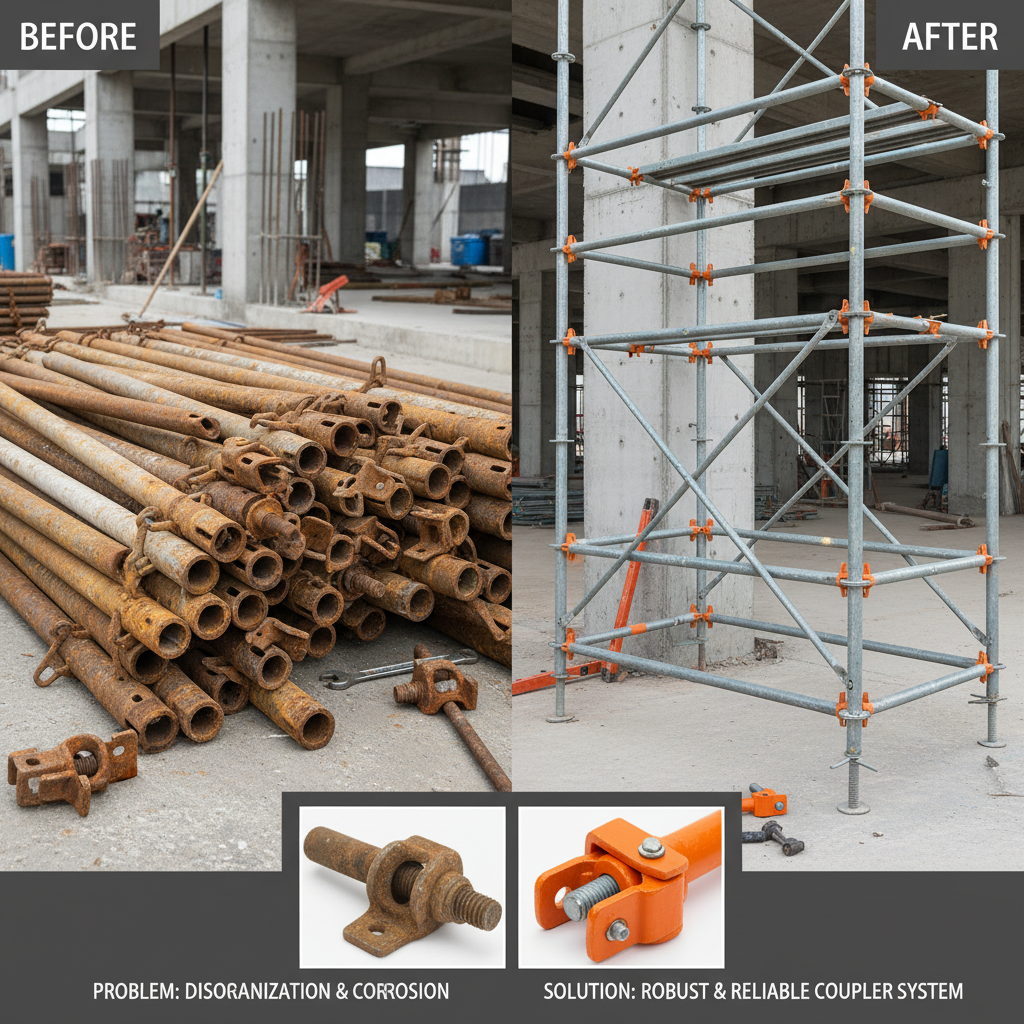
Accessories for scaffolding represent more than just components; they are critical elements in ensuring safe, efficient, and versatile construction and maintenance operations globally. From simple couplers to complex safety nets, these accessories directly impact worker safety, project timelines, and overall cost-effectiveness. The demand for robust and reliable accessories for scaffolding is constantly growing, driven by expanding infrastructure projects and stringent safety regulations worldwide.
The global scaffolding market, and by extension the market for accessories for scaffolding, is experiencing significant growth, fuelled by urbanization, industrialization, and infrastructure development, particularly in emerging economies. According to industry reports, the global scaffolding market is projected to reach billions of dollars in the coming years. This growth underscores the essential role these systems, and their crucial accessories, play in modern construction and maintenance activities, reflecting a need for continuous innovation and adherence to international safety standards like those set by ISO.
Understanding the nuances of accessories for scaffolding – their types, applications, and quality standards – is paramount for construction professionals, safety officers, and anyone involved in work-at-height activities. Choosing the right accessories not only ensures project success but also protects the well-being of the workforce and minimizes potential liabilities. Investing in high-quality accessories for scaffolding is, therefore, a crucial investment in project safety and efficiency.
The Importance of Accessories for Scaffolding
Accessories for scaffolding are often underestimated, yet they are the critical components that transform a basic scaffold structure into a safe, versatile, and efficient work platform. These accessories range from simple items like bolts and nuts to more complex elements like safety harnesses, guardrails, and base plates. Without these components, even the most robust scaffolding system is rendered unreliable and potentially dangerous.
The significance of selecting high-quality accessories extends beyond immediate safety concerns. Proper accessories enhance the adaptability of the scaffolding, enabling it to be configured for various tasks and site conditions. This flexibility translates to increased productivity and reduced project costs, making accessories a key consideration for project managers and contractors.
Defining Accessories for Scaffolding
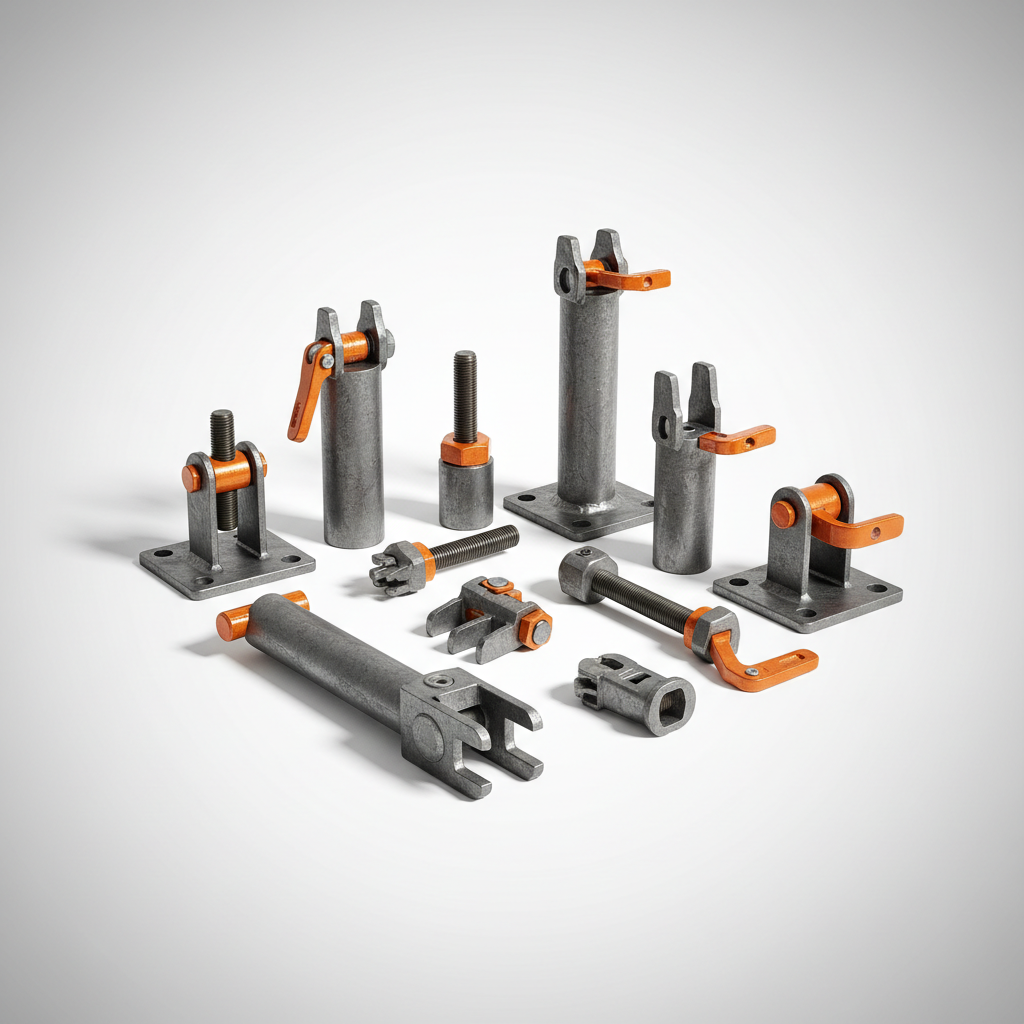
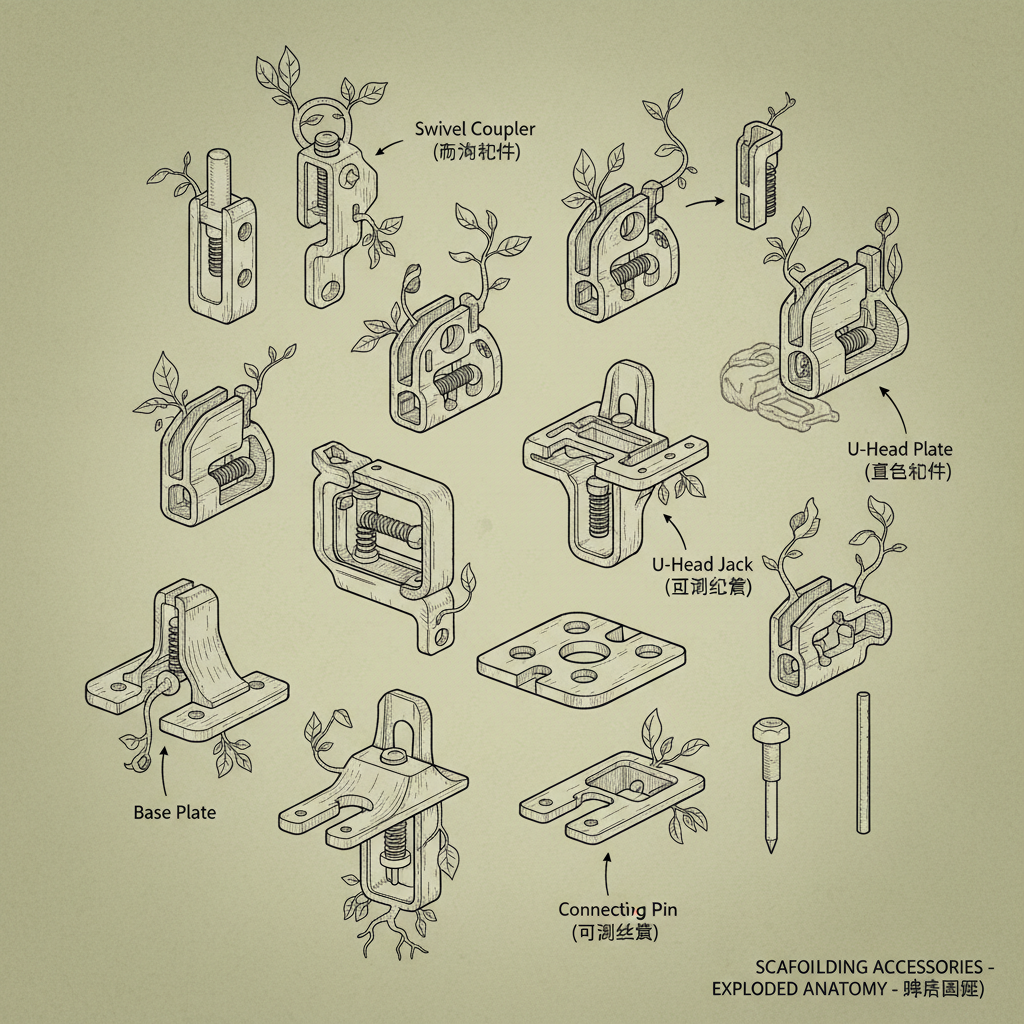
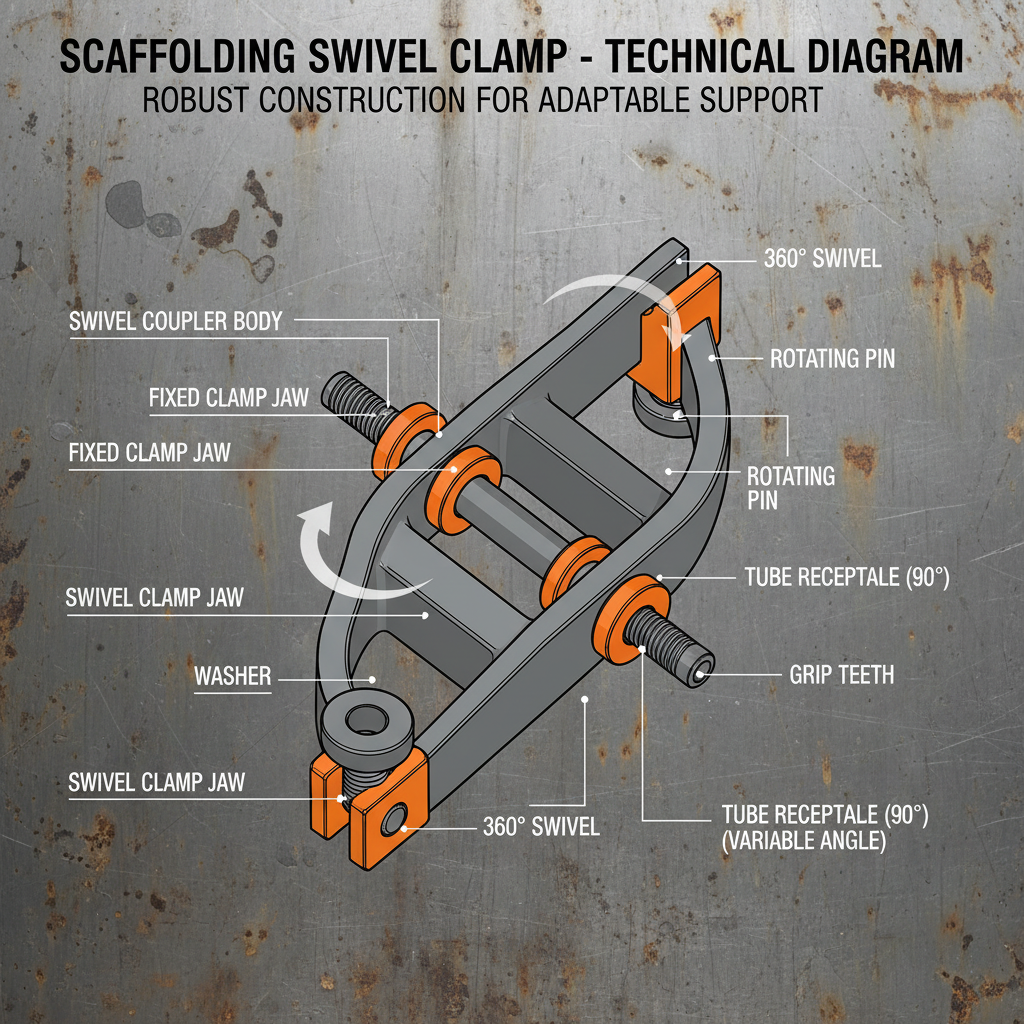
Accessories for scaffolding encompass all non-structural components used to assemble, stabilize, and enhance the safety and functionality of a scaffolding system. These include, but are not limited to, couplers (joiners), guardrails, toe boards, ladders, hop-up brackets, base plates, adjustable jacks, safety nets, debris fans, and personal protective equipment (PPE) specifically designed for scaffolding work. These items ensure the system meets relevant safety standards and caters to specific project requirements.
The connection between accessories for scaffolding and modern industry lies in the ever-increasing demand for safer and more efficient work practices. As construction projects become more complex and regulations become stricter, the need for reliable and compliant scaffolding accessories has grown exponentially. They're also critical in humanitarian efforts, providing stable work platforms for disaster relief and infrastructure repair.
Effective scaffolding accessory management includes regular inspection, maintenance, and replacement of worn or damaged components. This proactive approach minimizes the risk of accidents and ensures the long-term integrity of the scaffolding system. The correct application and proper utilization of these components are vital for maximizing safety and productivity on any job site.
Key Characteristics of Quality Accessories
Durability is perhaps the most crucial characteristic of quality accessories for scaffolding. They must be able to withstand harsh weather conditions, frequent handling, and the stresses of supporting significant loads. Materials like high-grade steel, aluminum alloys, and reinforced polymers are commonly used to ensure longevity and resistance to corrosion.
Compliance with industry standards (such as OSHA, ANSI, and EN) is another vital characteristic. Accessories should bear appropriate certifications indicating they have been tested and meet specified safety requirements. Look for markings and documentation verifying conformity to these standards. Using non-compliant accessories can compromise safety and lead to legal liabilities.
Ease of use and compatibility with various scaffolding systems are also essential. Accessories should be designed for quick and secure installation and removal, minimizing assembly time and reducing the risk of errors. Universal compatibility ensures that accessories can be used across different scaffolding types, increasing cost-effectiveness and flexibility.
Performance Indicators for Scaffolding Accessories
Evaluating the performance of accessories for scaffolding requires looking at several key indicators. Load capacity, as determined by testing and certification, is paramount. Accessories must be able to safely support the intended loads without deformation or failure. Another crucial indicator is corrosion resistance, particularly in marine or industrial environments.
Durability and lifespan are also important metrics. Accessories should be designed to withstand repeated use and exposure to harsh conditions without significant degradation. Furthermore, ease of inspection and maintenance plays a vital role in ensuring ongoing safety and performance. Accessories should be designed for easy visual inspection to identify wear, damage, or corrosion.
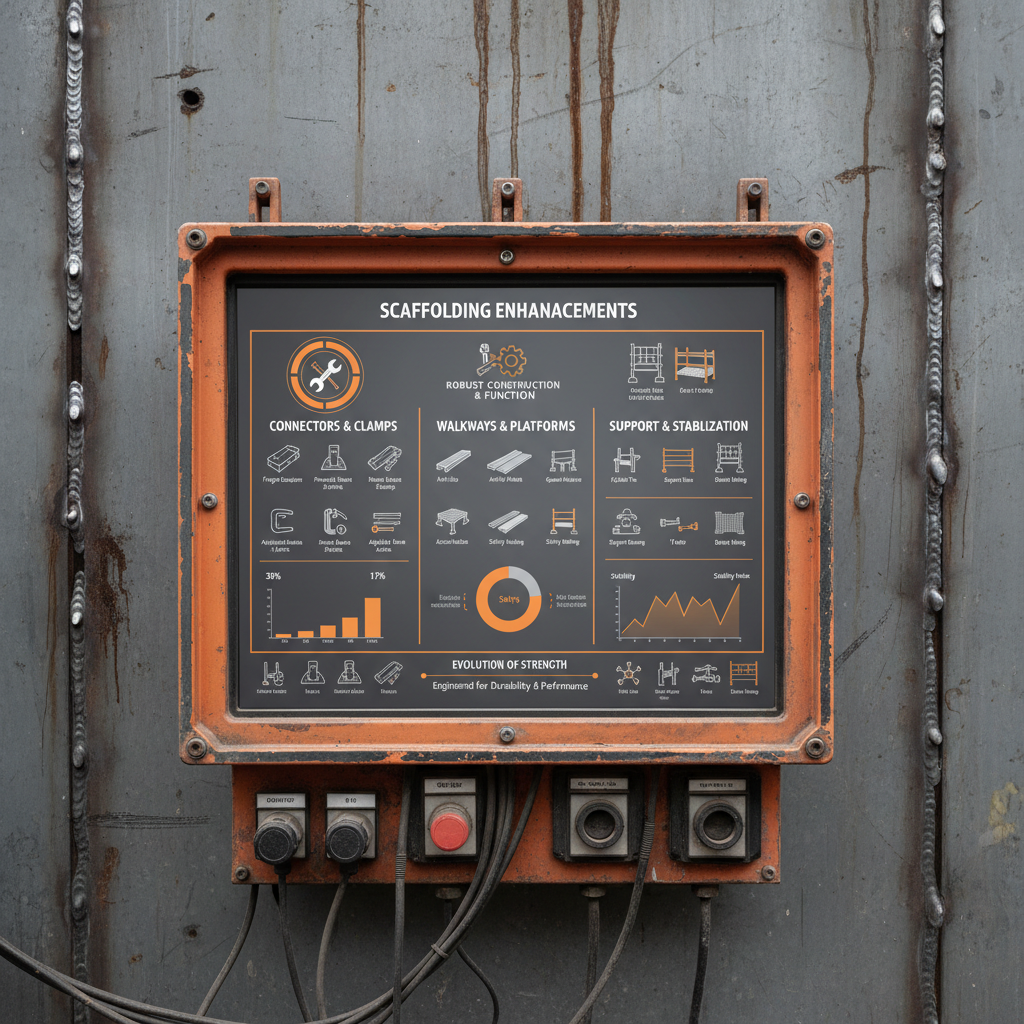
Scaffolding Accessory Performance Ratings
Global Applications of Scaffolding Accessories
Scaffolding accessories are essential in a wide range of industries and applications worldwide. In the construction sector, they support the building of skyscrapers, bridges, and infrastructure projects. In the oil and gas industry, they facilitate maintenance and repair work on offshore platforms and refineries.
In post-disaster relief operations, scaffolding accessories provide a stable platform for search and rescue teams, as well as for rebuilding efforts. In remote industrial zones, they enable safe access for maintenance and inspection tasks. The versatility of these components ensures their relevance across diverse geographical locations and project types.
Long-Term Value and Benefits
Investing in quality accessories for scaffolding yields significant long-term benefits. Reduced accident rates translate to lower insurance costs and reduced downtime. Increased efficiency and productivity lead to faster project completion and improved profitability. The durability of high-quality accessories minimizes replacement costs and extends the lifespan of the scaffolding system.
Beyond the tangible financial benefits, there's a substantial social impact. Providing a safe working environment fosters employee morale and reduces the risk of life-altering injuries. This creates a culture of trust and responsibility, enhancing the reputation of the construction company. Furthermore, sustainable practices, such as using recyclable materials in accessories, contribute to a more environmentally responsible construction industry.
Future Trends and Innovations
The future of accessories for scaffolding is marked by several key trends. The integration of smart technology, such as sensors and IoT devices, is enabling real-time monitoring of scaffolding loads and stability. This data-driven approach enhances safety and allows for predictive maintenance. Another trend is the development of lightweight and high-strength materials, like advanced composites, that reduce the overall weight of scaffolding systems without compromising structural integrity.
The increasing focus on sustainability is driving the development of eco-friendly accessories made from recycled materials. Digital twin technology is also playing a role, allowing for virtual modeling and testing of scaffolding systems and accessories before physical construction begins. Automation and robotics are being explored to streamline the assembly and disassembly of scaffolding, further improving efficiency and safety.
These innovations promise to revolutionize the scaffolding industry, making it safer, more efficient, and more sustainable. Exploring accessories for scaffolding that embrace these advancements will be crucial for staying ahead in the evolving construction landscape.
Summary of Future Trends in Scaffolding Accessories
| Trend Category |
Description |
Impact on Safety |
Potential ROI |
| Smart Sensors & IoT |
Real-time monitoring of load, stability, and environmental conditions. |
Increased early warning system, preventing potential failures. |
7/10 |
| Lightweight Materials |
Use of advanced composites and aluminum alloys. |
Easier handling, reduced strain injuries for workers. |
6/10 |
| Sustainable Materials |
Utilization of recycled plastics and bio-based polymers. |
Reduced environmental impact, positive brand image. |
5/10 |
| Digital Twin Technology |
Virtual modeling and simulation for design and testing. |
Early detection of potential design flaws, improved safety planning. |
8/10 |
| Automated Assembly |
Robotics and automated systems for scaffold erection and dismantling. |
Reduced manual labor, minimized risk of falls and injuries. |
9/10 |
| Advanced Coatings |
Corrosion-resistant coatings to extend accessory lifespan. |
Reduced maintenance requirements, increased safety and reliability. |
6/10 |
FAQS
The lifespan of high-quality accessories for scaffolding varies depending on usage frequency, environmental conditions, and maintenance practices. However, with proper care and regular inspection, accessories made from durable materials like high-grade steel or aluminum alloys can reliably last for 5-10 years, often longer. It’s critical to adhere to manufacturer’s recommendations for inspection and replacement to maximize lifespan and ensure continued safety.
Scaffolding accessories should be inspected regularly, with a minimum frequency of before each work shift and after any event that could have caused damage. More thorough inspections should be conducted at least annually, and documented according to regulatory requirements. Look for signs of corrosion, deformation, wear, and damage to ensure they remain fit for purpose and maintain structural integrity.
When purchasing accessories for scaffolding, prioritize products with certifications from reputable organizations such as OSHA, ANSI, or EN. These certifications indicate that the accessories have been tested and meet specific safety standards. Look for clear markings on the product itself, as well as documentation from the manufacturer verifying compliance. Ensuring certifications minimizes risk and confirms suitability for your application.
While aluminum scaffolding accessories offer lightweight benefits and corrosion resistance, they are not suitable for all environments. Aluminum can lose strength in extreme temperatures or when exposed to certain chemicals. Steel accessories are generally preferred for heavy-duty applications and environments with potential for high impact or corrosive substances. It’s crucial to select the appropriate material based on specific project requirements and environmental conditions.
Common causes of scaffolding accessory failure include corrosion, fatigue from repeated use, improper installation or removal, overloading, and damage from impact. Regular inspection and maintenance are crucial for identifying and addressing these issues before they lead to a failure. Also, ensuring that only compatible accessories are used with the scaffolding system is vitally important to prevent strain and potential failure.
Proper storage of scaffolding accessories is vital to prolong their lifespan and maintain their integrity. Store accessories in a dry, covered area protected from the elements. Organize them systematically for easy access and inspection. Avoid stacking heavy items on top of delicate accessories. Regular cleaning and lubrication can also help prevent corrosion and ensure smooth operation when needed.
Conclusion
Accessories for scaffolding are indispensable components of safe and efficient construction and maintenance operations. From ensuring worker safety to optimizing project timelines and reducing costs, the benefits of investing in high-quality and compliant accessories are undeniable. A thorough understanding of the various types of accessories, their performance characteristics, and future trends is critical for anyone involved in work-at-height activities.
Looking ahead, the integration of smart technologies, sustainable materials, and automated systems will continue to shape the future of scaffolding accessories. By embracing these innovations and prioritizing safety and sustainability, we can create a more secure and responsible construction industry. For all your scaffolding accessory needs, visit our website: www.wrkformwork.com.