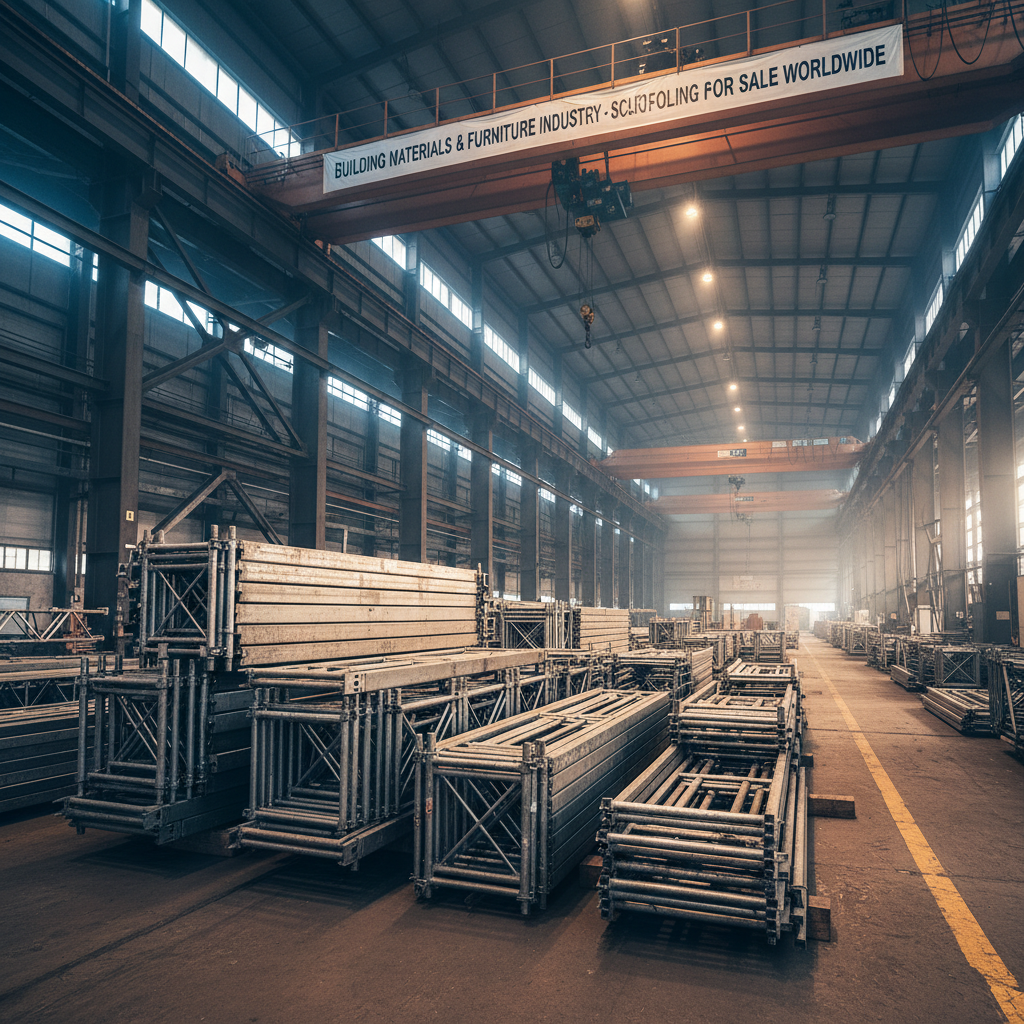
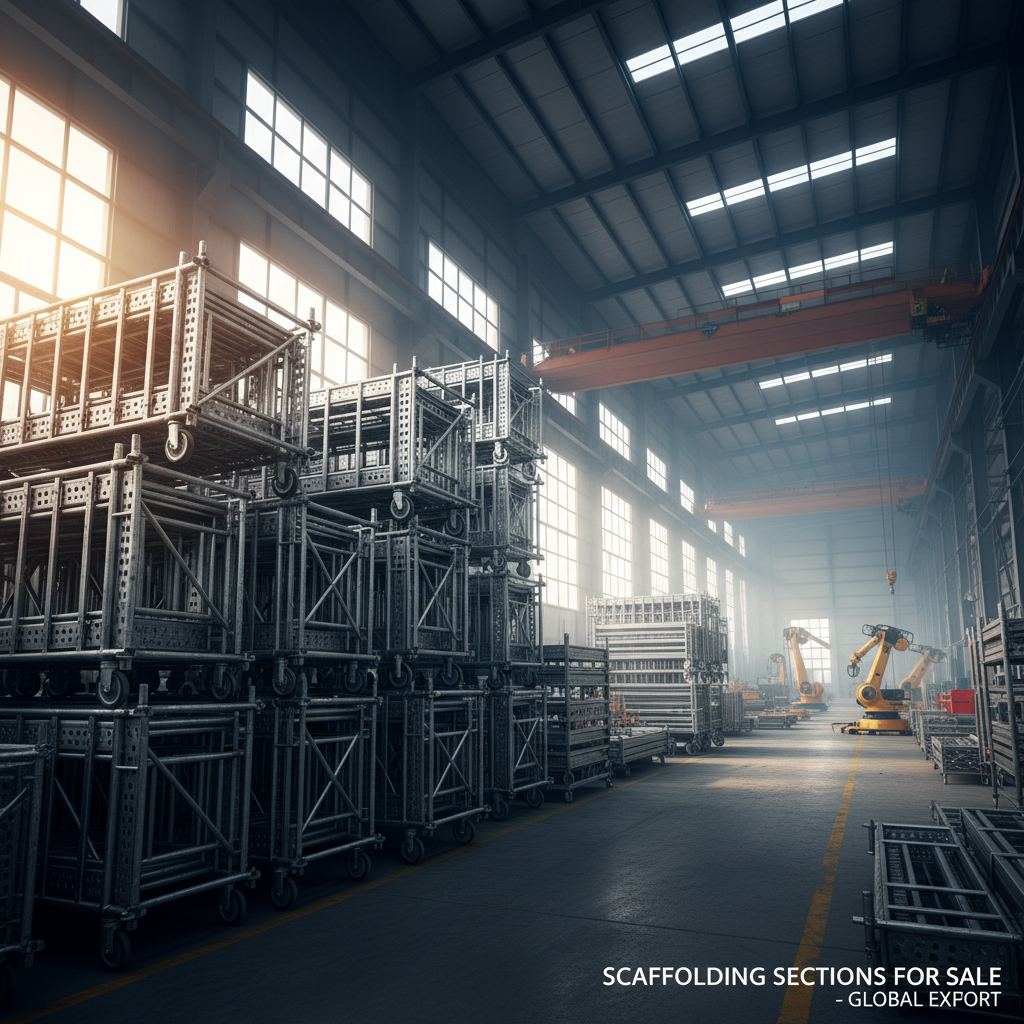
Scaffolding sections for sale are crucial components in modern construction and various humanitarian efforts globally. Their importance stems from providing safe, efficient, and cost-effective temporary access for workers and materials during building, maintenance, and repair projects. The demand for high-quality, durable scaffolding solutions is consistently growing alongside global infrastructure development and disaster relief initiatives. Understanding the nuances of scaffolding sections for sale – from materials and safety standards to logistical considerations – is vital for professionals and organizations alike.
The global scaffolding market is experiencing steady growth, driven by increased construction activities in emerging economies and the rising need for infrastructure maintenance in developed countries. According to reports, the global scaffolding market size was valued at USD 55.75 billion in 2023 and is projected to reach USD 78.10 billion by 2032, growing at a CAGR of 3.8% from 2024 to 2032. This expanding market underscores the significant role scaffolding plays in facilitating construction projects worldwide. However, challenges remain, including the need for stricter safety regulations, innovative materials, and optimized logistical processes to meet the evolving demands of the industry.
Investing in quality scaffolding sections for sale is not merely a cost of doing business, but a strategic investment in project safety, efficiency, and overall success. Choosing the right type of scaffolding – whether it’s system scaffolding, tube and coupler scaffolding, or mobile towers – directly impacts project timelines, labor costs, and most importantly, worker safety. This guide will explore the key aspects of scaffolding sections for sale, providing valuable insights for informed decision-making.
Introduction to Scaffolding Sections for Sale
The availability of diverse scaffolding sections for sale allows construction companies and rental businesses to cater to a wide range of project needs. These sections, encompassing everything from standards and ledgers to transoms and bracing, are designed for modularity and adaptability, enabling customized scaffolding structures. Choosing the correct scaffolding sections impacts not only the ease of construction but also the safety and stability of the entire setup.
Understanding the different types of scaffolding sections for sale, their load-bearing capabilities, and compatibility with other components is essential for ensuring a secure and efficient work environment. Proper selection, coupled with adherence to safety regulations, minimizes the risk of accidents and maximizes productivity on any construction site. scaffolding sections for sale provides a wide range of quality products.
Defining Scaffolding Sections for Sale
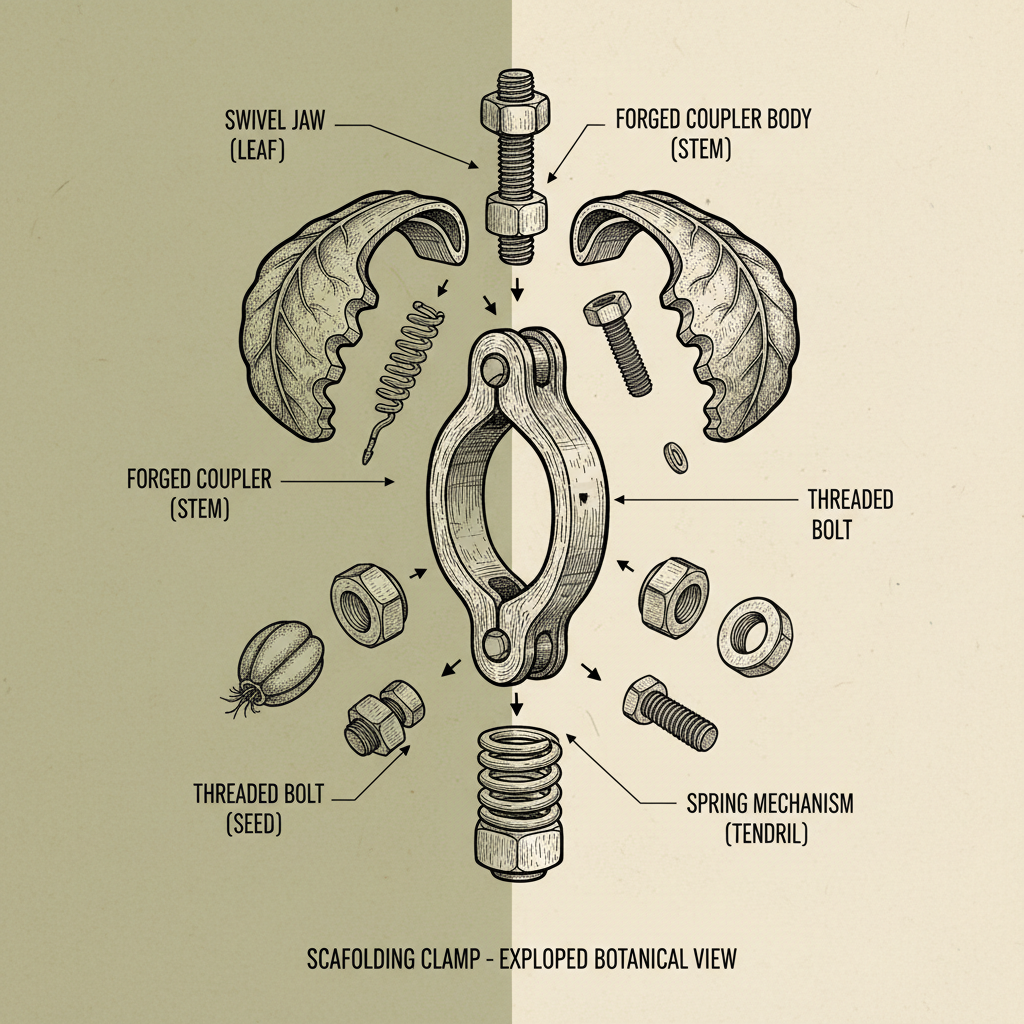
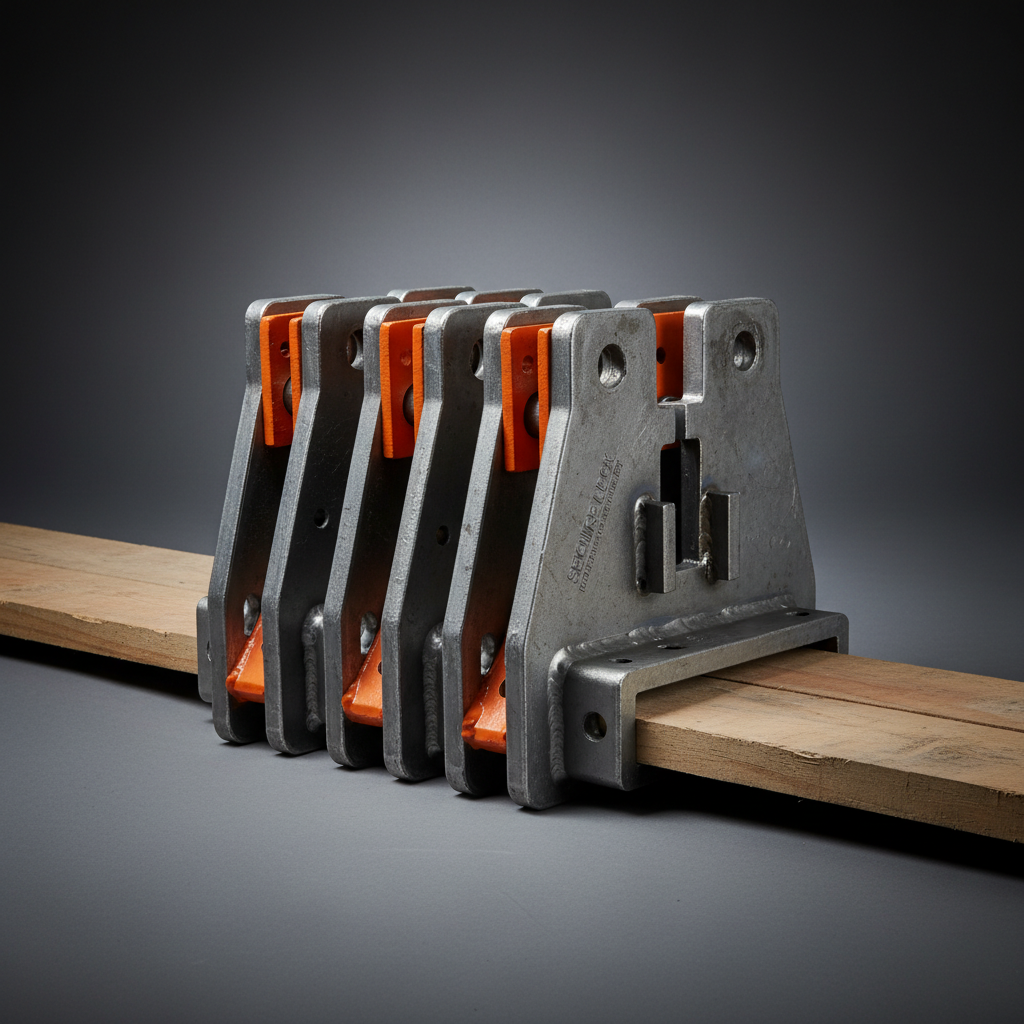
Scaffolding sections for sale refer to the individual components that make up a complete scaffolding system. These typically include vertical standards (uprights), horizontal ledgers, diagonal bracing, transoms (crossbars), platforms (walkboards), and various connecting components like couplers and pins. These sections are generally constructed from steel, aluminum, or composite materials, each offering unique advantages in terms of strength, weight, and corrosion resistance.
In modern industry, scaffolding sections for sale are indispensable for a vast array of applications. They’re fundamental in constructing high-rise buildings, bridges, power plants, and shipyards. Moreover, they are critical for maintenance and repair work on existing structures. The increasing demand for safe and efficient access solutions has driven innovation in scaffolding design, leading to lighter, stronger, and more versatile systems.
The connection to humanitarian needs is particularly relevant in disaster relief. Rapidly deployable scaffolding systems, utilizing easily transportable sections for sale, can provide critical infrastructure for emergency shelter construction, medical facilities, and logistical support in affected areas. This highlights the dual nature of scaffolding: an essential tool for economic development and a vital resource for humanitarian aid.
Key Factors in Selecting Scaffolding Sections
Durability is paramount when considering scaffolding sections for sale. The materials used must withstand the rigors of the construction environment, including exposure to weather elements, heavy loads, and frequent assembly and disassembly. Steel scaffolding is known for its strength and longevity, while aluminum offers a lighter weight alternative with excellent corrosion resistance.
Scalability is another critical factor. The scaffolding system should be easily adaptable to changing project requirements, allowing for vertical and horizontal expansion as needed. Modular scaffolding systems, composed of standardized sections for sale, offer superior scalability compared to traditional tube and coupler systems. The ability to easily add or remove sections reduces wasted materials and improves project efficiency.
Cost efficiency is always a concern. While initial cost is important, it’s crucial to consider the long-term value of the scaffolding investment. Factors such as maintenance requirements, lifespan, and resale value should all be taken into account. Investing in high-quality scaffolding sections for sale can result in lower long-term costs due to reduced repairs and replacements.
Global Applications of Scaffolding Sections
Scaffolding sections for sale find widespread applications across diverse industries. In the construction sector, they are fundamental for erecting skyscrapers, bridges, and commercial buildings. The oil and gas industry utilizes specialized scaffolding systems for maintenance and repair of offshore platforms and refineries. Power generation plants rely on scaffolding for turbine maintenance and construction.
Regions with rapid infrastructure development, such as Asia-Pacific and the Middle East, exhibit particularly strong demand for scaffolding solutions. In post-disaster relief operations, quick-erect scaffolding systems utilizing lightweight sections for sale are invaluable for establishing temporary shelters and medical facilities. Organizations like the Red Cross and Habitat for Humanity frequently deploy these systems in emergency situations.
Even in remote industrial zones, such as mining operations in Australia or oil fields in Canada, scaffolding sections for sale provide essential access for maintenance and repair work. The ability to transport and assemble scaffolding quickly and efficiently in challenging environments is a key advantage.
Scaffolding Sections for Sale – Performance Comparison
Advantages and Long-Term Value
The advantages of investing in quality scaffolding sections for sale are multifaceted. Tangible benefits include reduced labor costs due to faster erection and dismantling times, minimized material waste through modular design, and enhanced project safety with robust and reliable structures. These benefits translate directly into increased profitability and improved project outcomes.
Beyond the financial advantages, scaffolding solutions contribute to sustainability by reducing the need for temporary structures and minimizing environmental impact. They foster a safer working environment, boosting worker morale and reducing the risk of accidents. Furthermore, selecting reputable suppliers of scaffolding sections for sale builds trust and reinforces a commitment to quality and safety standards.
Future Trends in Scaffolding Technology
The future of scaffolding sections for sale is poised for significant innovation. We’re seeing the development of lightweight composite materials that offer superior strength-to-weight ratios, reducing transportation costs and easing assembly. Digital integration, including Building Information Modeling (BIM) and drone-based inspection systems, will enhance project planning and safety monitoring.
Automation and robotics are also emerging trends, with robotic scaffolding systems capable of self-assembly and disassembly. This technology promises to drastically reduce labor costs and improve efficiency on large-scale construction projects. The emphasis on sustainable materials and circular economy principles will drive the demand for recyclable and reusable scaffolding components.
Challenges and Solutions in Scaffolding
Despite advancements, challenges remain in the scaffolding industry. One common issue is the risk of improper assembly and inadequate training, leading to safety hazards. Another challenge is the logistical complexity of transporting and storing scaffolding sections for sale, particularly on large or remote construction sites.
Solutions include investing in comprehensive worker training programs, implementing rigorous inspection protocols, and utilizing advanced logistics software to optimize material management. Embracing digital tools, such as augmented reality (AR) applications, can guide workers through the assembly process and ensure compliance with safety standards. Selecting suppliers who prioritize safety and provide detailed installation instructions is also crucial.
Addressing these challenges proactively will not only enhance worker safety but also improve project efficiency and reduce overall costs. The industry must continue to prioritize innovation and collaboration to overcome these hurdles and deliver safer, more sustainable, and more efficient scaffolding solutions.
Summary of Key Challenges and Solutions for Scaffolding Sections
| Challenge |
Impact on Scaffolding Sections for Sale |
Proposed Solution |
Implementation Cost (1-10) |
| Improper Assembly |
Compromises structural integrity of scaffolding sections. |
Comprehensive worker training and certification. |
6 |
| Material Corrosion |
Reduces the lifespan of scaffolding sections for sale. |
Utilize corrosion-resistant materials (aluminum, galvanized steel). |
8 |
| Logistical Challenges |
Delays project timelines and increases transportation costs for sections. |
Implement advanced logistics software and optimize delivery routes. |
7 |
| Lack of Inspection |
Increases the risk of undetected defects in scaffolding sections. |
Regular, documented inspections by qualified personnel. |
5 |
| Safety Regulation Compliance |
Potential for fines and project delays due to non-compliant sections. |
Stay updated on and adhere to all relevant safety standards. |
4 |
| Damage During Transport |
Results in unusable scaffolding sections for sale, requiring replacement. |
Secure packaging and careful handling during transportation. |
3 |
FAQS
Aluminum scaffolding sections are significantly lighter than steel, making them easier to transport and erect, particularly for projects requiring frequent adjustments. However, steel scaffolding boasts superior strength and is often more cost-effective for large-scale, long-term projects. The choice depends on project specifics and budget considerations. Aluminum is better for indoor or light-duty outdoor work, while steel is preferred for heavy-duty applications.
Scaffolding sections should be inspected before each shift and after any alteration or modification. Thorough inspections include checking for corrosion, damage, loose connections, and proper component compatibility. Any damaged or defective sections should be immediately removed from service and replaced. Regular inspections are critical for maintaining structural integrity and preventing accidents.
Look for scaffolding sections that meet or exceed industry safety standards such as OSHA (Occupational Safety and Health Administration) in the US, or EN 12811 in Europe. Certifications demonstrate that the manufacturer has undergone rigorous testing and quality control processes. Always verify the certifications and ensure they are current and valid.
With proper maintenance and storage, high-quality scaffolding sections, particularly those made from galvanized steel or aluminum, can have a lifespan of 10-20 years or more. Regular inspections, cleaning, and prompt repair of any damage are essential for maximizing their longevity. Avoiding exposure to harsh chemicals and corrosive environments also contributes to a longer lifespan.
Scaffolding sections should be stored in a dry, well-ventilated area, protected from the elements. Stack sections neatly and securely to prevent damage. Properly label all components for easy identification. Regularly inspect stored sections for corrosion or damage. Following these practices ensures the scaffolding remains in good condition and ready for use.
Many scaffolding suppliers offer financing options for bulk purchases, including lease-to-own programs and credit terms. These options can help businesses manage their cash flow and invest in the necessary equipment without a large upfront investment. Explore these options with your chosen supplier to find a solution that fits your budget and needs.
Conclusion
In conclusion, scaffolding sections for sale represent a critical investment for any organization involved in construction, maintenance, or disaster relief. Understanding the key factors influencing selection – durability, scalability, cost-efficiency, and safety – is paramount to ensuring project success and worker well-being. The ongoing evolution of scaffolding technology promises even greater efficiency, safety, and sustainability in the years to come.
Looking ahead, the scaffolding industry will continue to embrace innovation, driven by the demand for safer, more versatile, and environmentally responsible solutions. By staying informed about the latest trends and best practices, businesses can optimize their scaffolding investments and achieve significant returns. For high-quality scaffolding sections for sale and expert advice, visit our website today.