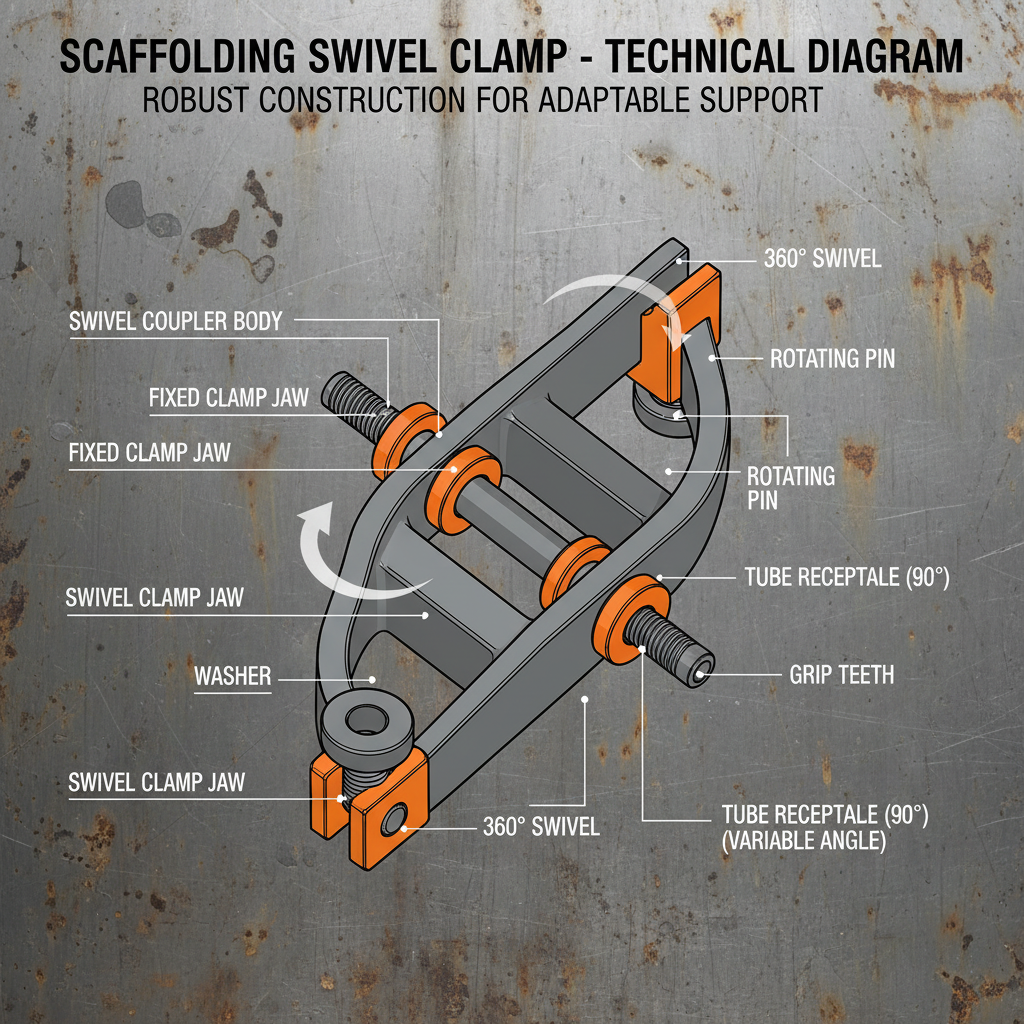
Look, after running around construction sites all year, dealing with dust, and smelling cement, you start to notice some things. Everyone’s talking about prefabrication now, right? Modular construction, off-site manufacturing... it’s all the rage. To be honest, it's not new, we've been inching this way for years, but the pressure to build faster and cheaper is really pushing it forward. And that means a huge demand for quality scaffolding accessories suppliers. It’s not just about the scaffolding itself anymore; it's about everything that goes with it. Everything from the little clamps to the safety netting. I’ve seen some pretty dodgy stuff out there, let me tell you.
What people often overlook is the connection points. It seems simple, but that’s where things fall apart. Have you noticed how many projects get delayed because of a missing bolt or a connector that doesn’t quite fit? It's ridiculous. And these aren’t isolated incidents. It’s consistently a pain point. It goes back to design, really. Engineers sometimes get too focused on the grand design and forget about the practicalities of assembly on a muddy job site. I encountered this at a factory in Jiangsu last time – beautiful, complex designs, but the field guys were cursing because the tolerances were way too tight.
It’s a whole ecosystem, really. You’ve got your standard steel components, of course. But now you’re seeing a lot more aluminum alloys—lighter, easier to handle, but more expensive. And the quality varies wildly. You can smell the difference, honestly. Good steel smells... well, like steel. Cheap steel smells kinda burnt. It's weird, I know. Then there's the plastic stuff – the corner protectors, the base plates… Surprisingly, a lot of that is now recycled HDPE. It’s tough stuff, surprisingly durable. Feels a bit gritty to the touch, but it holds up well to the weather.
The Current State of Scaffolding Accessories Suppliers
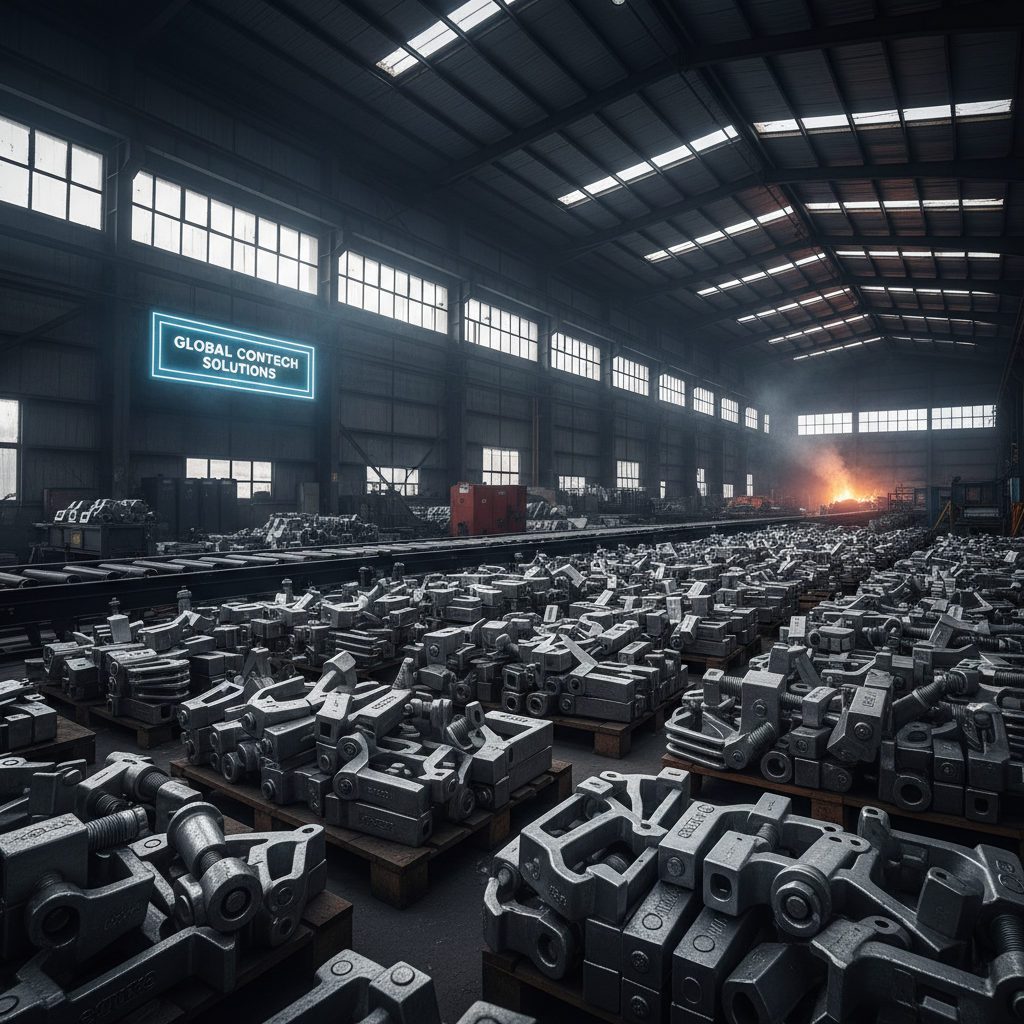
The market's flooded, honestly. Too many suppliers, a lot of them cutting corners. You’ve got the big international players, the established Chinese manufacturers, and then a ton of smaller, local shops. The competition is fierce. Strangely, I'm seeing a lot of consolidation happening. The smaller guys are getting swallowed up, or they're going under. The ones that survive are the ones that prioritize quality and customer service. scaffolding accessories suppliers are becoming more specialized too, focusing on niche areas like mobile scaffolding systems or heavy-duty industrial applications.
The biggest driver right now is sustainability. Clients are demanding more eco-friendly options – recycled materials, reduced waste, lower carbon footprint. It’s forcing suppliers to rethink their processes.
Design Pitfalls and Common Issues
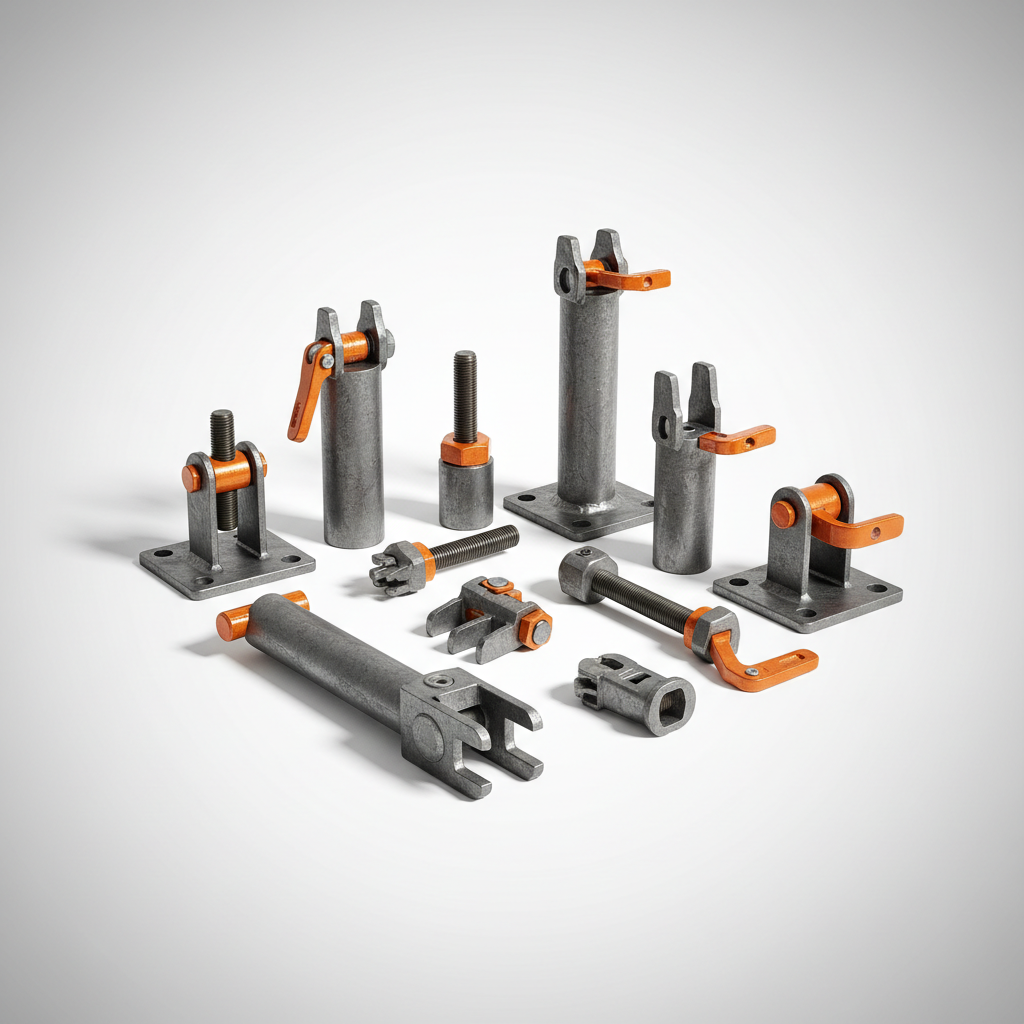
I told you about the tolerances, right? That’s a big one. Another thing is over-engineering. Sometimes, engineers design these connectors to be way stronger than they need to be, which just adds weight and cost. Then you’ve got the issue of standardization. Every supplier seems to have their own slightly different dimensions, which means you end up needing a whole toolbox full of adapters and shims. It’s a nightmare. And don’t even get me started on the locking mechanisms. Some of them are just plain fiddly.
Anyway, I think a lot of it comes down to a lack of communication between the designers and the guys who actually use the stuff. They need to spend more time on site, observing how things are assembled and used in real-world conditions.
There's also this trend of making things "smart" - adding sensors and Bluetooth connectivity. It sounds good in theory, but I've yet to see it actually add significant value on the jobsite. It just adds another point of failure, another battery to charge.
Materials Breakdown: What’s Used and Why
Steel is still king, especially for the load-bearing components. But the grade of steel matters. You want something with good tensile strength and ductility. A lot of the cheaper stuff is brittle and cracks easily. Then you’ve got aluminum, which is great for lightweight applications but it’s susceptible to corrosion. You've gotta watch out for that. The plastic components, as I mentioned, are increasingly made from recycled HDPE. It's pretty durable, but it can become brittle in cold weather.
I've been seeing more and more composite materials being used – fiberglass reinforced polymers. They're lightweight, strong, and corrosion-resistant. But they're also expensive and can be difficult to repair. And you need specialized tools to cut and drill them.
Honestly, a good supplier will be transparent about the materials they use and will provide certifications to prove their quality. Don't be afraid to ask questions. If they can’t answer them, walk away.
Real-World Testing and Quality Control
Lab tests are fine, but they don’t tell the whole story. I want to see the stuff being used on a real jobsite. I want to see it being dropped, banged around, exposed to the elements. That’s the real test. A good supplier will have a testing program that includes both lab tests and field trials.
They should also have a robust quality control system in place to identify and address any defects before they reach the customer. I once visited a supplier where they randomly selected components from the production line and subjected them to destructive testing. They literally smashed them to see if they could withstand the force. That's the kind of thoroughness you want to see.
Scaffolding Accessories Suppliers Testing Methods
How Workers Actually Use These Accessories
Look, workers aren’t always going to use things the way the engineers intend. I've seen guys using clamps as makeshift hammers, using safety netting as a hammock… you name it. They’re resourceful, but it’s not always safe. The design needs to account for this kind of misuse. It needs to be forgiving.
What they really appreciate is simplicity and ease of use. They don't want to spend all day fiddling with complicated connectors. They just want something that works reliably and doesn’t slow them down.
The Pros and Cons: A Balanced View
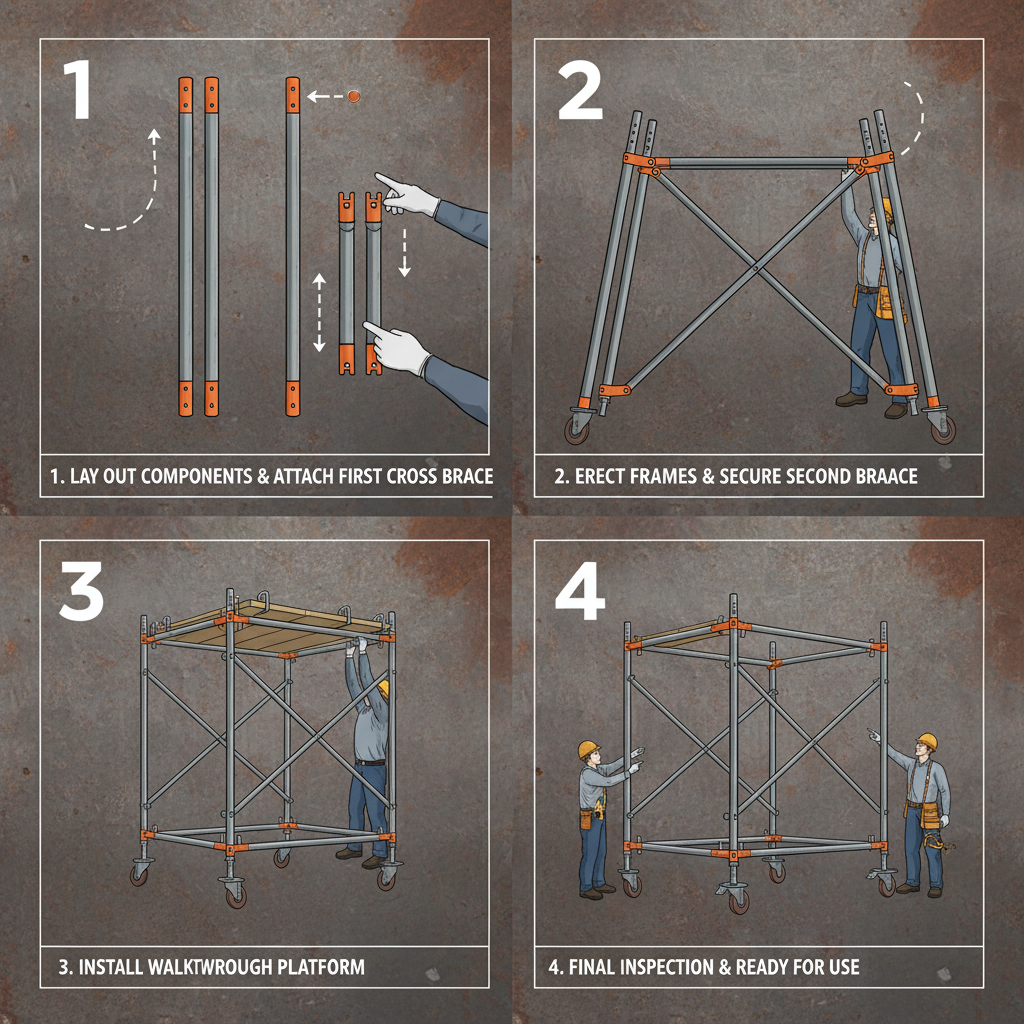
The pros? Obviously, increased safety, improved efficiency, and reduced labor costs. A good scaffolding system can save you a ton of time and money. The cons? The initial investment can be significant. And there’s always the risk of damage or theft. Plus, you need to train your workers on how to properly assemble and disassemble the system.
The biggest downside, in my opinion, is the lack of interoperability. Everything is proprietary. You can’t mix and match components from different suppliers. It’s a closed ecosystem. I wish there was more standardization.
Customization Options and Practical Examples
Most suppliers will offer some level of customization. You can usually specify the length of the guardrails, the size of the base plates, the type of connectors. Last month, that small boss in Shenzhen who makes smart home devices insisted on changing the interface to on all the clamps – said it was more “modern”. The result was a complete disaster. The workers couldn’t figure out how to use them. Cost him a fortune in lost time and productivity.
Anyway, I think a more practical customization would be to offer pre-assembled kits tailored to specific applications. Like, a kit for window washing, a kit for painting, a kit for concrete repair. That would save a lot of time and hassle.
You can also customize the color of the components. Some clients want their scaffolding to match their corporate branding. It seems silly, but hey, if they’re willing to pay for it…
Summary of Customization Options for Scaffolding Accessories
| Customization Type |
Complexity (1-5) |
Cost Impact (1-5) |
Typical Lead Time (Days) |
| Length Adjustment |
1 |
1 |
3 |
| Connector Type Change |
2 |
2 |
5 |
| Material Specification |
3 |
4 |
10 |
| Color Customization |
1 |
2 |
7 |
| Pre-Assembled Kits |
4 |
3 |
14 |
| Interface Modification |
5 |
5 |
21 |
FAQS
With proper maintenance – regular cleaning, rust prevention, and inspection for damage – high-quality steel scaffolding accessories can easily last 10-15 years, even in harsh environments. It really depends on the frequency of use and the severity of the conditions. Neglecting maintenance will significantly shorten the lifespan. We’ve seen cases where neglected steel components needed replacing after just a few years.
Extremely important! Corrosion weakens the metal and can lead to catastrophic failure. Galvanization is a standard protective coating, but for marine environments or areas with high humidity, we recommend stainless steel or specialized coatings. You wouldn’t believe the problems we’ve seen with rust in coastal construction projects.
Look for accessories that comply with OSHA standards in the US, or equivalent certifications in your region (like EN 12811 in Europe). Make sure the supplier can provide documentation proving their products have been tested and certified by an accredited third-party. Don't just take their word for it.
Absolutely. Renting is a good option for short-term projects or for specialized accessories that you don’t need to use frequently. However, you need to ensure that the rental company provides properly maintained and inspected equipment. And be sure to check their liability insurance.
Store them in a dry, covered area protected from the elements. Elevate them off the ground to prevent corrosion. And organize them neatly so you can easily find what you need. A disorganized storage area is a safety hazard.
We're seeing a growing interest in lightweight composites and recycled plastics. There’s also research into self-healing materials that can repair minor damage automatically. It’s still early days, but these materials have the potential to revolutionize the industry. They are expensive now, but will get cheaper.
Conclusion
So, where does all this leave us? Well, scaffolding accessories suppliers aren't just about bolts and clamps; they're about safety, efficiency, and sustainability. The industry is evolving rapidly, with new materials, technologies, and regulations constantly emerging. Choosing the right accessories can make or break a project.
Ultimately, whether this thing works or not, the worker will know the moment he tightens the screw. So, focus on quality, reliability, and ease of use. And if you need a recommendation, give us a shout. You can find more info and request a quote at www.wrkformwork.com.