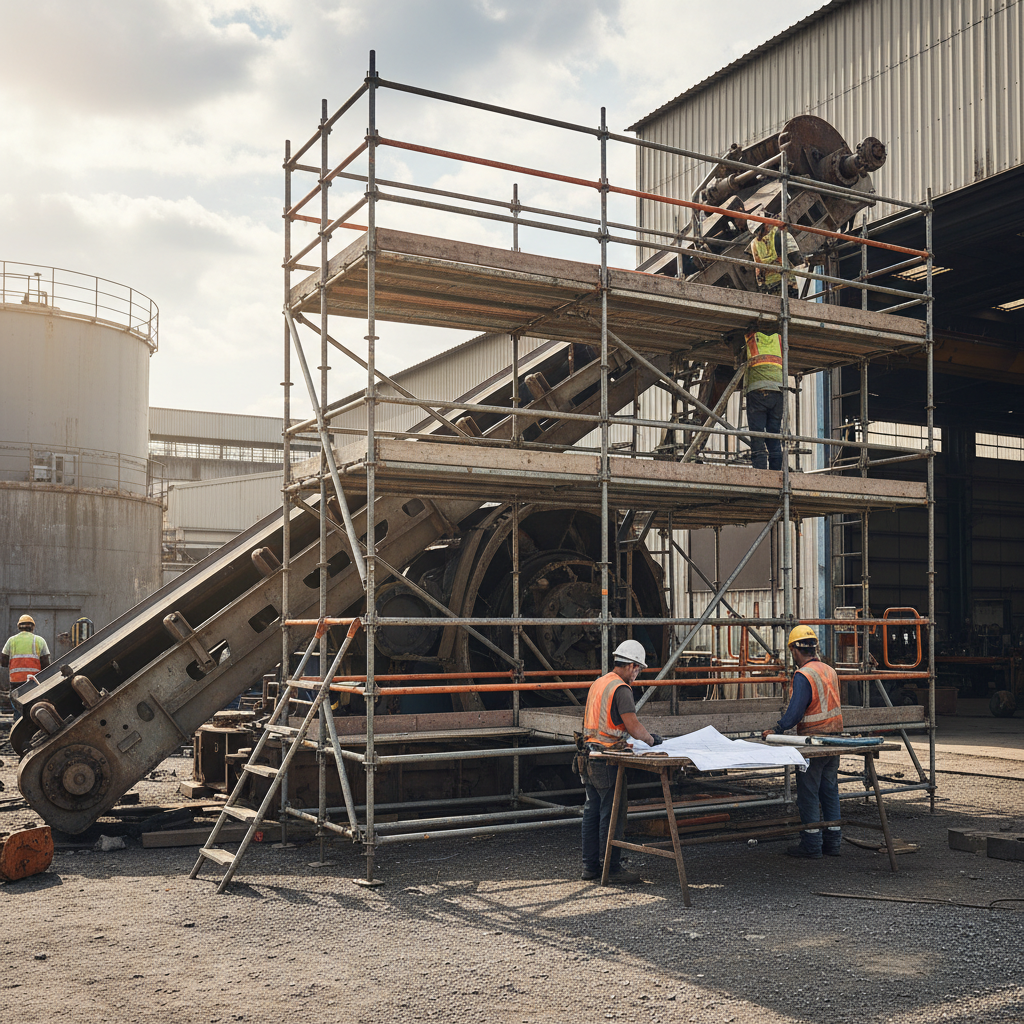
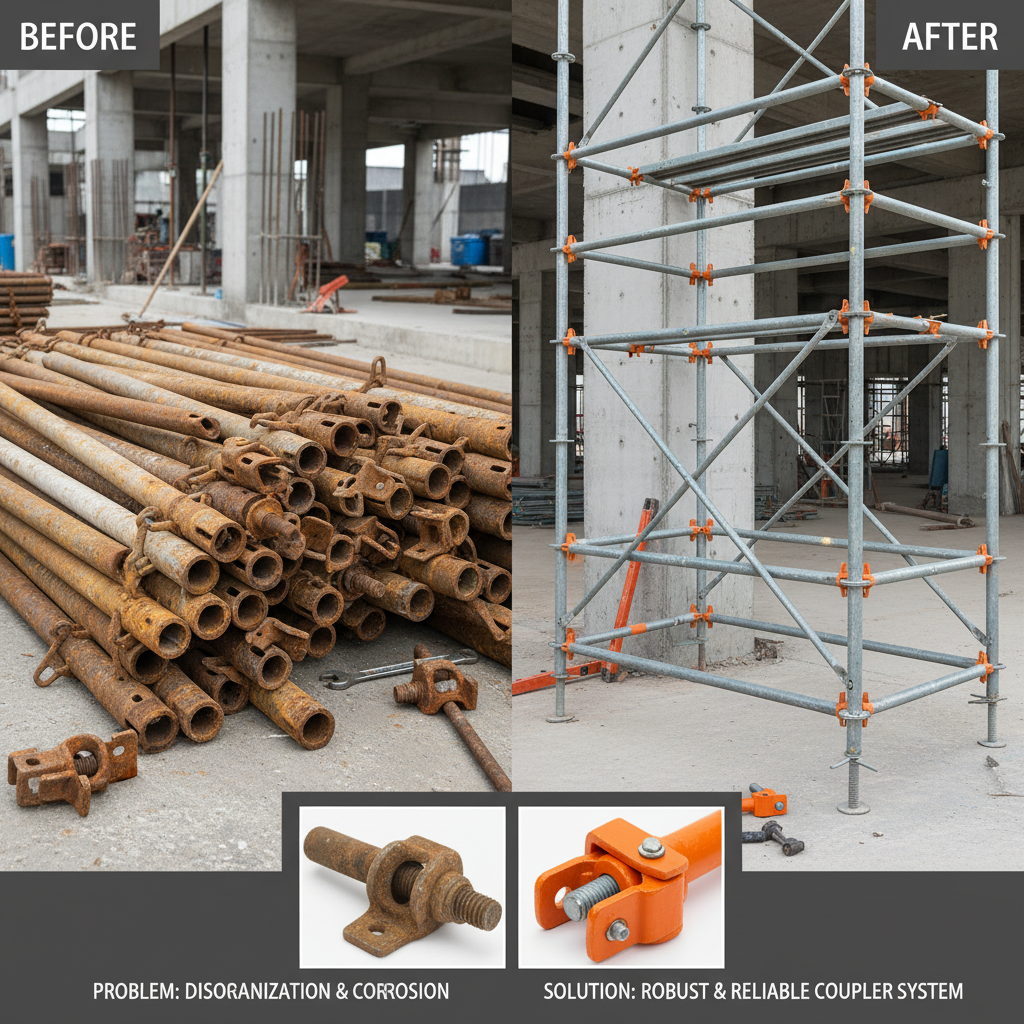
To be honest, these days everyone's talking about prefabrication, modular construction… it’s all the rage. Been seeing a lot of it down in the Pearl River Delta. Seems like everyone wants to build faster, cheaper, you know? But it's not as simple as slapping some pieces together, believe me. The demand for reliable scaffolding accessories manufacturers is through the roof, but finding good stuff… that's the trick.
Have you noticed how many suppliers promise the moon? “Highest grade steel!” “Unbreakable plastic!” I encountered this at a factory in Foshan last time, they showed me a sample, looked great in the showroom… then I tried bending it with my hands. Didn't hold. It’s all about the details, the little things they don’t tell you. That's why I always say, quality scaffolding accessories are the backbone of any safe and efficient project.
And it's not just about the materials themselves. It’s how they feel. That Q235 steel – yeah, it's strong, but you can tell the good stuff. It has a certain weight, a smell almost. Not like that cheap stuff that feels… hollow. Then there’s the plastic. High-density polyethylene, that's what you want. Not brittle, doesn’t crack in the sun. It has a specific give to it, if you know what I mean. Honestly, you learn to recognize quality just by handling it.
The Current Landscape of scaffolding accessories manufacturers
Strangely enough, the biggest shift I’ve seen isn’t necessarily in the materials, but in the connectors. Everyone wants quick-release clamps, locking pins, stuff that speeds up assembly. Which is good, don't get me wrong, but a lot of these cheaper options… they just don’t hold. I saw a whole section of scaffolding nearly collapse in Shanghai because some guy used the wrong quick-release pin. It was a mess. The need for reliable scaffolding accessories manufacturers is ever increasing.
It's a competitive market, that’s for sure. You’ve got the big established players, the Chinese manufacturers flooding the market, and then a bunch of smaller guys trying to find a niche. What I’m noticing is a real demand for accessories that can handle heavier loads – more concrete pumps, bigger generators… sites are getting more complex.
Common Design Pitfalls in scaffolding accessories manufacturers
I think one of the biggest mistakes manufacturers make is overcomplicating things. A clamp is a clamp, right? But then they add a bunch of bells and whistles, “ergonomic handles,” “self-adjusting mechanisms”… and suddenly it’s fragile and hard to repair. Keep it simple, keep it strong. Anyway, I think that’s what matters most.
Another thing – thread compatibility. You’ve got metric, imperial, different pitches… It’s a nightmare. I spent half a day last month trying to find a bolt that would fit a coupler. Turns out it was a custom thread. A custom thread! On a scaffolding accessory! Honestly, it’s just lazy design. Standardize, people, standardize!
And don't even get me started on corrosion resistance. You’d think they’d get this right, but you still see a lot of stuff that rusts like crazy. Especially in coastal areas. Galvanizing is good, but it’s not foolproof. You need a proper coating, a durable finish.
Material Deep Dive: Beyond the Spec Sheet
Like I said, Q235 is the standard for steel, but the quality varies wildly. You need to look at the tensile strength, the yield point, the elongation… all that stuff. But honestly, even the specs don't tell the whole story. You need to feel the metal, see how it's processed. Is it consistently thick? Are there any voids or imperfections?
The plastic is tricky too. Polypropylene is cheap, but it gets brittle in the cold. Polyethylene is better, but it’s softer. You want a blend, something that’s both durable and flexible. And the UV resistance is critical. Sunlight will destroy plastic in a matter of months if it’s not properly protected.
And don't underestimate the importance of the rubber components. Those little rubber pads on the base plates, the seals on the clamps… they wear out quickly. But they’re essential for preventing slippage and protecting the underlying structure. It’s a small detail, but it can make a big difference.
Real-World Testing and Performance of scaffolding accessories manufacturers
Forget the lab tests. They’re useless. I mean, they’re good for getting a baseline, but they don’t simulate real-world conditions. What you need is field testing. Put the stuff on a construction site, load it up, beat it up, expose it to the elements. That’s the only way to really know how it’s going to perform.
I always ask the manufacturers, “Can I come to your factory and watch you test this?” If they hesitate, that’s a red flag. You want to see them drop-testing the clamps, load-testing the beams, stress-testing the connectors. You want to see them break it, deliberately, to see how it fails.
How Users Actually Interact with scaffolding accessories manufacturers
This is where it gets interesting. You talk to the guys on the ground, and they’ll tell you things the engineers never even considered. For example, they hate having to use a wrench to tighten the clamps. Too much hassle. They prefer quick-release levers, even if they’re not quite as strong. They also complain about accessories that are too heavy. They have to carry this stuff all day, you know?
And they’re always adapting things. They’ll use a piece of wood to shim a gap, a rubber band to hold a bolt in place, a rope to secure a loose connection. They’re resourceful, these guys. But it’s also a sign that the accessories aren’t quite right for the job.
The Pros and Cons of Modern scaffolding accessories manufacturers
The pros? Speed, efficiency, safety… when they work. The quick-release systems can save a ton of time, especially on large projects. And the lightweight materials make it easier to transport and assemble. But the cons… well, I already mentioned the fragility. And the cost. Good quality scaffolding accessories manufacturers isn’t cheap. You pay for it.
There’s also the issue of compatibility. Not all accessories are interchangeable. You need to make sure everything fits together properly, otherwise you’re asking for trouble. It's like building with Lego – if you try to mix different brands, it’s not going to work.
Last month, that small boss in Shenzhen who makes smart home devices insisted on changing the interface to on all the scaffolding clamps. He said it was more "modern". The result? His workers spent a whole day trying to find adapters. A whole day wasted because he wanted to be trendy. Forget it, I won’t mention it.
Customization and Special Applications of scaffolding accessories manufacturers
You’d be surprised how often people ask for custom modifications. A different length beam, a specialized connector, a custom paint job. I had a client last year who needed a set of scaffolding accessories for a curved building. It was a nightmare to design, but we got it done. It's always challenging.
It's generally feasible, within reason. But it’s expensive. You need to set up new tooling, run small production runs… it adds up quickly. But sometimes it’s the only way to get the job done.
I think the biggest trend in customization is modularity. People want accessories that can be reconfigured to fit different needs. They want a system that’s flexible and adaptable.
Summary of Key Considerations for Custom Scaffolding Accessories
| Application Area |
Customization Complexity |
Estimated Cost Impact |
Typical Lead Time (Weeks) |
| Residential Construction |
Low |
5-10% |
2-3 |
| Industrial Maintenance |
Medium |
15-20% |
4-6 |
| Bridge Construction |
High |
30-40% |
8-12 |
| Facade Renovation |
Medium |
10-15% |
3-5 |
| Power Plant Maintenance |
High |
40-50% |
10-14 |
| Offshore Platforms |
Very High |
60%+ |
12+ |
FAQS
Honestly, it depends on how well they’re maintained and how often they’re used. But a good set of steel accessories, properly stored and cleaned, should last at least 5-7 years, maybe longer. The plastic parts are more vulnerable – UV exposure, physical damage… they’ll need replacing more frequently, probably every 2-3 years. Ignoring the proper cleaning and storage is the fastest way to end up needing scaffolding accessories manufacturers again.
Absolutely. Look for CE marking, and ideally, compliance with EN 12811. That means they’ve been tested and certified to meet European safety standards. In the US, look for OSHA compliance. Don’t trust suppliers who can’t provide documentation. It’s not worth the risk. These certifications are indicators of quality control when sourcing scaffolding accessories manufacturers.
Regular cleaning is key. Remove dirt, debris, and any salt buildup. Apply a corrosion inhibitor, especially if you’re working near the coast. And store the accessories in a dry, well-ventilated area. Don't just leave them lying around in the rain. Properly maintained metal will significantly extend the usefulness of these scaffolding accessories manufacturers.
Critically important. Always check the weight capacity of each accessory before using it. Don’t exceed the maximum load. It's better to be safe than sorry. Overloading can lead to catastrophic failure. A lot of accidents happen because people underestimate the importance of weight limits, so carefully review specifications from scaffolding accessories manufacturers.
Ignoring the instructions, using the wrong accessories, not properly securing the connections… the list goes on. Always follow the manufacturer’s guidelines, and double-check everything before you start climbing. A lot of times, people are in a rush and cut corners, and that’s when accidents happen. Correct assembly is the biggest benefit of good quality scaffolding accessories manufacturers.
To some extent, yes. Some manufacturers offer custom lengths, connectors, or finishes. But it’s usually more expensive and time-consuming. It’s often better to choose accessories that are already designed for your needs, or to adapt your design to fit the available accessories. Customization is great, but you should always start by evaluating the standard options from scaffolding accessories manufacturers.
Conclusion
Ultimately, we’ve talked about materials, testing, customization, and everything in between. But all this boils down to one thing: reliable scaffolding accessories are essential for safe and efficient construction. It's not just about saving time or money; it’s about protecting the people who are building our world.
Whether this thing works or not, the worker will know the moment he tightens the screw. That’s why it’s so important to choose quality, to pay attention to the details, and to always prioritize safety. And if you’re looking for a reliable supplier, well… you know where to find us. Visit our website: www.wrkformwork.com