You know, spending all year bouncing between construction sites… it's a different world. Lately, everyone's talking about prefabrication, modular construction. Seems like everyone wants things faster, cheaper, less mess. And that puts a whole lot of pressure on the clamps, right?
They're the unsung heroes, honestly. Everyone focuses on the steel, the concrete, but if your clamps fail… well, let’s just say it’s not a good day. I’ve seen it happen. And to be honest, it's usually the little things that give way first. The cheap pins, the slightly off-tolerance castings.
The Current Landscape of scaffolding clamps suppliers
It’s a crowded market, that’s for sure. You’ve got the big Chinese manufacturers pumping out volume, and then you have smaller, specialized companies trying to compete on quality. Have you noticed how many new names pop up every year? It makes it tough. I encountered a guy at a factory in Ningbo last time, bragging about how they can undercut everyone else by 20%. I asked him about the steel grade, and he just kinda… waved his hand. Not a good sign.
The demand’s definitely increasing. Everything’s going up. Costs are rising, projects are getting bigger, and everyone needs clamps. A lot of clamps.
Defining Quality: What Makes a Good scaffolding clamp supplier
To be honest, it's not just about the metal. It's the whole package. The supplier needs to understand the regulations, have proper certifications, and be responsive. You need someone who can actually answer your questions without sending you around in circles. I’ve worked with suppliers who take weeks to get back to you. Weeks! On a construction site, weeks can ruin a schedule.
It also comes down to consistency. You order 1000 clamps, you expect all 1000 to be the same. Not 950 good ones and 50 that are… off. The fit and finish, the coating, the way the mechanism moves – it all has to be consistent. And the packaging? Don't even get me started on packaging. If they can’t protect the clamps during shipping, what’s the point?
It's a feel thing too, you know? You pick up a good clamp, it feels solid. It smells… clean, almost. The bad ones, they just feel… cheap. I know that sounds vague, but after years of handling this stuff, you develop a sense for it.
Key Factors Influencing Performance
Durability is king. These things get abused. They’re dropped, rained on, left out in the sun. They need to be able to take a beating. Scalability is important too. Can the supplier handle your order, no matter how big it is? You don’t want to be scrambling to find another supplier mid-project. Cost efficiency is obviously important, but you can’t sacrifice quality to save a few bucks.
The material itself matters. I’ve seen suppliers trying to pass off lower-grade steel as high-grade. It's frustrating. You can usually tell by the color, the weight, and how it welds. And the surface treatment. A good galvanization will last for years. A cheap one will rust within months. Strangely, even the type of welding rod makes a difference. Some leave a brittle residue, others are more flexible. It's the small details.
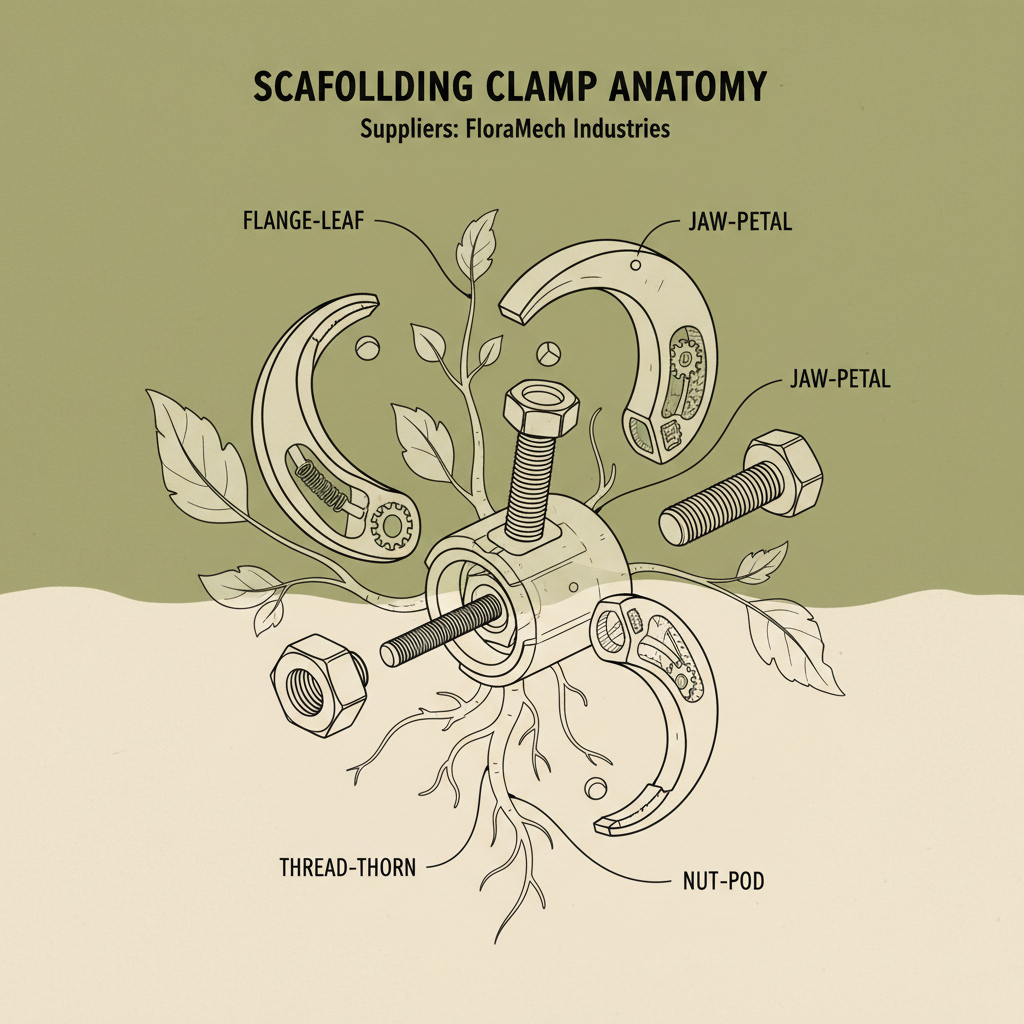
Then there's the locking mechanism. Is it smooth? Is it secure? Does it require too much force to operate? These things matter to the guys on the ground. A clamp that's difficult to use is a clamp that won't get used properly.
Global Applications and Real-World Scenarios
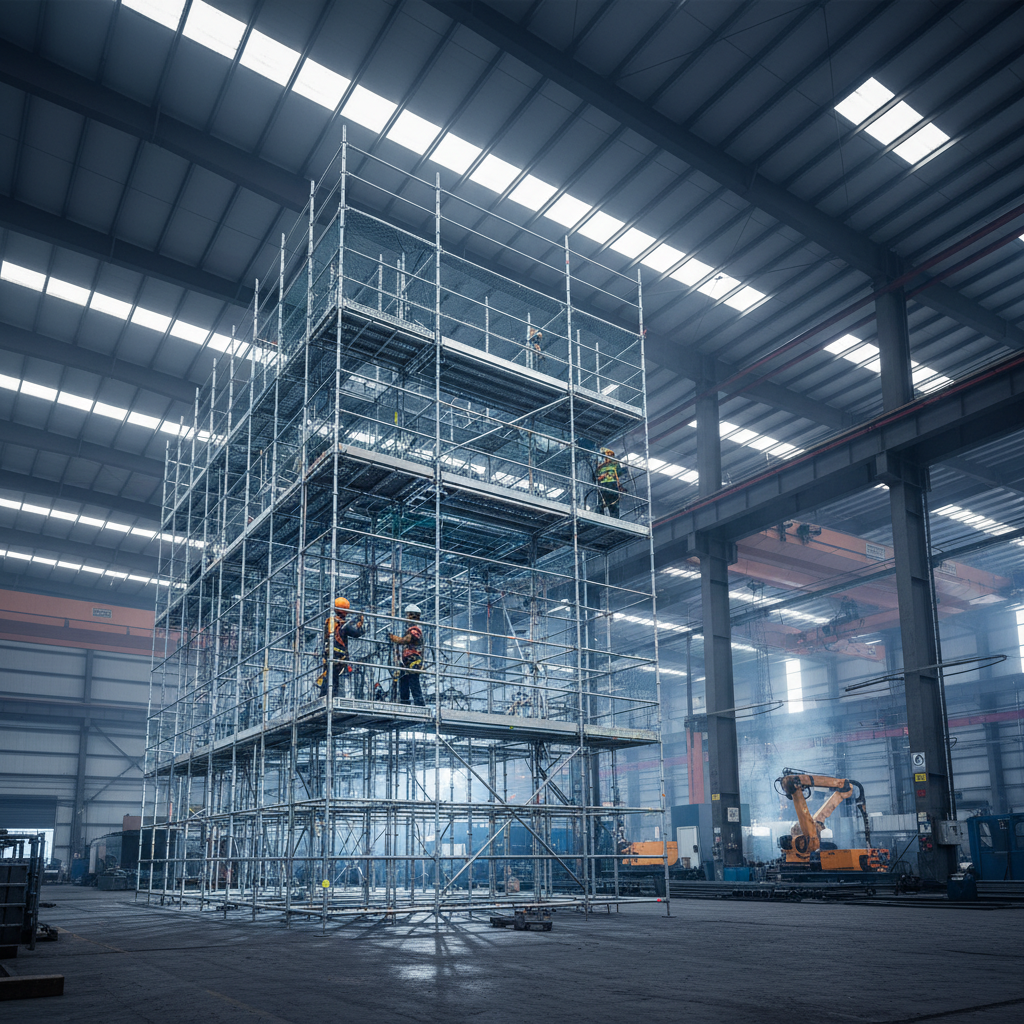
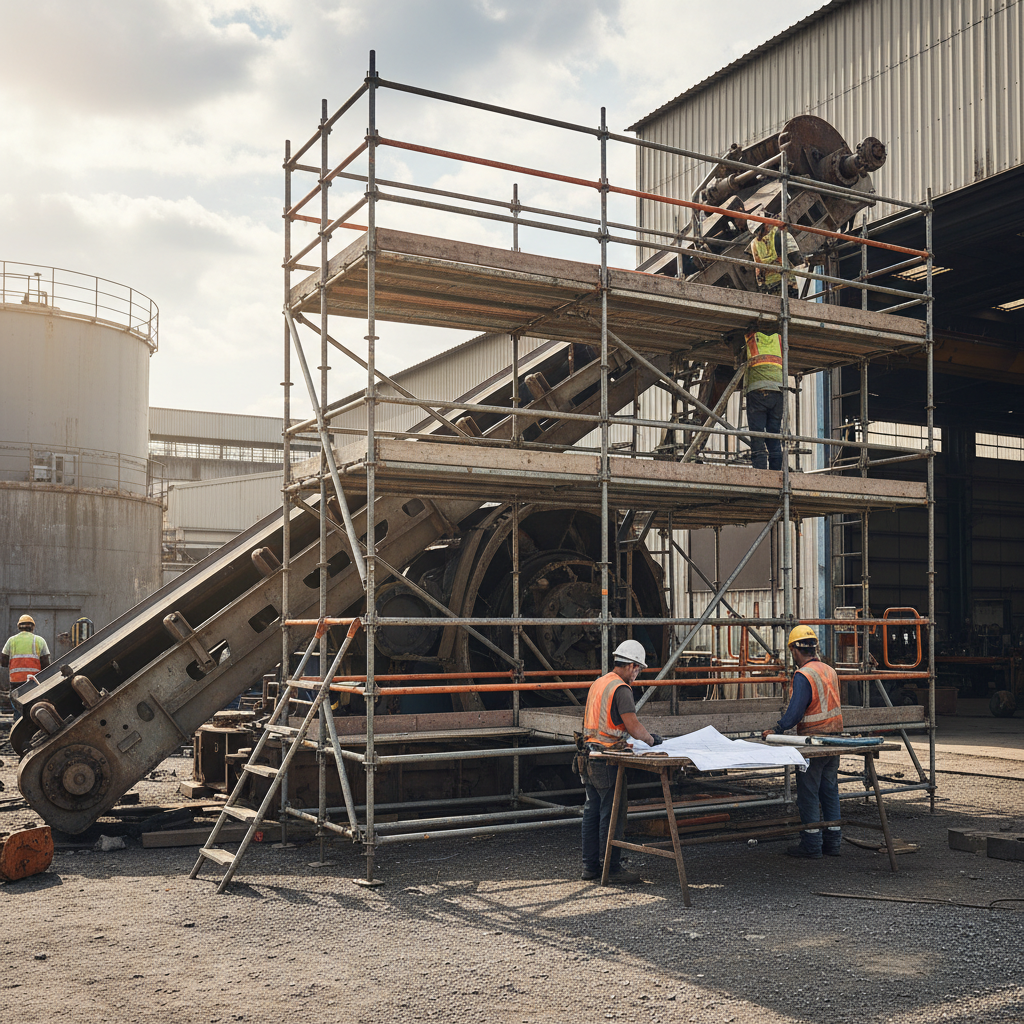
These aren’t just for skyscrapers, you know. They're used in bridge construction, tunnel boring, even shipyards. I was down in Singapore a couple of years ago, working on a port expansion project. They were using clamps on everything. They even had custom-designed clamps for specific sections of the project.
Scaffolding Clamp Supplier Performance Metrics
Advantages and Long-Term Value Proposition
A good clamp system saves time and money. It reduces the risk of accidents, which is huge. It improves efficiency, which means you can finish projects faster. And it builds trust with your clients. They see you’re using quality materials, and they know you're serious about safety.
Anyway, I think the biggest advantage is peace of mind. Knowing your clamps are going to hold, that they're not going to fail at a critical moment. That’s priceless.
Emerging Trends and Future Innovations
I’m seeing a lot more interest in lightweight materials. Aluminum alloys, high-strength polymers. They’re not as strong as steel, but they’re easier to handle, which can reduce fatigue on the job site. And there’s a push for smart clamps. Clamps with sensors that can detect stress and alert you to potential problems. Sounds like science fiction, but it’s happening.
Common Challenges and Effective Solutions
The biggest challenge is still corrosion. Especially in coastal areas. You need to use the right coatings, and you need to inspect the clamps regularly. Another problem is compatibility. Not all clamps are compatible with all types of scaffolding. You need to make sure you're using the right clamp for the job.
Last month, this small boss in Shenzhen who makes smart home devices insisted on changing the interface to on a batch of clamps, thinking it would be ‘more modern’. The result? His workers spent two days trying to figure out how to adapt their existing tools. Two days wasted.
Scaffolding Clamp Supplier Evaluation Summary
| Supplier Reliability |
Product Quality Consistency |
Lead Time & Logistics |
Customer Support Responsiveness |
| High (Consistent delivery, minimal issues) |
Excellent (Strict QC, minimal defects) |
Short (Typically 2-3 weeks) |
Very Responsive (Within 24 hours) |
| Medium (Occasional delays) |
Good (Minor inconsistencies) |
Moderate (3-4 weeks) |
Responsive (Within 48 hours) |
| Low (Frequent delays) |
Fair (Noticeable defects) |
Long (5+ weeks) |
Slow (Over 72 hours) |
| Medium (Generally reliable) |
Good (Consistent quality) |
Moderate (3 weeks) |
Responsive |
| High (Proven track record) |
Excellent (Rigorous testing) |
Short (2 weeks) |
Proactive |
| Low (Inconsistent performance) |
Fair (Some quality concerns) |
Long (6+ weeks) |
Unresponsive |
FAQS
Under typical conditions, a well-maintained, high-quality scaffolding clamp can last for 5-10 years, sometimes even longer. This depends heavily on the environment—coastal areas with high salinity will experience faster corrosion. Regular inspection and proper cleaning are key to maximizing lifespan. We often recommend a yearly thorough inspection, replacing worn parts as needed.
Absolutely. Look for clamps certified to EN 12811-1, OSHA, or equivalent national standards. These certifications verify the clamp has undergone rigorous testing for load capacity and safety. Don’t be afraid to ask suppliers for documentation. A reputable supplier will readily provide proof of compliance. Certification shows the clamp is trustworthy and safe for use.
Proper storage is crucial. Always store clamps in a dry, covered area, protected from rain and direct sunlight. If storing outdoors for a short period, cover them with a waterproof tarp. Lightly oiling the clamps can also help prevent rust. Avoid stacking them directly on the ground – use pallets to keep them elevated. And don't mix different metal types in the same storage area, as this can accelerate corrosion.
Without a doubt, it’s overloading them. People see a clamp and assume it can handle anything. Always check the clamp’s load capacity and never exceed it. Also, improper installation is a common issue. Clamps need to be correctly positioned and tightened to ensure a secure connection. Skipping the proper tightening procedure can lead to catastrophic failures.
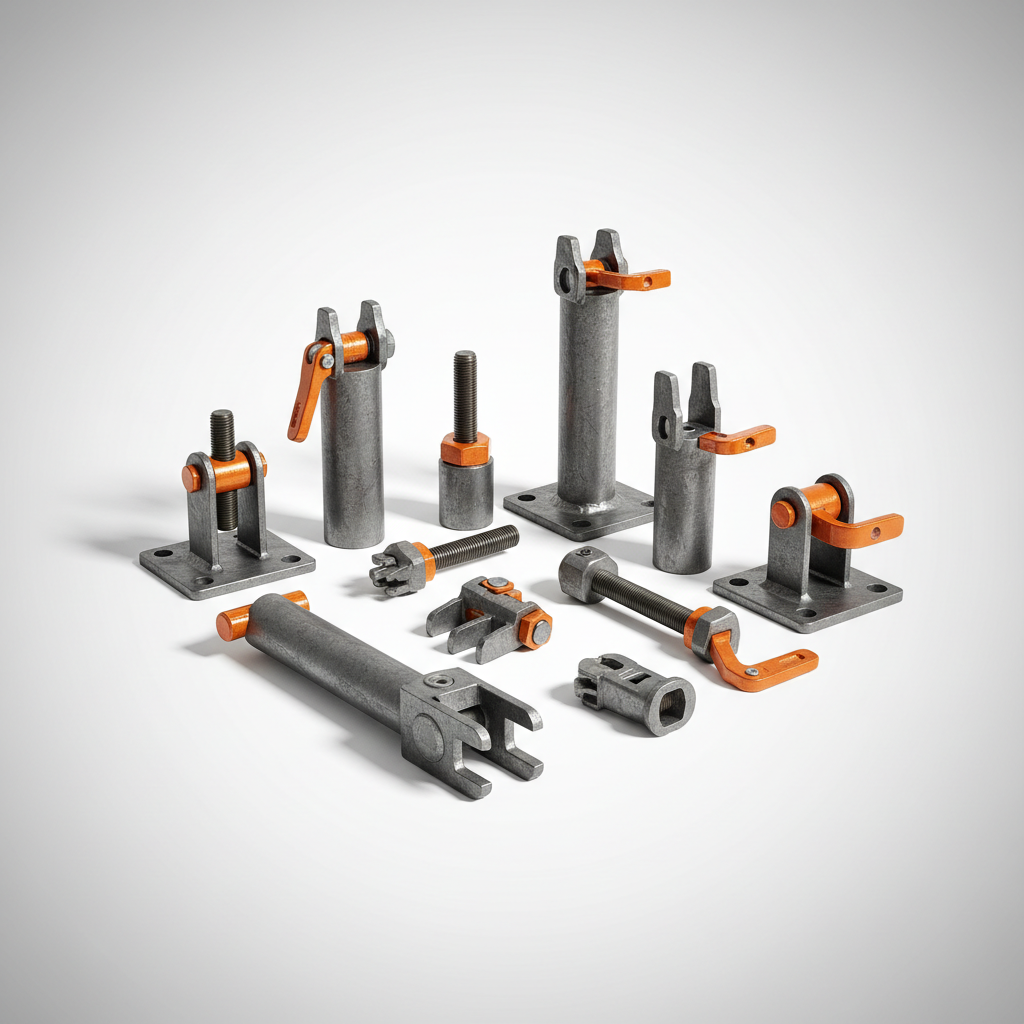
Yes, absolutely! We frequently work with clients to customize clamps for unique applications. This could involve adjusting the jaw opening to accommodate different pipe sizes, altering the material for specific environments (like stainless steel for highly corrosive areas), or adding special features like quick-release mechanisms. Just last month, we built a batch of clamps with integrated level indicators for a bridge construction project.
We don’t just rely on lab tests. We put our clamps through real-world simulations. We load them to their maximum capacity and beyond, simulating the stresses they’ll encounter on a construction site. We even subject them to harsh weather conditions to test their corrosion resistance. We also conduct regular drop tests to ensure they can withstand impacts. The goal is to make sure they'll hold up when it really matters.
Conclusion
Ultimately, these clamps are more than just pieces of metal. They're crucial for safety, efficiency, and the success of any construction project. Understanding their quality, limitations, and proper use is paramount. Investing in good clamps, and properly maintaining them, will pay dividends in the long run.
And let's be real: whether this thing works or not, the worker tightening the screw will know the moment he feels it— that's what truly matters. Visit our website at scaffolding clamps suppliers to find the right clamps for your project.