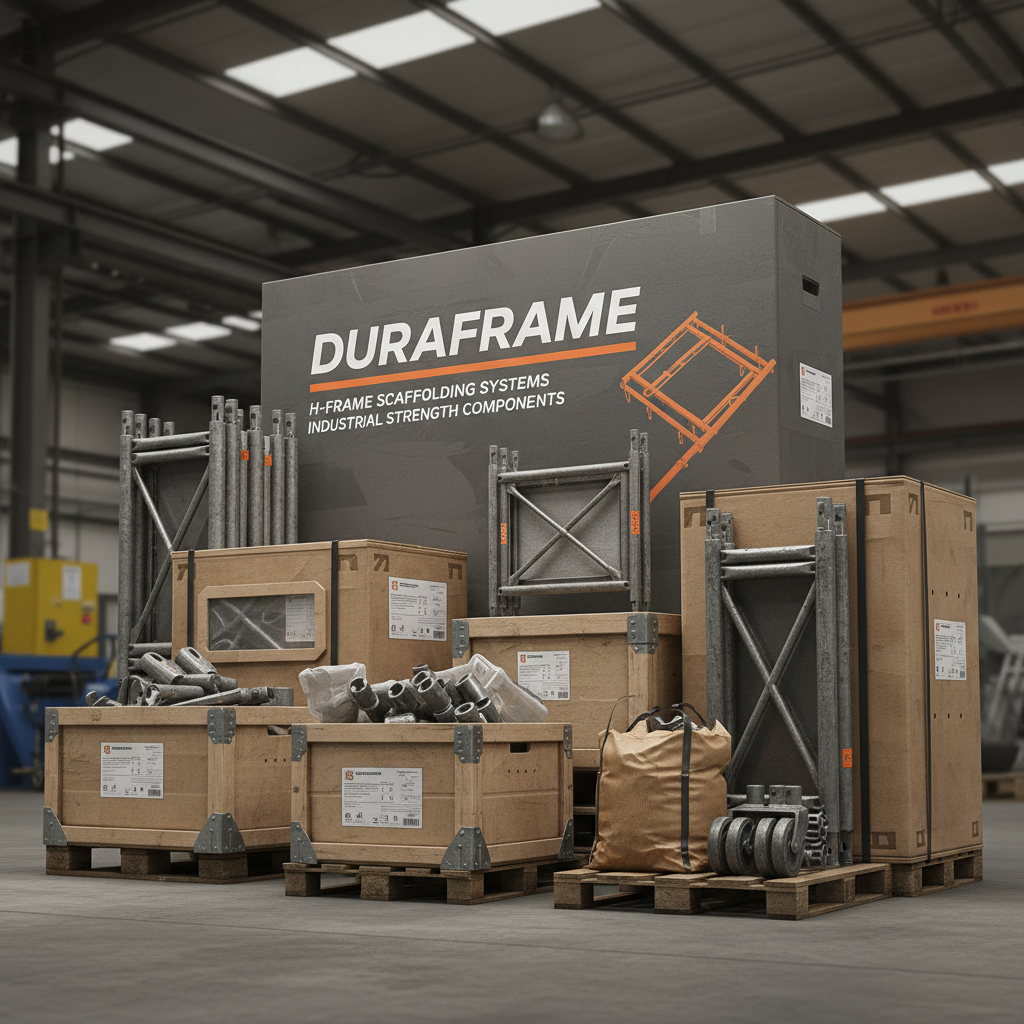
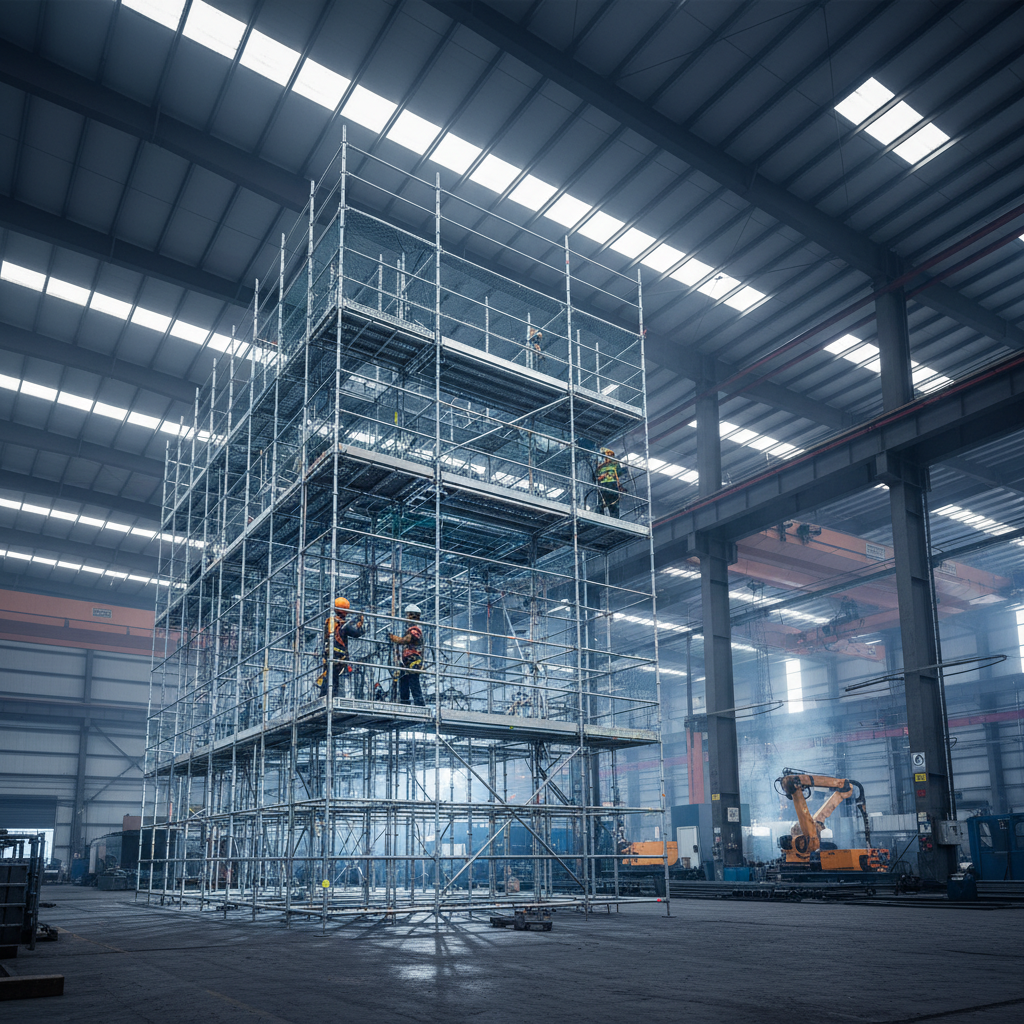
Look, I spend my days walking construction sites – dust in my boots, blueprints in my hand. I’ve seen a lot of scaffolding in my time, and let me tell you, h frame scaffolding parts aren’t just metal tubes and clamps. They’re the backbone of getting a job done safely and efficiently. We’re talking about structures that hold up people, materials, the whole operation. Choosing the right parts, understanding how they fit together, that’s the difference between a smooth build and a costly delay—or worse, an accident. It's not glamorous work, but it’s critical.
The demand for reliable scaffolding is only going up, globally. The construction industry is booming in developing nations, and even in established economies, infrastructure projects are constant. The UN projects a continued need for resilient infrastructure, especially in areas prone to natural disasters. And honestly, the old ways of building, the patchwork solutions... they just don’t cut it anymore. We need systems that are standardized, adaptable, and, frankly, built to last. I’ve seen too many corners cut on scaffolding, and the consequences are never worth the savings.
What are h frame scaffolding parts, exactly? It’s the system – the uprights, the horizontals, the bracings, the decks – all designed to create a freestanding, robust platform. Think of it like LEGOs for grown-ups, but with a serious focus on load capacity and structural integrity. This isn’t about building a kid’s tower; it’s about providing a safe workspace for skilled tradespeople to build our hospitals, our schools, our homes. It's a foundational element in modern construction, and increasingly vital in emergency response situations as well.
The Importance of H Frame Scaffolding Parts
I've seen projects stalled because of inadequate scaffolding – not enough of it, the wrong type, or poorly maintained. It’s a domino effect. Crews can’t work safely, progress grinds to a halt, and budgets get blown. That’s where quality h frame scaffolding parts come in. They provide a stable, secure foundation for a wide range of tasks. We're talking about everything from bricklaying and painting to facade installation and window cleaning. h frame scaffolding parts are simply essential for projects both large and small.
And it's not just about avoiding delays. Proper scaffolding is a cornerstone of site safety. A well-constructed scaffold, using certified parts, reduces the risk of falls—the leading cause of injury in construction. Investing in high-quality h frame scaffolding isn’t just smart business; it’s a moral obligation to the people building our world.
Defining H Frame Scaffolding Systems
Let's be clear: h frame scaffolding isn’t a one-size-fits-all solution. It’s a system, and a versatile one. It’s characterized by its freestanding nature – meaning it doesn't necessarily need to be tied to the building structure, though it often is for added stability. The ‘H’ shape comes from the two vertical uprights connected by horizontal and diagonal bracing, creating a stable frame. The modular design allows you to build upwards and outwards, adapting to the specific needs of the project.
Unlike some other scaffolding types, h frame systems are relatively easy to erect and dismantle, which saves time and labor costs. That’s important, because time is money on any job site. Plus, the components are usually standardized, making it easier to source replacement parts and ensure compatibility. This modularity and ease of use are key factors in its widespread adoption.
You'll find different grades of steel used in h frame scaffolding parts, influencing weight capacity and durability. Knowing the load rating of each component is crucial. And it’s not just the metal – the connectors, the guardrails, the base plates… everything needs to meet industry standards and be regularly inspected.
Core Components and Characteristics
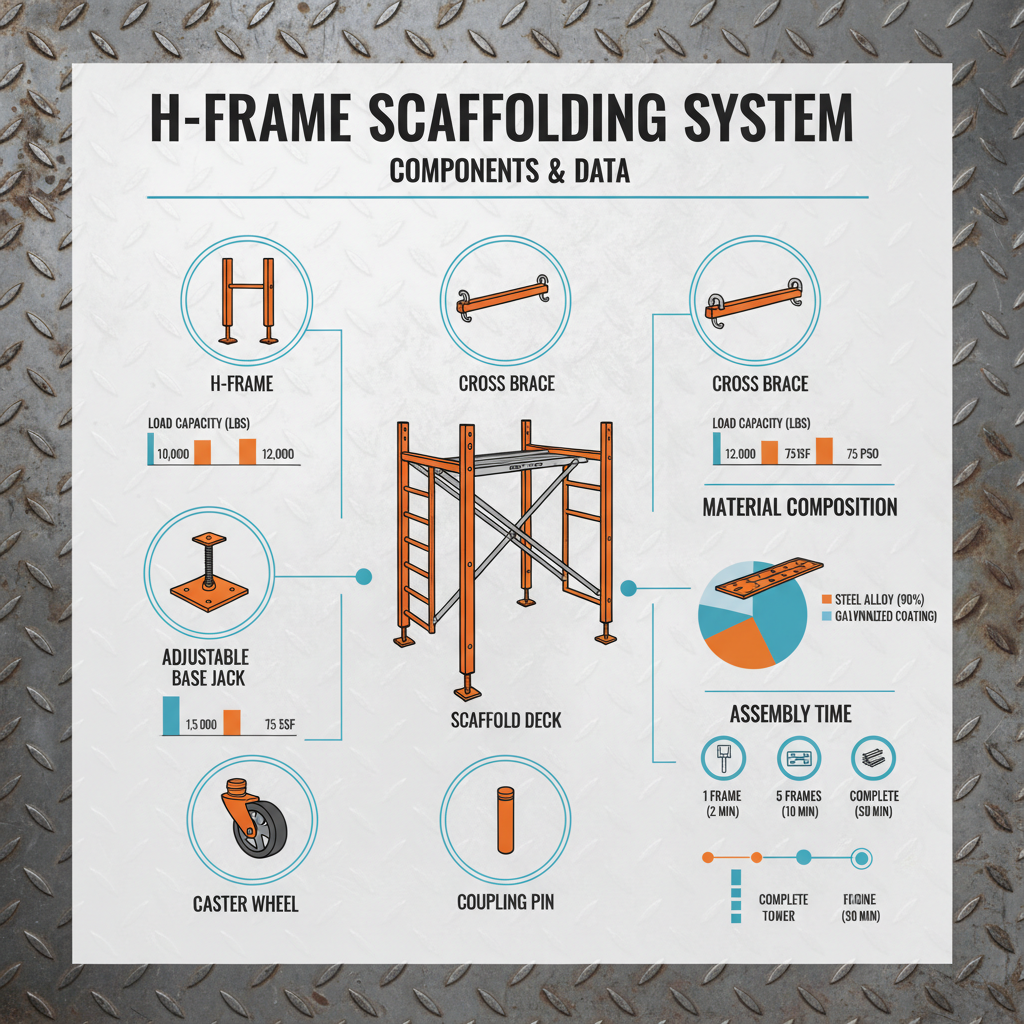
The heart of any h frame system is the uprights. These are the vertical standards, the load-bearing members. They come in various lengths to accommodate different heights. Then you’ve got the horizontals, which connect the uprights and provide the platform support. And don't forget the diagonal bracings – these are essential for preventing sway and maintaining stability. Each component is designed to work in harmony with the others.
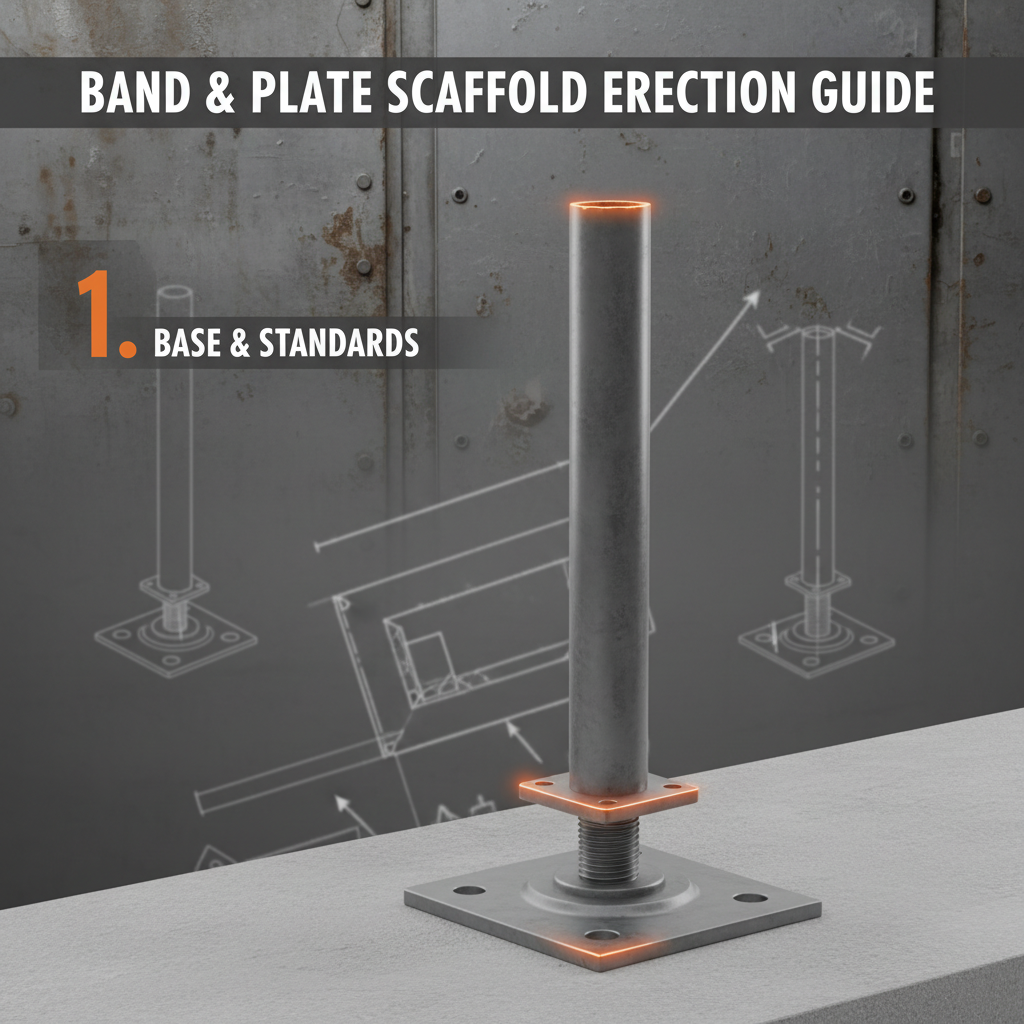
A critical, often overlooked component is the deck. These are the platforms where workers stand. They need to be properly secured and capable of supporting the weight of workers, tools, and materials. Guardrails are non-negotiable – they’re the first line of defense against falls. And base plates are crucial for distributing the load and preventing the scaffold from sinking into the ground. All these components must be regularly inspected for wear and tear.
The characteristics of good h frame scaffolding parts are clear: high tensile strength, corrosion resistance, and adherence to safety standards like OSHA and EN 12811. The materials used—typically steel or aluminum—impact weight, cost, and durability. Aluminum is lighter and corrosion-resistant, but steel is generally stronger and more affordable.
Key Advantages of H Frame Scaffolding
The biggest advantage, hands down, is safety. A properly erected and maintained h frame scaffold provides a stable and secure working platform. But it's not just about avoiding accidents. It's about increasing productivity. When workers feel safe, they can focus on their tasks and work more efficiently.
The modularity of h frame scaffolding parts is another major benefit. It allows you to customize the scaffold to fit the specific needs of the job. You can easily add or remove sections, adjust the height, and create different configurations. This adaptability is invaluable.
H Frame Scaffolding Component Performance
Global Applications and Industry Use Cases
You’ll find h frame scaffolding on construction sites all over the world – from high-rise buildings in bustling cities to remote infrastructure projects. It’s the go-to choice for facade work, painting, and general maintenance. In post-disaster relief operations, quickly erectable h frame scaffolding can provide critical access for emergency repairs and assessments.
It's heavily used in the oil and gas industry for platform maintenance and inspection. The shipbuilding industry relies on it for hull construction and repair. And increasingly, you’re seeing it used in the renewable energy sector – for wind turbine maintenance, for example. The versatility of h frame scaffolding makes it adaptable to a huge range of applications.
Long-Term Value and Sustainable Benefits
Investing in quality h frame scaffolding parts isn't just a cost; it's a long-term investment. Durable components mean fewer replacements, reduced downtime, and lower overall maintenance costs. And when you factor in the increased safety and productivity, the return on investment is significant.
There's a growing focus on sustainability in the construction industry, and h frame scaffolding can play a role. Steel is a recyclable material, and well-maintained scaffolding can be reused on multiple projects, reducing waste. Choosing manufacturers committed to sustainable practices is another way to minimize environmental impact.
Ultimately, h frame scaffolding isn’t just about building structures; it’s about building trust. Trust in the safety of the work environment, trust in the reliability of the equipment, and trust in the quality of the finished product.
Future Trends and Innovations in Scaffolding
We’re starting to see the integration of digital technologies in scaffolding. Things like sensor-equipped components that can monitor load capacity and structural integrity. Drones are being used for scaffold inspection, reducing the need for manual climbs and improving safety.
There’s also a push towards lightweight materials – high-strength alloys and composite materials – to make scaffolding easier to transport and erect. And of course, automation is playing a role. We’re seeing robotic systems being developed to assist with scaffold assembly and disassembly.
I think the biggest trend will be a move towards more integrated scaffolding solutions – systems that combine traditional h frame components with digital monitoring and automation technologies. h frame scaffolding parts will become smarter, safer, and more efficient.
Table Summarizing Challenges and Potential Solutions in H Frame Scaffolding
| Challenge |
Impact on Project |
Potential Solution |
Implementation Cost (1-10) |
| Component Corrosion |
Reduced structural integrity, safety hazards |
Protective coatings, regular inspection & maintenance |
4 |
| Erection/Dismantling Time |
Project delays, increased labor costs |
Pre-assembled sections, automated lifting systems |
7 |
| Inadequate Training |
Incorrect assembly, safety violations |
Comprehensive training programs, certification requirements |
5 |
| Component Compatibility Issues |
Assembly challenges, potential instability |
Standardized components, rigorous quality control |
3 |
| Difficulty in Complex Geometries |
Limited adaptability, increased customization costs |
Modular systems with adjustable components |
6 |
| Lack of Real-time Monitoring |
Delayed identification of safety risks |
Sensor integration, remote monitoring platforms |
8 |
FAQS
With regular inspection, cleaning, and re-coating as needed, quality h frame scaffolding parts can easily last 15-20 years or even longer. The key is preventing corrosion and addressing any damage promptly. Regularly replacing worn components like guardrails or base plates is also crucial. A proactive maintenance program significantly extends the lifespan and ensures continued safety.
Look for certifications like OSHA (Occupational Safety and Health Administration) compliance in the US, or EN 12811 in Europe. These certifications demonstrate that the scaffolding parts have been tested and meet rigorous safety standards. Also, verify the manufacturer’s quality control processes and ensure they provide load capacity information for each component.
Generally, steel scaffolding has a higher weight capacity than aluminum. Steel typically supports loads of around 75 lbs per square foot, while aluminum is usually rated for around 50 lbs per square foot. However, the specific load capacity depends on the grade of the material and the design of the components. Always consult the manufacturer’s specifications before loading a scaffold.
Store scaffolding parts in a dry, covered area to protect them from the elements. If outdoor storage is unavoidable, cover the components with a tarp. Stack components neatly to prevent damage during handling. Regularly inspect stored parts for signs of corrosion and apply protective coatings as needed. Elevate components off the ground to prevent moisture buildup.
Scaffolding should be inspected before each work shift and after any event that could compromise its integrity, such as high winds or heavy rain. A qualified person should conduct these inspections, checking for damaged components, loose connections, and proper load distribution. Detailed inspection records should be maintained.
Yes, h frame scaffolding can be adapted for uneven ground using adjustable base plates. These plates allow you to level the scaffold and ensure a stable foundation. It’s important to use appropriate shimming materials and follow manufacturer’s guidelines for adjusting the base plates to prevent instability. Proper leveling is crucial for safety.
Conclusion
From the ground up, h frame scaffolding parts represent a vital component of the modern construction landscape. Their inherent safety features, coupled with adaptability and increasing technological integration, make them essential for a vast range of projects. Choosing the right components, prioritizing proper maintenance, and adhering to safety regulations are not just best practices—they’re paramount to creating a safe and productive work environment.
Looking ahead, innovation in materials, automation, and digital monitoring will further enhance the capabilities of h frame scaffolding. We’ll see systems that are lighter, stronger, and smarter, contributing to a more sustainable and efficient construction industry. If you're ready to explore high-quality, reliable h frame scaffolding parts, visit our website today.