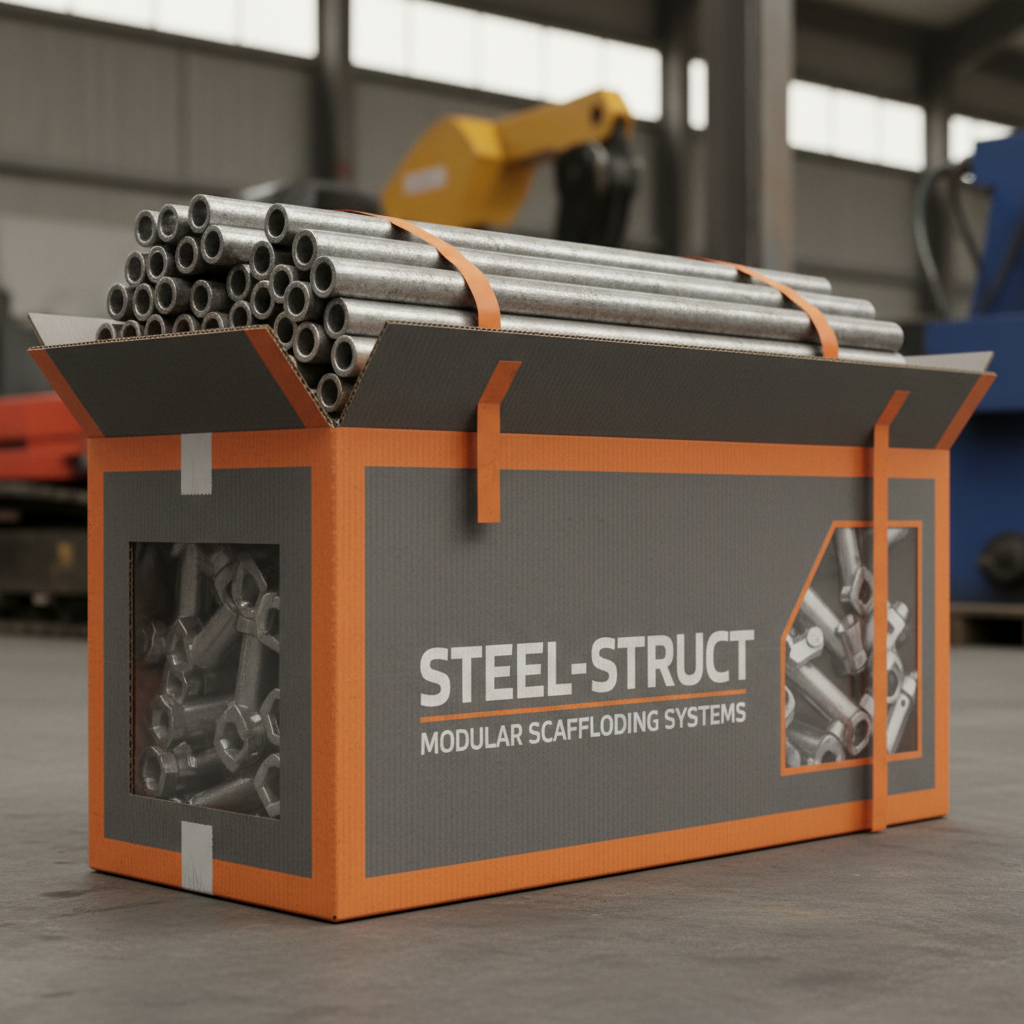
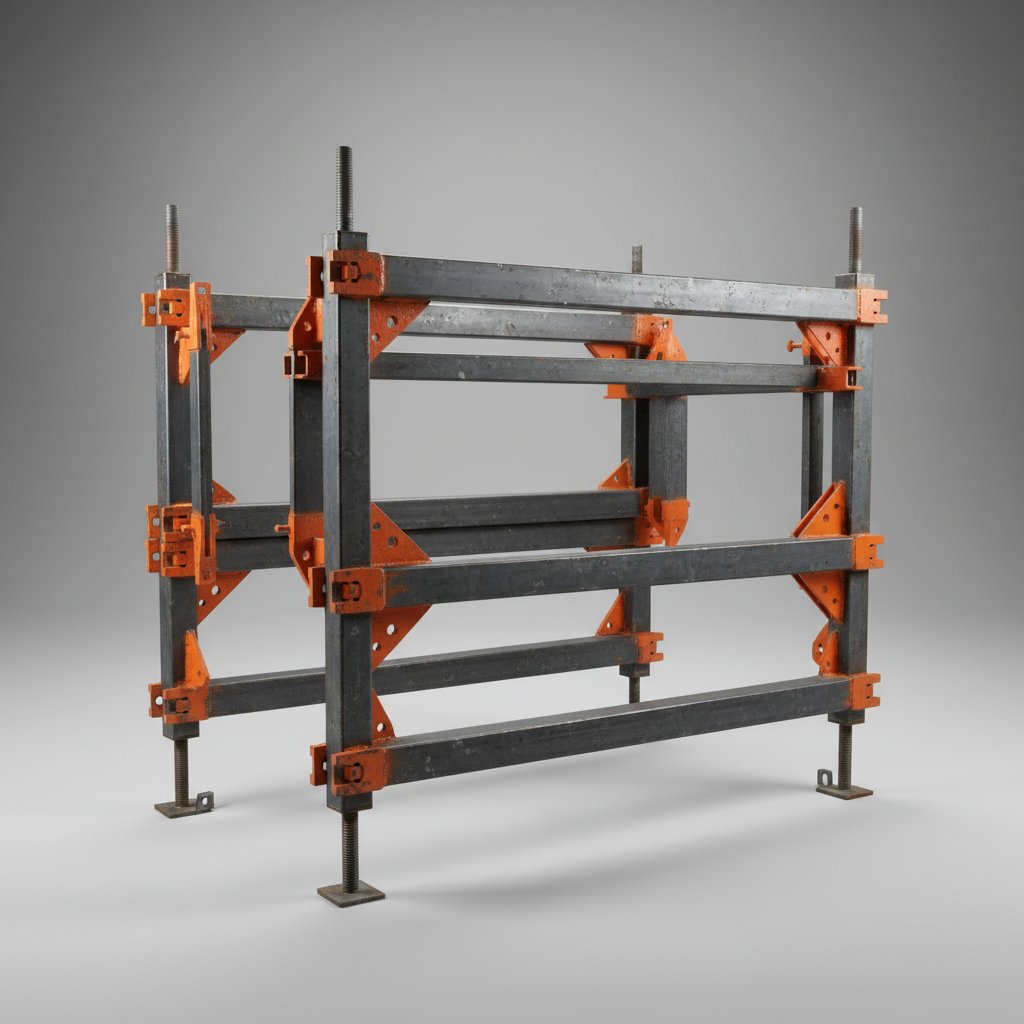
In the rapidly evolving landscape of global construction, modular scaffolding parts have emerged as the backbone of modern structural engineering. These precision-engineered components allow for the rapid assembly of temporary structures, ensuring that workers can access heights safely while maintaining a level of flexibility that traditional timber or fixed-pipe scaffolding simply cannot match. By shifting the focus from manual cutting and fitting to a standardized system of interchangeable parts, the industry has seen a dramatic increase in both site safety and operational speed.
The global demand for these systems is driven by the surge in urban infrastructure projects and the need for more sustainable building practices. Whether it is the assembly of complex facades in metropolitan hubs or the maintenance of industrial refineries, high-quality modular scaffolding parts reduce material waste and minimize the labor hours required for installation. This efficiency is not merely a convenience but a financial imperative in an era of rising labor costs and tightening project deadlines.
Understanding the nuances of these components—from the load-bearing capacity of the standards to the locking mechanisms of the ledgers—is crucial for any contractor aiming for excellence. By integrating advanced metallurgy and ergonomic design, today's modular systems provide a reliable framework that adapts to the unique geometry of any building site. This comprehensive guide explores the technical specifications, global applications, and future innovations that make these components indispensable to the modern built environment.
Global Relevance of Modular Scaffolding Parts
On a global scale, the construction industry is under immense pressure to deliver housing and infrastructure faster than ever before. According to reports aligned with ISO quality standards, the shift toward industrialized construction has made modular scaffolding parts a critical asset. In emerging economies, where rapid urbanization is the norm, these systems allow for the scaling of projects without compromising the safety of the workforce, effectively addressing the challenge of high-altitude instability and slow assembly times.
Moreover, the standardization of these parts ensures that components manufactured in one region can be utilized in another, facilitating a global supply chain of building materials. This interoperability reduces the risk of project delays caused by missing bespoke parts and allows for a more fluid movement of equipment across international borders, supporting large-scale initiatives from the World Bank and UN-backed infrastructure developments.
Defining Modern Modular Scaffolding Systems
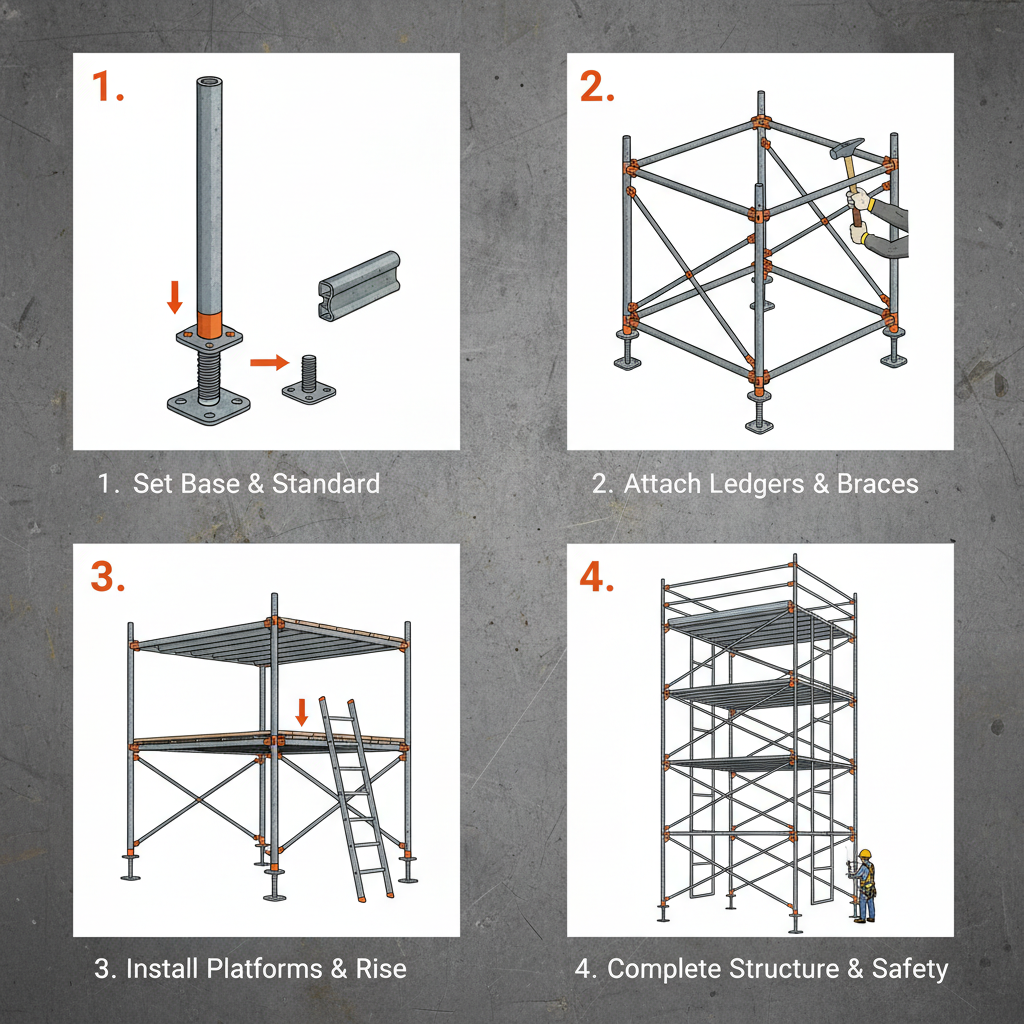
At its simplest, modular scaffolding parts refer to a system of prefabricated components—including standards, ledgers, transoms, and connectors—that lock together without the need for extensive bolting or welding. Unlike traditional tube-and-clamp systems, modular versions utilize a "node" or "rosette" system, which allows multiple connection points at fixed intervals, creating a rigid, geometric grid that is inherently more stable.
This modularity is deeply connected to the modern industrial need for "lean construction." By utilizing a kit-of-parts approach, companies can minimize the amount of raw steel wasted on-site and optimize the logistics of transport. The ability to quickly assemble and disassemble these structures means that the "down-time" between different phases of a build is virtually eliminated.
Beyond industrial utility, these systems address humanitarian needs in post-disaster recovery. When rapid deployment is required to stabilize damaged buildings or create temporary access for rescue teams, the intuitive nature of modular scaffolding parts allows non-specialized crews to erect safe working platforms in a fraction of the time required for traditional methods.
Core Components and Technical Factors
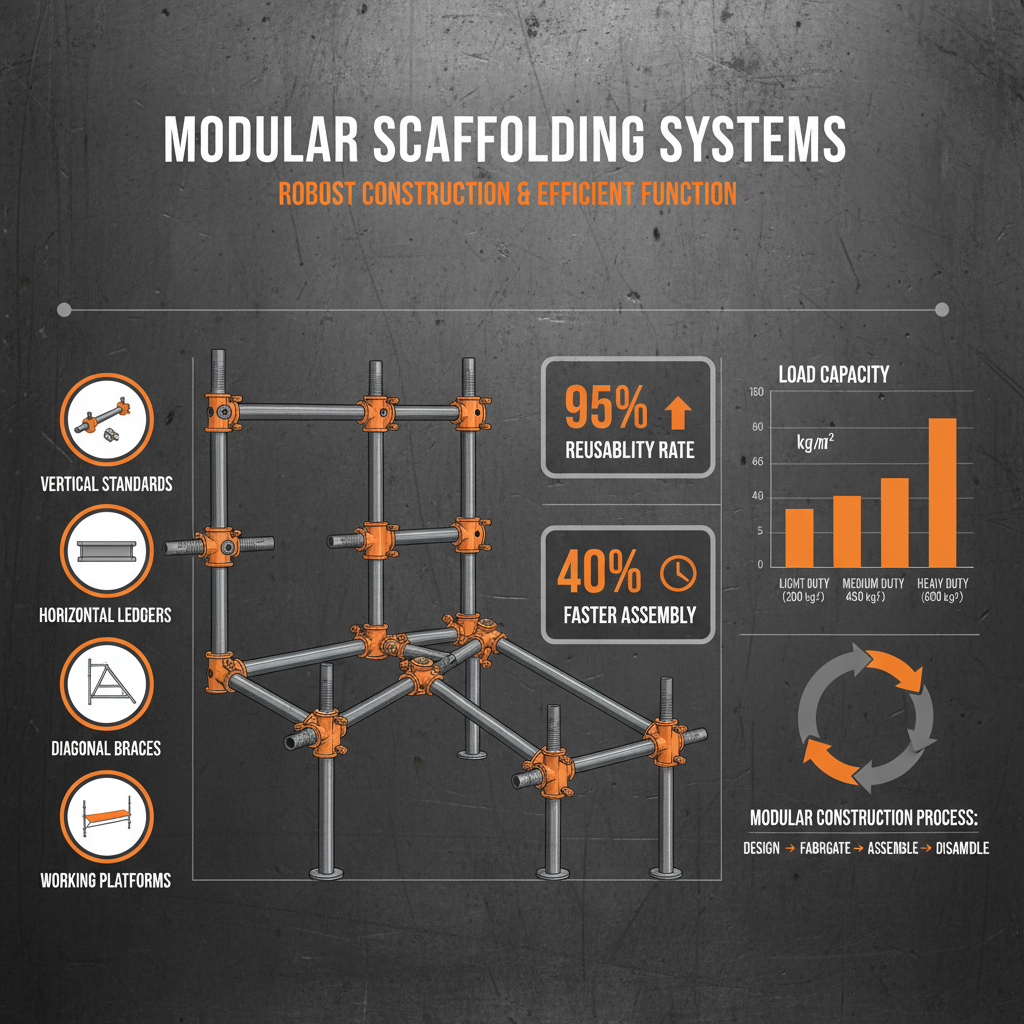
The effectiveness of any setup depends on the synergy between various modular scaffolding parts. The primary vertical members, known as standards, provide the load-bearing strength, while horizontal ledgers and transoms distribute the weight and provide the framework for the working platforms. The precision of the locking mechanism—the "wedge" or "ring"—is what determines the overall rigidity of the structure.
Durability and scalability are the two most critical technical factors. High-grade galvanized steel is typically used for all modular scaffolding parts to prevent corrosion in humid or coastal environments, ensuring a lifespan of several decades. Scalability is achieved through the additive nature of the system; adding height or width is as simple as inserting additional standards and ledgers into existing rosettes.
Cost efficiency is realized not in the initial purchase price, but in the lifecycle value. Because these parts are standardized and durable, they can be reused across hundreds of different projects. When combined with accessories like Adjustable Jack Bases and U-Heads, the system can be leveled on uneven terrain, eliminating the need for expensive ground preparation.
Performance Analysis of System Types
Depending on the project requirements, different configurations of modular scaffolding parts offer varying levels of performance. Ringlock systems are often preferred for high-load industrial applications due to their superior connectivity, while Cuplock systems are praised for their speed of assembly in simpler residential projects.
Analyzing the trade-offs between weight, load capacity, and assembly speed reveals that the "optimal" system depends on the specific use case. For instance, lightweight aluminum modular parts are ideal for interior renovations where floor loading is a concern, whereas heavy-duty steel is mandatory for bridge construction or heavy masonry work.
Comparison of Modular Scaffolding Parts System Efficiency
Global Applications and Use Cases
In the heart of Middle Eastern oil and gas refineries, modular scaffolding parts are used to create complex, multi-level access platforms around volatile piping systems. The ability to build "around" existing structures without disturbing them is a key advantage, allowing maintenance crews to perform critical repairs while the plant remains operational, thus avoiding millions of dollars in downtime.
Similarly, in the restoration of European historical cathedrals, these systems provide a non-invasive way to access fragile stonework. By carefully configuring the modular parts, engineers can distribute the weight of the scaffold across a larger surface area, ensuring that the ancient foundations are not compromised while artisans perform delicate restoration work at great heights.
Long-Term Value and Safety Advantages
The primary value of investing in high-quality modular scaffolding parts lies in the dramatic reduction of human error. Traditional scaffolding requires manual measurement and repetitive tightening of bolts, which can be overlooked. Modular systems, however, rely on a "click-and-lock" mechanism that provides tactile and visual confirmation of a secure connection, significantly lowering the risk of structural collapse.
From a sustainability perspective, the longevity of these components reduces the environmental footprint of construction. Instead of utilizing disposable timber supports that end up in landfills, steel modular parts are recycled or reused for decades. This circular economy approach not only benefits the planet but also stabilizes the long-term procurement costs for construction firms.
Ultimately, the emotional value of these systems is found in the peace of mind they provide to the worker. When a laborer steps onto a platform built with certified, precision-engineered parts, there is a level of trust and dignity in their work environment. Safety is not just a compliance checkbox; it is a commitment to the human life behind the project.
Future Trends in Scaffolding Innovation
The future of modular scaffolding parts is being shaped by the digital transformation of the job site. We are seeing the integration of BIM (Building Information Modeling) where the exact number and placement of every modular part are simulated in a 3D environment before a single piece of steel arrives on site. This reduces waste and allows for "just-in-time" delivery of components.
Material science is also evolving, with the introduction of high-strength, low-alloy steels and advanced polymer coatings that offer even greater corrosion resistance. There is also an increasing trend toward "smart scaffolding," where sensors embedded in key modular parts can monitor load distribution in real-time, alerting site managers to potential imbalances or overloading before a failure occurs.
Automation is the final frontier. Experimental robotic systems are being developed to assist in the assembly of modular parts, reducing the physical strain on workers and further accelerating the speed of deployment. As these technologies mature, the role of the scaffolder will shift from manual labor to system management and safety oversight.
Technical Analysis of Modular Scaffolding Part Specifications
|
Component Type
|
Primary Material
|
Load Capacity Score (1-10)
|
Assembly Speed Score (1-10)
|
|
Ringlock Standard
|
Galvanized Steel Q235
|
10
|
8
|
|
Cuplock Ledger
|
Hot-dip Galvanized Steel
|
8
|
9
|
|
Aluminum Plank
|
6061-T6 Aluminum Alloy
|
6
|
10
|
|
Adjustable Jack Base
|
Forged Steel
|
9
|
7
|
|
Steel Transom
|
Galvanized Steel
|
7
|
9
|
|
Diagonal Brace
|
High-Tensile Steel
|
9
|
8
|
FAQS
Modular systems utilize pre-engineered connection points (like rosettes or cups) that eliminate the need for manual measuring and the risk of under-tightening bolts. This standardization ensures a consistent structural integrity across the entire frame, significantly reducing the likelihood of human error and structural failure during high-altitude work.
The choice depends on three main factors: load requirements, assembly speed, and budget. For heavy industrial loads, Ringlock systems are superior. For rapid residential deployment, Cuplock or Aluminum systems are more efficient. We recommend consulting a structural engineer to calculate the exact load-bearing needs of your site before procurement.
Generally, no. While the concepts are similar, the precise dimensions of the locking mechanisms (the "nodes") usually vary by manufacturer to ensure a tight, safe fit. To avoid dangerous instability, it is critical to use components from the same system line or ensure they are explicitly certified for cross-compatibility.
When maintained correctly and stored in dry conditions, hot-dip galvanized steel parts can last 20 to 30 years. The zinc coating prevents oxidation and rust, which is essential for maintaining the structural strength of the steel. Periodic inspections for physical deformations or deep scratches in the coating are recommended.
Yes, by utilizing specific accessories like Adjustable Jack Bases and U-Heads. These parts allow the vertical standards to be leveled precisely regardless of the ground slope, ensuring the entire structure remains plumb. This eliminates the need for extensive ground leveling, saving time and cost on site preparation.
The upfront procurement cost is often higher than basic tubing. However, the long-term ROI is significantly better due to a 50% reduction in assembly labor costs, lower waste, and the ability to reuse the parts across multiple projects. When calculating the "cost per project hour," modular systems are almost always more economical.
Conclusion
The transition toward modular scaffolding parts represents a fundamental shift in construction philosophy—moving from artisanal, manual assembly to a precision-engineered system. By prioritizing standardization, durability, and safety, these components have not only increased the speed of global infrastructure development but have also set a new benchmark for worker protection. From the technical synergy of Ringlock systems to the sustainability of galvanized steel, the value of modularity is evident in every aspect of the modern build.
Looking ahead, the integration of BIM and smart sensing will further refine the application of these systems, making them more intuitive and safer than ever. For contractors and developers, the investment in high-quality modular components is an investment in operational efficiency and human safety. We encourage all industry professionals to adopt these standardized solutions to ensure their projects are delivered on time, within budget, and above all, without compromise on safety. Visit our website for more information: www.wrkformwork.com