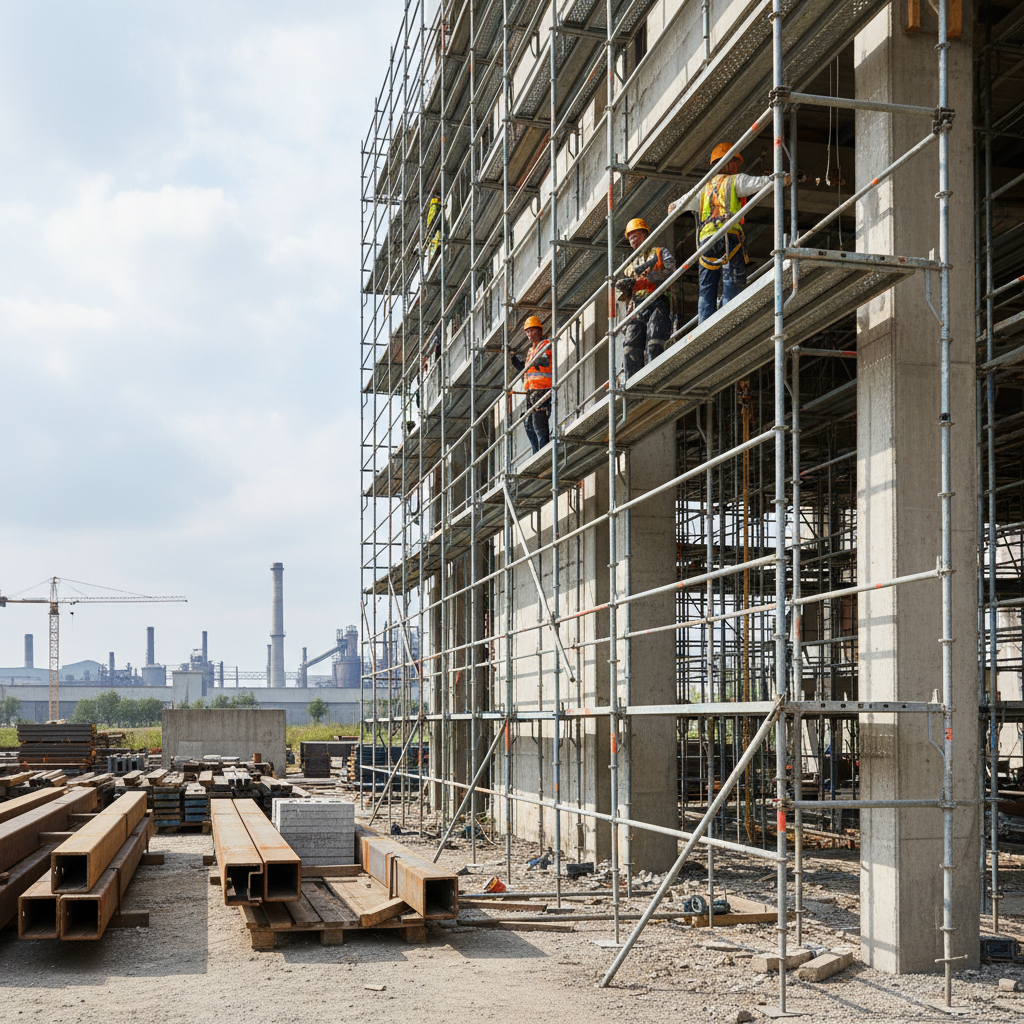
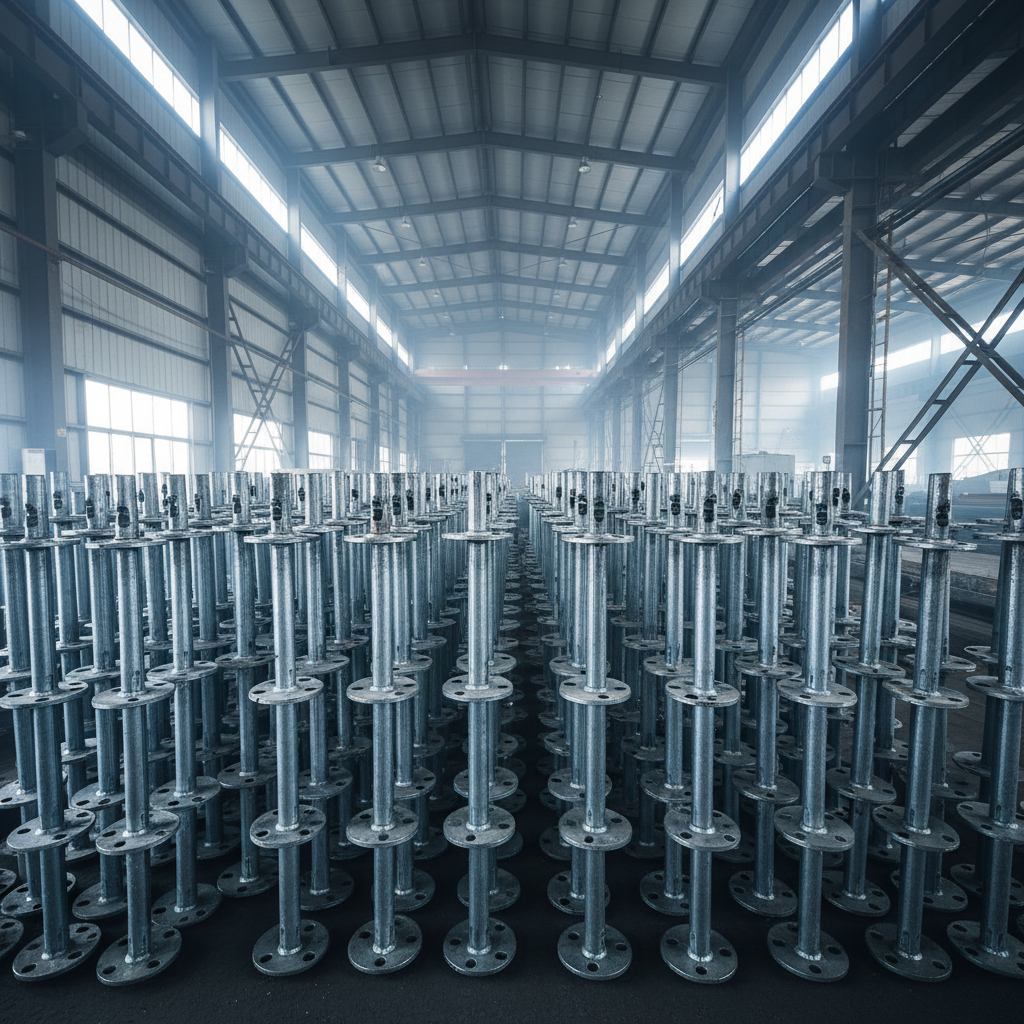
The modern construction landscape is undergoing a paradigm shift toward efficiency and precision, where modular scaffold components have emerged as the gold standard for temporary support structures. Unlike traditional tube-and-clamp systems that require extensive manual labor and precise measurements for every single connection, modular systems utilize standardized, prefabricated parts that lock together with mechanical precision. This transition is not merely about convenience; it is about redefining the safety and velocity of vertical construction globally.
Across the globe, the demand for high-performance scaffolding is driven by the need for tighter project timelines and more stringent safety regulations. By implementing modular scaffold components, firms can significantly reduce the risk of human error during assembly, ensuring that load-bearing capacities are consistent across the entire structure. This standardization allows for a "plug-and-play" approach to site logistics, making it possible to scale operations rapidly without compromising structural integrity.
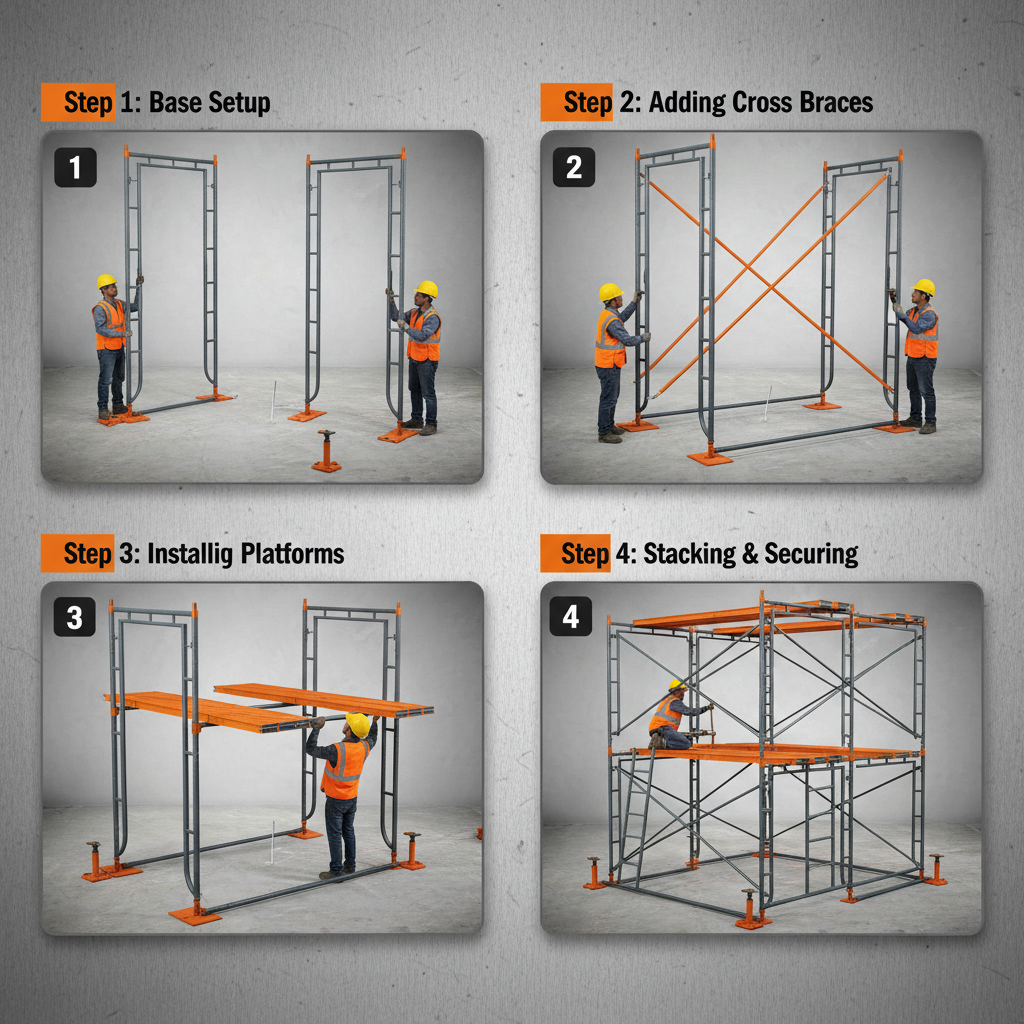
Understanding the intricacies of these systems—from Ringlock and Cuplock mechanisms to the specific role of adjustable jack bases—is essential for any contractor aiming for operational excellence. Whether it is for complex industrial maintenance or high-rise residential builds, the integration of advanced modular scaffold components provides a scalable framework that balances cost-efficiency with the uncompromising requirement for worker safety and structural stability.
Global Industry Context of Modular Scaffold Components
On a global scale, the construction sector is facing an acute pressure to increase productivity while reducing onsite fatalities. According to data aligned with ISO safety standards, a significant percentage of site accidents are attributed to improper scaffolding assembly. This has propelled the adoption of modular scaffold components, which eliminate the ambiguity of traditional coupling by using fixed connection points.
In rapidly urbanizing regions such as Southeast Asia and the Middle East, the scale of infrastructure projects requires a level of agility that only modularity can provide. The shift toward these systems is not just a trend but a necessity to meet the rigorous demands of "fast-track" construction, where the time spent erecting and dismantling temporary works can make or break a project's profitability.
Definition and Technical Meaning of Modular Systems
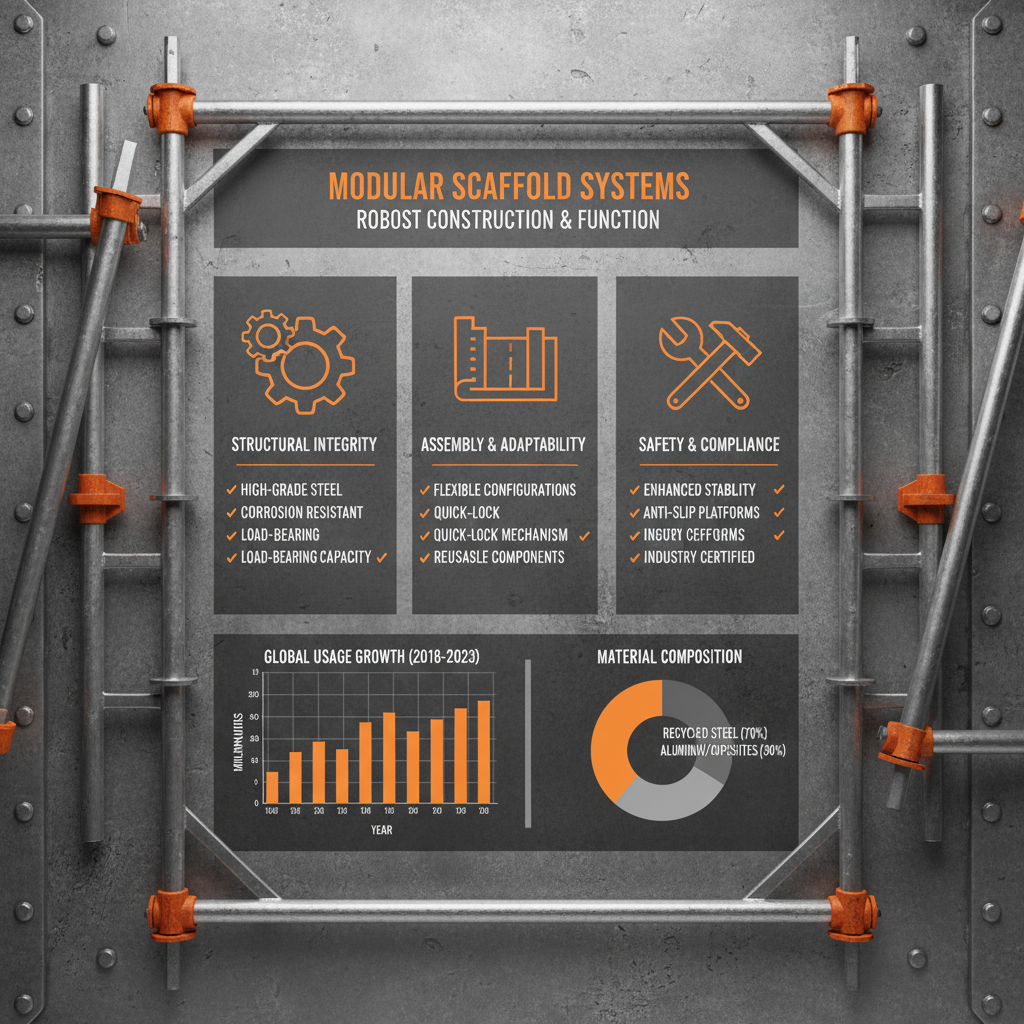
In simple technical terms, modular scaffold components are a system of prefabricated steel elements—including standards, ledgers, and transoms—that connect via a standardized locking mechanism. Unlike traditional systems, these components are engineered to a precise tolerance, ensuring that every piece fits perfectly with another regardless of the batch, provided they follow the same modular standard (such as Ringlock or Cuplock).
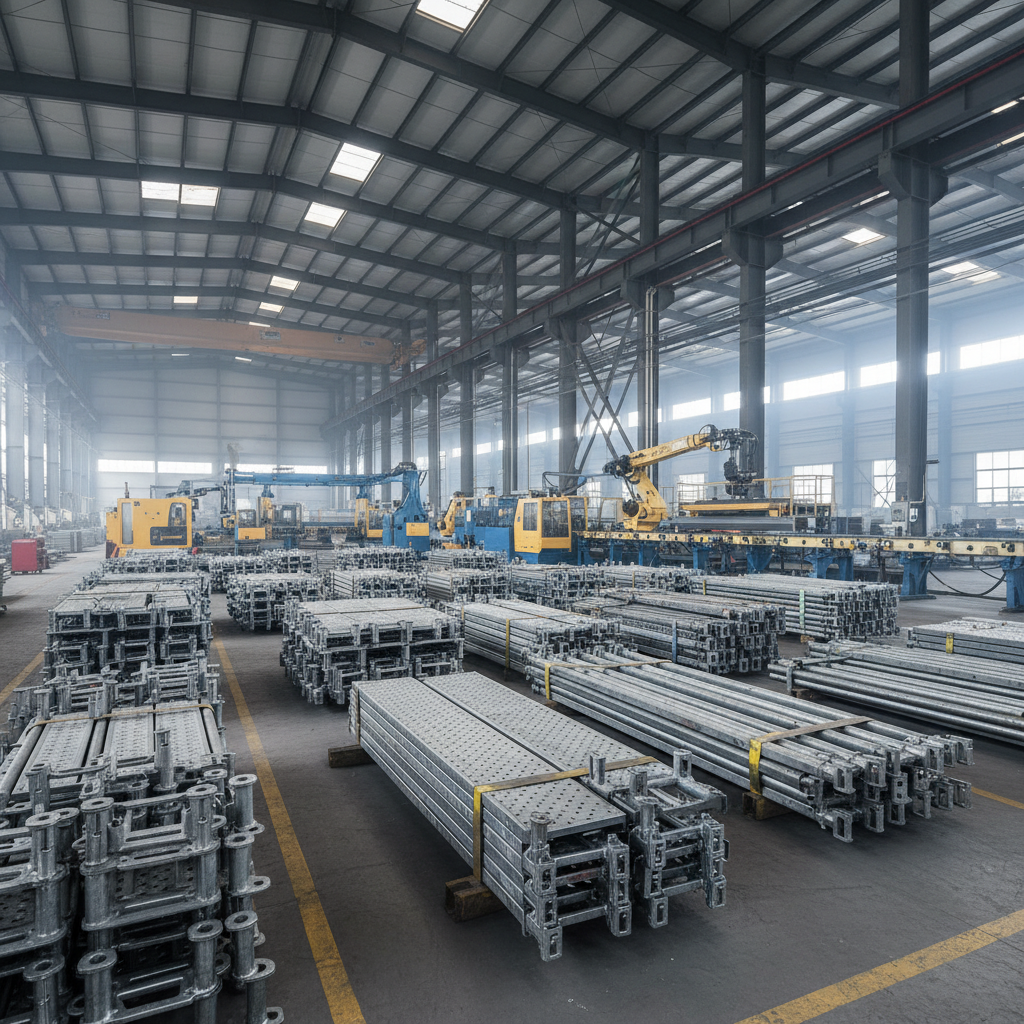
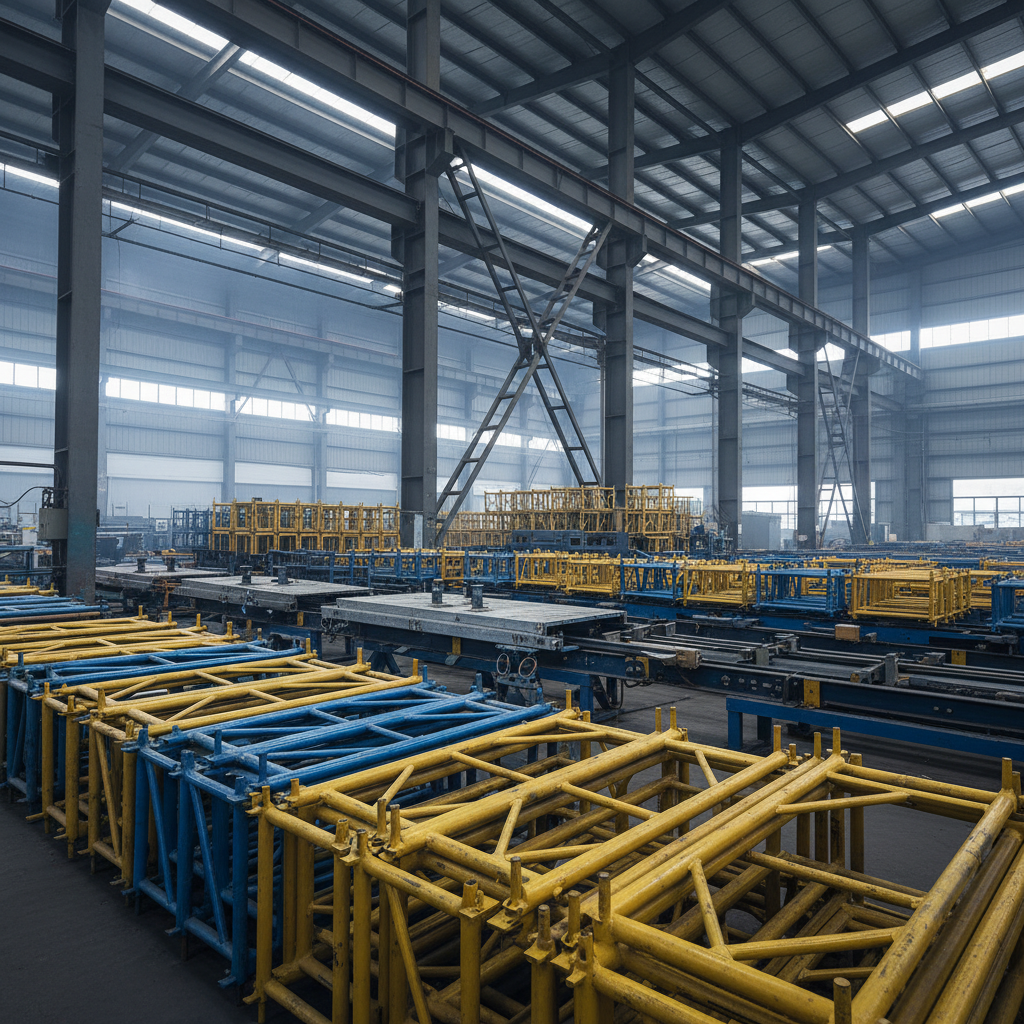
From an industrial perspective, this modularity represents the "industrialization of the construction site." By moving the precision work from the field to the factory, the components arrive onsite as a kit of parts. This connection to modern industry ensures that the load-bearing calculations are pre-verified, reducing the reliance on the anecdotal experience of the erector and replacing it with engineered certainty.
Beyond the hardware, the "modular" aspect refers to the ability to adapt the structure to any geometry. Whether it is a circular tank or a complex facade, these components allow for the creation of a rigid, stable grid that can be modified in increments, ensuring that the temporary structure perfectly mirrors the requirements of the permanent build.
Core Factors Driving Modular Scaffold Efficiency
Durability is the foremost factor when evaluating modular scaffold components. Most high-grade systems are manufactured from high-tensile steel and treated with hot-dip galvanization to prevent corrosion. This ensures that the components can withstand harsh environmental conditions, from saline coastal air to the acidic atmosphere of industrial refineries, maintaining their structural integrity over hundreds of reuse cycles.
Scalability and versatility allow these systems to transition seamlessly from low-rise residential support to massive industrial frameworks. The use of standardized increments means that adding height or expanding the footprint of the scaffold does not require a redesign of the base. This flexibility is critical for projects where the scope of work may evolve during the construction phase.
Cost efficiency in the context of modular scaffold components is measured by "Total Cost of Ownership" rather than the initial purchase price. The dramatic reduction in labor hours for assembly and disassembly, coupled with the minimal waste generated compared to timber or custom-cut pipes, results in a significantly lower per-project cost over the long term.
Global Applications and Real-World Use Cases
The application of modular scaffold components spans a diverse array of industries. In the oil and gas sector, specifically within remote industrial zones of the Gulf region, these systems are used to build complex maintenance platforms around refineries. Their ability to be transported in compact bundles and assembled rapidly without heavy machinery makes them ideal for confined, high-risk environments.
Similarly, in post-disaster relief operations in seismic zones, modular components are employed to create temporary access for the stabilization of damaged heritage buildings. Because the components are standardized, international aid organizations can ship prefabricated kits that local teams can assemble quickly, providing a safe working environment for engineers to prevent further collapses.
Efficiency Comparison of Modular Scaffold Components
Long-Term Value and Sustainable Advantages
The long-term value of investing in modular scaffold components extends far beyond immediate labor savings. From a sustainability perspective, these systems champion the "Circular Economy." Because they are made of high-grade recyclable steel and designed for endless reuse, they drastically reduce the amount of construction waste that ends up in landfills compared to traditional timber scaffolding.
Emotionally and logically, the adoption of modular systems builds a culture of trust and safety on the job site. When workers know that their platform is based on a rigorous, engineered system rather than the guesswork of a manual clamp, their confidence increases, leading to higher productivity and lower turnover. This psychological security, combined with the physical reliability of the steel, creates a professional environment focused on innovation and precision.
Future Trends in Scaffolding Innovation
The future of modular scaffold components is being shaped by the digital transformation of the construction industry. We are seeing the integration of BIM (Building Information Modeling) where scaffolding layouts are simulated in a 3D environment before a single component ever reaches the site. This allows for the exact calculation of required parts, eliminating over-ordering and optimizing the logistics chain.
Material science is also evolving, with the exploration of lightweight, high-strength alloys and composite coatings that offer even greater corrosion resistance than traditional galvanization. These innovations aim to reduce the physical strain on workers during assembly while increasing the load-bearing capacity of the individual components.
Furthermore, the industry is moving toward "Smart Scaffolding," where sensors are embedded into modular components to monitor structural stress and load levels in real-time. This IoT integration will provide early warning systems for potential instabilities, moving the industry from reactive safety checks to proactive, data-driven risk management.
Overcoming Challenges in Modular Implementation
Despite the advantages, the transition to modular scaffold components is not without hurdles. The most common challenge is the higher initial capital expenditure compared to basic tube-and-clamp kits. Many small-to-medium enterprises struggle with the upfront cost, failing to realize that the return on investment (ROI) is achieved rapidly through reduced labor costs and faster project turnaround.
Another limitation is the requirement for specialized training. While modular systems are "simpler" to assemble, they require a strict adherence to the manufacturer's guidelines to ensure the safety locks are fully engaged. Incomplete engagement of a modular wedge or pin can lead to structural failure, making comprehensive training programs an absolute necessity.
To overcome these challenges, industry leaders are adopting "leasing models" for modular components, allowing companies to access high-end equipment without the massive upfront investment. By combining this with certified training certifications, the industry is ensuring that the technical superiority of modular systems is matched by the skill of the workforce operating them.
Analysis of Modular Scaffold Component Specifications and Performance
| Component Type |
Material Grade |
Assembly Speed |
Durability Score (1-10) |
| Ringlock Standard |
Q345 Steel |
Very Fast |
9.5 |
| Cuplock Ledger |
Q235 Steel |
Fast |
8.8 |
| Adjustable Base Jack |
Forged Steel |
Moderate |
9.0 |
| Modular Transom |
Galvanized Steel |
Very Fast |
8.5 |
| Steel Walk-Plank |
Anti-slip Alloy |
Fast |
8.2 |
| Diagonal Brace |
Q345 Steel |
Fast |
9.2 |
FAQS
The primary safety advantage lies in the standardized connection points. Traditional systems rely on the torque applied to individual clamps, which is prone to human error. Modular components use a mechanical locking system (like a wedge or cup) that either clicks into place or it doesn't. This removes the ambiguity and ensures that every joint has a consistent, engineered load-bearing capacity, significantly reducing the risk of structural collapse.
Generally, no. While the "philosophy" is the same, different brands often have slight variations in the dimensions of their locking mechanisms or the diameter of the tubes. For example, a Ringlock component from one manufacturer may not fit perfectly with another's. It is highly recommended to source all modular components from a single reputable supplier to ensure absolute compatibility and maintain the structural warranty of the system.
When properly maintained and treated with hot-dip galvanization, modular scaffold components can last for decades. Their lifespan depends on the environment and the care taken during transport and assembly. Regular inspections for weld cracks and the replacement of worn-out locking pins ensure that the system remains safe for use across hundreds of different projects, making them a highly sustainable long-term investment.
Yes, absolutely. One of the greatest strengths of modular components is their versatility. By using specific accessories like adjustable brackets, corner pieces, and variable-length ledgers, contractors can create scaffolds that wrap around curved facades or fit into irregular industrial spaces. This flexibility allows for a tight fit against the structure, providing safer and more efficient access for workers.
While the upfront cost is higher than basic poles and clamps, the ROI is realized through labor savings. Modular systems can be erected up to 50% faster than traditional scaffolding. When you calculate the reduction in man-hours and the faster transition between project phases, the modular system usually pays for itself within a few large projects, while simultaneously lowering insurance premiums due to improved safety records.
You should look for compliance with international standards such as EN 12810 and EN 12811 for system scaffolds, or OSHA standards in the US. These certifications ensure that the steel grade, weld quality, and load-bearing capacities have been independently tested. Always request Mill Test Certificates (MTC) for the steel and galvanization reports to ensure the components meet the promised durability and safety specs.
Conclusion
In summary, modular scaffold components represent a critical evolution in construction engineering, bridging the gap between raw structural strength and operational agility. By standardizing the connection process, reducing onsite labor, and enhancing worker safety, these systems provide a comprehensive solution to the challenges of modern vertical building. From the durability of hot-dip galvanized steel to the precision of Ringlock mechanisms, every element is designed to maximize efficiency and minimize risk.
Looking forward, the integration of digital planning and smart sensing will further elevate the role of modular scaffolding from a passive support structure to an active, data-driven asset. For contractors and project managers, the shift toward modularity is no longer optional—it is the primary pathway to achieving sustainable, safe, and profitable growth in an increasingly competitive global market. To ensure your next project is built on a foundation of safety and speed, explore the professional range of solutions available today. Visit our website: www.wrkformwork.com