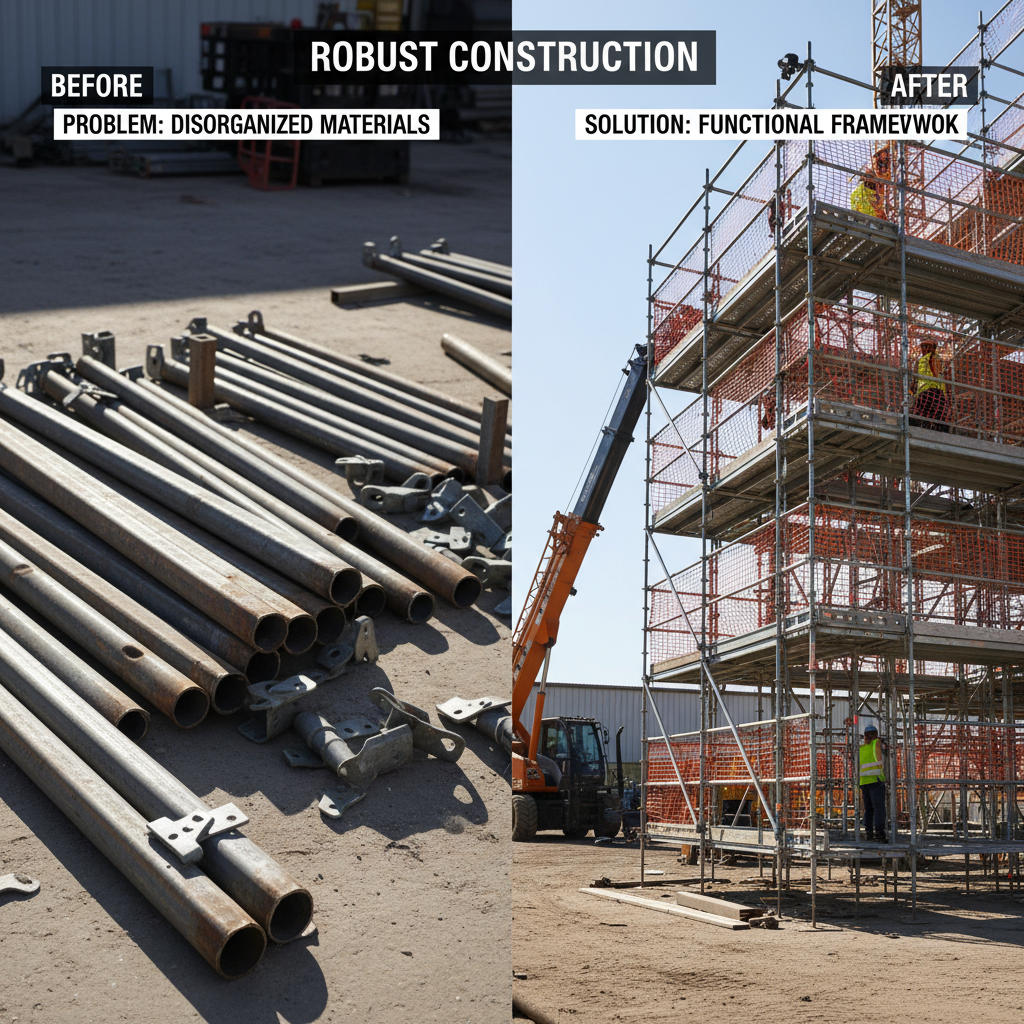
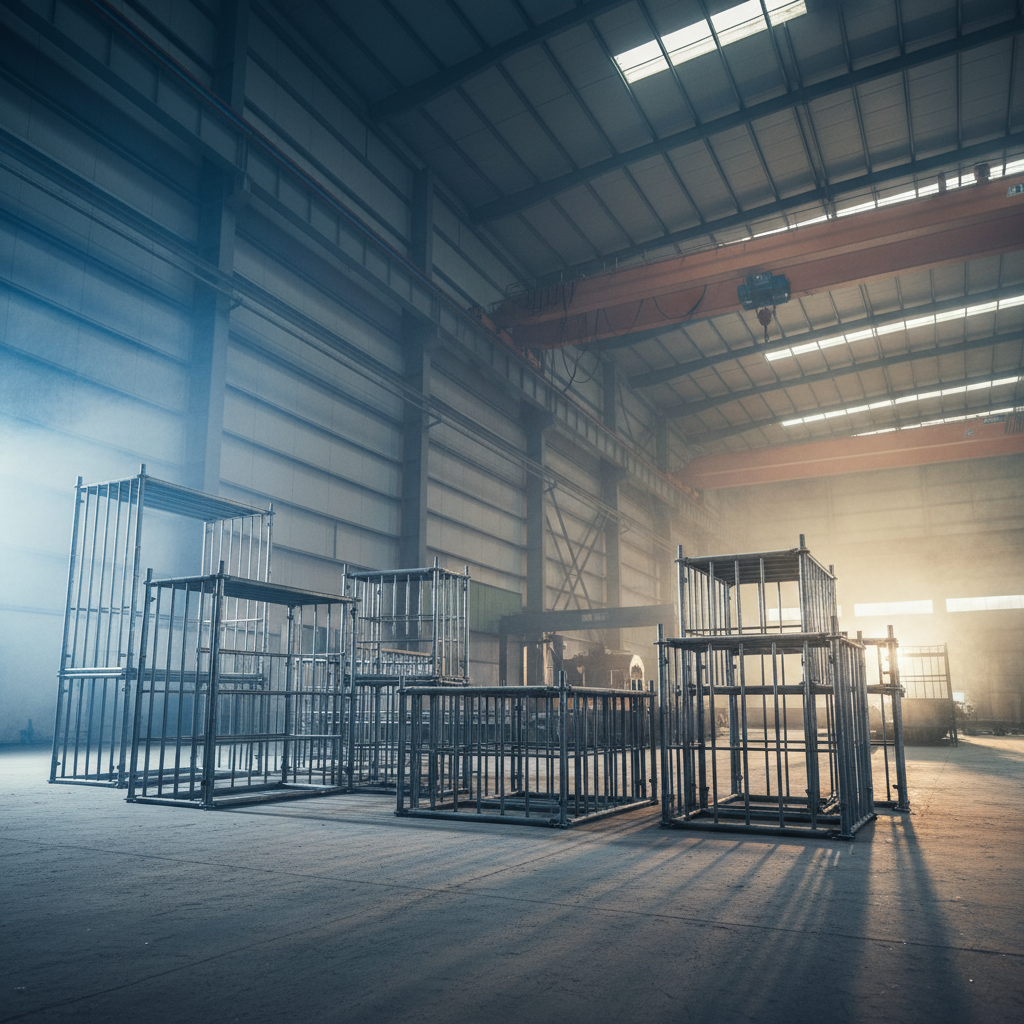
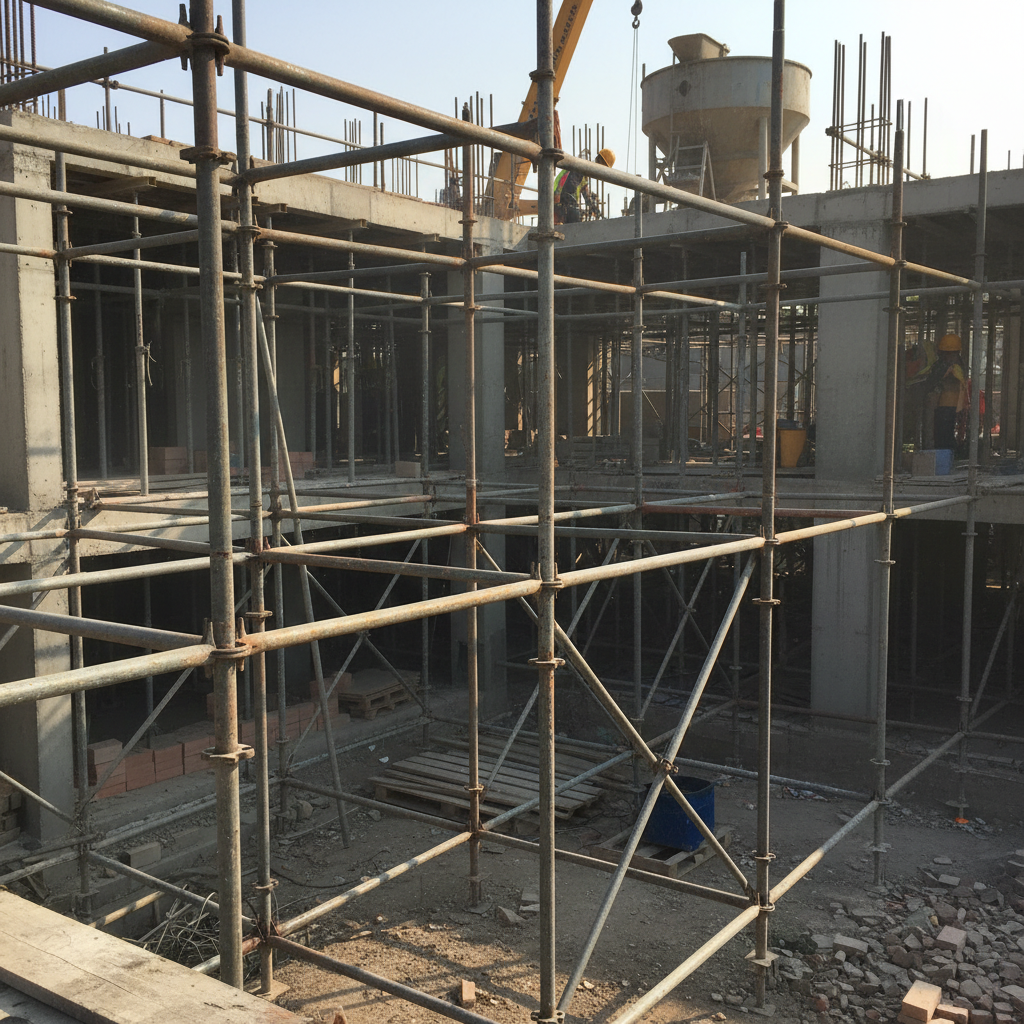
In the modern construction landscape, the integrity of a project often rests on the invisible strength of its support systems. High-quality metal scaffolding parts serve as the skeletal framework for some of the world's most ambitious architectural feats, ensuring that workers can operate safely at extreme heights while maintaining precise alignment of structural elements. From the smallest wedge and pin to heavy-duty adjustable jack bases, these components are engineered to withstand immense loads and harsh environmental conditions.
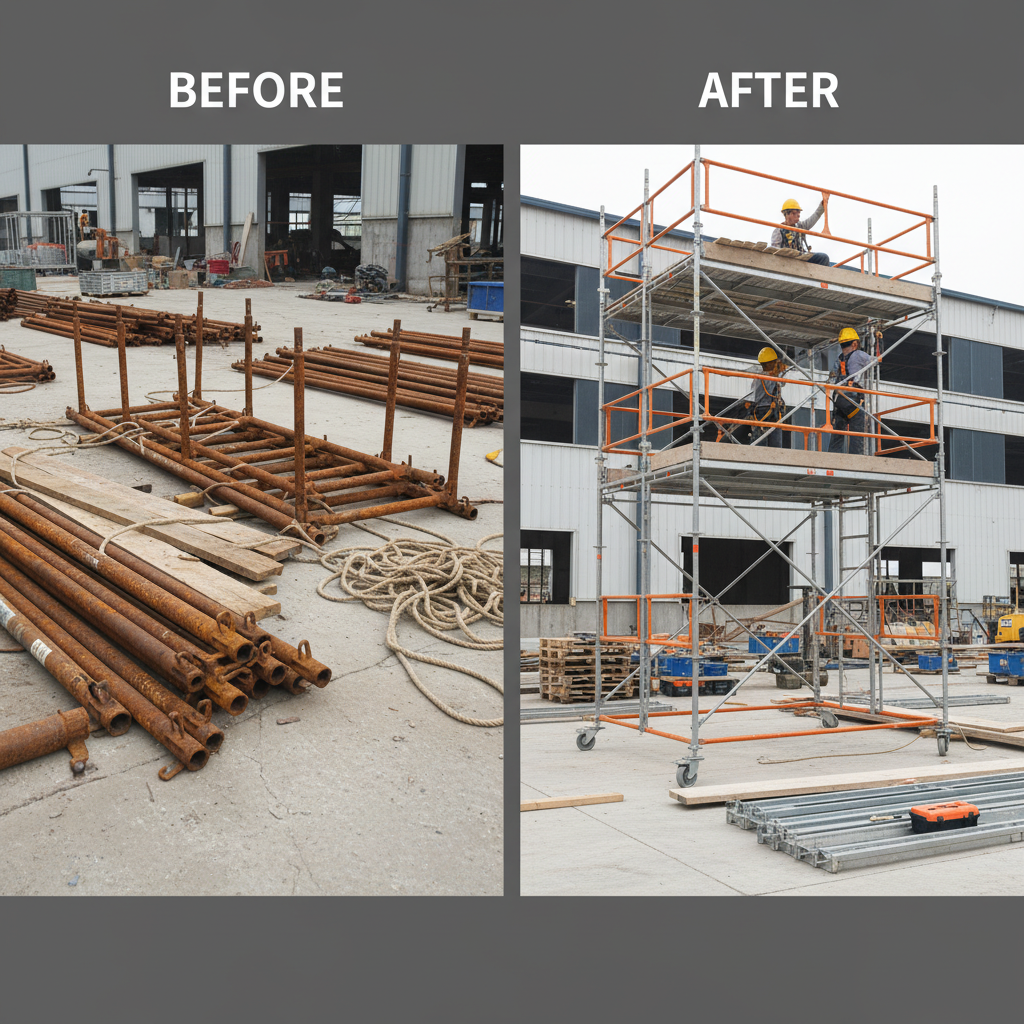
Globally, the demand for standardized, durable scaffolding components has surged as urbanization accelerates in developing economies. The transition from traditional timber supports to precision-engineered steel and aluminum parts has not only increased the speed of construction but has significantly reduced on-site accidents. By adhering to strict international standards, these parts provide a reliable modularity that allows for rapid assembly and disassembly across various terrains and building shapes.
Understanding the technical nuances of different metal scaffolding parts is essential for project managers and engineers who aim to balance cost-efficiency with uncompromising safety. Whether it is the corrosion resistance of galvanized steel or the lightweight agility of aluminum systems, the choice of components directly impacts the project's timeline and the long-term durability of the temporary structures. This guide explores the critical dimensions of these parts, their global applications, and the innovations driving the industry forward.
Global Industry Context of Metal Scaffolding Parts
The global construction market is currently witnessing a paradigm shift toward modularity and rapid deployment. According to data reflecting ISO safety standards, the implementation of certified metal scaffolding parts has reduced structural failure rates in temporary works by nearly 30% over the last decade. This shift is driven by the need for higher efficiency in mega-city developments and the stringent safety regulations imposed by occupational health organizations worldwide.
However, the industry faces a persistent challenge: the proliferation of sub-standard components in emerging markets. The use of non-certified steel or poorly welded joints often leads to catastrophic failures. This underscores the critical importance of sourcing high-grade metal scaffolding parts that meet rigorous stress-test criteria, ensuring that the temporary infrastructure can support both the weight of the materials and the dynamic loads of the workforce.
Definition and Industrial Significance
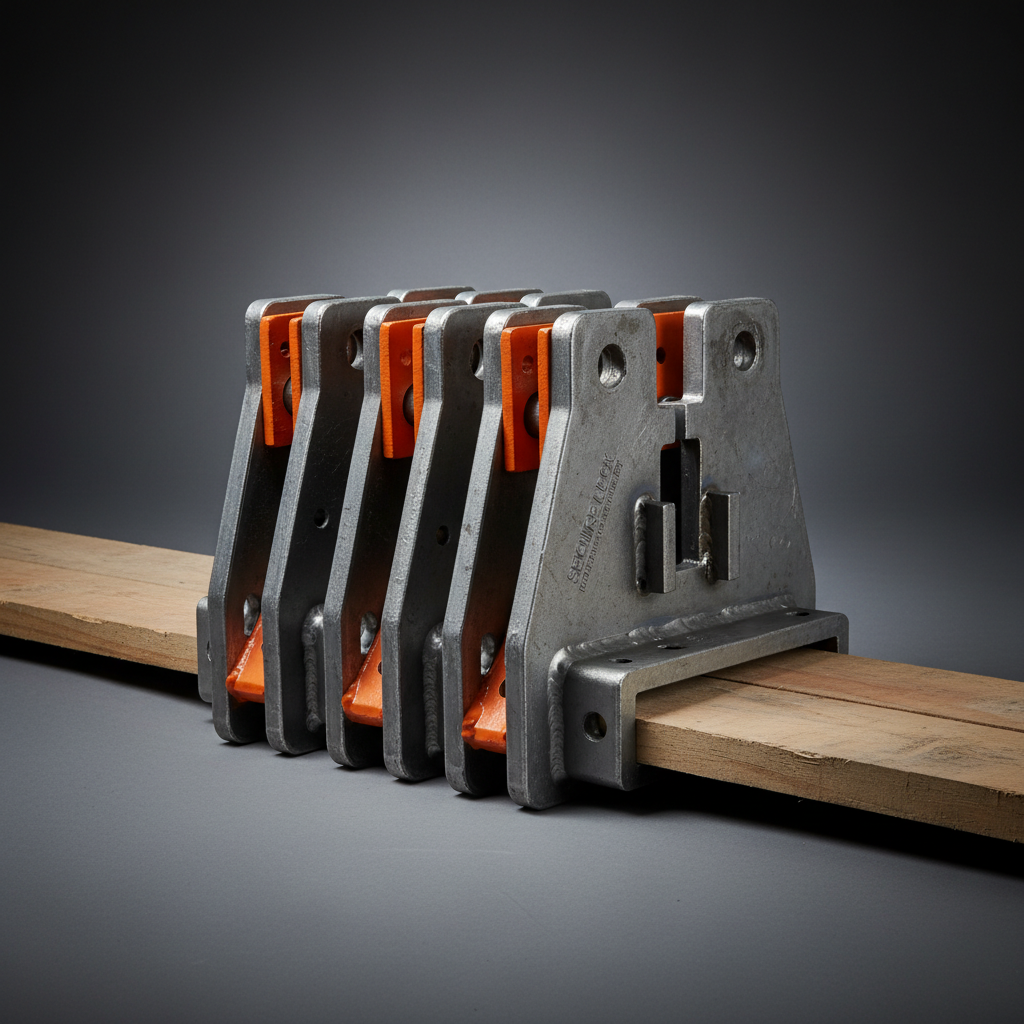
In technical terms, metal scaffolding parts refer to the collection of engineered steel or aluminum components—such as cuplocks, ringlocks, adjustable jack bases, and couplers—that are assembled to create a temporary elevated platform. Unlike permanent structures, these parts are designed for cyclic use, meaning they must possess high fatigue resistance and the ability to be assembled and disassembled thousands of times without losing structural integrity.
Beyond simple construction, these parts are vital to humanitarian efforts and critical infrastructure repair. In post-disaster recovery zones, the ability to quickly deploy modular scaffolding allows engineers to stabilize damaged buildings and provide safe access for rescue teams. The industrial significance lies in this versatility; the same system used to build a skyscraper in Dubai can be adapted to repair a bridge in a remote mountainous region.
Furthermore, the integration of these components into a holistic "formwork system" allows for a seamless transition between the supporting scaffold and the concrete mold. By utilizing complementary parts like AL-formwork tie systems and waler brackets, construction firms can synchronize their support and casting phases, dramatically reducing the total project lifecycle and labor costs.
Key Factors for Component Durability
The primary determinant of the lifespan of metal scaffolding parts is the material grade and the surface treatment. High-tensile steel is the gold standard for load-bearing components, but without proper galvanization, these parts are susceptible to oxidation, especially in coastal environments where salt spray accelerates corrosion.
Precision engineering in the manufacturing process, particularly in the welding of joints and the threading of adjustable jacks, ensures that the parts fit together snugly. Any gap or misalignment in the locking mechanism of a cuplock or ringlock system can lead to uneven load distribution, which significantly increases the risk of structural swaying or collapse under maximum capacity.
Scalability and compatibility are equally crucial. In a globalized market, the ability of metal scaffolding parts to integrate with various international standards allows companies to expand their inventory without needing to replace entire systems. This modularity not only optimizes cost but also ensures that safety checks can be standardized across different project sites.
Performance Metrics for Scaffolding Systems
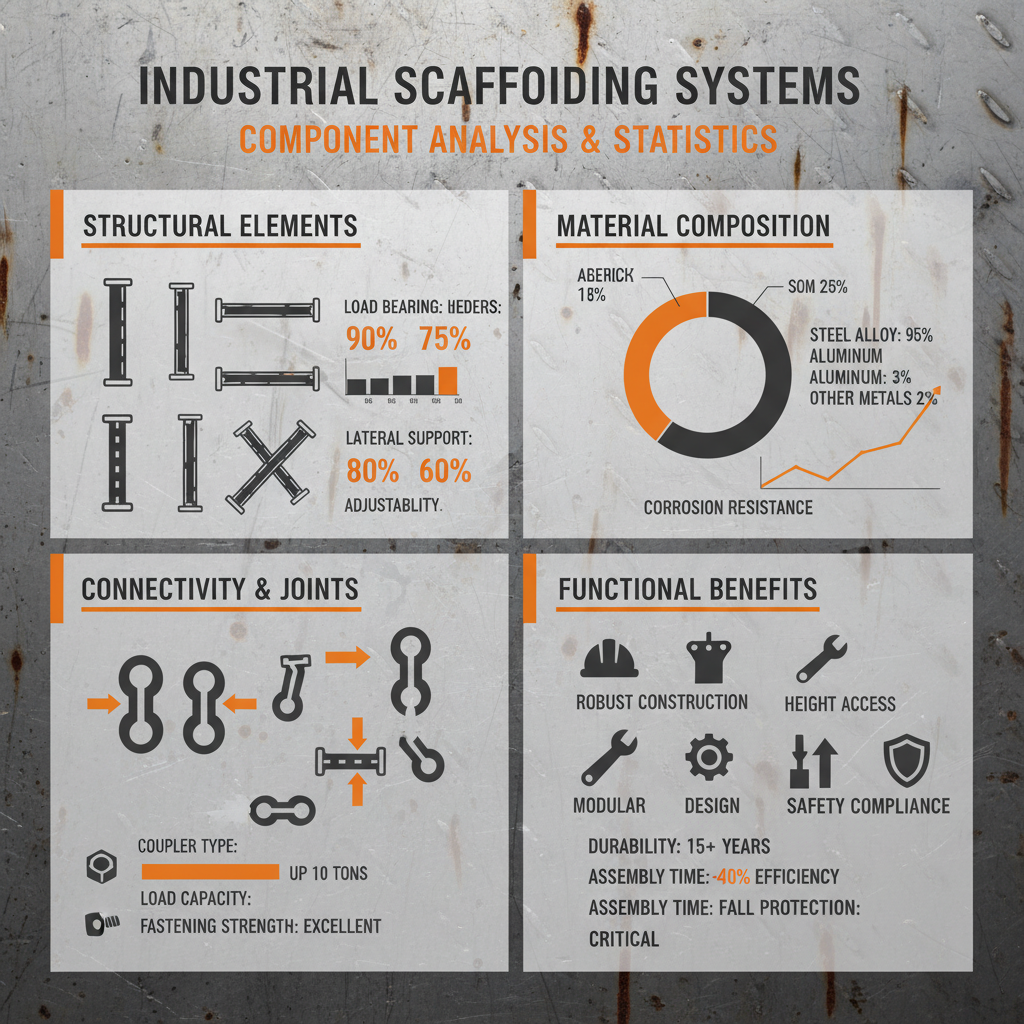
Evaluating the quality of metal scaffolding parts requires a data-driven approach. Key performance indicators (KPIs) typically include the yield strength of the steel, the thickness of the zinc coating for galvanization, and the load-bearing capacity per vertical standard. By benchmarking these metrics, procurement officers can ensure they are investing in components that offer the best balance of weight and strength.
The following analysis compares different types of scaffolding components based on their typical performance ratings in real-world industrial applications, focusing on durability, ease of assembly, and cost-effectiveness.
Comparison of Metal Scaffolding Parts Performance
Global Applications and Use Cases
The application of metal scaffolding parts extends far beyond simple residential builds. In heavy industrial zones, such as oil refineries and chemical plants, specialized corrosion-resistant parts are used to create complex access galleries that allow maintenance crews to reach critical valves and pipes without shutting down the entire facility. The use of high-pressure die casting parts in these environments ensures that components can withstand extreme temperature fluctuations.
In urban centers across Asia and Europe, the trend toward "Green Building" has led to the use of lightweight aluminum scaffolding parts. These systems reduce the carbon footprint associated with transportation and allow for faster assembly in congested city streets, minimizing disruption to local traffic. Whether it is the installation of a glass curtain wall on a skyscraper or the restoration of a historical cathedral, the versatility of these metal components makes them indispensable.
Long-Term Value and Safety Advantages
Investing in premium metal scaffolding parts provides a tangible return on investment through extended product lifecycles. While lower-cost alternatives may seem attractive initially, the cost of replacement and the risk of liability from structural failure far outweigh the initial savings. High-grade components maintain their tolerances over years of use, meaning they continue to lock securely and support designed loads without deformation.
From a psychological perspective, the use of certified parts fosters a culture of safety and trust on the construction site. When workers know that the platform beneath them is supported by industry-leading metal scaffolding parts, their confidence increases, leading to higher productivity and a reduction in stress-related errors. This "safety dignity" is a crucial aspect of modern labor management in the construction sector.
Additionally, the sustainability angle cannot be overlooked. Metal is infinitely recyclable. By utilizing durable steel and aluminum parts, the industry moves away from the "disposable" mentality of timber scaffolding, which often ends up in landfills. The long-term value is thus three-fold: economic stability, human safety, and environmental responsibility.
Future Trends and Technological Innovations
The future of metal scaffolding parts is being shaped by the digital transformation of the construction industry, often referred to as Construction 4.0. We are seeing the emergence of "Smart Scaffolding," where sensors are embedded into critical load-bearing parts to provide real-time data on stress levels and structural tilt. This allows site managers to detect potential failures before they happen, moving from reactive to predictive safety management.
Material science is also evolving, with the development of advanced alloys that offer the strength of steel with the weight of aluminum. These new materials are being paired with innovative coatings that provide "self-healing" properties against scratches and oxidation, further extending the operational life of the components. Furthermore, the integration of BIM (Building Information Modeling) allows for the precise calculation of exactly which parts are needed for a specific build, eliminating waste.
Automation is another key frontier. Robotic assembly systems are being developed to handle the repetitive task of connecting metal scaffolding parts, reducing the physical strain on workers and accelerating the setup process. As these technologies mature, the synergy between high-precision hardware and intelligent software will redefine the efficiency of temporary works.
Analysis of Modern Scaffolding Component Standards
| Component Type |
Material Grade |
Load Capacity |
Service Life (Yrs) |
| Cuplock Standard |
Q235 Steel |
High (up to 5T) |
10-15 |
| Ringlock Ledger |
Q345 Steel |
Very High |
12-20 |
| Adjustable Jack Base |
Cast Iron/Steel |
Moderate to High |
8-12 |
| Aluminum Beam |
6061-T6 Alloy |
Moderate |
15-25 |
| Steel Coupler |
Galvanized Steel |
High Clamp Force |
5-10 |
| Push-Pull Prop |
High Tensile Steel |
High Stability |
10-15 |
FAQS
The choice depends on your primary priority. Steel is superior for heavy-duty load bearing and is generally more cost-effective for massive projects. Aluminum is ideal for projects requiring rapid mobility, ease of transport, and high corrosion resistance in humid or salty environments. For high-rise structural supports, steel is the standard; for interior finishing or lightweight access, aluminum is preferred.
Cuplock systems use a unique sliding locking mechanism with a top cup, making them very fast to assemble for straightforward structures. Ringlock systems utilize a rosette (ring) that allows for multiple connections at a single point, offering much greater flexibility for complex geometries and irregular building shapes. Both are highly secure but serve different architectural needs.
Safety inspections should occur at three critical stages: before the initial assembly, every seven days during the project duration, and immediately after any significant weather event (such as a storm or earthquake). Inspectors look for signs of metal fatigue, rust, bent tubes, or worn-out threads on adjustable jacks to ensure the system remains compliant with safety codes.
It is strongly discouraged to mix components from different manufacturers unless they are explicitly certified to the same international standard (e.g., EN 12810). Even minor variations in tube diameter or locking tolerances can create "play" in the system, which compromises structural stability and can lead to failure under load. Always stick to a single, certified ecosystem.
Hot-dip galvanization is the gold standard for coastal environments. Unlike simple electro-galvanizing or painting, hot-dip galvanization creates a thick, metallurgical bond of zinc that protects the steel from salt-induced oxidation. For extreme conditions, some specialized epoxy coatings are used over the galvanization for additional protection.
Adjustable jack bases allow the scaffolding to be perfectly leveled on uneven terrain. By precisely adjusting the height of each vertical standard, they ensure that the load is distributed evenly across the entire foundation. This prevents the system from leaning or twisting, which is critical for maintaining the verticality of the entire structure.
Conclusion
In summary, metal scaffolding parts are more than just hardware; they are the critical safety infrastructure that enables modern construction. From the precision of Ringlock rosettes to the strength of galvanized steel props, these components ensure that productivity never comes at the cost of human life. By focusing on material quality, adhering to international standards, and embracing technological innovations like smart sensors, the industry can continue to build higher and faster while maintaining a zero-accident goal.
As we move toward a future defined by sustainable urban growth and complex architecture, the reliance on high-performance, modular scaffolding will only increase. We recommend that project managers prioritize certified, high-tensile components over short-term cost savings to ensure long-term operational efficiency and safety. For those seeking industry-leading solutions in formwork and scaffolding accessories, we invite you to explore our full range of engineered components. Visit our website: www.wrkformwork.com