Understanding the various parts of metal scaffolding is fundamental for ensuring structural integrity and worker safety on any construction site. From the primary load-bearing standards to the smallest locking pins, each component plays a critical role in creating a stable platform that allows professionals to reach heights with confidence. In an industry where a single loose fitting can lead to catastrophic failure, the precision engineering of these metal components is non-negotiable.
Globally, the demand for high-quality metal scaffolding systems has surged alongside the rise of urban skyscrapers and complex industrial plants. The transition from traditional timber scaffolding to standardized metal systems—utilizing galvanized steel and high-grade aluminum—has drastically reduced assembly time and increased the lifespan of the equipment. By mastering the specifications of different scaffolding parts, project managers can optimize their resource allocation and ensure compliance with international safety standards like ISO and OSHA.
Beyond simple support, the modern ecosystem of parts of metal scaffolding integrates advanced metallurgy and modular design. This evolution allows for extreme versatility, enabling scaffolding to be adapted for everything from delicate facade restoration to heavy-duty bridge construction. Understanding these components not only mitigates risk but also enhances overall operational efficiency, driving the global construction industry toward a safer and more productive future.
Global Industry Context of Metal Scaffolding Parts
The global construction landscape has seen an unprecedented shift toward rapid urbanization, particularly in Asia and Africa. According to data aligned with World Bank infrastructure trends, the reliance on modular parts of metal scaffolding has become the backbone of this growth. The ability to deploy standardized, interlocking components allows for the swift erection of support structures in diverse environments, from dense city centers to remote industrial zones.
However, this rapid expansion brings a critical challenge: the proliferation of sub-standard components. When "budget" parts are used instead of certified metal scaffolding elements, the risk of structural collapse increases exponentially. This has led to a global push for stricter certification and the adoption of ISO standards to ensure that every coupler, ledger, and standard meets the rigorous stress-test requirements necessary for high-altitude work.
Defining the Core Components of Metal Scaffolding
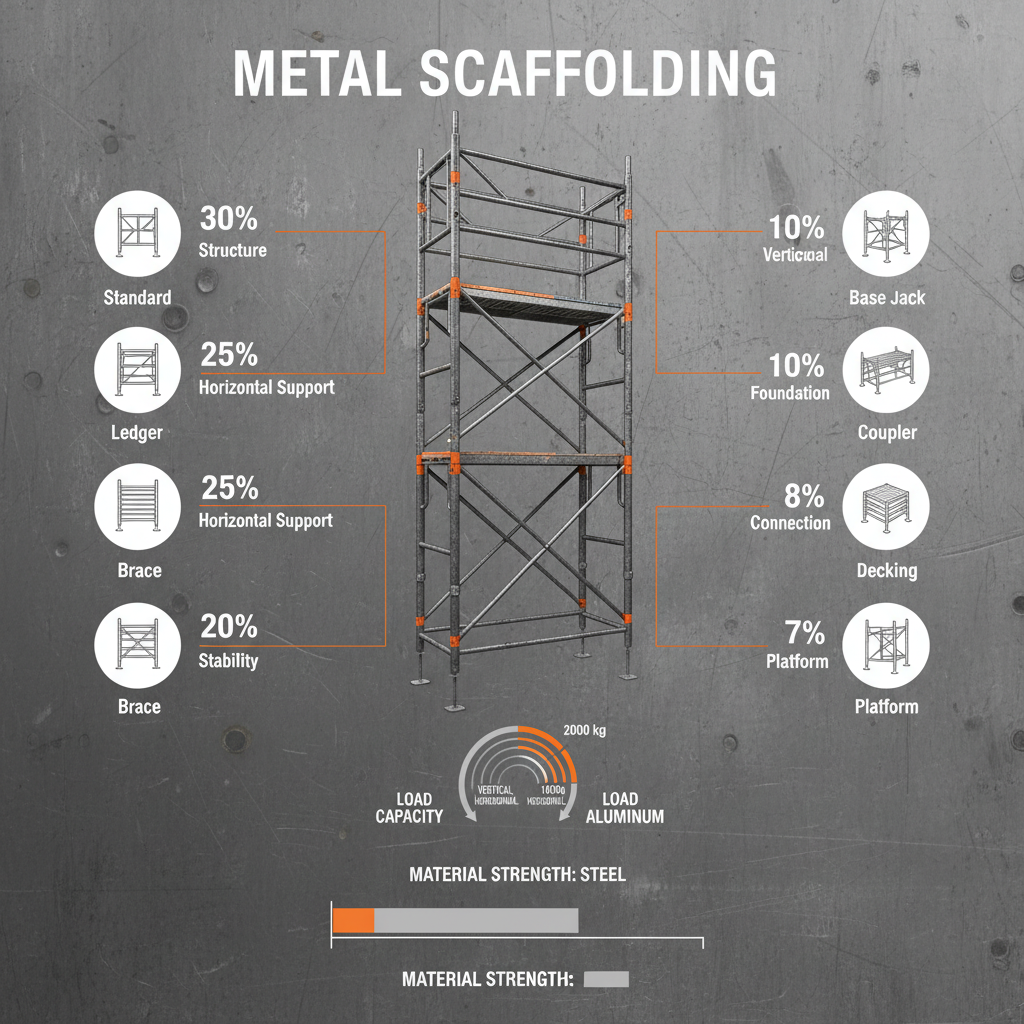
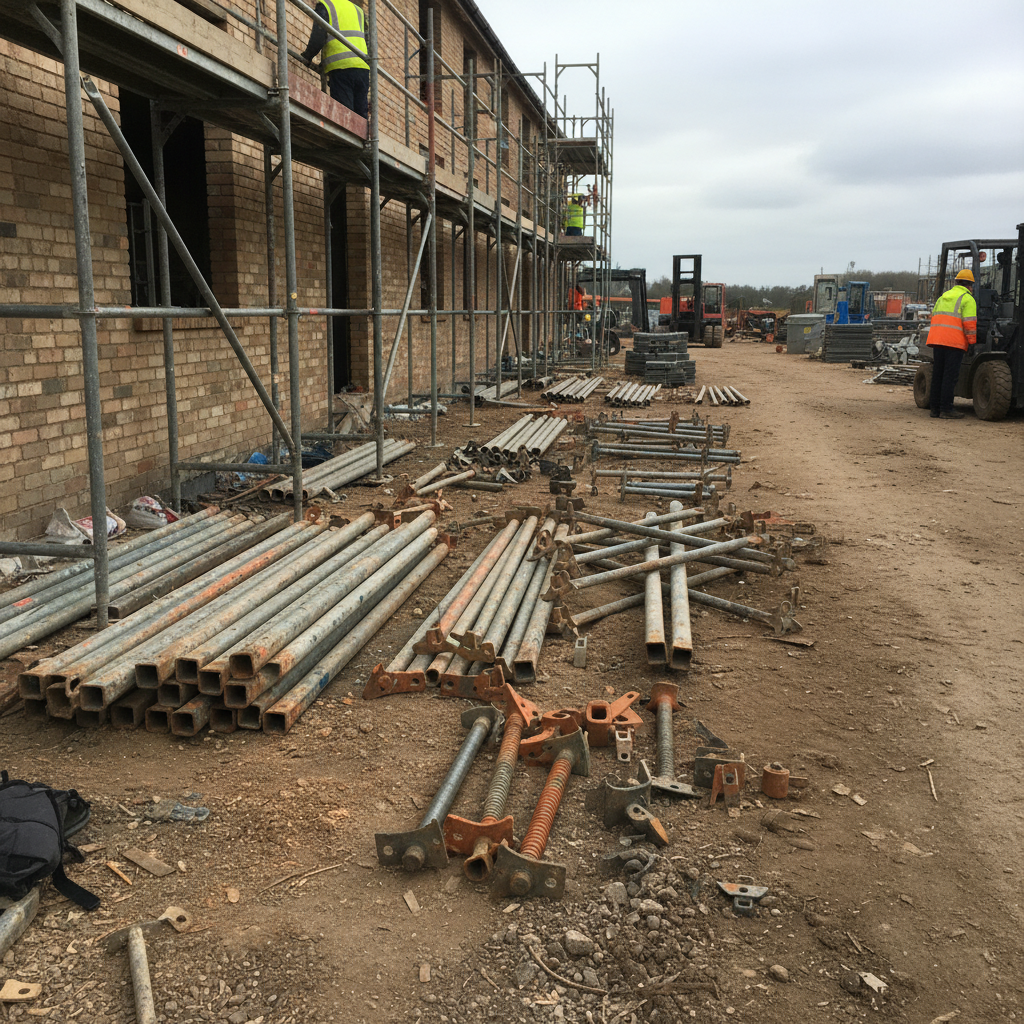
At its simplest level, parts of metal scaffolding refer to the individual engineered elements that, when assembled, form a temporary structure used to support a work crew and materials. These components are generally categorized into vertical members (standards), horizontal members (ledgers and transoms), and bracing elements. Each part is designed to distribute weight efficiently, transferring the vertical load from the platform down to the base plates and eventually to the ground.
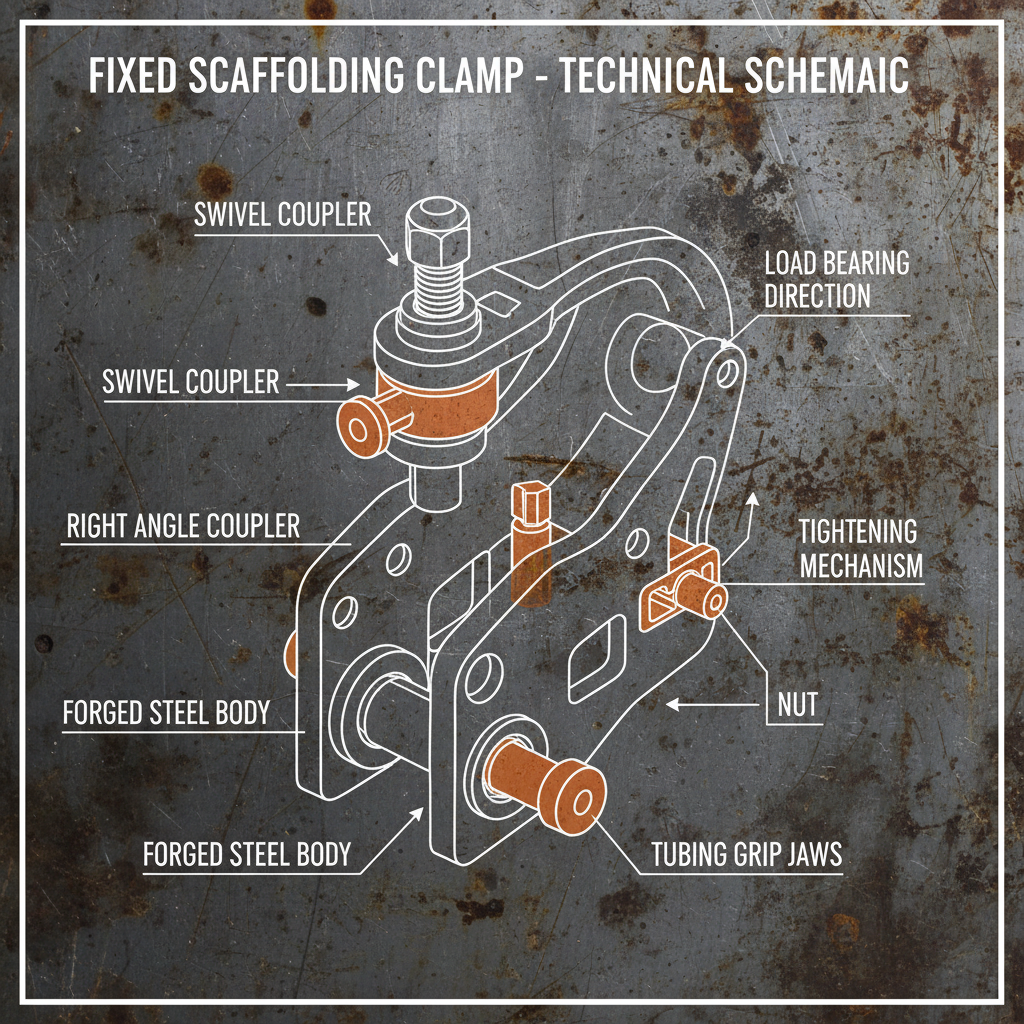
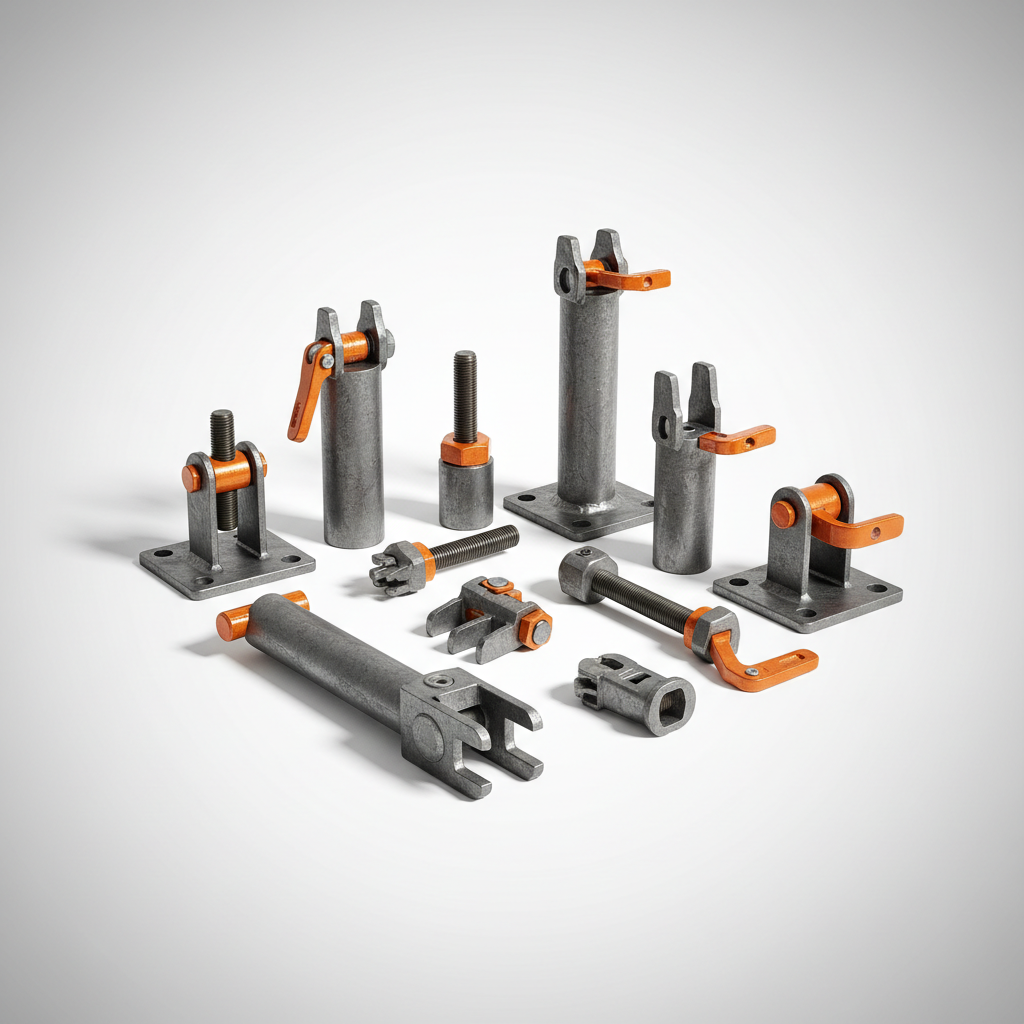
Modern systems often feature specialized accessories that enhance functionality. For instance, Adjustable Jack Bases and U-Heads allow for precise leveling on uneven terrain, while Ringlock or Cuplock systems utilize integrated locking mechanisms to eliminate the need for separate clamps. These innovations have transformed scaffolding from a tedious assembly of pipes into a streamlined, "plug-and-play" system that significantly reduces human error during setup.
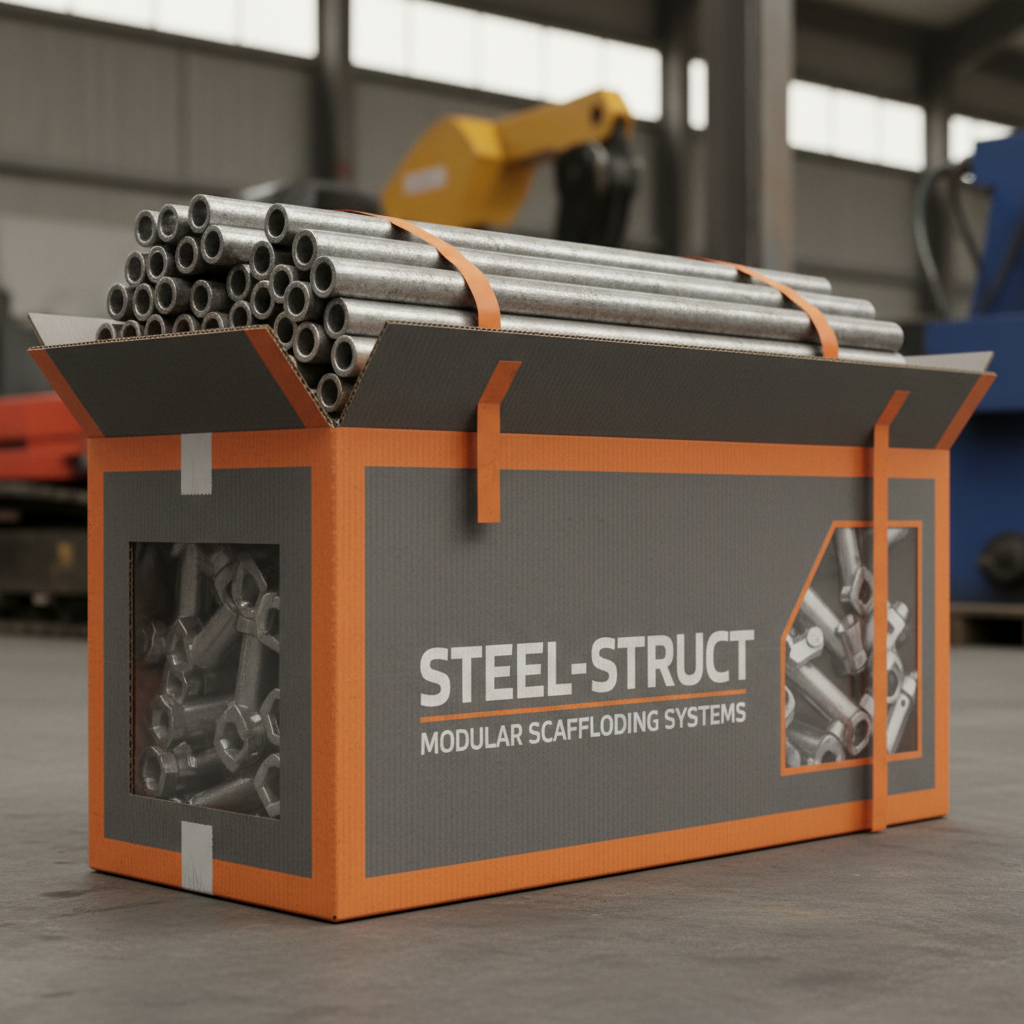
The connection between these parts and modern industry needs is profound. In the realm of humanitarian aid and post-disaster recovery, the ability to quickly ship and assemble lightweight, high-strength metal scaffolding components is vital for repairing critical infrastructure. The modularity of these parts ensures that they can be transported in compact containers and scaled up according to the specific needs of the relief operation.
Key Factors Influencing Component Durability
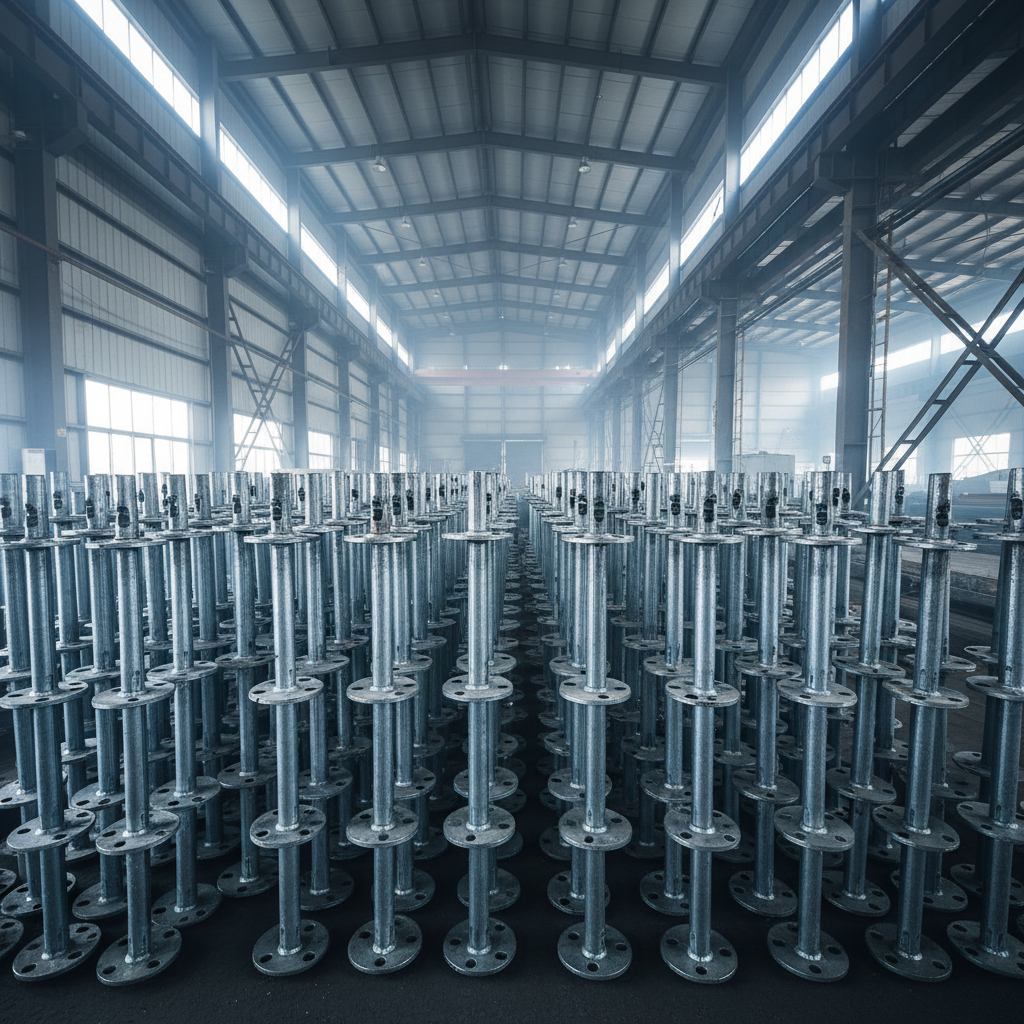
Material selection is the primary determinant of the lifespan of parts of metal scaffolding. Galvanized steel remains the industry gold standard due to its superior strength-to-weight ratio and its resistance to atmospheric corrosion. The zinc coating prevents oxidation, which is crucial for components exposed to rain, humidity, and coastal salt air, ensuring that the structural integrity is not compromised over years of repeated use.
Precision engineering and tolerance levels are equally vital. If the parts of metal scaffolding are not manufactured to exact specifications, the "fit" between components becomes loose. This creates "play" in the structure, which can lead to swaying or instability under heavy loads. High-precision molding and casting ensure that every joint locks securely, providing a rigid framework that resists lateral forces.
Load-bearing capacity and scalability also define the quality of the system. High-performance components are tested for maximum yield strength, ensuring they can support not only the static weight of the structure but also the dynamic loads of moving workers and machinery. Scalability allows these parts to be integrated into larger, more complex configurations without requiring a complete redesign of the base support system.
Global Applications and Practical Use Cases
The application of parts of metal scaffolding spans across diverse sectors. In the oil and gas industry, specialized scaffolding components are used to build complex access platforms around refineries and offshore rigs. These environments require non-corrosive materials and extremely high safety factors, as workers are often operating in hazardous conditions where a structural failure could lead to an environmental disaster.
In urban residential development, modular metal scaffolding is the preferred choice for high-rise facades. The use of system scaffolding—where parts are pre-engineered to fit together—allows for faster installation and dismantling, reducing the time that sidewalks are blocked and minimizing disruption to city traffic. This efficiency is a key driver for developers looking to accelerate project timelines without sacrificing worker safety.
Performance Comparison of Various Metal Scaffolding System Types
Long-term Value and Safety Advantages
Investing in premium parts of metal scaffolding provides a tangible return on investment through longevity and reduced replacement costs. High-grade galvanized steel components can last for decades if maintained correctly, whereas cheaper alternatives succumb to rust and structural fatigue within a few years. This durability not only lowers the total cost of ownership but also promotes environmental sustainability by reducing the amount of metal waste sent to landfills.
Beyond the financial aspect, the emotional and logical value of safety cannot be overstated. A secure scaffolding system provides workers with the dignity of a safe environment and the peace of mind that their equipment will not fail. This trust translates into higher productivity, as laborers can focus on their craft rather than worrying about the stability of the platform. In the long run, the reliability of these components fosters a culture of safety and innovation within the construction firm.
Future Trends in Scaffolding Innovation
The industry is currently witnessing a shift toward "smart" parts of metal scaffolding. Integration of IoT sensors into load-bearing components allows project managers to monitor structural stress in real-time. These sensors can alert safety officers via a mobile app if a specific section of the scaffolding is being overloaded or if a component has shifted, enabling proactive intervention before an accident occurs.
Material science is also evolving, with the introduction of high-strength aluminum alloys and composite-reinforced metals. These new materials aim to reduce the overall weight of the system without sacrificing load capacity. Lighter components mean faster assembly, lower transportation costs, and reduced physical strain on the workers installing the system, effectively blending efficiency with ergonomics.
Digital transformation is further impacting the field through the use of BIM (Building Information Modeling). Designers can now create a 3D digital twin of the scaffolding layout, specifying every single part required before a single piece of metal arrives on site. This precision eliminates waste and ensures that the parts of metal scaffolding are optimized for the specific geometry of the building, maximizing both safety and speed.
Overcoming Common Implementation Challenges
One of the most common challenges in the use of parts of metal scaffolding is the improper mixing of components from different manufacturers. While many parts look similar, slight variations in diameter or locking mechanisms can lead to insecure connections. The expert solution is to stick to a single-source supplier or ensure that all components are certified to the same international compatibility standard to maintain structural homogeneity.
Another hurdle is the lack of proper maintenance and inspection protocols. Over time, metal parts can suffer from dents or warping due to rough handling during transport. Implementing a rigorous "color-coding" inspection system—where components are tagged by a certified inspector every six months—ensures that damaged parts are identified and removed from circulation immediately.
Finally, the skill gap in the workforce can lead to assembly errors. To overcome this, many firms are adopting augmented reality (AR) training modules. By using AR glasses, new workers can see a digital overlay of how the parts of metal scaffolding should be connected, reducing the learning curve and ensuring that every bolt and pin is correctly placed.
Comparative Analysis of Metal Scaffolding Component Specifications
| Component Type |
Material Grade |
Avg. Lifespan (Years) |
Safety Rating (1-10) |
| Galvanized Standards |
Q235 / Q345 Steel |
15 - 20 |
9.5 |
| Aluminum Ledgers |
6061-T6 Alloy |
10 - 15 |
8.0 |
| Ringlock Couplers |
Drop-Forged Steel |
12 - 18 |
9.8 |
| Adjustable Base Jacks |
Pressed Steel |
8 - 12 |
8.5 |
| Steel Walk-Planks |
Anti-slip Steel |
15 - 25 |
9.0 |
| Locking Pins/Clips |
Hardened Steel |
5 - 8 |
7.5 |
FAQS
For those new to the industry, the most essential parts include the standards (vertical tubes), ledgers (horizontal tubes), transoms (cross-beams), and base plates. These form the core skeleton. Additionally, you must have secure couplers or locking rings and sturdy walk-planks. Ensuring you have adjustable jack bases is also critical for maintaining a level structure on uneven ground, which is the foundation of all scaffolding safety.
Inspect your components for three main red flags: severe corrosion (rust that flakes off), structural deformation (bends or dents in the tubes), and weld cracks. If a locking mechanism no longer "clicks" or fits snugly, it should be decommissioned. We recommend a professional certification check every 6 months and a visual inspection before every single assembly to ensure maximum safety.
It depends on the application. Aluminum parts are significantly lighter, making them ideal for indoor work, low-rise maintenance, or projects requiring frequent relocation. However, steel parts offer superior load-bearing capacity and are generally more durable for heavy-duty industrial construction and high-rise buildings. For maximum stability and weight support, galvanized steel is the preferred choice.
Mixing brands is generally discouraged and can be dangerous. Even if the parts look identical, minute differences in tube wall thickness or locking tolerances can create "weak points" in the structure. If you must mix components, ensure both brands adhere to the same international standard (such as EN 12810 or ANSI) and perform a rigorous load test before allowing workers on the platform.
The best prevention is starting with hot-dip galvanized steel. To extend the life of your parts, store them in a dry, ventilated area when not in use. Avoid dragging components across abrasive concrete surfaces, as this can scratch the zinc coating. For any deep scratches or weld repairs, apply a cold-galvanizing spray (zinc-rich primer) to seal the metal from oxygen and moisture.
Ringlock uses a rosette (a ring with multiple holes) that allows for more flexible connection points, making it better for complex geometries. Cuplock uses a sliding cup-and-drop mechanism that is exceptionally fast to lock. Both are superior to traditional tube-and-clamp systems, but Ringlock is often seen as more versatile for specialized industrial architectural needs.
Conclusion
In summary, the strategic selection and maintenance of parts of metal scaffolding are the primary safeguards against workplace accidents in the construction industry. By prioritizing high-grade materials like galvanized steel, adhering to international precision standards, and embracing modular innovations such as Ringlock and Cuplock systems, firms can achieve a perfect balance of speed, cost-efficiency, and safety. From the foundation jack base to the top guardrail, every single component is a link in a chain of safety that protects lives and ensures project success.
Looking forward, the integration of IoT and BIM technology will further refine how we deploy scaffolding, turning static metal structures into intelligent, data-driven systems. We encourage project managers and contractors to move away from "commodity" sourcing and instead invest in certified, high-performance components that offer long-term value. For those seeking the highest standard in scaffolding accessories and structural components, we invite you to explore our professional range. Visit our website: www.wrkformwork.com