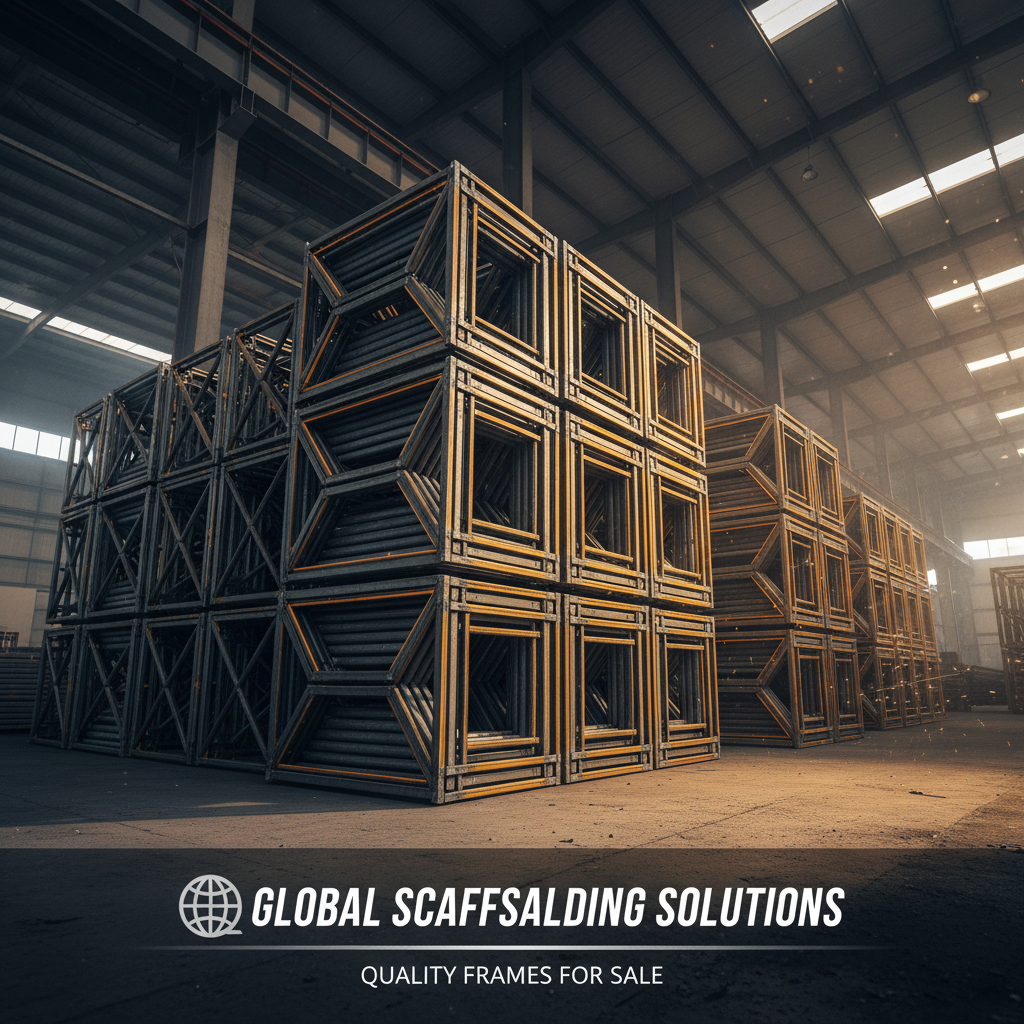
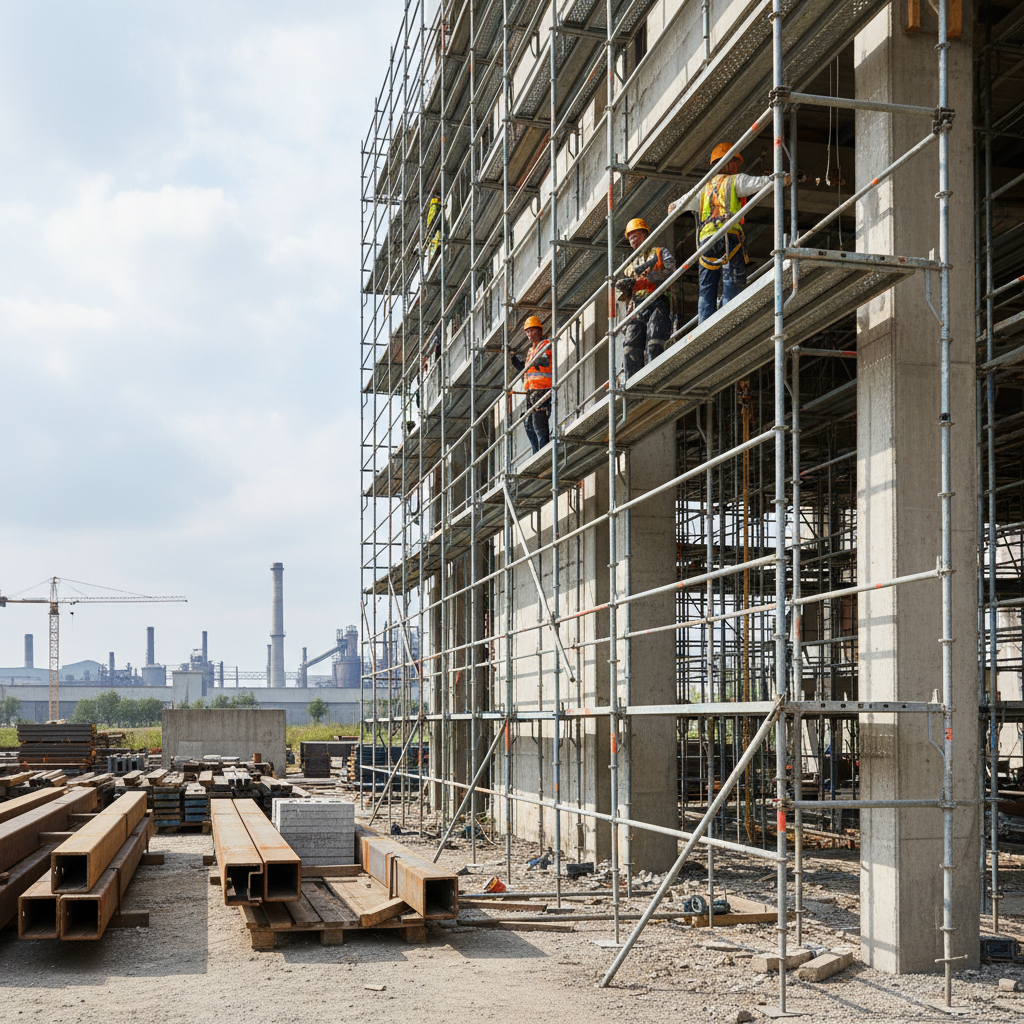
Understanding the various parts of h frame scaffolding is fundamental for any construction project that demands stability, speed, and safety. H-frame scaffolding, characterized by its distinct H-shaped vertical supports, provides a modular solution that simplifies the process of creating elevated work platforms, making it a global standard in residential and commercial building.
The efficiency of a construction site often hinges on the quality and compatibility of its scaffolding components. When the right parts of h frame scaffolding are utilized, contractors can significantly reduce assembly time while ensuring that the structure can withstand the necessary load-bearing stresses required by modern engineering standards.
From the primary frames to the essential locking pins and adjustable base jacks, each element plays a critical role in the overall structural integrity. This comprehensive guide explores the technical specifications, application scenarios, and maintenance of these components to help project managers maximize both worker safety and operational productivity.
Global Relevance of H-Frame Scaffolding Components
In the global construction landscape, the standardization of parts of h frame scaffolding has revolutionized how urban infrastructure is developed. According to industry trends aligned with ISO safety standards, modular scaffolding systems have reduced onsite assembly accidents by providing predictable, interlocking mechanisms that eliminate the guesswork associated with traditional timber scaffolding.
The global demand for rapid urbanization in Asia and Africa has accelerated the adoption of these systems. The ability to source universal components—such as cross braces and adjustable jacks—allows international firms to maintain consistent safety protocols across different geographic regions, ensuring that labor productivity remains high regardless of local resource variations.
Defining the Core Parts of H Frame Scaffolding
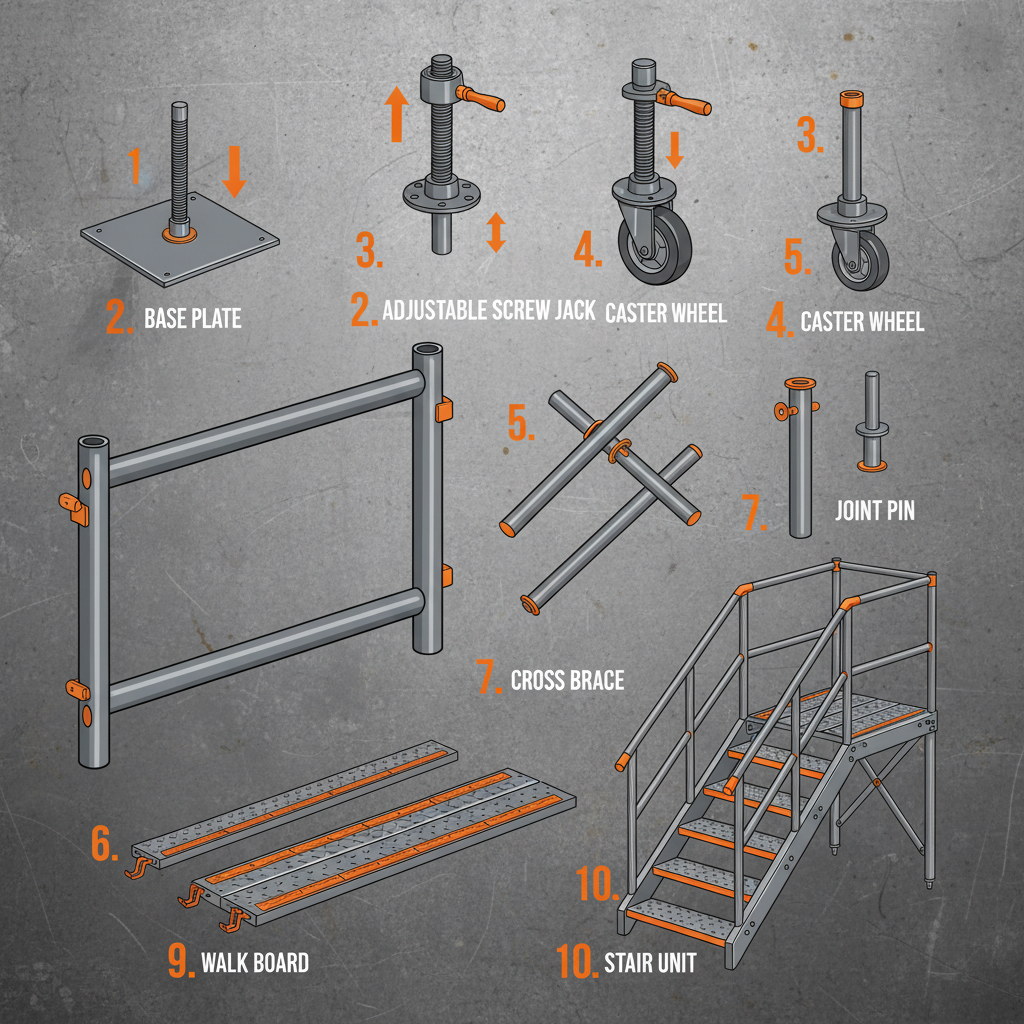
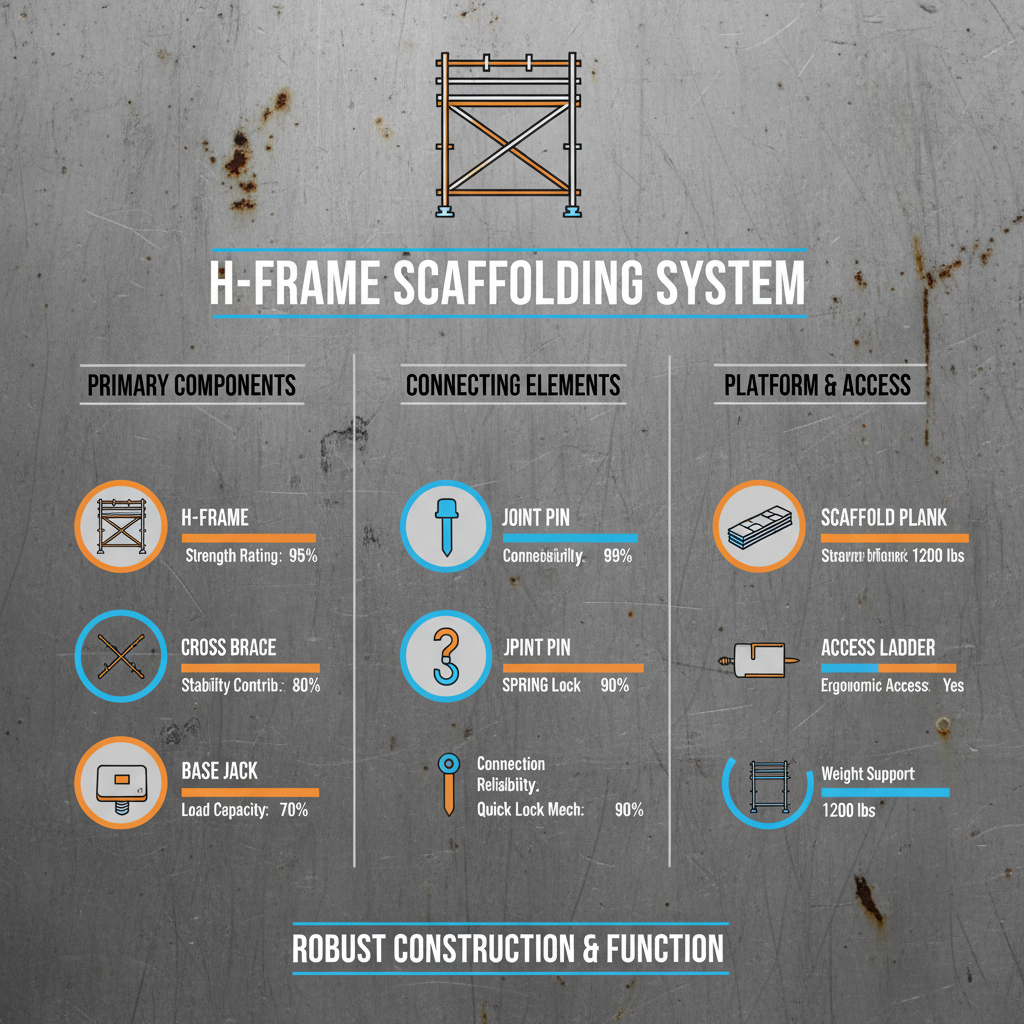
At its simplest level, the parts of h frame scaffolding comprise a modular kit designed for vertical and horizontal stability. The "H-Frame" refers to the main vertical support unit, which consists of two uprights connected by horizontal rungs. These frames act as the primary load-bearing members, transferring the weight of workers and materials directly to the ground.
Supporting these frames are the cross braces, which provide lateral stability and prevent the structure from swaying or collapsing sideways. Additionally, the system relies on accessories like the Adjustable Jack Base U Head for leveling on uneven terrain and scaffolding pins to secure the frames together. This interlocking ecosystem ensures that each component reinforces the others.
Beyond the primary steel, modern systems integrate specialized hardware such as couplers and clamps to adapt the structure to complex building geometries. By treating these parts not as individual items but as a synchronized system, construction teams can create safe, multi-tier working environments that meet rigorous occupational health and safety requirements.
Key Technical Factors for Structural Stability
The durability of the parts of h frame scaffolding is largely determined by the grade of steel used and the quality of the protective coating. Galvanized steel is the industry gold standard, providing a barrier against oxidation and corrosion, which is critical for projects in humid or coastal environments where salt air can rapidly degrade untreated metal.
Scalability is another core factor; the modular nature of these parts allows for rapid vertical expansion. By utilizing high-precision locking pins and reinforced joints, the scaffolding can be extended to several stories high without compromising the center of gravity, provided that the base is properly anchored using adjustable jack bases and outriggers.
Finally, cost-efficiency is achieved through the reusability of the components. Unlike formwork that may be sacrificial, high-quality parts of h frame scaffolding are designed for hundreds of assembly cycles. This long-term ROI makes them a preferred choice for rental companies and large-scale developers who prioritize sustainable asset management.
Global Applications and Use Case Scenarios
The versatility of the parts of h frame scaffolding makes them indispensable across various sectors. In high-density urban areas, they are used for façade restoration and painting, where the compact footprint of the H-frame allows workers to operate in narrow alleys without completely blocking pedestrian traffic.
In more extreme contexts, such as post-disaster relief operations in remote industrial zones, the rapid deployment capability of these parts is a lifesaver. Because they require no welding and only basic tools for assembly, emergency crews can quickly erect platforms to repair damaged power grids or stabilize crumbling structures in regions with limited infrastructure.
Performance Comparison of Scaffolding Component Materials
Long-Term Value and Safety Advantages
Investing in premium parts of h frame scaffolding provides a logical advantage in risk mitigation. The psychological impact on workers cannot be overstated; when a crew trusts the stability of their platform, their focus shifts from fear of falling to the quality of the craftsmanship, leading to fewer errors and higher safety compliance.
From a financial perspective, the sustainability of these steel components reduces the waste associated with disposable construction materials. By implementing a strict maintenance and inspection cycle for each part, companies can extend the lifespan of their inventory by decades, significantly lowering the carbon footprint of the construction project.
Future Trends in Scaffolding Materials
The industry is currently seeing a shift toward "smart" parts of h frame scaffolding. Integration of IoT sensors into the main frames can now provide real-time data on load stress and tilt, alerting site managers via mobile apps if a structure begins to lean or exceeds its safe weight limit.
Furthermore, the exploration of high-strength, lightweight alloys is reducing the physical strain on workers during the erection process. While steel remains the backbone of the industry, hybrid systems that combine steel load-bearing frames with aluminum walkways are becoming more common to balance strength with ease of transport.
Digital transformation is also impacting the procurement of these parts. BIM (Building Information Modeling) allows engineers to simulate the exact number of cross braces and jack bases needed for a specific geometry before a single piece of equipment ever leaves the warehouse, eliminating waste and optimizing logistics.
Common Challenges and Engineering Solutions
One of the primary challenges with parts of h frame scaffolding is the issue of "component mixing," where parts from different manufacturers are used together. This often leads to slight dimensional variances that can compromise the locking mechanism of the pins, creating a significant safety hazard.
To solve this, industry experts recommend strict brand standardization and the use of precision-engineered tolerances. Implementing a color-coding system for different load-bearing capacities also helps site supervisors quickly identify if the wrong part has been installed in a high-stress zone.
Another common limitation is ground subsidence, where the weight of the scaffolding causes the base jacks to sink. The engineering solution involves the use of heavy-duty base plates and timber sole boards to distribute the load over a wider surface area, ensuring the verticality of the H-frames remains intact.
Technical Analysis of Scaffolding Component Specifications
| Component Name |
Primary Material |
Critical Function |
Safety Rating (1-10) |
| Main H-Frame |
Q235 Steel |
Vertical Load Bearing |
10 |
| Cross Brace |
Galvanized Pipe |
Lateral Stability |
9 |
| Adjustable Jack Base |
Forged Steel |
Leveling & Height Adj. |
8 |
| Locking Pin |
High Carbon Steel |
Secure Connection |
10 |
| Walk-Plank |
Steel/Aluminum |
Worker Access |
9 |
| U-Head Jack |
Galvanized Steel |
Slab Support |
8 |
FAQS
A basic setup requires the vertical H-frames, cross braces for stability, adjustable jack bases for leveling, and locking pins to secure the joints. Depending on the height, you will also need walk-planks (catwalks) for the working surface and guardrails for safety.
It is strongly discouraged. Even minor differences in tube diameter or pin placement between manufacturers can lead to loose connections, which significantly increases the risk of structural failure. Always use a synchronized set from a single trusted supplier.
The best prevention is choosing hot-dip galvanized parts. For maintenance, regularly inspect joints for debris, wipe down surfaces after exposure to salt or chemicals, and touch up any scratched galvanized coatings with a zinc-rich cold galvanizing spray.
While H-frames are highly scalable, the limit depends on the load rating of the base parts and the presence of wall ties. Generally, once the height exceeds a 3:1 ratio relative to the base width, you must use wall anchors to prevent tipping.
A base jack is used at the bottom to support the frame and level it on the ground. A U-head jack is used at the top of the vertical post to support beams or formwork, providing a "cradle" for the horizontal support members.
Aluminum is lighter and more corrosion-resistant, making it ideal for light-duty tasks and fast movement. However, steel provides superior load-bearing capacity and rigidity, making it the only choice for heavy industrial construction.
Conclusion
In summary, the structural integrity of any elevated workspace depends entirely on the quality and correct installation of the parts of h frame scaffolding. By understanding the interplay between the main frames, cross braces, and adjustable jacks, construction professionals can ensure a safe environment that optimizes both speed and stability. The shift toward galvanized materials and BIM integration continues to drive the industry toward a safer, more sustainable future.
As the global construction industry evolves, prioritizing high-precision, standardized components is no longer optional—it is a necessity for operational excellence. We recommend that project managers conduct regular audits of their scaffolding inventory to replace worn parts and ensure full compliance with international safety standards. For high-quality, durable scaffolding solutions, visit our website: www.wrkformwork.com.