Oct . 22, 2026 19:16 Back To List
Choosing Formwork Tie Rod: Application Fit and Specification Checks
THE BUYER'S GUIDE / SELECTION
Choosing Formwork Tie Rod: Application Fit and Specification Checks
A buyer-focused guide to selecting a formwork tie rod from CANGZHOU WORLD CUP TRADING CO.,LTD. It compares the three published material grades (Q235, 45#, PSB830) by stated break loading capacity, covers diameter, thread step, length, weight, surface finish, packaging, MOQ and trade terms, and explains how to match a compatible OD17*10mm formwork tie nut. It also notes what the published materials do not cover, such as prices, lead times and project-specific working loads.

Material grade and published approximate break loading capacity: Q235 about 90 kN, 45# about 140 kN, PSB830 about 180 kN. These are break values, not working loads, and need engineering verification for each project.
Diameter and thread step: OD15/17mm (ID 15mm, OD 17mm) with a 10mm step. Must match the existing nuts and accessories.
Length options: 1, 2, 3, 4, 5 or 6 meters, chosen to suit wall thickness and form layout.
Weight per meter: 1.5 kg/m (Q235, 45#) and 1.4 kg/m (PSB830).
Surface finish: natural, yellow galvanized or silver galvanized (electro-galvanizing for corrosion resistance).
Accessory compatibility: an OD17*10mm ductile cast iron (JIS FCD450) tie nut, listed at more than 180 kN loading capacity.
Quality documents: batch raw material testing, tensile tests on sample rods and production records. Request these for your batch.
Commercial terms: 1000-meter MOQ, bundles or pallets, EXW/FOB/CNF/CIF. Price and lead time must be confirmed by quotation.
Choosing Formwork Tie Rod: Application Fit and Specification Checks
A formwork tie rod holds wall forms in place against the sideways pressure of freshly poured concrete. That helps the wall keep its shape and dimensions while the concrete cures. According to the published product description from CANGZHOU WORLD CUP TRADING CO.,LTD., tie rods are used in residential buildings, commercial structures, bridges and other civil works where concrete is poured into forms.
This guide covers the points a procurement team should check before ordering a formwork tie rod. It uses only the specifications the company has published. Where a detail is not in those materials, the guide tells you what to confirm with the supplier.
1. Start with your project requirements
Get these answers from your formwork designer or site engineer before comparing products:
- Required load per tie. The company publishes an approximate break loading capacity for each grade. That figure is not a working load. Your project engineer has to set the working load and safety margin based on pour height, concrete pressure and the local standards that apply.
- Thread system and diameter. The rod has to match the nuts, waller plates and other accessories you already use or plan to buy.
- Wall thickness and form layout. These decide the rod length you need and how many rods to order.
- Exposure and reuse. These affect whether you choose a natural or galvanized surface.
2. Compare material grades by published break loading capacity
The published materials list three grades of steel formwork tie rod:
| Material grade | Approx. break loading capacity | Published weight |
|---|---|---|
| Low carbon steel Q235 | about 90 kN | 1.5 kg/meter |
| High strength Grade 45 steel (45#) | about 140 kN | 1.5 kg/meter |
| Grade 830 (PSB830) | about 180 kN | 1.4 kg/meter |
The company describes PSB830 as the grade for the highest loading capacity. Choose the grade from the load your engineer has calculated, not just from the highest number. These are approximate break values from the product description. Ask for batch test results if your project needs documented proof of performance.
3. Check the dimensional specification
The published specification for the formwork tie rod is:
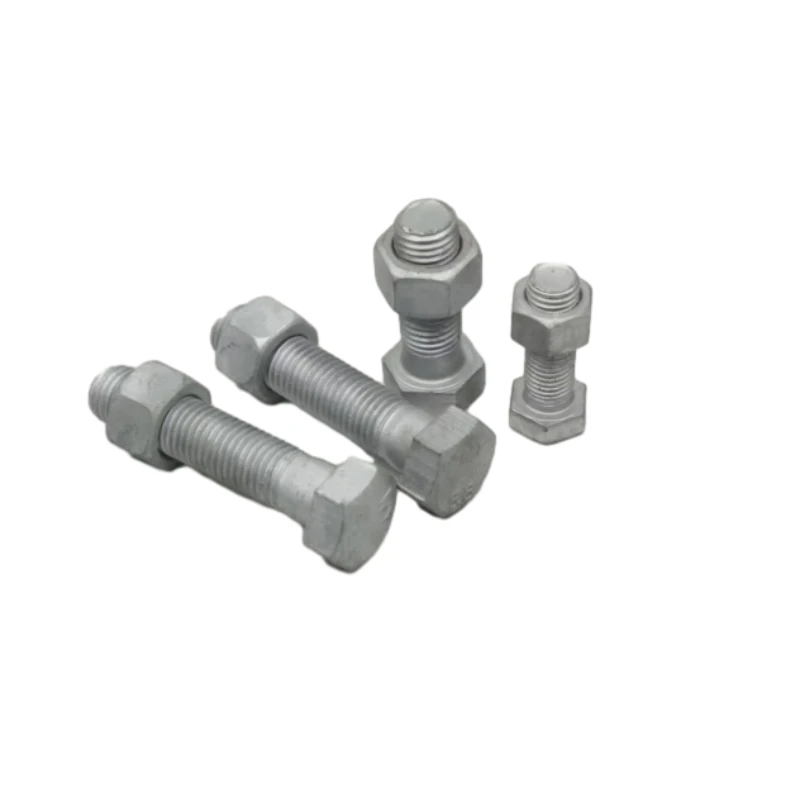
- Diameter: OD15/17mm (inner diameter 15mm, outer diameter 17mm)
- Step: 10mm
- Length: 1, 2, 3, 4, 5 or 6 meters
If your formwork tie rod system uses a different diameter or thread step, this specification may not fit. Confirm compatibility with your accessories before ordering.
4. Match the tie rod with a compatible tie nut
A tie rod is only one part of the system. The company's formwork tie nut materials list wing nuts made from ductile cast iron (JIS FCD450) in several sizes, including OD17*10mm. That size matches the published OD15/17mm diameter and 10mm step of the tie rod. The tie nuts are listed with a loading capacity of more than 180 kN and are described as reusable after unfastening. Base diameters range from 80mm to 130mm, depending on the model.
The tie nut materials also name related system parts, such as waller plates, steel cones, hex nuts and rapid clamps. When you plan a complete tie rod concrete formwork order, list every component and confirm the thread match for each one.
5. Choose a surface finish
All three rod grades are offered with natural, yellow galvanized or silver galvanized surfaces. The company describes the coating as electro-galvanizing applied to improve corrosion resistance. Natural finish may suit short-term use. For repeated use or storage in damp conditions, ask the supplier about the galvanized options.
6. Review production and quality documentation
The company's published process description includes:
- Testing the chemical composition and mechanical properties of each batch of raw material
- Cutting threads so the rods are compatible with tie rod nuts and washers
- Inspecting the finish for uniformity
- Running tensile strength tests on sample tie rods
- Keeping records of the production process, quality checks and test results
If your project or local regulations require compliance records, ask for the relevant test results and documents for your batch before shipment.
7. Confirm commercial terms
The published commercial details are:
- MOQ: 1000 meters
- Packaging: in bundles or on pallets
- Trade terms: EXW / FOB / CNF / CIF
When this formwork tie rod may not fit
- Your formwork system needs a diameter or thread step other than OD15/17mm with a 10mm step.
- Your project needs less than the 1000-meter MOQ.
- Your engineer's required load is higher than the published break loading capacity of the grade you are considering. The published figures stop at about 180 kN for PSB830.
- You need a specific certification or a stated working load rating.
Summary checklist
- Engineer-calculated load per tie, which decides the grade (Q235, 45# or PSB830)
- Diameter and step (OD15/17mm, 10mm step)
- Length (1 to 6 meters)
- Matching nuts and accessories (for example, an OD17*10mm tie nut)
- Surface finish (natural, yellow galvanized or silver galvanized)
- Batch test records and documents
- MOQ, packaging, trade terms, plus a written quotation covering price and lead time
THE PEOPLE

About the author
THE COMPANY
CANGZHOU WORLD CUP TRADING CO.,LTD.
Professional Team!What you worry when you come to China buy scaffolding products, it is quality and after-sales service, I can give you long warranty for quality, and we have professional team to solve problems. Deliver innovative products in the market at a faster pace;Enhance the reliability of product’s quality; Decrease the total cost of the product effectively; Improve research personnel’s ability of creative design; Our customer segmentation is mainly focused on the ALL OVER THE WORD, we have products more…
About Us ↗Visit company website ↗YOUR NEXT STEP
Bring your brief. Start a useful conversation.
Use case, specification, quantity and delivery window: make the next conversation specific.
Latest News
-
Top plate scaffold brackets: questions about four-way headsNewsNov.02,2026
-
Formwork Waller Plate FAQ: Specifications, Ordering and Support QuestionsNewsOct.28,2026
-
High Performance Scaffold Tube Couplers for Metal Structure SafetyNewsJul.01,2026
-
High Quality Scaffold Tube Clamps for Construction SafetyNewsJun.29,2026
-
Improving Construction Site Safety Using Premium Scaffold TiesNewsJun.27,2026