Mar . 06, 2026 03:55 Back To List
Comprehensive Guide to Understanding Window Profiles for Enhanced Building Performance
Understanding Window Profiles: A Comprehensive Guide
Window profiles are a critical component of any window system, providing structural support, insulation, and aesthetic appeal. Choosing the right window profiles is essential for ensuring energy efficiency, durability, and long-term performance. This article will delve into the various types of window profiles available, their materials, benefits, and applications. We’ll explore how the right profile can impact your building’s comfort and value, and why WRK Formwork offers a diverse range of high-quality solutions. Understanding these intricacies allows informed decision-making for builders, architects, and homeowners alike.
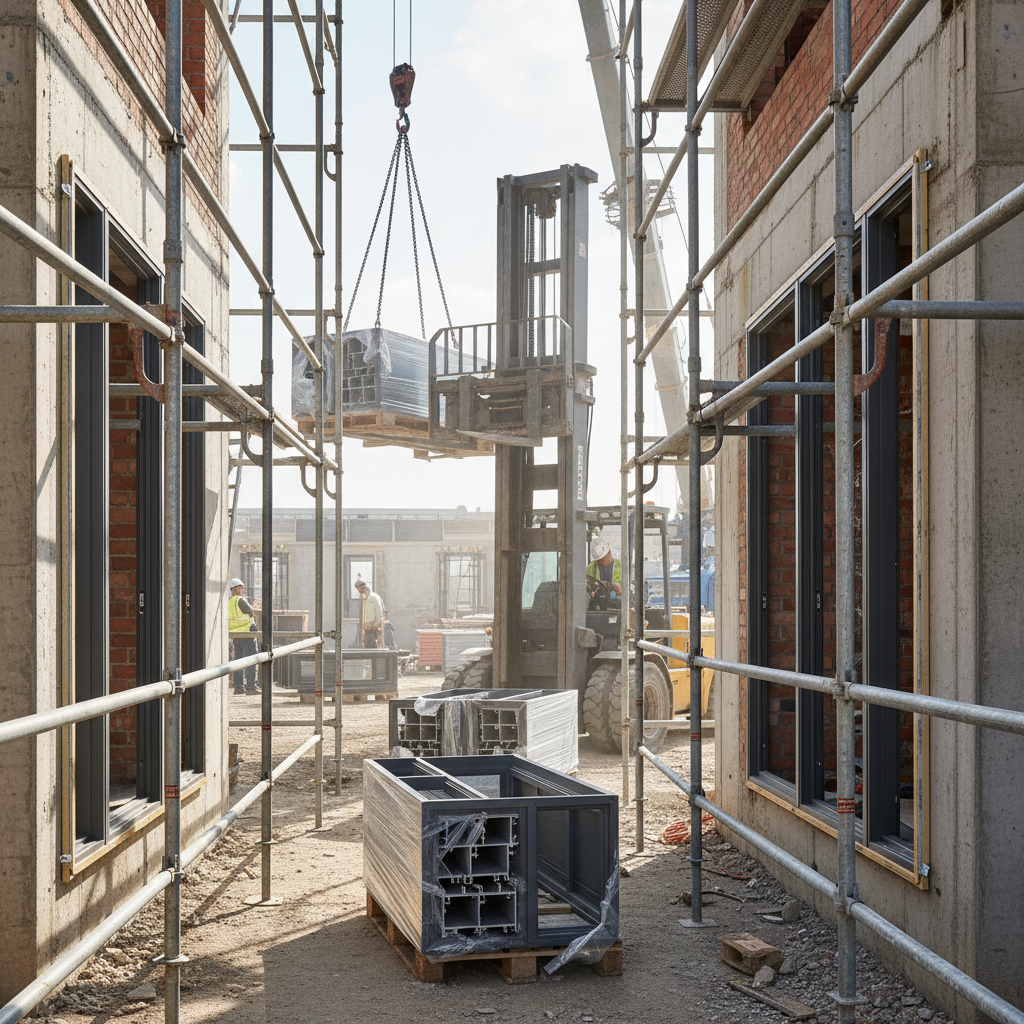
Types of Window Profiles
Window profiles come in a variety of designs, each suited for specific applications and aesthetic preferences. Common types include:
- Casement Profiles: Designed for windows that swing outward, offering excellent ventilation.
- Sliding Profiles: Used in sliding windows, providing a smooth and easy operation.
- Tilt-and-Turn Profiles: Combine the functionality of both casement and hopper windows, offering ventilation and secure cleaning options.
- Fixed Profiles: Used for non-opening windows, primarily for providing light and views.
The selection of the profile type depends on factors like the desired functionality, architectural style, and energy efficiency requirements. WRK Formwork offers profiles for all these applications, tailored to meet diverse project needs.
Key Takeaway: Choosing the right window profile type is the first step toward achieving optimal window performance and functionality.
Window Profile Materials: A Comparative Overview
The material of a window profile significantly impacts its performance, durability, and cost. The most common materials include:
- PVC (Polyvinyl Chloride): Known for its affordability, excellent insulation properties, and low maintenance.
- Aluminum: Strong, lightweight, and corrosion-resistant, making it ideal for large windows and commercial applications.
- Wood: Offers a classic aesthetic, good insulation, but requires regular maintenance.
- Composite: Combines the benefits of wood and PVC, offering durability and aesthetic appeal with reduced maintenance.
The choice of material depends on the specific project requirements, budget, and aesthetic preferences. WRK Formwork provides window profiles in all these materials, allowing you to select the optimal solution for your project.
Material Comparison:
• PVC: Affordable, low maintenance, good insulation.
• Aluminum: Strong, durable, corrosion-resistant.
• Wood: Aesthetic appeal, good insulation, high maintenance.
• Composite: Durable, aesthetic appeal, reduced maintenance.
PVC Window Profiles: Benefits and Applications
PVC window profiles are a popular choice for residential and commercial buildings due to their numerous advantages. They offer excellent thermal insulation, reducing energy costs and improving comfort. PVC is also highly resistant to weathering, corrosion, and UV radiation, ensuring long-term durability. Furthermore, PVC profiles require minimal maintenance, saving time and money. WRK Formwork offers a wide range of PVC window profiles in various colors and finishes, allowing for customization to match any architectural style.
Selecting the Right Window Profiles for Your Project
Choosing the right window profiles requires careful consideration of various factors. These include the climate, building design, energy efficiency goals, and budget. For example, in colder climates, high-performance PVC or composite profiles with excellent thermal insulation are essential. For large windows or commercial buildings, aluminum profiles offer the necessary strength and durability. WRK Formwork’s team of experts can provide guidance and support to help you select the optimal window profiles for your specific project requirements.
Ensuring Quality and Compliance
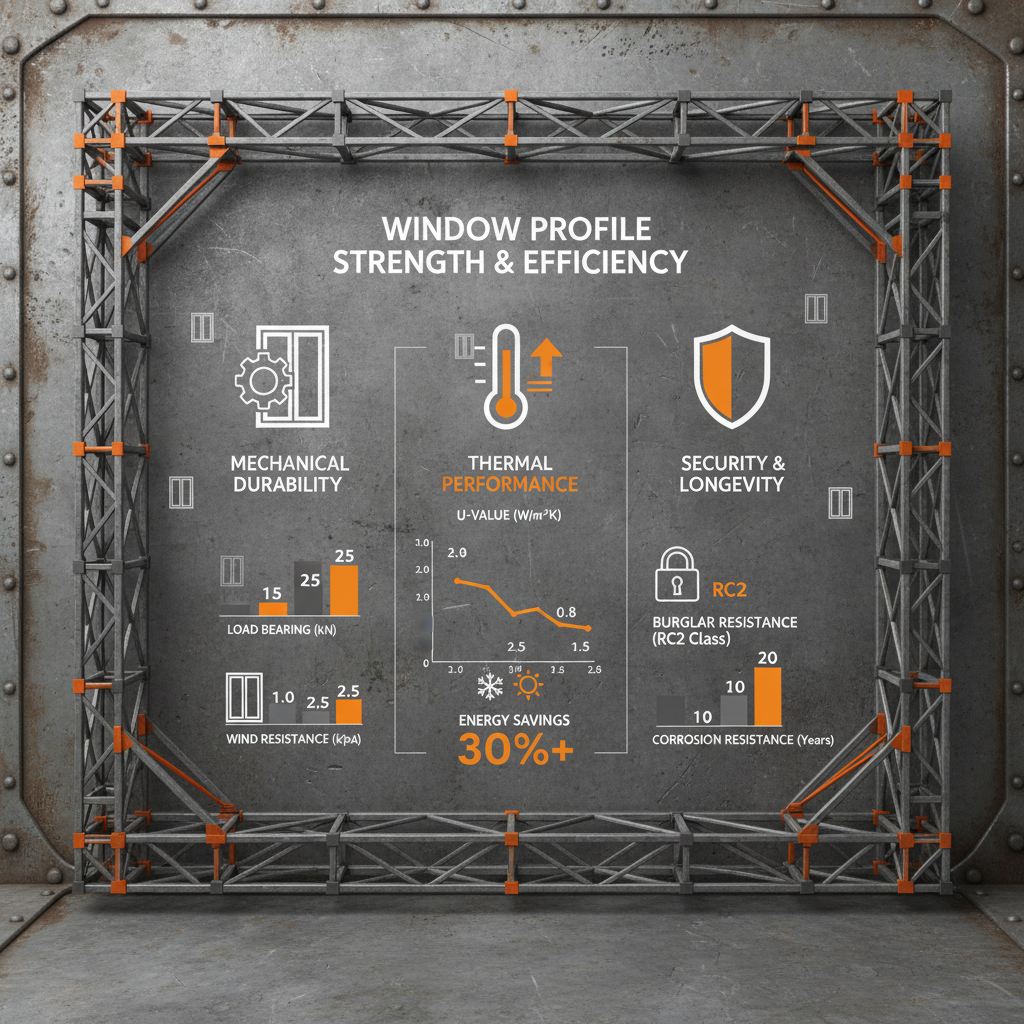
When selecting window profiles, it’s crucial to ensure they meet relevant industry standards and regulations. This guarantees their performance, durability, and safety. Look for profiles that have been tested and certified by reputable organizations. WRK Formwork provides window profiles that comply with all major industry standards, offering peace of mind and ensuring your project meets the highest quality requirements.
Conclusion: Investing in Quality Window Profiles
Choosing the right window profiles is a crucial investment in the long-term performance, energy efficiency, and aesthetic appeal of your building. By carefully considering the factors discussed in this article and partnering with a trusted supplier like WRK Formwork, you can ensure a successful and lasting outcome.
Frequently Asked Questions (FAQs)
What is the U-value of a window profile, and why is it important?
The U-value measures how well a window profile prevents heat transfer. A lower U-value indicates better insulation. It's important because it directly impacts energy efficiency. A window with a low U-value will minimize heat loss in winter and heat gain in summer, reducing your energy bills and maintaining a comfortable indoor climate. When choosing window profiles, especially for energy-efficient building designs, prioritize those with the lowest possible U-values. Different materials have different inherent U-values, with PVC and composite generally offering superior insulation compared to aluminum.
How does the color of a window profile affect its performance?
Darker colored window profiles, especially those made of PVC or composite, can absorb more heat from the sun, potentially leading to slight thermal expansion. However, modern formulations and manufacturing techniques minimize this effect. The primary consideration is the aesthetic compatibility with the building's design. WRK Formwork offers a wide range of colors to choose from, and our experts can advise on the best options for your specific project and climate.
What maintenance is required for different window profile materials?
PVC profiles require minimal maintenance – typically just cleaning with mild soap and water. Aluminum profiles are also low-maintenance but may benefit from occasional cleaning to remove dirt and grime. Wood profiles require regular painting or staining to protect them from the elements and prevent rot. Composite profiles offer a balance, requiring less maintenance than wood but still benefiting from occasional cleaning. Proper maintenance will prolong the lifespan and performance of your window profiles.
Are there any eco-friendly window profile options available?
Yes, PVC profiles can be manufactured with recycled content, and some composite profiles utilize sustainable materials. Choosing these options reduces the environmental impact of your project. Furthermore, the energy efficiency benefits of high-performance window profiles contribute to reduced energy consumption and a smaller carbon footprint. WRK Formwork is committed to offering sustainable and eco-friendly window profile solutions.
Latest News
-
High Quality Drywall Corner Metal Strip for Perfect Wall EdgesNewsApr.16,2026
-
Corner Metal for Drywall Guide for Perfect Professional EdgesNewsApr.09,2026
-
Comprehensive Guide to Corner Metal Drywall Installation and Material ChoicesNewsApr.07,2026
-
Comprehensive Guide to Corner Metal Bead for Durable Construction ProjectsNewsApr.04,2026
-
Comprehensive Guide to Corner Drywall Metal Installation and SelectionNewsMar.31,2026
-
Understanding Corner Bit Metal Applications and Sourcing for Robust StructuresNewsMar.28,2026