- Cimientos subterráneos
- Plantas de tratamiento de agua
- Túneles
- Plantas de tratamiento de aguas residuales
- Proyectos de conservación de agua
- Proyectos de metro
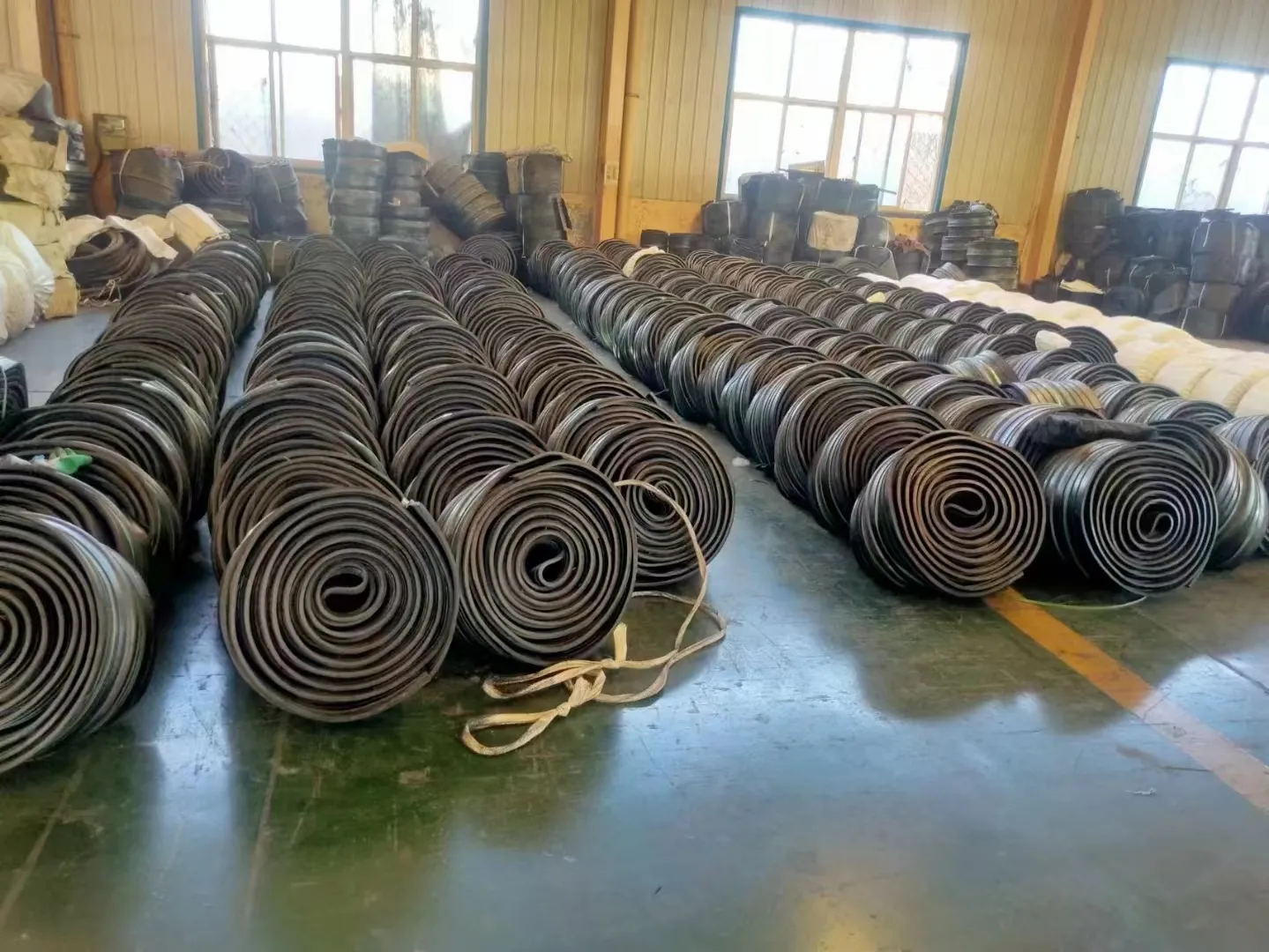
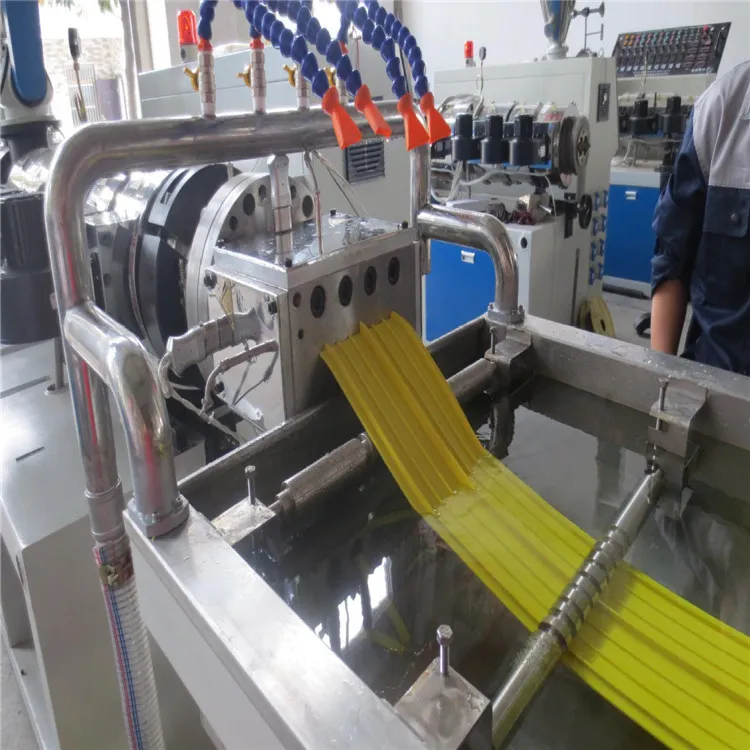
Al seleccionar el sello de agua de caucho adecuado para un proyecto de construcción, es importante considerar factores como el tipo de junta, el movimiento esperado de la estructura y el nivel de presión de agua que soportará el sello de agua. Al elegir el sello de agua correcto en función de los requisitos específicos del proyecto, los constructores pueden garantizar una impermeabilización eficaz y una protección a largo plazo contra daños por agua.
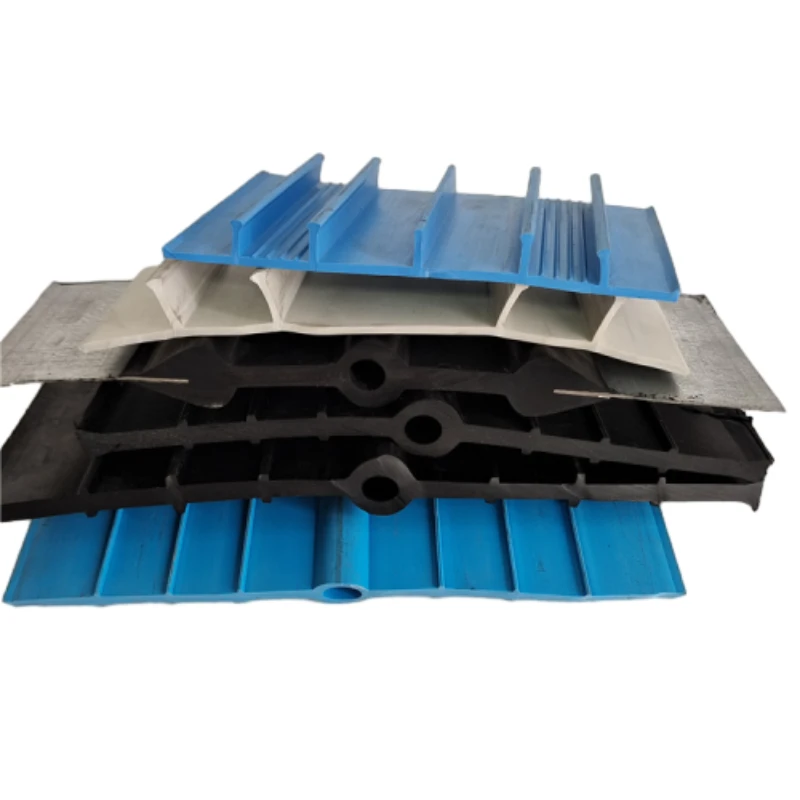
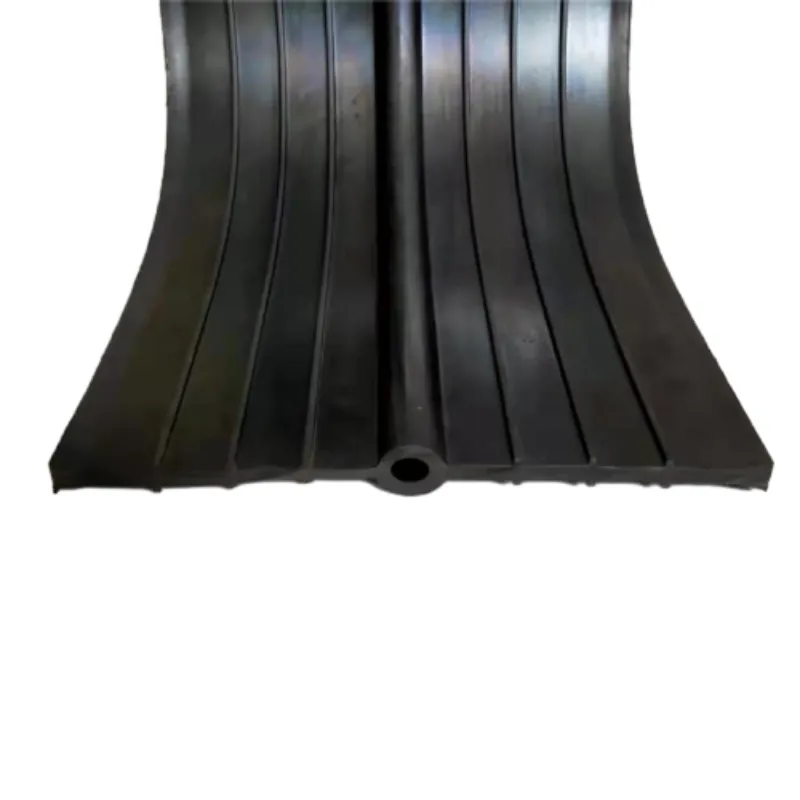
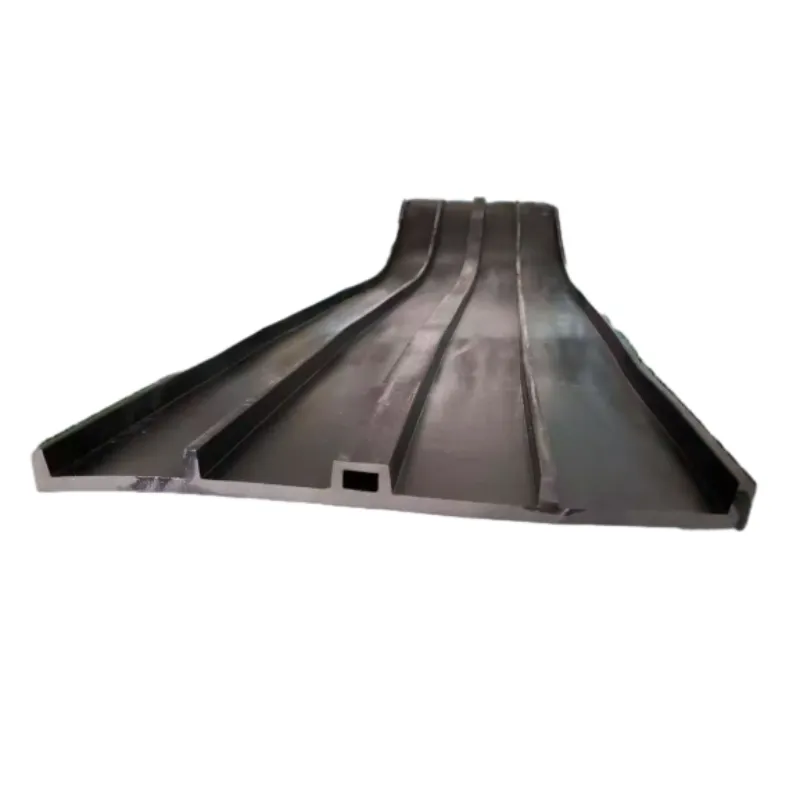
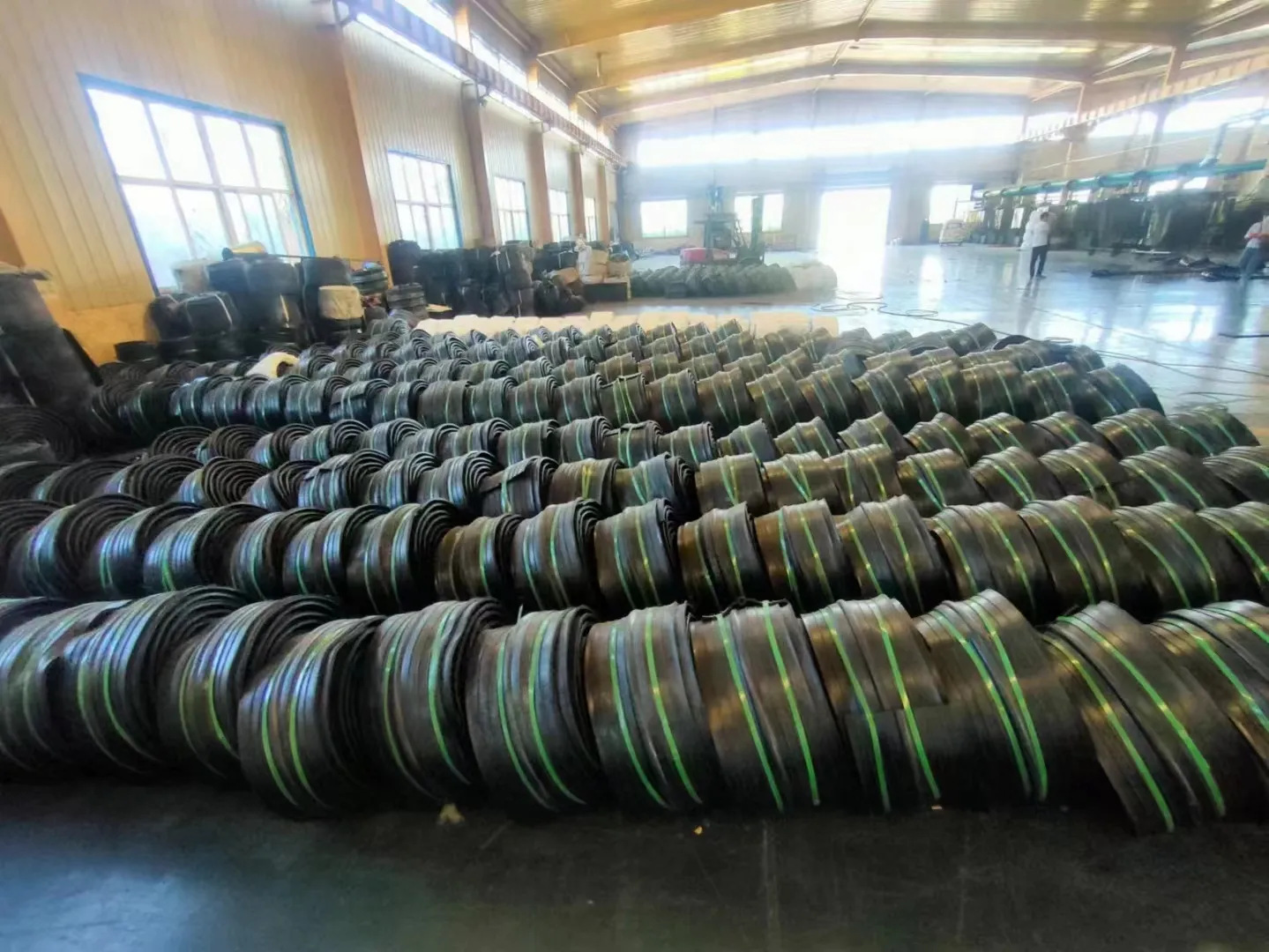
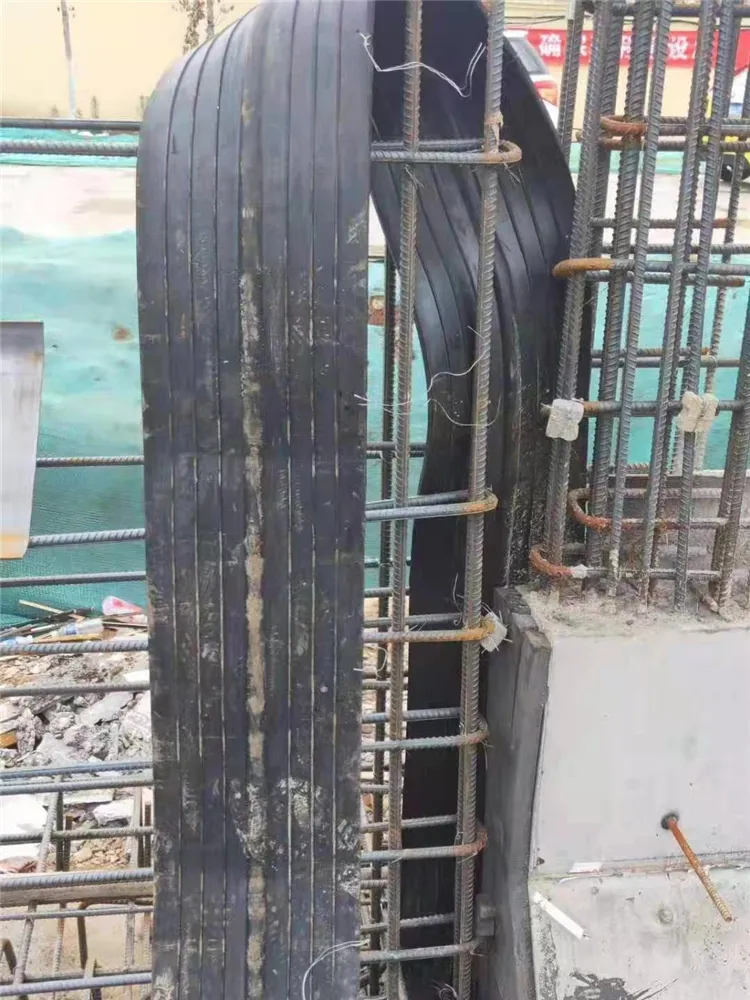
Nuestro sello de agua de caucho se fabrica con caucho natural y sintético, con numerosos aditivos y rellenos mediante procesos de plastificación, mezcla y moldeo por compresión. Se puede utilizar en diversas juntas de hormigón para prevenir fugas y permeaciones de agua.
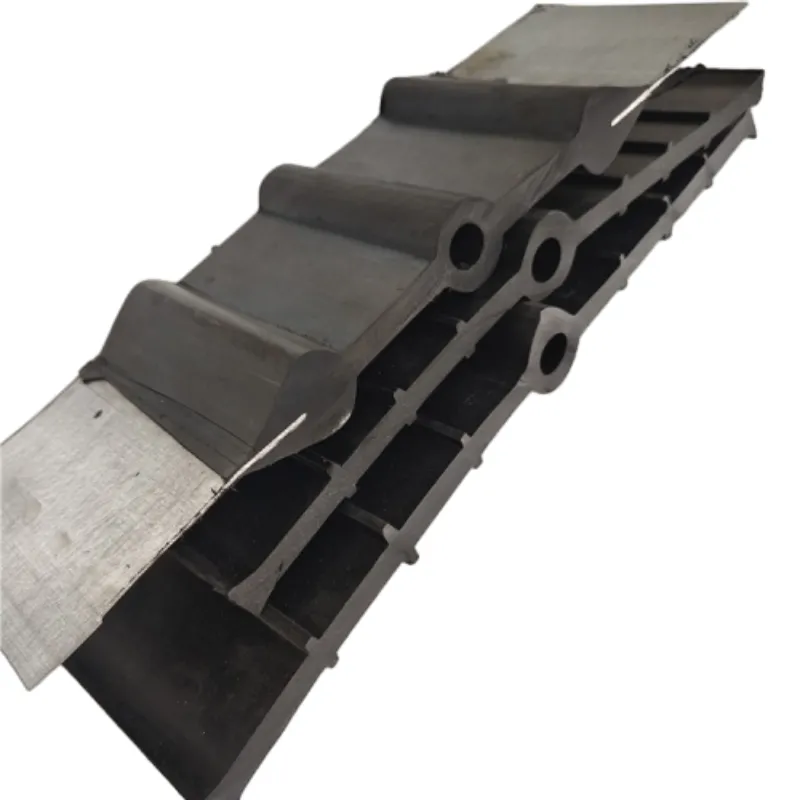
Los diseños principales son:
Tope de agua con borde de acero
Tope de agua de goma común
Tope de agua de caucho hinchable
Si tiene alguna demanda, póngase en contacto con nosotros para obtener más información.
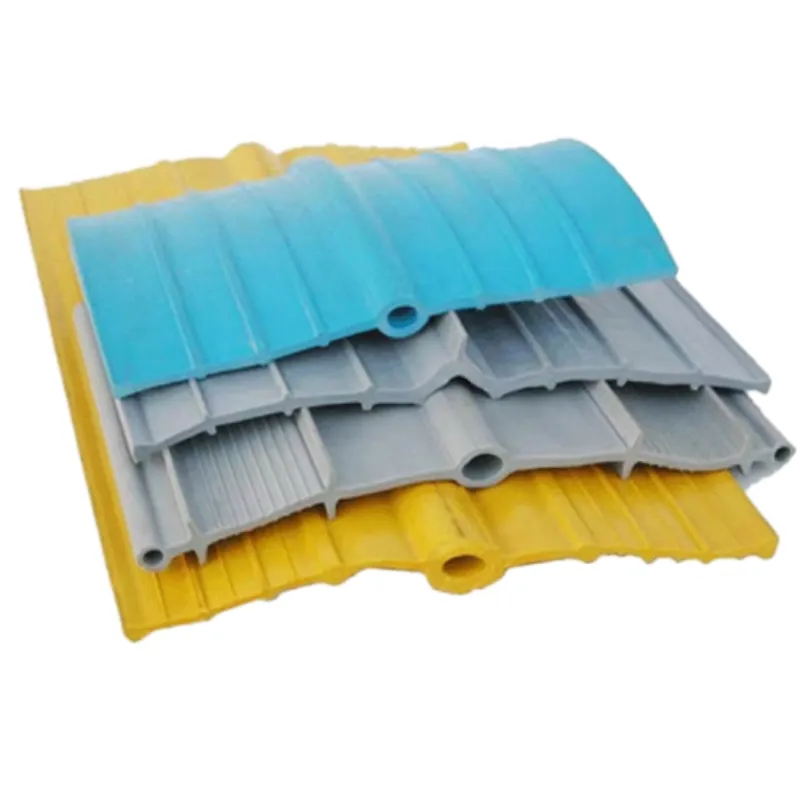
What Are the Different Types of PVC Waterstops?
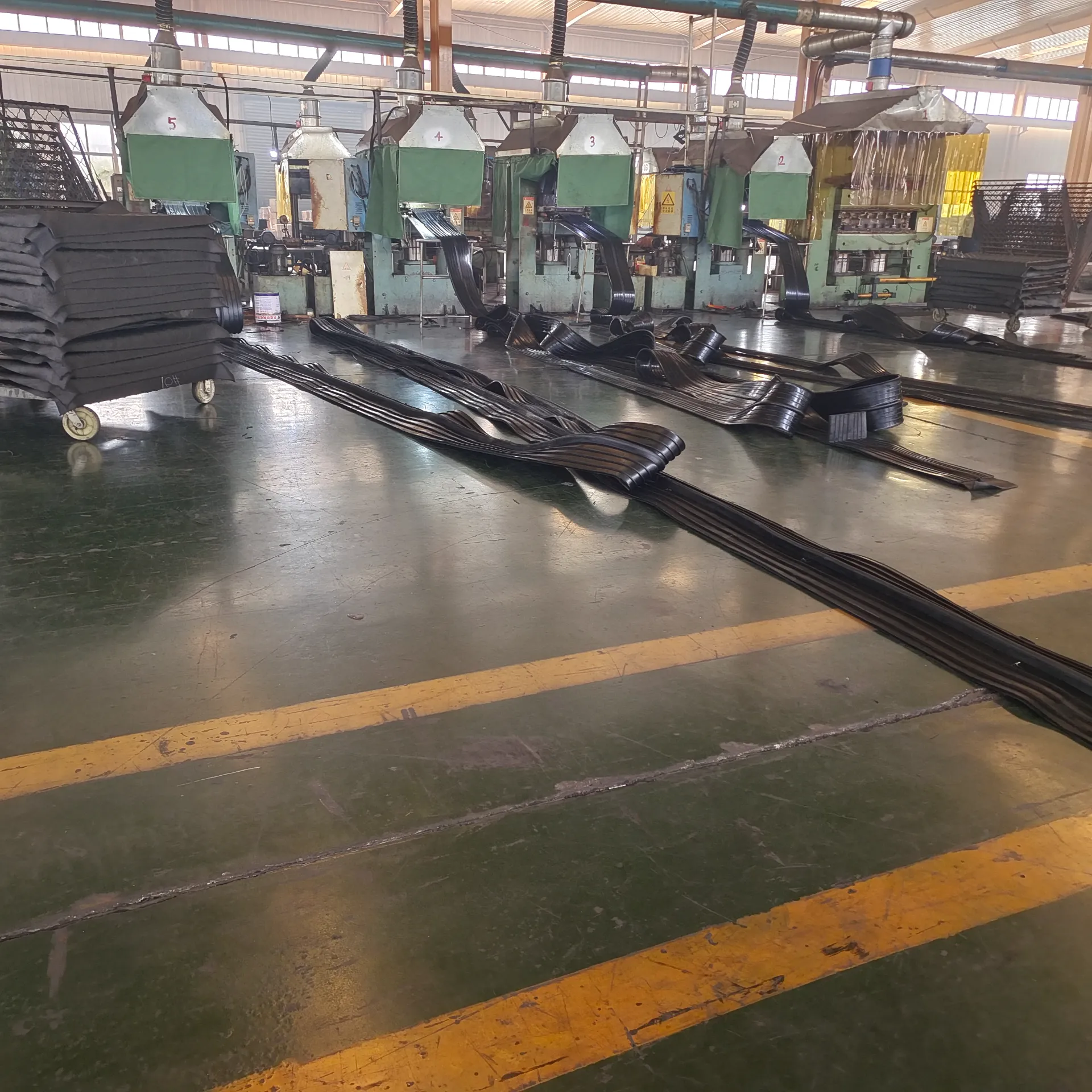
PVC waterstops are critical components in concrete construction, designed to prevent water from penetrating joints and maintain the integrity of structures. At Cangzhou World Cup Trading Co., Ltd, we supply a wide range of high-quality PVC waterstops suitable for commercial, residential, and infrastructure projects.
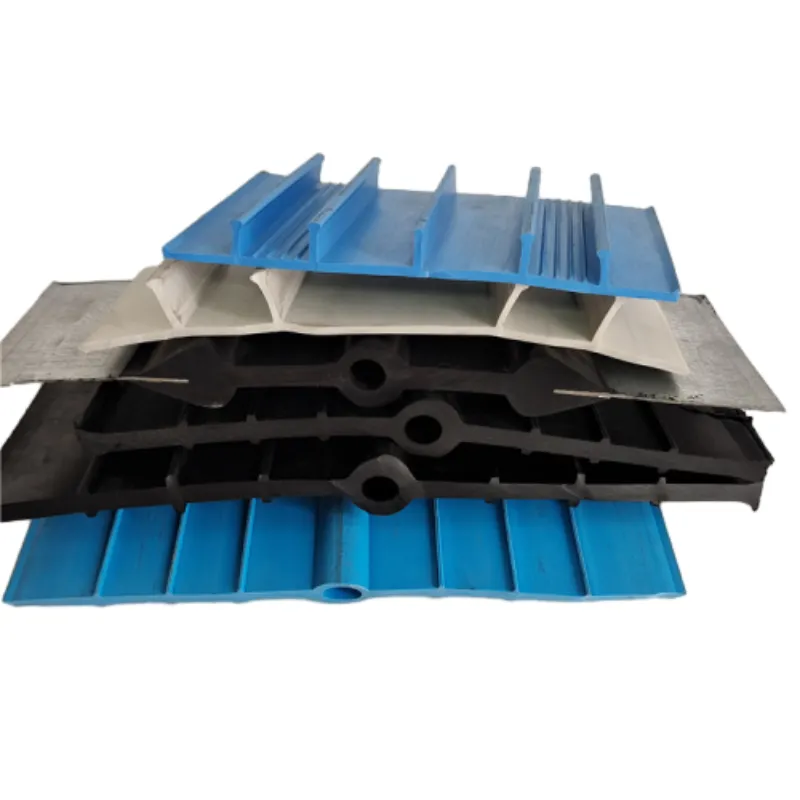
PVC waterstops come in several types, each tailored to specific joint and construction requirements. The most common types include:
Center-Bulb Waterstops – These are used in construction joints and expansion joints. The central bulb allows the waterstop to accommodate movements in the concrete structure, absorbing contraction or expansion while maintaining a watertight seal.
Dumbbell Waterstops – Shaped like a dumbbell, they are ideal for joints that experience movement in one or more directions. Dumbbell waterstops provide flexibility and high sealing efficiency.
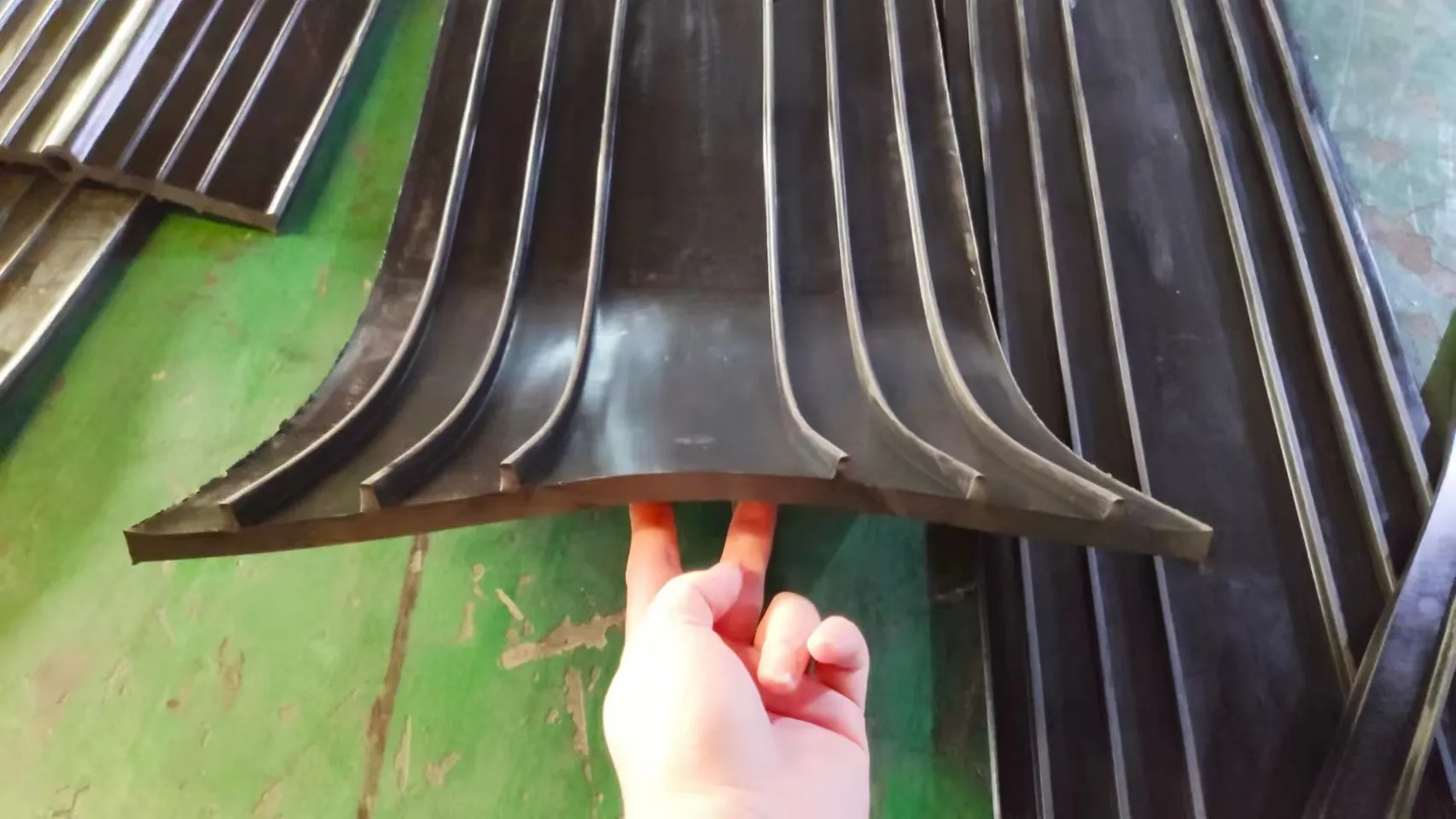
Ribbed or Finned Waterstops – Equipped with ribs or fins, these waterstops increase mechanical bonding with concrete, enhancing overall sealing performance. They are commonly used in high-pressure or submerged applications.
Hydrophilic PVC Waterstops – These are a hybrid type, combining the durability of PVC with swelling properties to seal small cracks and joints more effectively.
PVC waterstops are typically embedded directly in the concrete during casting, ensuring that joints remain watertight even under pressure or structural movement. Their corrosion-resistant and flexible nature makes them ideal for water-retaining structures, basements, tunnels, and industrial tanks.
At Cangzhou World Cup Trading Co., Ltd, our technical team helps clients select the right PVC waterstop type for their specific projects, ensuring proper installation and long-lasting performance.
In summary, the main types of PVC waterstops—center-bulb, dumbbell, ribbed/finned, and hydrophilic—provide effective solutions for sealing construction joints in concrete structures, enhancing durability and water resistance.
PVC Waterstop for Concrete Joint
PVC waterstops for concrete joints are essential for maintaining the watertight integrity of structures such as basements, tunnels, reservoirs, and water treatment plants. At Cangzhou World Cup Trading Co., Ltd, we produce high-quality PVC waterstops specifically designed for construction joints, ensuring reliable performance and durability.
Concrete joints, including construction joints, expansion joints, and contraction joints, are potential points for water leakage. A PVC waterstop embedded in these joints creates a physical barrier that prevents water penetration, even under high hydrostatic pressure. The flexible nature of PVC allows it to accommodate slight movements of the concrete caused by thermal expansion, contraction, or load stresses.
The most common designs used in concrete joints are center-bulb and dumbbell PVC waterstops. The center-bulb design absorbs structural movement, while the ribbed profile increases adhesion to concrete. These features ensure that the joint remains sealed, reducing maintenance costs and preventing structural damage due to water ingress.
Installation is straightforward. The waterstop is positioned within the joint before pouring concrete, ensuring it is fully encapsulated. This integration with the concrete provides a robust and permanent seal. Our PVC waterstops are manufactured to strict quality standards, offering excellent tensile strength, flexibility, and chemical resistance.
Using PVC waterstops in concrete joints also enhances the lifespan of the structure. By preventing leaks, it reduces corrosion of reinforcement bars and protects concrete integrity, ensuring the building or infrastructure performs as intended for decades.
In summary, PVC waterstops for concrete joints are vital for watertight construction, providing flexible, durable, and long-lasting protection against water ingress in all types of concrete projects.
What Is the Difference Between Swellable Waterstop and PVC Waterstop?
Both swellable waterstops and PVC waterstops are used to seal joints in concrete structures, but they differ in material properties, mechanism, and applications. At Cangzhou World Cup Trading Co., Ltd, we supply both types, helping contractors choose the right solution for their specific construction needs.
PVC waterstops are made from flexible, corrosion-resistant polyvinyl chloride. They are embedded into the concrete during casting and act as a physical barrier, preventing water from passing through joints. PVC waterstops rely on mechanical bonding with concrete and are suitable for most construction joints, expansion joints, and structures exposed to water pressure. They are durable, reusable, and ideal for permanent, high-strength applications.
Swellable waterstops, on the other hand, are made from rubber or hydrophilic materials that expand when they come into contact with water. Unlike PVC, which acts as a physical barrier, swellable waterstops actively seal gaps and minor cracks by swelling, creating a watertight seal. They are particularly useful in joints where concrete shrinkage may occur or where post-construction leaks are a concern. Swellable waterstops are often applied in cold joints, basement walls, and precast concrete connections.
The key differences include:
Mechanism – PVC blocks water physically; swellable waterstops expand upon contact with water.
Installation – PVC is embedded during casting; swellable waterstops can be installed post-construction.
Application – PVC is suitable for high-pressure or permanent joints; swellable waterstops are ideal for sealing cracks or precast joints prone to movement.
At Cangzhou World Cup Trading Co., Ltd, we offer guidance on selecting the most suitable type based on joint type, water pressure, and structural requirements.
In summary, PVC waterstops provide a mechanical barrier and long-term durability, while swellable waterstops rely on expansion to seal joints, making them complementary solutions in modern waterproof concrete construction.
pvc water stopper
pvc water stopper price
pvc water stopper seal
pvc water stopper size
rubber waterstop
Tope de agua de caucho para hormigón
swellable waterstop