Feb . 26, 2026 02:15 Back To List
Comprehensive Guide to PVC Profile Applications Manufacturing and Future Trends
Understanding PVC Profile: A Comprehensive Guide
PVC profile, or Polyvinyl Chloride profile, is a versatile building material used extensively in a wide range of applications, from windows and doors to piping and decorative elements. Its durability, cost-effectiveness, and low maintenance make it a popular choice for both residential and commercial projects. This article delves into the world of PVC profiles, covering their types, manufacturing process, applications, advantages, and future trends. Whether you’re a contractor, architect, or simply a homeowner, understanding PVC profiles is essential for making informed decisions about your construction needs.
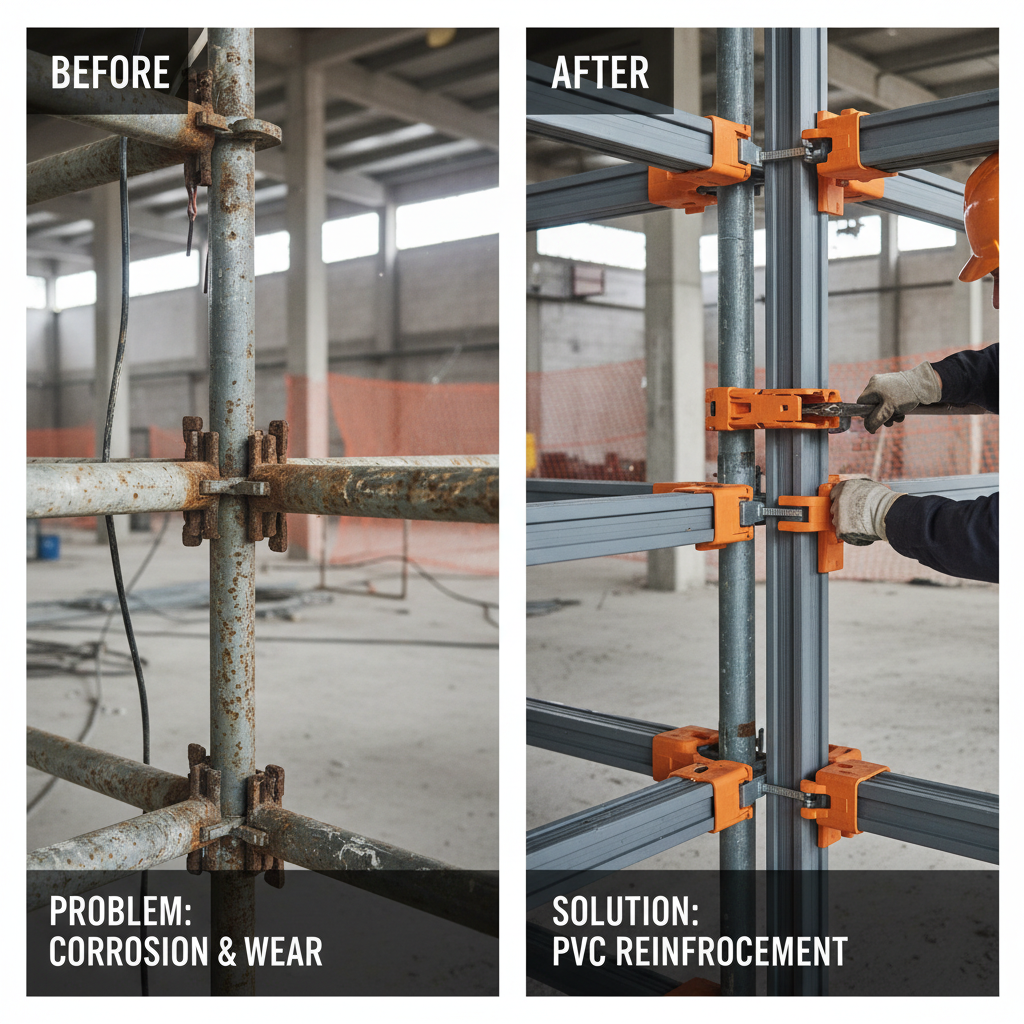
Types of PVC Profiles
PVC profiles aren't one-size-fits-all. They are manufactured in various types, each designed for specific applications. Here are some of the most common categories:
- Window & Door Profiles: These are the most visible and widely used PVC profiles, providing framing for windows and doors.
- Piping Profiles: Used for water supply, drainage, and sewage systems.
- Decking Profiles: Offer a low-maintenance alternative to wood decking.
- Siding Profiles: Provide weather protection and aesthetic appeal for building exteriors.
- Foam PVC Profiles: Lightweight and often used for decorative applications and interior trim.
The choice of profile depends on factors like structural requirements, aesthetic preferences, and environmental conditions. WRK Formwork provides a diverse range of PVC profiles to meet varying project demands.
Key Highlights: PVC profiles are categorized based on their application, material composition, and manufacturing process. Understanding these categories is crucial for selecting the right profile for your project.
The PVC Profile Manufacturing Process
The production of PVC profiles involves several stages, starting with the polymerization of vinyl chloride monomer to create PVC resin. This resin is then compounded with stabilizers, lubricants, and pigments. The compounded mixture is then processed using extrusion – a process where the material is forced through a shaped die to create the desired profile. Cooling and cutting follow, resulting in finished PVC profiles. Quality control is vital throughout the process to ensure the profiles meet industry standards and customer specifications.
Manufacturing Process Steps:
• Polymerization of vinyl chloride monomer
• Compounding with additives
• Extrusion through a shaped die
• Cooling and Cutting
PVC Profile Applications: A Diverse Range
The versatility of PVC profiles makes them suitable for a plethora of applications. Beyond windows and doors, you'll find them in:
- Construction: Formwork, roofing, and cladding.
- Infrastructure: Pipes for water and sewage systems, cable conduits.
- Automotive: Interior trim and components.
- Healthcare: Medical device components and hygiene products.
- Furniture: Edge banding and decorative elements.
The adaptability of PVC profiles makes them a favorite among builders, designers, and manufacturers. WRK Formwork caters to a wide array of these applications with their diverse product line.
PVC Profile vs. Other Materials: A Comparative Analysis
Compared to traditional materials like wood, aluminum, and steel, PVC profiles offer several advantages. Wood is susceptible to rot and requires regular maintenance. Aluminum can be expensive and conducts heat efficiently. Steel is prone to corrosion. PVC profiles, on the other hand, are durable, low-maintenance, corrosion-resistant, and offer good thermal insulation. Here's a quick comparison:
Future Trends in PVC Profile Technology
The PVC profile industry is continuously evolving, with a focus on sustainability and performance. Key trends include:
- Recycled PVC: Increasing use of recycled PVC content to reduce environmental impact.
- Foamed PVC: Enhanced thermal insulation and lightweight properties.
- Co-extrusion: Combining different materials for improved functionality and aesthetics.
- Smart PVC Profiles: Integrating sensors and connectivity for building automation.
These advancements promise to further enhance the benefits of PVC profiles, making them an even more attractive option for a wide range of applications.
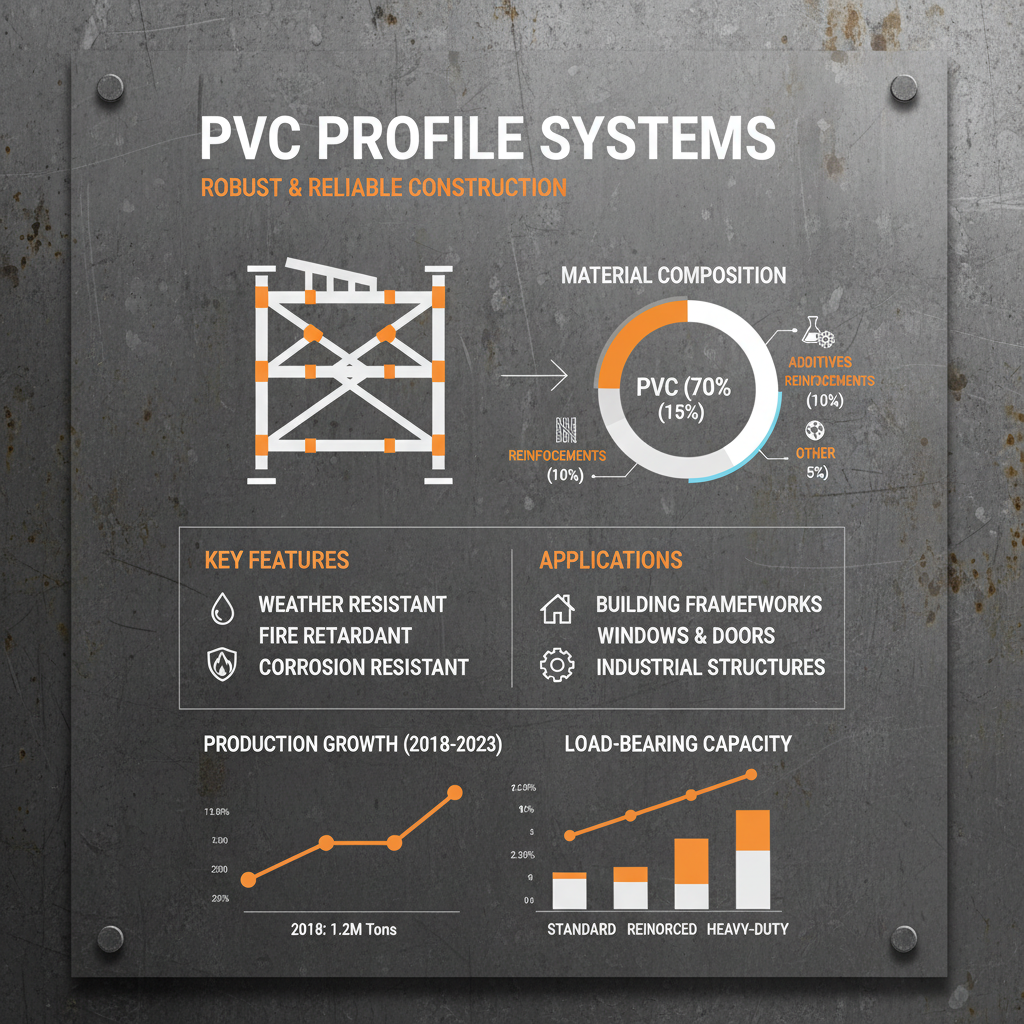
Conclusion: The Enduring Value of PVC Profiles
PVC profiles remain a cornerstone of modern construction and manufacturing. Their combination of cost-effectiveness, durability, and versatility ensures their continued popularity. As technology advances and sustainability becomes increasingly important, PVC profiles will undoubtedly adapt and evolve to meet the changing needs of the industry. WRK Formwork is committed to providing high-quality PVC profiles that meet the highest standards of performance and sustainability.
Frequently Asked Questions (FAQs)
What are the environmental considerations when using PVC profiles?
PVC production can have environmental impacts, but significant progress has been made in recent years. Manufacturers are increasingly using recycled PVC content, reducing the reliance on virgin materials. Additionally, PVC is durable and long-lasting, reducing the need for frequent replacements. Proper disposal and recycling of PVC waste are crucial. Choosing suppliers committed to sustainable practices, like WRK Formwork, is a responsible step.
How do I clean and maintain PVC profiles?
PVC profiles are remarkably easy to maintain. Regular cleaning with mild soap and water is usually sufficient. Avoid abrasive cleaners, as they can damage the surface. For stubborn stains, a specialized PVC cleaner may be used. Periodic inspection for any damage is also recommended.
Are PVC profiles resistant to UV radiation?
While PVC is inherently resistant to UV radiation, prolonged exposure can cause some fading or discoloration over time. Many PVC profiles are formulated with UV stabilizers to minimize this effect. Selecting profiles with high UV resistance is particularly important for outdoor applications. WRK Formwork offers profiles with enhanced UV protection.
Latest News
-
High Quality Drywall Corner Metal Strip for Perfect Wall EdgesNewsApr.16,2026
-
Corner Metal for Drywall Guide for Perfect Professional EdgesNewsApr.09,2026
-
Comprehensive Guide to Corner Metal Drywall Installation and Material ChoicesNewsApr.07,2026
-
Comprehensive Guide to Corner Metal Bead for Durable Construction ProjectsNewsApr.04,2026
-
Comprehensive Guide to Corner Drywall Metal Installation and SelectionNewsMar.31,2026
-
Understanding Corner Bit Metal Applications and Sourcing for Robust StructuresNewsMar.28,2026