Mar . 19, 2026 02:25 Back To List
Choosing the Right Corner Bead for Ceiling Applications and Professional Drywall Finishing
Choosing the Right Corner Bead for Ceiling Applications
When it comes to achieving clean, professional-looking corners in drywall finishing, selecting the appropriate corner bead for ceiling applications is paramount. Corner bead provides crucial protection and creates a durable, aesthetically pleasing edge. This article will delve into the various types of corner bead, their ideal applications, installation tips, and factors to consider when making your selection. Understanding the nuances of corner bead will ensure a flawless finish and lasting results. WRK Formwork offers a comprehensive range of high-quality corner bead solutions to meet any project requirement.
Understanding Different Types of Corner Bead
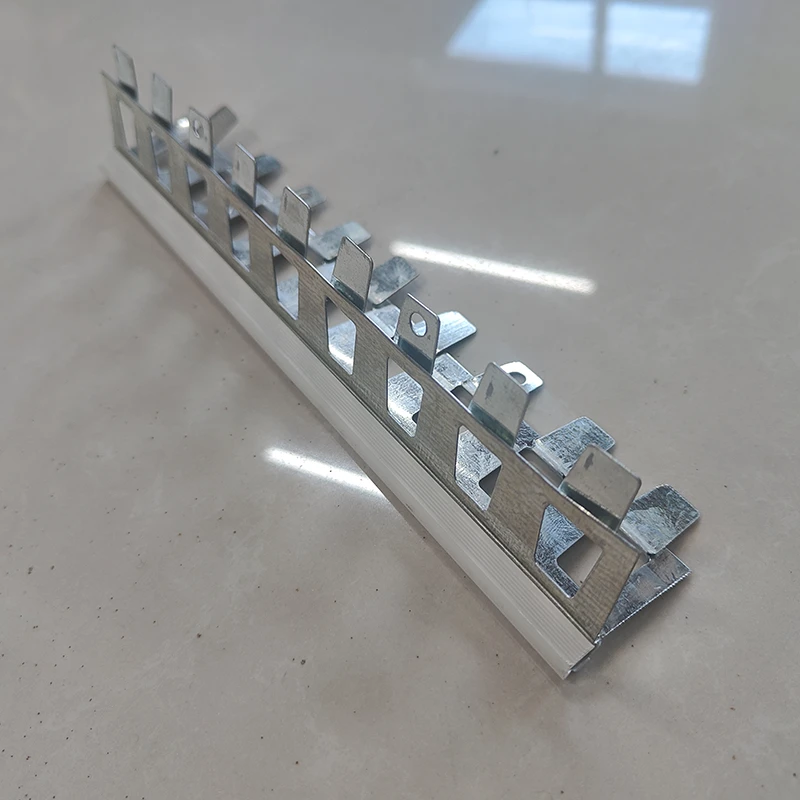
Corner bead isn't one-size-fits-all. Several types cater to different needs and materials. Metal corner bead, traditionally made of galvanized steel or stainless steel, is known for its durability and impact resistance. Paper-faced corner bead offers a smoother surface for finishing and is easier to work with, while vinyl corner bead provides good impact resistance and is suitable for areas prone to moisture. Finally, mud-set corner bead requires embedding in drywall compound, creating a strong, seamless corner. Choosing the right type depends on the project’s scope, budget, and desired aesthetic.
Key Takeaway: The ideal corner bead type balances durability, ease of installation, and compatibility with the surrounding materials.
Choosing the Right Corner Bead for Ceiling Applications
For ceiling applications, the structural integrity and resistance to deflection are critical. While all types can be used, metal corner bead is often favored for its rigidity, particularly in high-traffic areas or locations prone to impact. Paper-faced or vinyl corner bead can be suitable for lower-stress areas, but careful attention to fastening is essential. Mud-set corner bead can create a very smooth and seamless finish, ideal for decorative ceiling details, but requires skilled application. Choosing WRK Formwork's corner bead ensures quality and durability for your ceiling projects.
Ceiling Application Considerations:
• Structural Support: Ensure adequate support to prevent sagging.
• Fastening: Use appropriate fasteners to securely attach the bead.
• Impact Resistance: Select a durable bead for areas prone to contact.
• Moisture Resistance: Consider vinyl or stainless steel bead for damp environments.
Metal vs. Paper-Faced Corner Bead: A Detailed Comparison
Choosing between metal and paper-faced corner bead often comes down to trade-offs. Metal provides superior durability and impact resistance, making it ideal for high-traffic areas. However, it can be more difficult to cut and install, and may require specialized tools. Paper-faced bead is easier to cut and work with, offering a smoother surface for finishing. However, it's less resistant to damage and may not be suitable for all applications. Here's a comprehensive comparison:
Installation Best Practices for Ceiling Corner Bead
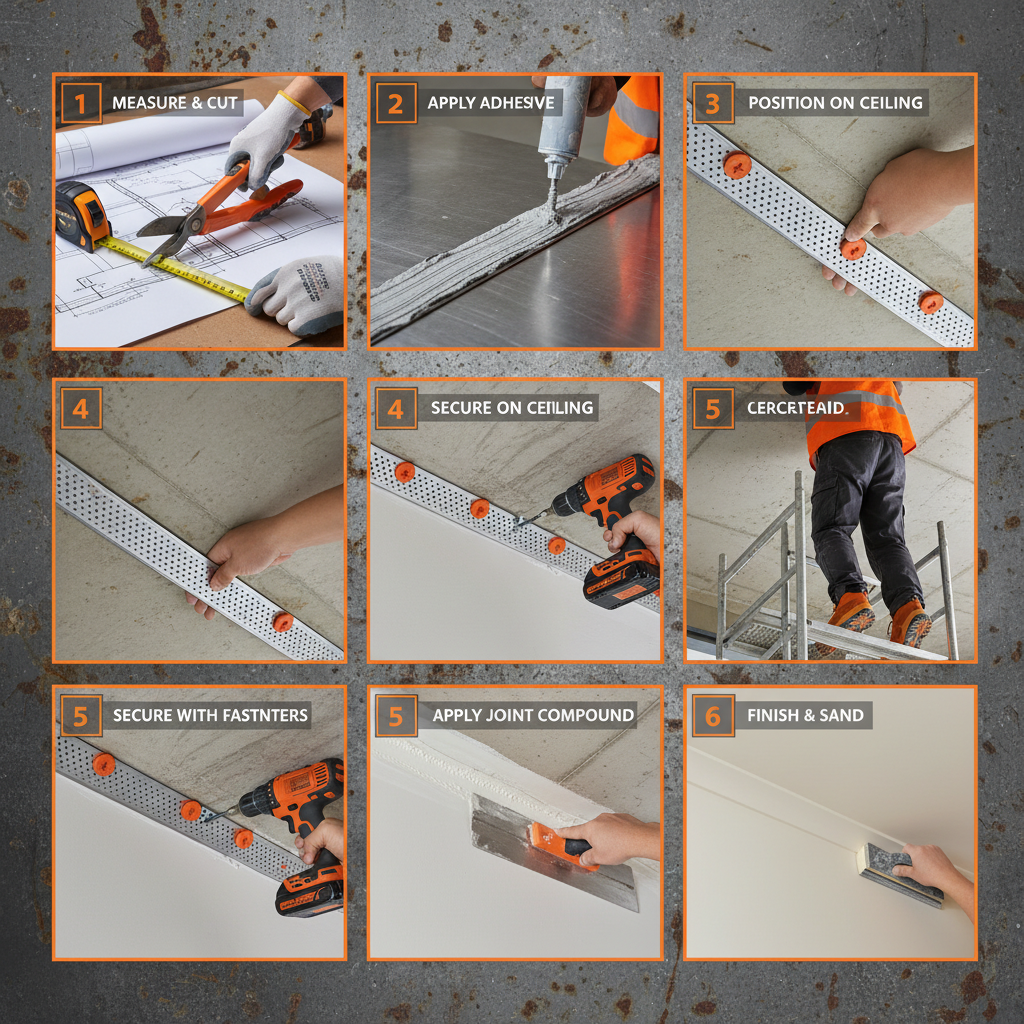
Proper installation is crucial for achieving a professional finish. Always use the correct fasteners for the substrate and corner bead type. Ensure the bead is straight and securely attached, avoiding any gaps or protrusions. For metal bead, pre-drilling holes can simplify installation. With paper-faced bead, apply drywall compound liberally to adhere it to the substrate. WRK Formwork provides detailed installation guides for all its products, ensuring a seamless and reliable outcome.
Selecting the Optimal Corner Bead: A Summary
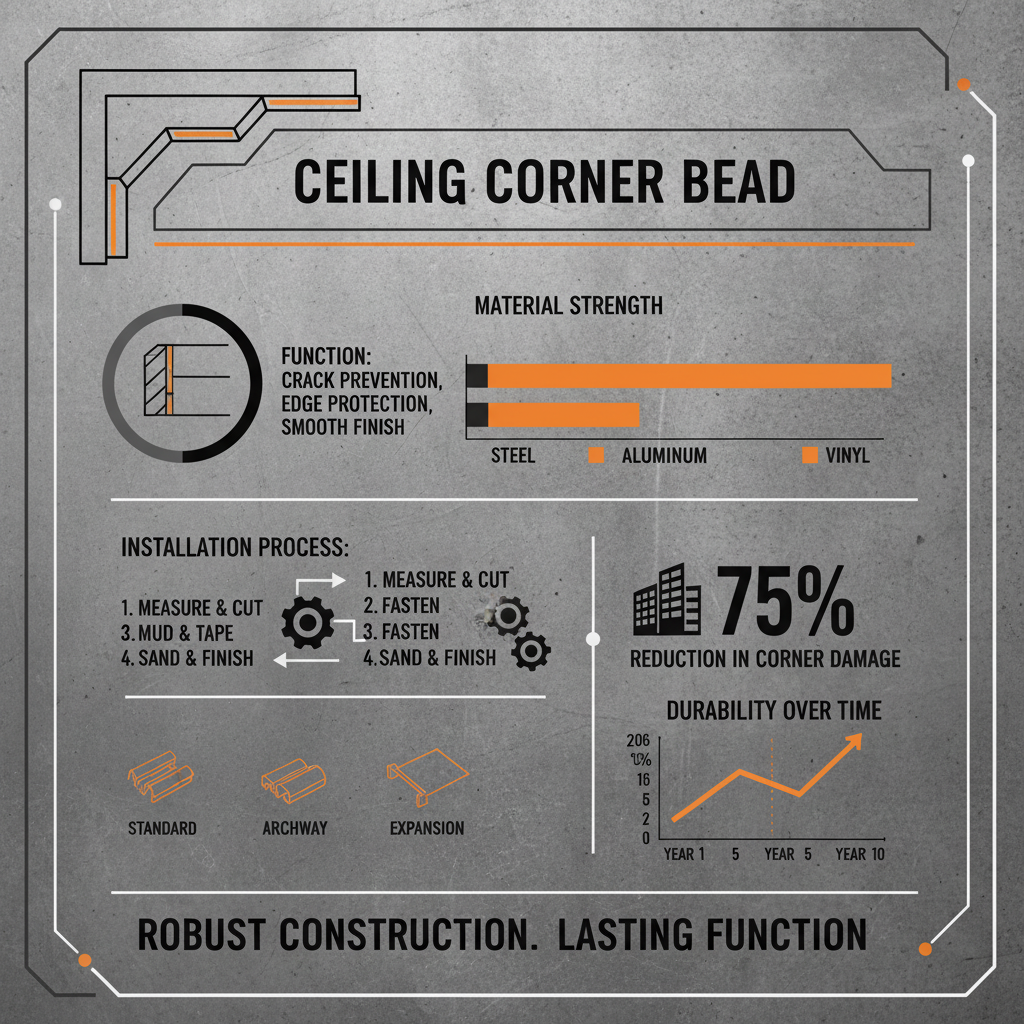
Ultimately, the best corner bead for ceiling applications depends on a careful assessment of project requirements. Consider the level of traffic, potential for moisture exposure, desired aesthetic, and your skill level. By choosing the right type and following proper installation techniques, you can achieve durable, professional-looking corners that will enhance the beauty and longevity of your project. WRK Formwork is your trusted partner for high-quality corner bead solutions.
Conclusion: Invest in Quality Corner Bead for Lasting Results
Choosing the right corner bead is a critical step in any drywall project. By understanding the different types available and their respective advantages, you can ensure a professional, durable, and aesthetically pleasing finish. WRK Formwork's commitment to quality and innovation makes us a reliable partner for all your corner bead needs. Don't compromise on quality - choose WRK Formwork for lasting results.
Frequently Asked Questions (FAQs)
What length of corner bead is typically available?
Corner bead is commonly available in lengths ranging from 8 feet to 10 feet. However, WRK Formwork offers custom lengths to accommodate specific project requirements. Choosing the appropriate length minimizes waste and simplifies installation. Consider the overall corner length and the number of corners when estimating your material needs. Accurate measurements are essential to ensure a smooth and efficient process.
How do I properly fasten metal corner bead?
Metal corner bead is typically fastened using galvanized roofing nails or screws. Pre-drilling holes can simplify installation, especially in harder substrates. Space the fasteners approximately 12 inches apart, ensuring they are driven straight and flush with the bead’s surface. Avoid over-driving the fasteners, which can damage the bead. WRK Formwork recommends using appropriate safety gear during installation.
Can corner bead be used on curved surfaces?
Yes, flexible corner bead is specifically designed for curved surfaces. This type of bead is typically made of vinyl or paper-faced material and can be bent to conform to the desired shape. It is crucial to select a bead with the appropriate flexibility for the radius of the curve. WRK Formwork offers a range of flexible corner bead options to suit various curved applications.
What is the best way to finish around corner bead?
Finishing around corner bead involves applying drywall compound (mud) to create a smooth, seamless transition. Apply the mud in thin coats, feathering the edges to blend with the surrounding wall surface. Allow each coat to dry completely before applying the next. Sand lightly between coats to remove any imperfections. Use a corner trowel to achieve crisp, clean lines. WRK Formwork offers detailed finishing guides on its website.
Latest News
-
High Quality Drywall Corner Metal Strip for Perfect Wall EdgesNewsApr.16,2026
-
Corner Metal for Drywall Guide for Perfect Professional EdgesNewsApr.09,2026
-
Comprehensive Guide to Corner Metal Drywall Installation and Material ChoicesNewsApr.07,2026
-
Comprehensive Guide to Corner Metal Bead for Durable Construction ProjectsNewsApr.04,2026
-
Comprehensive Guide to Corner Drywall Metal Installation and SelectionNewsMar.31,2026
-
Understanding Corner Bit Metal Applications and Sourcing for Robust StructuresNewsMar.28,2026