Mar . 07, 2026 02:15 Back To List
Comprehensive Guide to UPVC Window Profiles for Enhanced Home Efficiency
Understanding Window Profiles UPVC: A Comprehensive Guide
UPVC window profiles are a cornerstone of modern construction, offering a durable, energy-efficient, and cost-effective solution for window framing. Selecting the right profile is crucial for the performance and longevity of your windows. This article will delve into the world of UPVC window profiles, covering their benefits, types, key considerations, and how to choose the best option for your project. We'll explore the factors that make UPVC a superior choice and guide you through the selection process.
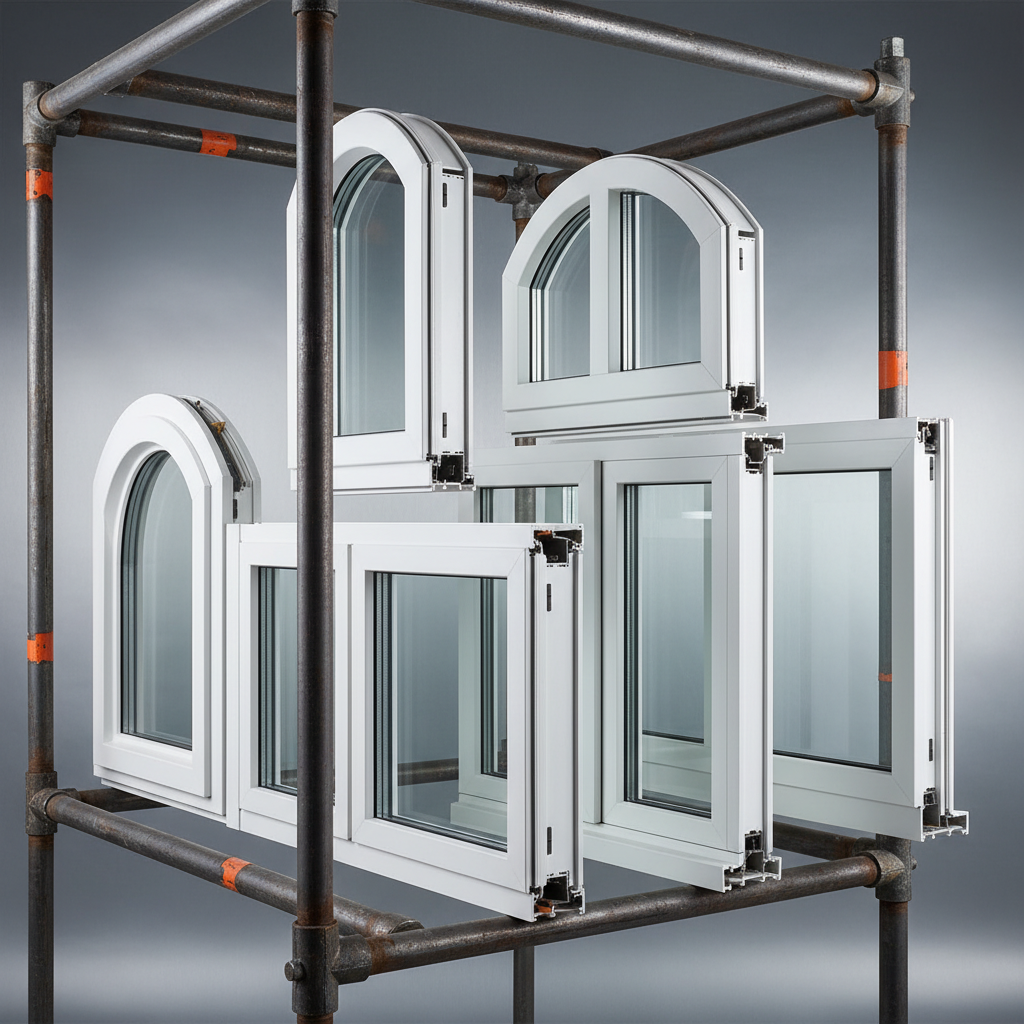
What are UPVC Window Profiles?
UPVC (Unplasticized Polyvinyl Chloride) is a rigid plastic that's incredibly versatile and resistant to weathering, corrosion, and impact. UPVC window profiles are extruded shapes used to form the frame of a window. They are designed to hold the glass, hardware, and seals, providing structural integrity and thermal insulation. Unlike traditional materials like wood or metal, UPVC doesn’t require painting, staining, or significant maintenance, making it a long-term, low-cost investment. The benefits include excellent insulation, preventing heat loss and reducing energy bills.
Key Benefits: Excellent insulation, low maintenance, durability, cost-effectiveness, and resistance to weathering.
Types of UPVC Window Profiles
There are several types of UPVC window profiles available, each designed for specific applications and aesthetic preferences. Common types include:
- Chamfered Profiles: These have a bevelled edge, offering a sleek, modern appearance.
- Rounded Profiles: These feature a curved edge, providing a softer, more traditional look.
- Sculptured Profiles (also known as Decorative Profiles): These are designed to mimic the appearance of traditional timber windows, often with detailed molding.
- Flush Sash Profiles: These offer a minimalist design where the sash sits flush within the frame.
The choice depends on the architectural style of the building and personal preference. WRK Formwork offers a diverse range of profiles to suit any aesthetic.
Profile Type Overview:
• Chamfered: Modern, sleek
• Rounded: Softer, traditional
• Sculptured: Mimics timber, detailed
• Flush Sash: Minimalist, modern
UPVC Window Profiles Comparison
Selecting the right profile requires understanding the key differences between them. Here's a comparison of common profile features:
Factors to Consider When Choosing Window Profiles
Beyond the aesthetic, several technical factors should influence your decision:
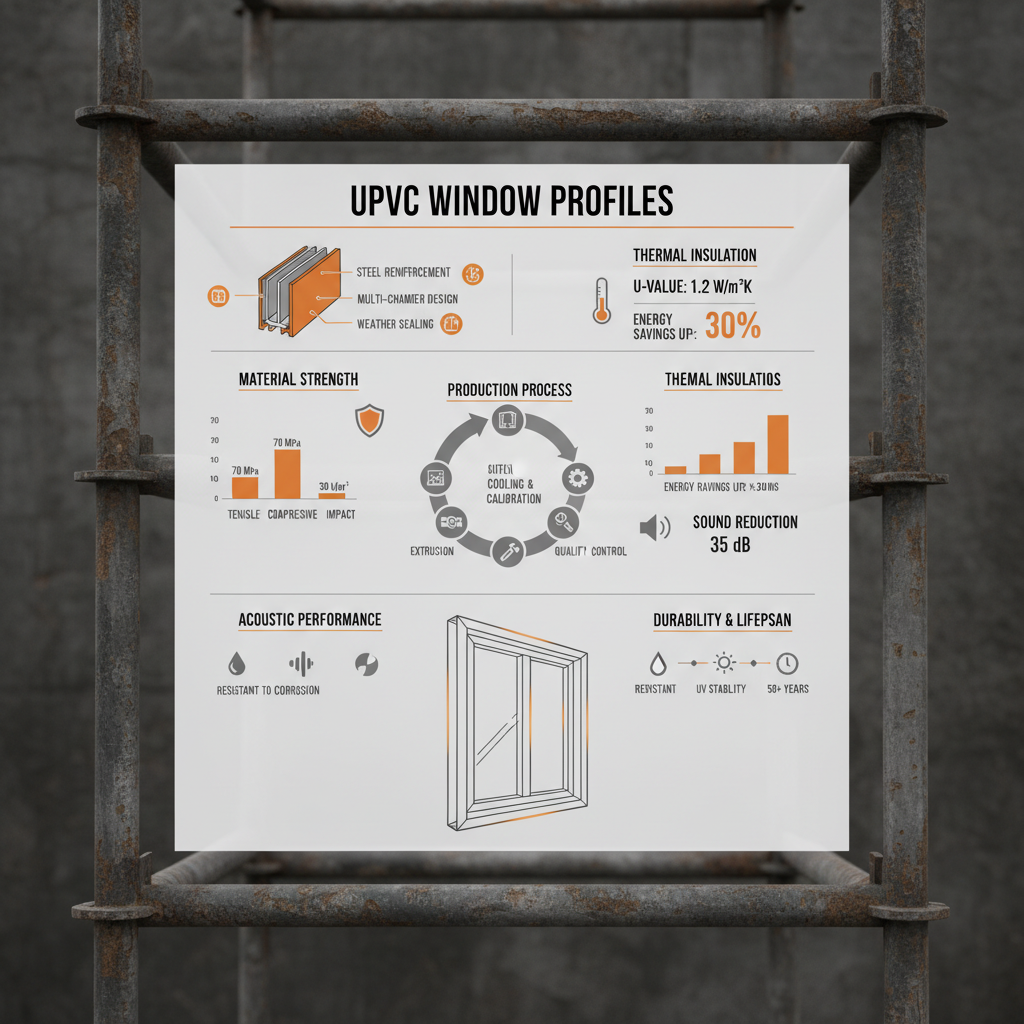
- U-Value: A measure of thermal transmittance (heat loss). Lower U-values indicate better insulation.
- Air Permeability: How much air leaks through the window. Lower values mean less draught.
- Water Tightness: The window's ability to resist water penetration.
- Security: The profile's resistance to forced entry.
- Reinforcement: Steel reinforcement within the profile adds strength and stability.
Consulting with a reputable supplier like WRK Formwork can help you navigate these technical specifications.
Technical Specifications and Industry Standards
UPVC window profiles must adhere to relevant industry standards, ensuring quality and performance. Common standards include:
- BS EN 12608: Specifies performance characteristics of UPVC profiles.
- ISO 14001: Environmental Management System standards.
- CE Marking: Indicates compliance with European safety, health, and environmental protection standards.
Choosing profiles that meet these standards guarantees a reliable and long-lasting product.
Conclusion: Investing in Quality UPVC Window Profiles
Choosing the right UPVC window profiles is a significant investment in your property. By considering factors like profile type, technical specifications, and industry standards, you can ensure optimal performance, energy efficiency, and longevity. Partnering with a trusted supplier like WRK Formwork can provide expert guidance and high-quality products for your project.
Frequently Asked Questions (FAQs)
What is the typical lifespan of UPVC window profiles?
UPVC window profiles are exceptionally durable, with a typical lifespan of 30-40 years or more. However, this can vary depending on factors like exposure to extreme weather, quality of installation, and regular maintenance. While the profile itself is long-lasting, hardware components may need replacing sooner. Proper care, such as cleaning and lubricating moving parts, can maximize the lifespan of your windows.
Are UPVC windows environmentally friendly?
Yes, UPVC windows are generally considered environmentally friendly. UPVC is recyclable, and modern manufacturing processes are becoming increasingly sustainable. Furthermore, their excellent thermal insulation properties reduce energy consumption for heating and cooling, lowering carbon emissions. Choosing profiles from manufacturers with environmental certifications, like ISO 14001, further ensures sustainability.
Can UPVC window profiles be painted?
While traditionally UPVC wasn't easily painted, advancements in paint technology now allow for painting with specialized UPVC paints. However, it's crucial to use paints specifically designed for UPVC to ensure adhesion and prevent cracking or peeling. It's generally recommended to choose coloured profiles initially to avoid the need for painting, as painting can void warranties and require ongoing maintenance.
What level of maintenance do UPVC windows require?
UPVC windows require minimal maintenance. Regular cleaning with mild soapy water is generally sufficient. Periodically check the seals and hardware for any signs of damage and lubricate moving parts as needed. Unlike wooden windows, UPVC doesn't require painting, staining, or varnishing, saving you time and money in the long run.
Latest News
-
High Quality Drywall Corner Metal Strip for Perfect Wall EdgesNewsApr.16,2026
-
Corner Metal for Drywall Guide for Perfect Professional EdgesNewsApr.09,2026
-
Comprehensive Guide to Corner Metal Drywall Installation and Material ChoicesNewsApr.07,2026
-
Comprehensive Guide to Corner Metal Bead for Durable Construction ProjectsNewsApr.04,2026
-
Comprehensive Guide to Corner Drywall Metal Installation and SelectionNewsMar.31,2026
-
Understanding Corner Bit Metal Applications and Sourcing for Robust StructuresNewsMar.28,2026