Mar . 05, 2026 02:15 Back To List
Comprehensive Guide to Window Profile Extrusion Processes and Material Selection
Understanding Window Profile Extrusion: A Comprehensive Guide
Window profile extrusion is a critical process in the construction and glazing industries, shaping the very frames that house our windows and doors. This process involves forcing a thermoplastic material – typically PVC, uPVC, or aluminum – through a die to create consistent profiles. Understanding this process is vital for architects, builders, and anyone involved in specifying or installing windows. At WRK Formwork, we specialize in high-quality formwork solutions that support precise and efficient extrusion processes. This article will delve into the details of window profile extrusion, its benefits, materials, and common applications.
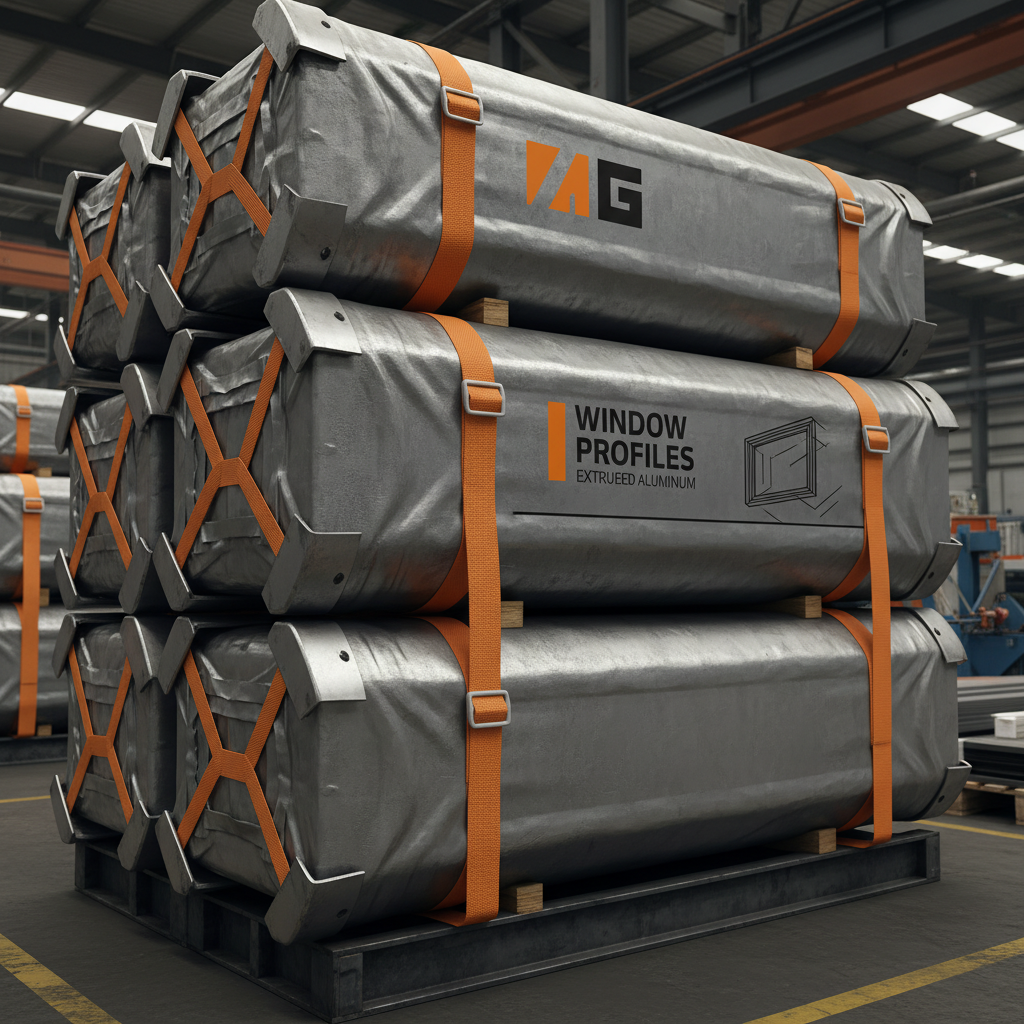
The Window Profile Extrusion Process Explained
The extrusion process itself involves several key steps. Firstly, raw material – usually in pellet form – is fed into a hopper and then into an extruder. The extruder utilizes a rotating screw to melt and homogenize the plastic. This molten material is then forced through a specifically designed die, which gives the profile its final shape. As the extruded profile emerges, it’s cooled, often using water baths, to solidify it. Finally, the profile is cut to the desired length and inspected for quality. Maintaining precise temperature control, screw speed, and die design are crucial for achieving consistent and high-quality profiles.
Key Highlights: The extrusion process relies on precise temperature control and die design for consistent profile shaping. Quality control throughout each step is vital.
Materials Used in Window Profile Extrusion
Several materials are commonly used in window profile extrusion, each with its own advantages. Polyvinyl Chloride (PVC) is a popular choice due to its cost-effectiveness, durability, and excellent thermal insulation properties. Unplasticized Polyvinyl Chloride (uPVC) is even more rigid and requires less maintenance. Aluminum profiles offer superior strength and are often used in larger windows or commercial applications. The choice of material depends on the specific requirements of the project, including climate, structural needs, and budget.
Material Comparison:
• PVC: Cost-effective, good insulation, widely used.
• uPVC: More rigid, low maintenance, durable.
• Aluminum: Strong, lightweight, suitable for large windows.
Benefits of Window Profile Extrusion
Window profile extrusion offers numerous benefits, making it the preferred method for producing window frames. It allows for the creation of complex shapes and designs with high precision. The process is highly efficient and can produce large volumes of profiles, reducing production costs. Extruded profiles are also durable and weather-resistant, ensuring long-lasting performance. Furthermore, the ability to incorporate features like thermal breaks enhances energy efficiency.
Window Profile Extrusion: PVC vs. Aluminum – A Detailed Comparison
Choosing between PVC and aluminum for window profile extrusion depends heavily on the specific application. PVC excels in thermal insulation and is more affordable, making it ideal for residential projects. Aluminum, on the other hand, offers superior strength and durability, often preferred for commercial buildings or large-span windows. Below is a detailed comparison table to help you make an informed decision:
Applications of Extruded Window Profiles
Extruded window profiles are found in a wide array of applications. Residential windows and doors are the most common, utilizing PVC or uPVC for their insulating properties. Commercial buildings often employ aluminum profiles for their strength and ability to accommodate larger glass panes. Beyond standard windows, these profiles are also used in skylights, curtain walls, and specialized window systems.
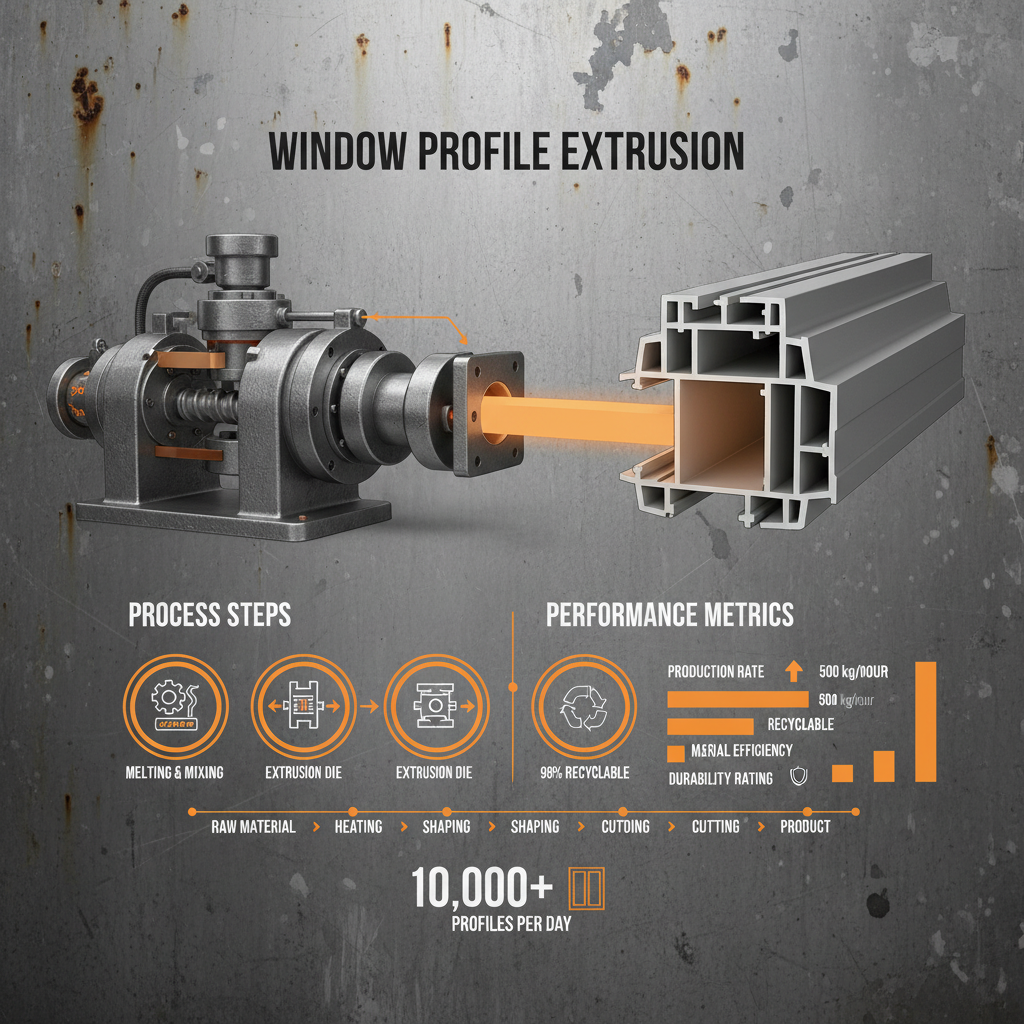
Ensuring Quality in Window Profile Extrusion
Maintaining quality throughout the window profile extrusion process is paramount. This involves rigorous material testing, precise die design, and continuous monitoring of the extrusion process. Regular inspections for dimensional accuracy, surface finish, and structural integrity are essential. At WRK Formwork, we provide robust formwork systems that contribute to the precision and consistency needed for high-quality extrusion.
Conclusion: The Importance of Precision in Window Profile Extrusion
Window profile extrusion is a vital manufacturing process that underpins the performance and durability of modern windows and doors. By understanding the intricacies of the process, the materials involved, and the importance of quality control, professionals can make informed decisions and ensure optimal results. Investing in high-quality equipment and processes, like those offered by WRK Formwork, is key to achieving lasting success.
Frequently Asked Questions (FAQs)
What are the key factors influencing the cost of window profile extrusion?
Several factors influence the cost, including the material used (PVC, uPVC, or aluminum), the complexity of the profile design, the volume of production, and energy costs. Aluminum extrusion generally costs more than PVC due to the higher material price and more energy-intensive process. Tooling costs for the die also contribute to the initial investment. Choosing a reputable extrusion partner, like one utilizing effective formwork systems, can help optimize production efficiency and control costs.
What are thermal breaks and why are they important?
Thermal breaks are low-conductive materials inserted into aluminum window profiles to reduce heat transfer. Aluminum is a highly conductive material, meaning it readily transfers heat from the outside to the inside (or vice versa). Thermal breaks create a barrier, minimizing this transfer and improving the energy efficiency of the window. They are essential for meeting building codes and reducing energy consumption.
How does WRK Formwork contribute to efficient window profile extrusion?
WRK Formwork provides high-precision formwork solutions that ensure the stability and accuracy of the extrusion dies. Our systems minimize warping and distortion, leading to consistent profile dimensions and reduced material waste. This ultimately improves the efficiency and quality of the extrusion process, saving time and money.
What quality control checks are typically performed during extrusion?
Common quality control checks include dimensional measurements to ensure the profile meets specifications, visual inspections for surface defects, and tests for strength and impact resistance. Material composition is also verified. Regular testing and adherence to industry standards are vital to ensure the reliability and performance of the extruded profiles.
Latest News
-
High Quality Drywall Corner Metal Strip for Perfect Wall EdgesNewsApr.16,2026
-
Corner Metal for Drywall Guide for Perfect Professional EdgesNewsApr.09,2026
-
Comprehensive Guide to Corner Metal Drywall Installation and Material ChoicesNewsApr.07,2026
-
Comprehensive Guide to Corner Metal Bead for Durable Construction ProjectsNewsApr.04,2026
-
Comprehensive Guide to Corner Drywall Metal Installation and SelectionNewsMar.31,2026
-
Understanding Corner Bit Metal Applications and Sourcing for Robust StructuresNewsMar.28,2026