- Phone: +86 132 8320 1810
- Email: annie@wrkgroup.ltd
-
- Afrikaans
- Albanian
- Amharic
- Arabic
- Armenian
- Azerbaijani
- Basque
- Belarusian
- Bengali
- Bosnian
- Bulgarian
- Catalan
- Cebuano
- China
- China (Taiwan)
- Corsican
- Croatian
- Czech
- Danish
- Dutch
- English
- Esperanto
- Estonian
- Finnish
- French
- Frisian
- Galician
- Georgian
- German
- Greek
- Gujarati
- Haitian Creole
- hausa
- hawaiian
- Hebrew
- Hindi
- Miao
- Indonesian
- Italian
- Japanese
- Javanese
- Malay
- Persian
- Portuguese
- Punjabi
- Russian
- Spanish
- Swahili
- Telugu
- Vietnamese

Set . 10, 2025 13:43 Torna all'elenco
Eco-Friendly Rubber Waterstops: Sustainable Alternatives
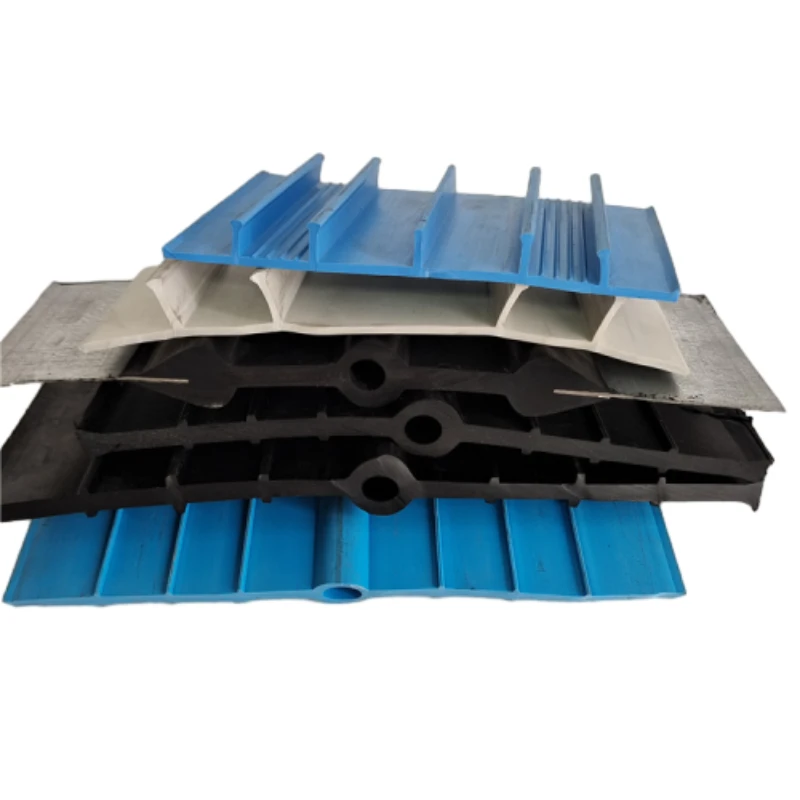
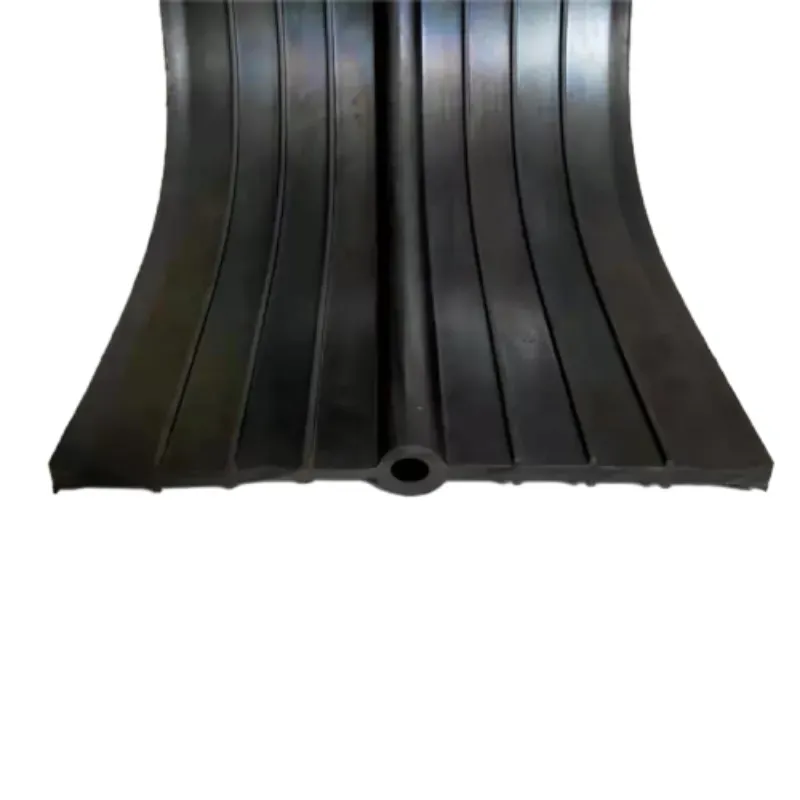
Waterstops are critical components in construction projects, particularly for structures requiring waterproofing. They are designed to prevent water from passing through the joints of concrete structures, ensuring the integrity and longevity of the building.
The Environmental Impact of Swellable Waterstop
Traditional waterstops, such as those made from rubber waterstop E Tappo per acqua in PVC, have long been the go-to materials for construction projects. However, these materials come with significant environmental drawbacks. Rubber waterstop, while effective, is derived from non-renewable resources and often involves energy-intensive manufacturing processes. Similarly, Tappo per acqua in PVC materials are known for their durability, but they can release harmful chemicals during production and disposal. The environmental impact of these traditional materials has led to a growing demand for sustainable alternatives that can provide the same level of performance without the ecological burden.
l The Need for Sustainable Solutions
As the construction industry continues to evolve, there is an increasing need for sustainable practices and materials. Traditional waterstops, particularly those made from rubber waterstop E Tappo per acqua in PVC, contribute to environmental degradation through their production processes and eventual disposal. The extraction of raw materials for rubber waterstop often involves deforestation and the use of harmful chemicals. Meanwhile, Tappo per acqua in PVC materials can release dioxins and other toxic substances when incinerated. These environmental concerns have prompted the search for eco-friendly alternatives that can meet the demands of modern construction while minimizing harm to the planet.
l The Rise of Eco-Friendly Waterstops
In response to these challenges, innovative materials such as swellable waterstop E waterstop rubber have emerged as viable alternatives. These eco-friendly waterstops are designed to provide the same level of waterproofing as traditional materials but with a significantly reduced environmental impact. Swellable waterstop, for example, is made from natural materials that expand when exposed to water, creating a tight seal that prevents water infiltration. This material is not only effective but also biodegradable, making it a more sustainable choice for construction projects. Similarly, waterstop rubber can be formulated using recycled materials, reducing the need for virgin resources and minimizing waste.
l The Benefits of Sustainable Waterstops
The shift towards eco-friendly waterstops offers numerous benefits for both the environment and construction projects. By using materials like swellable waterstop E waterstop rubber, construction companies can reduce their carbon footprint and contribute to a more sustainable future. These materials also offer practical advantages, such as improved durability and ease of installation. For example, swellable waterstop can be easily applied to joints and seams, providing a reliable seal that prevents water leakage. Additionally, the use of recycled materials in waterstop rubber helps to conserve natural resources and reduce waste, making it a more sustainable choice for modern construction projects.
Innovations in Eco-Friendly Swellable Waterstop Materiali
The development of eco-friendly waterstops has led to significant innovations in material science. Companies are now exploring new ways to create waterstops that are both effective and environmentally friendly. One of the most promising developments is the use of biodegradable materials in the production of waterstops. These materials can break down naturally over time, reducing the long-term environmental impact of construction projects.
l Biodegradable Swellable Waterstop
One of the most exciting innovations in eco-friendly waterstops is the development of biodegradable swellable waterstop. This material is designed to expand when it comes into contact with water, creating a tight seal that prevents water infiltration. Unlike traditional rubber waterstop E Tappo per acqua in PVC materials, biodegradable swellable waterstop is made from natural ingredients that can break down over time. This means that it will not contribute to long-term environmental pollution, making it a more sustainable choice for construction projects.
l Recycled Waterstop Rubber
Another innovative material in the world of eco-friendly waterstops is recycled waterstop rubber. This material is made from recycled tires and other rubber products, reducing the need for virgin materials. Recycled waterstop rubber is not only environmentally friendly but also highly durable, providing excellent waterproofing properties. By using recycled materials, construction companies can reduce their carbon footprint and contribute to a more sustainable future.
l The Future of Sustainable Waterstops
As technology continues to advance, the future of eco-friendly waterstops looks promising. Researchers are exploring new materials and manufacturing processes that can further reduce the environmental impact of waterstops. For example, the development of bio-based materials and the use of renewable energy in production processes are just a few of the innovations that could shape the future of sustainable waterstops. By continuing to invest in research and development, the construction industry can move towards a more sustainable future.
The Practical Advantages of Eco-Friendly Swellable Waterstops
While the environmental benefits of eco-friendly waterstops are clear, these materials also offer practical advantages for construction projects. By using sustainable alternatives to traditional rubber waterstop E Tappo per acqua in PVC, construction companies can improve the durability and effectiveness of their waterstops.
l Enhanced Durability
Eco-friendly waterstops, such as swellable waterstop E waterstop rubber, are designed to be highly durable. These materials can withstand the harsh conditions of construction sites and provide long-lasting protection against water infiltration. Unlike traditional rubber waterstop E Tappo per acqua in PVC materials, which can degrade over time, eco-friendly waterstops are engineered to maintain their effectiveness throughout the life of the structure.
l Ease of Installation
Another practical advantage of eco-friendly waterstops is their ease of installation. Materials like swellable waterstop can be easily applied to joints and seams, providing a reliable seal that prevents water leakage. This ease of installation can save time and labor costs, making eco-friendly waterstops a more cost-effective choice for construction projects.
l Cost-Effectiveness
While the initial cost of eco-friendly waterstops may be slightly higher than traditional materials, the long-term benefits can make them a more cost-effective choice. By reducing the environmental impact of construction projects, eco-friendly waterstops can help companies meet sustainability goals and avoid potential fines and penalties. Additionally, the durability and effectiveness of these materials can reduce the need for repairs and maintenance, saving money over the life of the structure.
FAQ:About Swellable Waterstops
What are the main differences between traditional rubber waterstop and eco-friendly waterstops?
Traditional rubber waterstop is made from non-renewable resources and often involves energy-intensive manufacturing processes. Eco-friendly waterstops, on the other hand, are made from sustainable materials such as biodegradable swellable waterstop and recycled waterstop rubber. These materials offer the same level of waterproofing as traditional rubber waterstop but with a significantly reduced environmental impact.
How do eco-friendly rubber waterstop contribute to sustainability?
Eco-friendly waterstops, such as swellable waterstop E waterstop rubber, are made from sustainable materials that reduce the environmental impact of construction projects. These materials are often biodegradable or made from recycled resources, minimizing waste and conserving natural resources. By using eco-friendly waterstops, construction companies can reduce their carbon footprint and contribute to a more sustainable future.
Are eco-friendly rubber waterstop as effective as traditional materials?
Yes, eco-friendly waterstops are designed to be just as effective as traditional materials like rubber waterstop E Tappo per acqua in PVC. Materials such as swellable waterstop E waterstop rubber are engineered to provide excellent waterproofing properties, ensuring the integrity and longevity of the structure. In fact, many eco-friendly waterstops offer enhanced durability and ease of installation, making them a superior choice for modern construction projects.
What are the practical advantages of using eco-friendly rubber waterstop?
Eco-friendly waterstops offer several practical advantages, including enhanced durability, ease of installation, and cost-effectiveness. These materials are designed to withstand harsh conditions and provide long-lasting protection against water infiltration. Additionally, the ease of installation can save time and labor costs, making eco-friendly waterstops a more cost-effective choice for construction projects.
Where can I purchase eco-friendly rubber waterstop?
Eco-friendly waterstops are available from a variety of suppliers and manufacturers. Many companies are now offering sustainable alternatives to traditional rubber waterstop E Tappo per acqua in PVC materials. To find the best products for your project, we encourage you to contact our company and place an order for our high-quality, eco-friendly waterstops. Our products are designed to meet the highest standards of sustainability and performance, making them the perfect choice for your construction needs.
We invite all wholesalers to promote our eco-friendly waterstop products and encourage everyone to order from our company. Together, we can build a more sustainable future for the construction industry.
Ultime notizie
-
High Quality Drywall Corner Metal Strip for Perfect Wall EdgesNotiziaApr.16,2026
-
Corner Metal for Drywall Guide for Perfect Professional EdgesNotiziaApr.09,2026
-
Comprehensive Guide to Corner Metal Drywall Installation and Material ChoicesNotiziaApr.07,2026
-
Comprehensive Guide to Corner Metal Bead for Durable Construction ProjectsNotiziaApr.04,2026
-
Comprehensive Guide to Corner Drywall Metal Installation and SelectionNotiziaMar.31,2026
-
Understanding Corner Bit Metal Applications and Sourcing for Robust StructuresNotiziaMar.28,2026