Nov . 29, 2025 14:50 Back To List
Essential Guide to Formwork Tie Bars for Modern Construction Projects
Understanding the Role of Formwork Tie Bars in Modern Construction
If you're dabbling in construction or structural engineering, the term formwork tie bar probably rings a bell. But for many, it remains a behind-the-scenes hero — quietly holding concrete molds in place, ensuring structures don’t bulge or collapse during the curing process. While it sounds like one of those dry technical details, its role actually touches some of the most pressing issues worldwide: building safely, sustainably, and efficiently.
In fact, as urbanization accelerates globally—UN data projects nearly 7 billion urban dwellers by 2050—steady, reliable, and reusable formwork components like tie bars are quietly propping up skylines, bridges, and infrastructure in every continent. Understanding formwork tie bars helps companies cut costs, reduce waste, and improve construction safety. Plus, with innovations pushing the boundaries, this little component is becoming anything but mundane.
The Global Importance of Formwork Tie Bars
Concrete is the most widely used construction material worldwide, with an estimated 25 billion tons produced annually. But poured concrete is only as good as the molds that hold it during curing. That’s where formwork and, crucially, formwork tie bars come in.
According to ISO standards and building safety regulations upheld widely, tie bars help resist enormous lateral pressures during concrete placement. Without them, you risk bulging, cracking, or worse—structural failure. Considering the roughly $10 trillion global infrastructure investment predicted annually by the World Bank over the next decade, small components like tie bars carry outsized responsibility.
One pressing challenge is reducing material waste and improving turnaround times for formwork systems—key to sustainable infrastructure development. Tie bars that offer strength, reusability, and easy installation tackle this head-on.
What Is a Formwork Tie Bar?
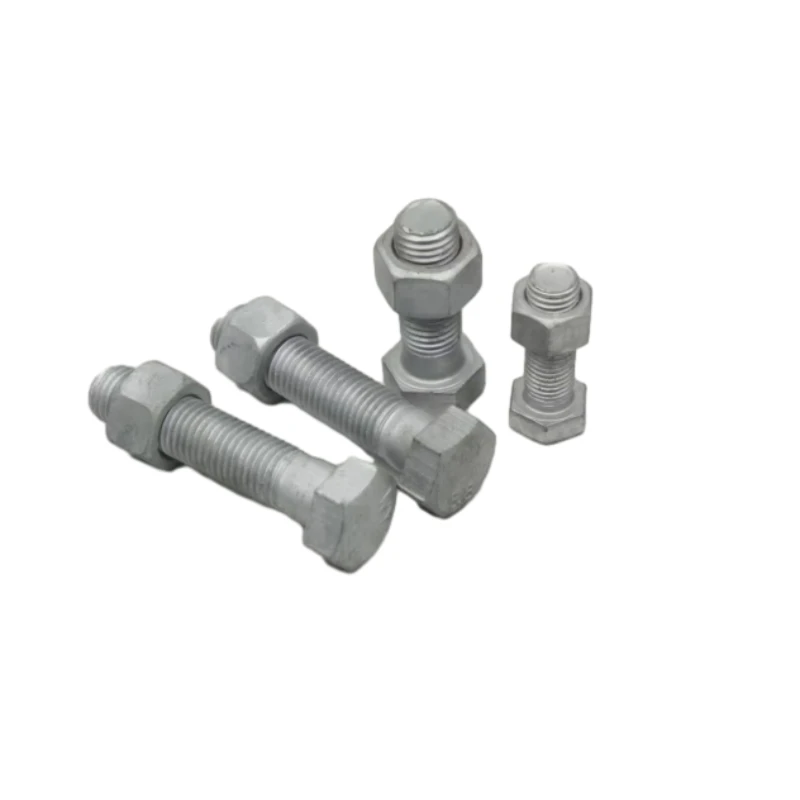
Simply put, a formwork tie bar is a steel rod or bar used to hold opposite sides of a concrete formwork panel together during the curing process. These bars run through the formwork panels, tying them together tightly so the heavy wet concrete doesn’t push the sides apart.
Without tie bars, forms would bow or break under pressure, compromising structural integrity. They’re often paired with tie nuts and washers, anchoring the setup securely but also allowing timely removal and reuse.
Oddly enough, while they’re just a few centimeters thick, these seemingly humble rods touch everything from high-rise buildings to rapid post-disaster reconstruction shelters. NGOs, industrial contractors, and large construction firms rely heavily on robust tie bar solutions to maintain safety, efficiency, and quality.
Core Features that Make a Tie Bar Effective
1. Durability & Strength
Formwork tie bars must withstand the hydraulic pressure of freshly poured concrete, which can be surprisingly high—up to several tons per square meter. Typically made from high-grade carbon steel, manufacturers often treat or coat bars to resist corrosion, especially in humid or marine environments.
2. Scalability & Flexibility
Since construction projects vary vastly in size, tie bars come in multiple lengths and thicknesses. Their ability to adapt to different panel spacings and formwork systems makes them indispensable across both residential and industrial-scale works.
3. Cost-Effectiveness
Reusability is huge here. Good formwork tie bars cut expenses by being durable and easy to clean after usage. Investing in reliable bars prevents costly delays due to replacement or safety hazards arising from broken forms.
4. Ease of Installation & Removal
Time is money, right? Ease of fitting and uninstalling tie bars reduces labor costs and speeds up site operations, critical in projects operating on tight timelines.
5. Compatibility with Various Formwork Systems
Some tie bars are designed to work with specific panel types or tie rod dimensions, while universal designs maximize interchangeability. Choosing the right system impacts overall efficiency.
6. Environmental Resistance
Given global efforts towards sustainability, many tie bars now incorporate coatings or alternative alloys to prevent rust, ensuring longer life cycles and less waste — a small but meaningful step toward green construction.
Mini takeaway: Understanding these core characteristics can guide engineers and procurement teams toward safer, more economical builds — all while reducing material waste and supporting ambitious urban infrastructure goals.
Global Applications & Real-World Use Cases
Let’s be honest, formwork tie bars aren’t headline-grabbers, but they matter profoundly across regions and industries.
- In Southeast Asia's booming urban centers, where high-rise residential complexes rise rapidly, tie bars are key to quick, reusable formwork cycles that save time and money.
- Post-disaster relief efforts rely on modular formworks tied securely with strong bars, enabling fast yet safe construction of temporary shelters or vital infrastructure.
- In remote mining camps and industrial zones, where material transport is costly, long-lasting tie bars lower the frequency of replacement and ease maintenance.
- Large infrastructure projects like bridges and tunnels across Europe use precision-engineered tie bars aligned with ISO 9001 quality standards to ensure safety and compliance.
For those curious about integrating these components into your projects, see our link on formwork tie bar solutions that fit a broad range of needs.
Typical Product Specification Table of Formwork Tie Bars
| Specification | Details |
|---|---|
| Material | High tensile carbon steel (Grade 60, 420 MPa yield strength) |
| Length Range | 300 mm to 2000 mm (custom lengths available) |
| Diameter | 12 mm, 16 mm, 20 mm common sizes |
| Coating | Epoxy painted or galvanized options available |
| Tensile Strength | Up to 600 MPa |
| Compliance | ISO 6935, ASTM A615 standards |
Vendor Comparison: Choosing the Right Supplier
| Feature | WRK Formwork | SteelTies Inc. | ConcretePride |
|---|---|---|---|
| Material Quality | Grade 60 steel, corrosion resistant | Grade 50, standard carbon steel | Grade 55, with epoxy coating |
| Custom Lengths | Available on request | Limited sizes only | Available above 1000 units |
| Delivery Time | 5–7 business days | 7–10 business days | 10+ days, depending on quantity |
| Price per Unit (Approx.) | $4.50 | $4.00 | $5.00 |
| After-Sales Support | 24/7 support & onsite consultation | Email support only | Phone support during business hours |
Advantages and Long-Term Value of Using Quality Formwork Tie Bars
Using well-designed, premium formwork tie bars isn’t just about “making concrete stay in place.” The value runs deeper:
- Cost savings: Durable bars reduce replacements and rework.
- Safety: Preventing failures avoids accidents onsite.
- Eco-friendliness: Reusable components cut waste and lower embodied carbon.
- Project speed: Quick installation shortens timelines, vital for fast-paced infrastructure.
- Social impact: Reliable formwork enables timely delivery of housing and essential facilities, especially in developing regions.
There’s a satisfying kind of trust that comes with using parts known to perform reliably. It frees up engineers and builders to focus on creative, bigger challenges.
Looking Ahead: Future Trends and Innovations
In recent years, there has been talk in the industry about smart formwork systems—embedding sensors to monitor strain on tie bars, enabling real-time risk management. Likewise, eco-conscious brands explore advanced composite materials or galvanized steel to enhance longevity and reduce environmental footprint.
Automation and modular construction methods also elevate the demands on tie bars for precision and versatility. Coupled with digital supply chains, the next decade promises greater customization, traceability, and performance.
Common Challenges and Possible Solutions
Formwork tie bars face issues like:
- Corrosion leading to reduced strength and shortened life.
- Compatibility problems across varied formwork brands and panels.
- Incorrect sizing on-site causing delays or structural risks.
Many manufacturers now offer coated or galvanized bars along with tailored consultancy services to specify the right product for your project. On-site training and standards compliance checks are increasingly common to ensure optimal results.
FAQ: Frequently Asked Questions About Formwork Tie Bars
Q1: How do I select the right length and diameter for a formwork tie bar?
A1: Selection depends on the form panel thickness and the expected concrete pressure. Most manufacturers provide guidelines or custom consultation, but typically bars range from 12 mm to 20 mm in diameter, and lengths from 300 to 2000 mm. Ensure compliance with local building codes and formwork system manufacturer recommendations.
Q2: Can formwork tie bars be reused safely, and how many cycles do they usually last?
A2: Yes, with proper cleaning and inspection after each use, high-quality tie bars can be reused dozens of times. Corrosion and mechanical damage reduce lifespan, so regular checks are vital. Investing in durable coatings or galvanized options extends cycles.
Q3: Are coated tie bars worth the extra cost?
A3: In humid or corrosive environments, coating adds value by preventing rust, which can compromise strength and safety. While upfront cost might be higher, long-term savings on replacement and downtime justify the expense, especially for large or long-term projects.
Q4: How do I ensure compatibility between tie bars and my existing formwork panels?
A4: Match the tie bar diameter and threading with your formwork system specs. Consulting product datasheets or contacting manufacturers, like via our formwork tie bar support, helps avoid mismatches that cause delays.
Q5: Can tie bars be sourced sustainably?
A5: Yes, many suppliers now use recycled steel and eco-friendly coatings. Plus, high durability means fewer replacements, reducing waste. Choosing suppliers aligned with ISO 14001 environmental standards supports sustainability goals.
Conclusion
Formwork tie bars might seem like small pieces in the mess of building infrastructure, but dig a little deeper and you find a linchpin in global construction safety, efficiency, and sustainability. Their role in strengthening formwork, reducing waste, and accelerating project delivery will only grow as urbanization and green building demands intensify worldwide.
If you’re looking to upgrade your formwork systems, or just curious about reliable sources and innovations in the tie bar market, I’d encourage checking out WRK Formwork’s offerings — often praised for quality, customization, and expert support.
After all, solid foundations start with small but mighty details.
References:
Latest News
-
Adjustable U Jack: Essential Guide to Specifications, Applications & VendorsNewsDec.03,2025
-
Adjustable U Head Jack: Essential Guide to Benefits, Specs & Global UseNewsDec.03,2025
-
What Is an Adjustable U Head? Benefits, Uses & Supplier Comparison in ConstructionNewsDec.03,2025
-
Steel Joint Connector Nut: Essential Fastening Solutions for Modern InfrastructureNewsDec.02,2025
-
Nut Connector: Key Roles, Applications & Innovations in Modern IndustryNewsDec.02,2025
-
Nut Adaptor: A Key Component Bridging Industry Standards and Enhancing Assembly EfficiencyNewsDec.02,2025