Jan . 05, 2026 06:45 Back To List
Reliable Propeller Nuts for Industrial & Marine Use | Key Specs & Vendors
Understanding the Propeller Nut: A Small Part with Big Impact
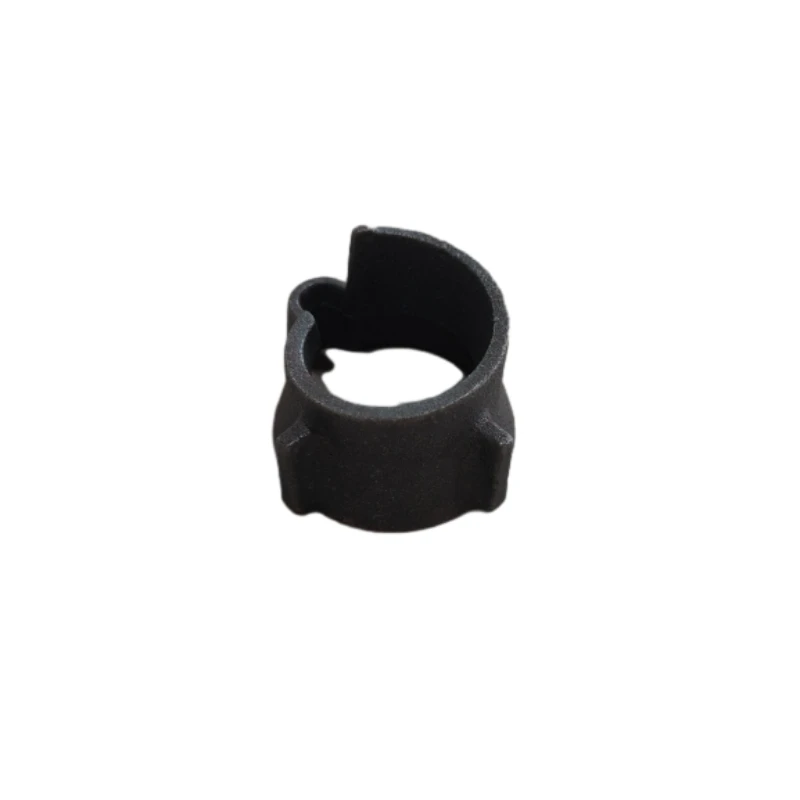
If you’ve spent any time around heavy machinery or marine equipment — like I have — you’d know that sometimes, it’s the smallest components that make or break the whole operation. One such part is the propeller nut. At first glance, it’s easy to overlook this humble fastener, but frankly, it deserves attention, especially if you’re in industrial equipment or marine settings.
From years of working in industrial applications, I can tell you the propeller nut acts as a crucial locking mechanism that ensures propellers stay securely attached to shafts, resisting the relentless torque and vibrations that come from engines running full throttle. If you’ve ever had a loose propeller on a pump or marine vessel, you know it’s not just annoying— it can cause costly downtime and even pose safety hazards.
So what makes a good propeller nut? For starters, material quality. Most durable propeller nuts are crafted from stainless steel, brass, or high-grade alloys — all chosen to resist corrosion, especially when exposed to water or harsh chemicals. I remember a client who insisted on upgrading to stainless steel prop nut variants after encountering rust issues, and that small change saved them months of maintenance headaches.
Design-wise, many propeller nuts incorporate serrations or locking features that grip the shaft thread firmly. This prevents any loosening during operation, reducing the need for frequent tightening — a big plus when machinery runs non-stop. Oddly enough, some manufacturers add nylon inserts or come with split pins for an extra layer of security.
Testing standards vary across regions, but the reputable vendors rigorously test these nuts under high torque and salt spray conditions, simulating real-world environments. In my experience, a propeller nut that passes these tests can last years without failure, which frankly, is what every engineer wants — reliability without the fuss.
Customization is also a growing trend. With complex equipment designs, sometimes you’ll need a propeller nut sized or shaped just right. I’ve seen custom-machined nuts tailored for unique shaft diameters — it might cost a bit more, but the fit and longevity justify the expense.
| Specification | Details |
|---|---|
| Material | Stainless steel (AISI 316), Brass, Alloy steel |
| Thread Size | M12 – M36 (varies by application) |
| Surface Treatment | Polished, Zinc plated or Passivated |
| Locking Mechanism | Serrations, Nylon lock insert, Split pin |
| Corrosion Resistance | Excellent in marine & chemical environments |
Now, if you’re shopping around, you’ll notice there’s a fair bit of variation between vendors. Here’s an overview that compares three popular suppliers I’ve worked with. It’s no secret that price and lead times factor heavily, but so do quality standards and customer service — which often make all the difference when replacing parts under tight schedules.
| Vendor | Material Quality | Price Range | Lead Time | Notes |
|---|---|---|---|---|
| Vendor A | High grade stainless steel | $$$ | 2-3 weeks | Excellent customer support |
| Vendor B | Standard stainless steel | $$ | 1-2 weeks | Bulk order discounts available |
| Vendor C | Brass and alloy options | $ | 3-4 weeks | Good for low-budget projects |
Speaking from field experience, I’d advise balancing quality with cost, especially if machinery reliability is critical. Sometimes it’s worth paying a bit extra upfront to avoid emergency repairs down the line. I recall one offshore project where a corroded nut caused a marine pump failure, bringing operations to a halt. Switching to superior propeller nuts eliminated that risk going forward.
In the end, the propeller nut is more than just a simple fastener; it’s a linchpin in the mechanical harmony of many industrial systems. Keep an eye on its specs, materials, and your supplier choices — because in real terms, these small decisions keep the bigger machines running smoothly.
If you want to dive deeper into quality propeller nuts and other fastening solutions, take a look at this resource. It’s helped me over the years to find products that work, consistently.
Just a small component, but one that carries a lot of responsibility – that’s the propeller nut for you.
References:
1. Machinery Lubrication Institute, “Fastening Components in Industrial Equipment”
2. ASTM International, standards for stainless steel fasteners
3. Marine Engineering Review, “Corrosion Resistance in Propeller Components,” 2022
Latest News
-
High Quality Drywall Corner Metal Strip for Perfect Wall EdgesNewsApr.16,2026
-
Corner Metal for Drywall Guide for Perfect Professional EdgesNewsApr.09,2026
-
Comprehensive Guide to Corner Metal Drywall Installation and Material ChoicesNewsApr.07,2026
-
Comprehensive Guide to Corner Metal Bead for Durable Construction ProjectsNewsApr.04,2026
-
Comprehensive Guide to Corner Drywall Metal Installation and SelectionNewsMar.31,2026
-
Understanding Corner Bit Metal Applications and Sourcing for Robust StructuresNewsMar.28,2026