Nov . 29, 2025 03:35 Back To List
Anchor Nut for Tie Rod – Durable Fastening Solutions for Modern Construction
Anchor Nut for Tie Rod: A Small Component with Global Impact
Think about the sturdy frameworks that hold skyscrapers, bridges, and tunnels in place — all of them rely on millions of small, often unseen parts. Among these, the anchor nut for tie rod plays a quiet but pivotal role. It’s a specialized fastening component that engineers trust for its strength and reliability, especially in concrete formwork and heavy construction.
Why does it matter? On a global scale, building safely and efficiently isn’t just about aesthetics or speed. It’s about saving lives, preserving infrastructure, and optimizing costs. Understanding how an anchor nut for tie rod functions can improve construction quality, reduce failures, and drive innovation across industries. And while it might sound niche, this key element ties into broader themes: global urbanization, infrastructure development, and even disaster resilience.
The Worldwide Relevance of Anchor Nuts for Tie Rods
Worldwide construction investment is booming. The World Bank estimates over $7.9 trillion will flow into infrastructure projects globally by 2030. Urban populations are expected to swell, demanding taller buildings and resilient bridges. Enter the anchor nut for tie rod — it’s often the unsung hero handling extreme stress forces inside concrete molds during casting. According to ISO 898-2 standards, standardized fasteners ensure safety and interoperability in global supply chains, where these nuts must perform flawlessly under pressure.
However, the challenge is balancing economy with quality in fasteners. Poor performance can lead to minor cracks or catastrophic failures. That’s why understanding and selecting the right anchor nut for tie rod isn’t trivial — it’s a critical decision for engineers and procurement managers alike.
What Is an Anchor Nut for Tie Rod?
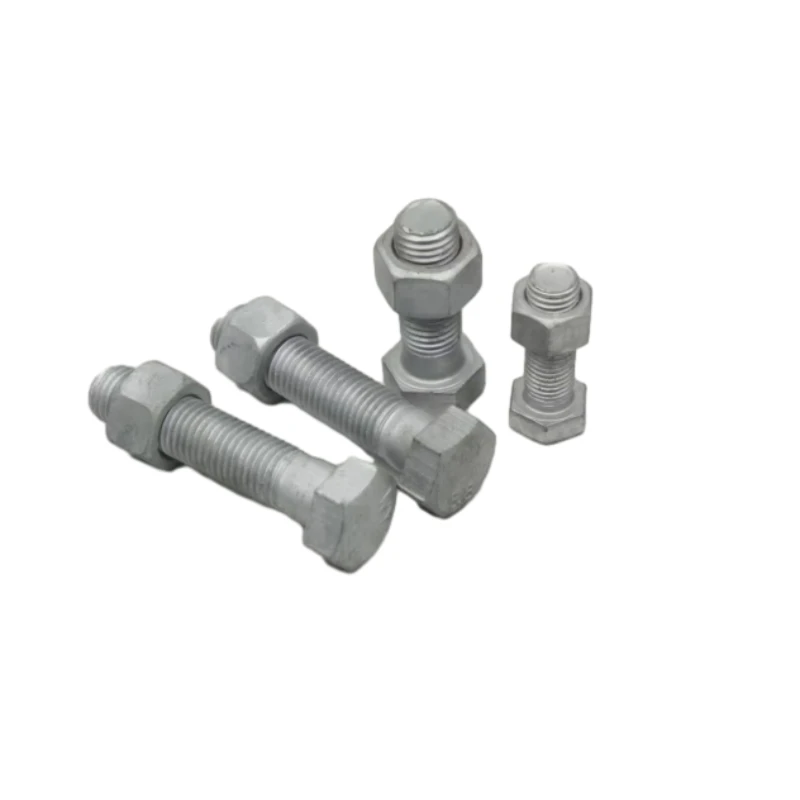
Simply put, an anchor nut for tie rod is a heavy-duty nut designed to fit on a tie rod, which acts as a tensioning rod that holds formwork together for concrete casting. Unlike traditional nuts, anchor nuts are specially made to remain embedded or anchored within forms, providing a fixed point of attachment during concrete setting.
In modern terms, these nuts enable large construction projects to build forms quickly and safely, often in challenging environments, ranging from skyscrapers in New York to post-disaster relief rebuilds in Southeast Asia. They’re part of a bigger picture where speed, safety, and sustainability converge.
Key Attributes That Define Anchor Nuts for Tie Rod
Durability and Material Composition
Most anchor nuts are made from high-grade steel, often galvanized or coated for corrosion resistance. This is crucial because they’re often exposed to moisture during concrete pouring and curing. The durability ensures they don’t rust or fail prematurely, which could compromise structural integrity.
Precision Engineering and Thread Compatibility
Thread design must exactly match the tie rods’ threading (usually coarse threads conforming to standards like DIN or ASTM). Engineers stress-verify these threads to prevent slippage under heavy loads, and quality control often includes torque testing to guarantee safety margins.
Cost Efficiency and Scalability
Though seemingly mundane, the cost difference between a well-made anchor nut and a generic one might be just a few cents—but multiplied over thousands of units, it impacts budgets heavily. Plus, efficient production scales well for large projects without sacrificing quality.
Ease of Installation and Removal
Installation speed affects project timelines. Anchor nuts should accommodate quick locking and unlocking, sometimes using specialized wrenches. Some modern designs enhance ergonomics to reduce worker fatigue, which is a small thing but adds up on long projects.
Environmental Sustainability
Interestingly, newer manufacturers are exploring galvanized coatings that reduce toxic elements and create recyclable fasteners, reflecting a broader push for sustainable construction materials.
Seeing Anchor Nuts at Work: Real-World Applications
The heavy lifting these nuts do becomes evident in many scenarios:
- Urban Construction Giants: High-rise buildings in Shanghai or Dubai require thousands of formwork fasteners. Anchor nuts ensure tie rods remain perfectly tensioned during concrete setting, critical for safety.
- Disaster Recovery Efforts: NGOs rebuilding after earthquakes or hurricanes use modular formwork systems with trusted anchor nuts to rapidly erect shelters and infrastructure.
- Remote Industrial Sites: Mining or hydroelectric projects depend on robust formwork components due to harsh weather and limited access to replacement parts.
For example, a recent case from a Southeast Asian water treatment plant highlighted how switching to higher-grade anchor nuts reduced downtime by 15% and avoided costly structural repairs.
The Tangible Benefits of Using Quality Anchor Nuts
In real terms, here’s what good anchor nuts bring to the table:
- Cost Savings: Less failure means fewer repairs, and improved fabrication speed saves labor.
- Safety: Reliable fastening reduces structural risks, protecting workers and end-users.
- Sustainability: Durable, recyclable nuts limit material waste and environmental footprint.
- Trust & Innovation: Using proven components fosters confidence in project timelines and encourages adoption of newer, more efficient materials.
Technical Specifications: A Closer Look at a Typical Anchor Nut
| Specification | Details |
|---|---|
| Material | High-Strength Carbon Steel, Galvanized |
| Thread Size | M20 (or Custom per Request) |
| Torque Rating | 320 Nm (Typical max) |
| Coating | Hot-Dip Galvanized, RoHS Compliant |
| Weight | ~0.4 kg per unit |
Comparing Leading Vendors of Anchor Nuts for Tie Rod
| Vendor | Material Quality | Price per Unit (USD) | Lead Time | Sustainability Initiatives |
|---|---|---|---|---|
| SteelFix Co. | High tensile galvanized steel | $3.50 | 2 weeks | Eco-friendly coating programs |
| FormTech Ltd. | Medium grade steel, galvanized | $2.90 | 1 week | Limited recycling initiatives |
| HeavyBolt Industries | Ultra high strength steel, hot-dip galvanized | $4.20 | 3 weeks | Full lifecycle recyclable products |
Looking Ahead: Innovations on the Horizon
Engineering advancements are quite exciting here. For instance, combining high-strength alloys with anti-corrosive nano-coatings could significantly extend the life of anchor nuts, even underwater or in salt-heavy environments. Automation in manufacturing now allows for tighter tolerances and traceability — you can practically track a nut’s origin and batch like a pedigree.
Moreover, some manufacturers are experimenting with smart fasteners featuring embedded sensors. Imagine instantly knowing if a tie rod anchor nut loosens or incurs damage mid-project. This digital transformation could revolutionize quality control.
Beyond tech, policy shifts toward sustainability mean fastener producers face growing pressure to minimize carbon footprints. The use of recycled steel or alternative materials might soon become standard rather than special features. (“It feels like the pressure to 'green' everything is just picking up speed,” many in the industry say.)
Challenges & How Industry Experts Address Them
It’s not all smooth sailing, though. Common problems include occasional corrosion when improper coatings are used, delays caused by mismatched thread sizes, and difficulties sourcing reliable suppliers in remote regions.
Experts suggest a few solutions:
- Strict adherence to international standards (ISO 10684 for galvanizing, for example).
- Investing in training for installation crews to minimize over-torquing or incorrect use.
- Developing localized supply chains to avoid delays and reduce carbon emissions from transportation.
Also, modern GIS and procurement platforms help project managers predict and manage stock needs better, avoiding shutdowns mid-build.
FAQs: What People Often Ask About Anchor Nuts for Tie Rod
Q1: Can anchor nuts for tie rods be reused after concrete removal?
A1: Generally, anchor nuts can be reused if they remain undamaged and corrosion-free. However, many contractors prefer single-use to guarantee integrity and safety, especially on high-risk projects.
Q2: How do I choose the right thread size for my tie rod system?
A2: The thread size must match the tie rod and comply with project specs. M20 and M24 are common, but always check formwork manufacturer recommendations or engineering blueprints.
Q3: What are common causes of failure in anchor nuts?
A3: Failures often stem from corrosion, thread stripping due to incorrect torque, and using substandard materials. Proper selection and maintenance prevent most issues.
Q4: Are there eco-friendly options for anchor nuts?
A4: Yes, many vendors now offer nuts with no toxic coatings and made from recycled steel. This aligns with green building certifications like LEED.
Q5: How can I import anchor nuts internationally for my project?
A5: Work with experienced suppliers who handle customs paperwork. It’s vital to ensure ISO certifications and compliance with local import regulations to avoid delays.
Final Thoughts: Why Anchor Nuts for Tie Rods Deserve Your Attention
It might seem like a tiny bolt in the grand machine, but an anchor nut for tie rod carries large responsibilities. The right choice here influences safety, speed, cost-efficiency, and sustainability — qualities essential for modern construction and engineering success worldwide. So, next time you walk a bridge or enter a high-rise, spare a thought for these quiet components holding it all together.
Interested in superior formwork components? Visit our website for more information and product details: anchor nut for tie rod.
Mini takeaway: Anchor nuts for tie rods may be small, but their influence on construction safety and efficiency is outsized. Quality, material science, and innovation make them key players in global infrastructure progress.
References
Latest News
-
Adjustable U Jack: Essential Guide to Specifications, Applications & VendorsNewsDec.03,2025
-
Adjustable U Head Jack: Essential Guide to Benefits, Specs & Global UseNewsDec.03,2025
-
What Is an Adjustable U Head? Benefits, Uses & Supplier Comparison in ConstructionNewsDec.03,2025
-
Steel Joint Connector Nut: Essential Fastening Solutions for Modern InfrastructureNewsDec.02,2025
-
Nut Connector: Key Roles, Applications & Innovations in Modern IndustryNewsDec.02,2025
-
Nut Adaptor: A Key Component Bridging Industry Standards and Enhancing Assembly EfficiencyNewsDec.02,2025