Dec . 01, 2025 20:00 Back To List
Comprehensive Guide to Tie Rods for Concrete Formwork | Construction Essentials
Understanding Tie Rods for Concrete Formwork: Why They Matter World-Wide
At first glance, tie rods for concrete formwork might seem like just another piece of construction jargon — but they’re actually a critical element in modern building projects across the globe. These slender steel rods hold the formwork (the molds that shape concrete) firmly in place during pouring and curing. Without them, the concrete wouldn't hold its desired shape or structural integrity. Think of them as the unsung heroes in the complex dance of concrete buildings, bridges, and infrastructure.
Why care about this? Well, the world currently faces a construction surge—urbanization, disaster recovery efforts, and massive infrastructure projects. Effective use of tie rods ensures safety, longevity, and cost-efficiency. Plus, understanding them helps engineers, contractors, and even humanitarian organizations make smarter choices, delivering better results under tight schedules and budgets.
Mini takeaway: Tie rods might be small parts, but they play outsized roles in building the world around us — safely, affordably, and resiliently.
The Global Stage: Why Tie Rods for Concrete Formwork Take Center Stage
Concrete construction is projected to expand at nearly 5% annually worldwide, driven by megacities in Asia, Africa, and Latin America. According to the World Bank and UN Habitat reports, urban populations are expected to double by 2050, triggering unprecedented infrastructure demand.
Yet, with this growth comes challenges: faster timelines, budget constraints, and the need for sustainability. Tie rods for concrete formwork offer a neat solution to some of these pressing industry pains. They ensure the formwork holds tight during concrete placement, preventing costly blowouts and failures that can delay projects or, worse, lead to disasters.
In humanitarian scenarios—post-earthquake rebuilding or temporary shelters—these rods allow quick, sturdy construction that can be dismantled or relocated. So, beyond skyscrapers and highways, tie rods play a quiet but vital role in safe housing and community resilience.
Mini takeaway: Tie rods support not only structures but global development goals, uniting urban growth and humanitarian needs.
What Exactly Are Tie Rods for Concrete Formwork?
Simply put, tie rods for concrete formwork are steel rods inserted through the formwork panels to resist the lateral pressure of wet concrete. Picture these rods as tension members pulling opposite walls together, so the molds don’t bulge or fail under heavy loads during pouring.
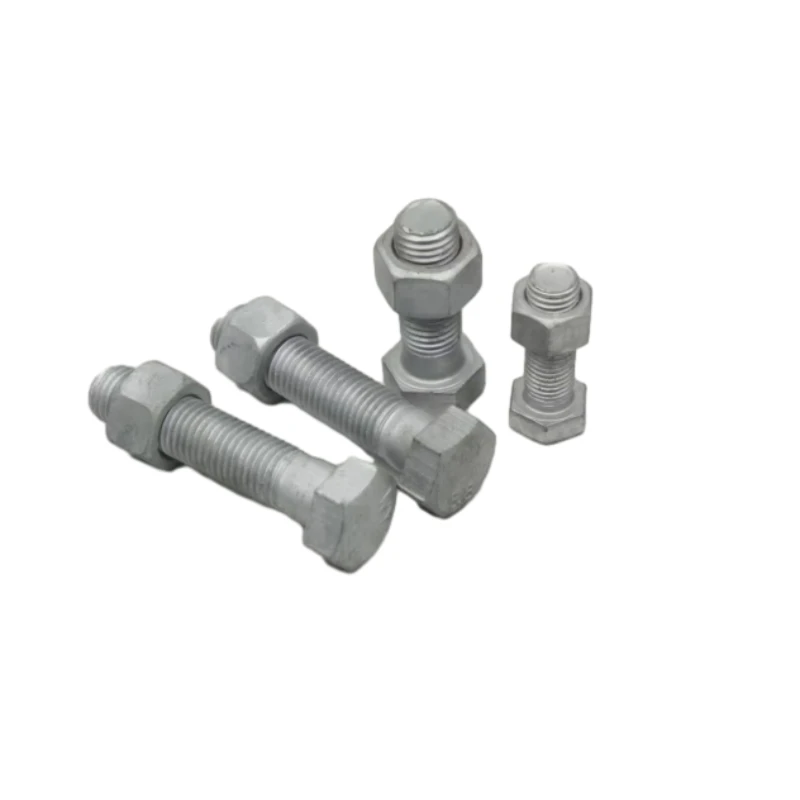
They come in various diameters, lengths, and coatings—plain steel, galvanized, epoxy-coated—to adapt to the project’s durability demands. The rods are usually coupled with nuts and washers to tighten them securely, and sometimes spacers to maintain precise panel dimensions.
In modern construction, the use of tie rods has evolved with technology—better steel grades, corrosion resistance, and modular formwork systems are making concrete building safer, faster, and more eco-conscious.
tie rods for concrete formwork help create structures that last decades and withstand environmental stresses, setting the foundation not only for engineering marvels but also for safe community shelters and sustainable housing solutions.
Key Features of Tie Rods That Make Them Indispensable
Durability
The steel and coating quality determine longevity. Many tie rods use hot-dip galvanized steel or epoxy coatings that resist rust—critical when concrete traps moisture for years. Builders often select rods certified to ISO standards for corrosion resistance.
Load Capacity & Strength
Tie rods must handle the tremendous lateral force from tons of wet concrete. Typically ranging from 12mm to 25mm diameter, their tensile strength can exceed 400 MPa, depending on the grade. Overdesign is avoided to save cost and weight.
Reusability
Good quality rods can be reused multiple times, especially in system formworks. This drops overall project costs and reduces waste, fitting well with sustainability efforts.
Compatibility
The rods need to fit universally across formwork panels, which vary by manufacturer and project. Standard thread patterns and lengths help avoid logistics headaches on site.
Cost Efficiency
While high-grade rods cost more up front, their performance can prevent costly accidents or delays. Plus, their reusability and low maintenance create long-term savings.
Mini takeaway: Choose tie rods not just for their steel, but for how that steel fits your project’s durability, strength, and budget needs.
Global Applications: From Urban Giants to Post-Disaster Zones
Whether building soaring skyscrapers in Shanghai or emergency shelters in Nepal, tie rods for concrete formwork are everywhere:
- Asia: Urban infrastructure, such as metro stations and bridges, often rely on robust tie rod systems to meet tight construction schedules.
- Africa: In rural clinics or schools built with limited resources, durable tie rods reduce formwork failures and speed construction.
- Latin America: Post-hurricane rebuilds in the Caribbean demand quick setup and teardown—reusable tie rods shine.
For industrial zones, heavy infrastructure must meet tricky specs for stress resistance. Tie rods enable tight, secure mold forms for thick, load-bearing concrete.
Oddly enough, even floating concrete platforms and water reservoirs use special tie rods with waterproof coatings.
Mini takeaway: From the hyper-urban to the remote, tie rods flex their utility across industries and environments, quietly shaping a safer, sustainable future.
Product Specifications of Typical Tie Rods for Concrete Formwork
| Specification | Details |
|---|---|
| Material | High-strength carbon steel (with hot-dip galvanization / epoxy coating) |
| Diameter Range | 12mm – 25mm |
| Length Range | 1.0m – 6.0m (custom lengths available) |
| Tensile Strength | 400 MPa minimum |
| Threading | Standard metric threads (M16, M20) |
| Coatings Available | Hot-dip galvanized, epoxy, plain steel |
| Reusability | Up to 20 cycles (with proper handling) |
Vendor Comparison: Choosing the Right Tie Rod Supplier
| Vendor | Material Quality | Custom Lengths | Coating Options | Delivery Time | Price Competitiveness |
|---|---|---|---|---|---|
| GlobalSteel Co. | Excellent | Yes | Galvanized, Epoxy | 3 weeks | Mid-range |
| FormFast Supplies | Good | Limited sizes | Epoxy only | 1 week | Competitive |
| BuildSafe Inc. | Very Good | Yes | Plain steel, Galvanized | 2 weeks | Higher-end |
The Long Game: Advantages & Lasting Value of Tie Rods
From a cost perspective, many engineers swear by quality tie rods because the initial investment slashes rework, accidents, and delays. Environmentally, reusable rods reduce steel waste and lower the carbon footprint tied to manufacturing extra parts.
Socially, proper formwork reinforced by durable tie rods protects workers from accidents and produces stronger buildings—meaning safer communities, resilient infrastructure, and less humanitarian strain over rebuilds.
There’s an emotional element here too. Knowing the structure you live or work in was built with solid, tested components creates trust. Innovation in this tiny component exemplifies how small details matter in the bigger picture.
Mini takeaway: Tie rods deliver more than just mechanical function—they offer safety, sustainability, and peace of mind.
Looking Ahead: Innovations Shaping the Future of Tie Rods
In recent years, a quiet revolution has been brewing with tie rods. Smart materials like fiber-reinforced polymer (FRP) rods are emerging, offering superior corrosion resistance and lighter weight. Digital tracking of rod batches using RFID tags helps quality control in large projects.
Automation in formwork assembly means tie rod installation is becoming faster and less labor-intensive. Alongside rising green building standards (LEED, BREEAM), suppliers are designing tie rods with recycled steel and eco-friendly coatings.
We’re also seeing modular formwork systems integrating tie rods to minimize waste and speed construction — crucial in disaster relief and rapidly urbanizing areas. It’s a bit like the humble tie rod is stepping quietly into the 21st century.
Challenges & Thoughtful Solutions
Issues? Sure, there are some. Corrosion remains a problem in harsh environments, especially when lower-grade materials are used or coatings chipped. On-site damage or improper installation can lead to formwork failure.
How do pros address these? Better training for crews, improved material testing per ISO 15835 standards, and investment in premium coated rods reduce risks. For humanitarian projects, compact kits with pre-measured rods simplify deployment, lowering user error.
Some contractors now use reusable plastic spacers instead of wood or steel, ensuring consistent dimensions without wear. It all adds up to smarter, safer job sites—and less rework frustration.
FAQ: Your Tie Rod Questions Answered
- Q: How do I select the right diameter tie rod for my project?
- A: Generally, your rod diameter depends on the pressure of the concrete mix and the formwork span. For residential projects, 16mm rods are common, whereas large infrastructure might need 20-25mm. Always coordinate with your structural engineer.
- Q: Can tie rods be reused indefinitely?
- A: No, but good-quality rods can be reused up to 20 times if handled carefully and inspected regularly for corrosion or threading damage.
- Q: Are galvanized tie rods better than plain steel ones?
- A: Yes, the galvanization layer protects steel from rust and extends the rod’s lifespan, especially in humid or marine environments.
- Q: How do tie rods help in disaster relief construction?
- A: Their reusability and ease of assembly allow quick setup of formwork for shelter or infrastructure, which can then be dismantled and reused at new sites—cutting costs and time significantly.
Wrapping It Up + Where to Learn More
Tie rods for concrete formwork may not steal the spotlight, but they hold it all together quite literally. Their role in ensuring strong, safe, and cost-efficient concrete structures touches on global urban growth, environmental stewardship, and disaster resilience.
I always find it fascinating how a simple steel rod can make the difference between a formwork failure and an architectural achievement. For those interested in premium tie rod solutions, customized lengths, or just more info, visit https://www.wrkformwork.com — they offer a deep product line and expert guidance.
In real terms, knowing about tie rods helps engineers, builders, and planners deliver better outcomes. It’s a mix of material science, smart design, and practical use — a perfect example of how small tech drives big change.
Mini takeaway: Next time you see a concrete wall, consider the tiny tie rods behind the scenes — they’re building the future one rod at a time.
References & Further Reading
Latest News
-
Adjustable U Jack: Essential Guide to Specifications, Applications & VendorsNewsDec.03,2025
-
Adjustable U Head Jack: Essential Guide to Benefits, Specs & Global UseNewsDec.03,2025
-
What Is an Adjustable U Head? Benefits, Uses & Supplier Comparison in ConstructionNewsDec.03,2025
-
Steel Joint Connector Nut: Essential Fastening Solutions for Modern InfrastructureNewsDec.02,2025
-
Nut Connector: Key Roles, Applications & Innovations in Modern IndustryNewsDec.02,2025
-
Nut Adaptor: A Key Component Bridging Industry Standards and Enhancing Assembly EfficiencyNewsDec.02,2025