Aug . 31, 2025 04:40 Back To List
Concrete Formwork Cost: Maximize Savings with Durable Plywood
Understanding the Dynamics of concrete formwork cost
In the highly competitive and technically demanding world of B2B construction, optimizing project budgets without compromising structural integrity is paramount. A critical component influencing project economics is the concrete formwork cost. This expenditure encompasses not just the initial purchase or rental of formwork systems but also labor, erection, dismantling, maintenance, and potential reusability over a project's lifecycle. Strategic planning and informed material selection are crucial to managing this significant operational expense, directly impacting profitability and project timelines. Our comprehensive analysis delves into the technical specifications, manufacturing processes, and economic considerations that define the modern landscape of formwork solutions, ensuring professionals make data-driven decisions.
The Manufacturing Process Behind High-Performance Formwork Components
The quality and longevity of formwork components significantly influence the overall concrete formwork cost. Take, for instance, a critical element like the Steel Cone, essential for securing tie rods in concrete structures. Its manufacturing process is a testament to precision engineering, ensuring optimal performance and safety on site.
Detailed Process Flow for Steel Cone Production:
- Material Selection & Preparation: High-grade carbon steel or alloy steel is chosen based on required tensile strength and corrosion resistance. Raw materials undergo rigorous chemical analysis to ensure compliance with ASTM A36/A572 or equivalent international standards. Sheets or billets are cut to size using precision laser cutting or shearing.
- Forging or Casting (Initial Forming): For components requiring superior strength and grain structure, hot forging is employed. Steel is heated to precise temperatures (e.g., 1100-1250°C) and shaped using presses. For less critical parts or complex geometries, precision casting might be used, followed by cooling and de-gating processes.
- CNC Machining: Post-forging or casting, components undergo multi-axis CNC machining. This includes turning, milling, and drilling to achieve exact dimensions, surface finishes, and specific thread profiles for tie rod engagement. Tolerances are typically held within ±0.05 mm to ensure perfect fit and function, critical for reliable construction joint formwork.
- Heat Treatment: To enhance mechanical properties like hardness, toughness, and fatigue resistance, components are subjected to various heat treatments such as quenching and tempering, or normalizing. This process optimizes the material's microstructure for demanding construction environments.
- Surface Treatment & Coating: For superior corrosion resistance and extended service life, components are often galvanized (hot-dip galvanizing per ISO 1461) or electroplated with zinc. Powder coating or specialized epoxy paints may also be applied, significantly reducing long-term maintenance aspects of shuttering work in construction.
- Quality Control & Testing: Each batch undergoes stringent quality checks, including dimensional inspection, hardness testing (Rockwell/Brinell), tensile strength testing (per ISO 6892-1), and visual inspection for surface defects. Non-destructive testing (NDT) like magnetic particle inspection might be performed to detect internal flaws.
- Assembly & Packaging: Finished components are assembled (if required) and securely packaged to prevent damage during transit, ready for deployment in various construction projects.
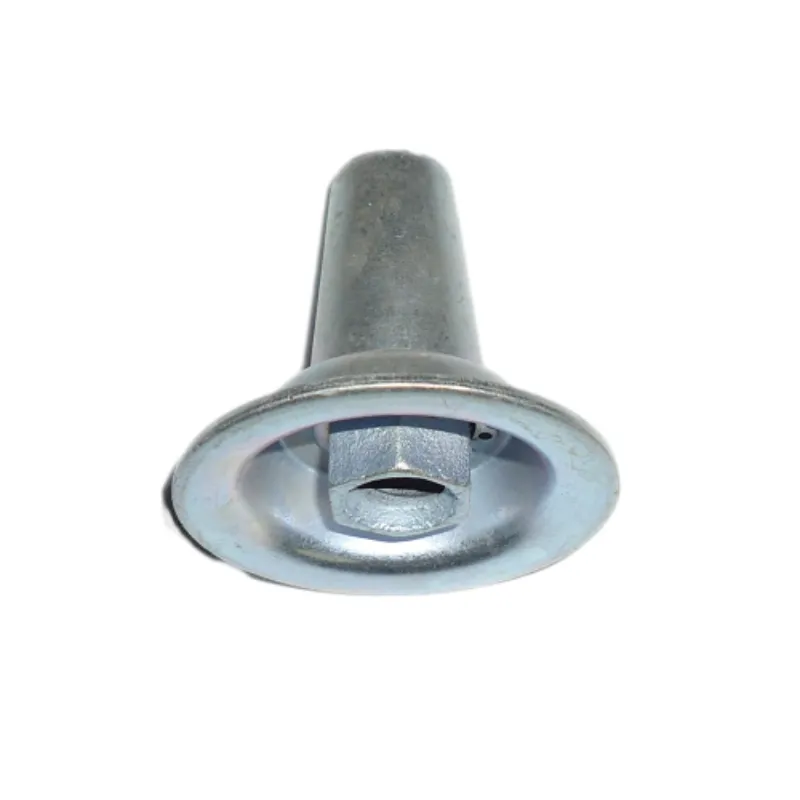
Image 1: Precision CNC Machining for Formwork Components.
This meticulous process ensures components like the Steel Cone offer a service life typically exceeding 10 years under normal operating conditions, significantly amortizing the concrete formwork cost over multiple projects. Target industries include petrochemical (for specialized foundation work), metallurgy (high-temperature concrete structures), and water supply & drainage (reservoirs, pipelines). Advantages include energy saving through reusability, superior corrosion resistance, and enhanced structural integrity.
Current Industry Trends Influencing Concrete Formwork Cost
The construction industry is continually evolving, with several key trends directly impacting the concrete formwork cost. Digitalization, sustainability, and advanced material science are reshaping how projects are planned and executed.
- Automation and Robotics: The integration of automation in formwork assembly and dismantling can reduce labor costs, a significant factor in overall formwork expenses. Robotic systems for panel installation or concrete pouring, while a high initial investment, promise long-term savings and increased safety.
- Sustainable Materials: A growing demand for environmentally friendly construction is leading to innovations in formwork materials. Recycled plastics, composite materials, and sustainably sourced construction plywood formwork are gaining traction. While some may have a higher upfront cost, their extended lifespan and reduced environmental impact contribute to a lower lifecycle concrete formwork cost.
- Modular and Prefabricated Systems: The shift towards off-site fabrication and modular formwork systems significantly streamlines on-site operations. These systems offer faster erection times, reduced waste, and improved quality control, leading to predictable and often lower shuttering work in construction costs.
- Smart Formwork Technology: Sensors embedded within formwork can monitor concrete curing temperatures, pressure, and strength in real-time. This data allows for optimized stripping times, preventing premature removal (which can damage concrete) or delayed removal (which impacts project schedule), thus enhancing efficiency and minimizing rework costs.
- Building Information Modeling (BIM): BIM integration allows for precise planning, clash detection, and optimization of formwork usage, reducing material waste and improving logistical efficiency. This digital twin approach provides a comprehensive overview, making the estimation of concrete formwork cost more accurate and manageable.
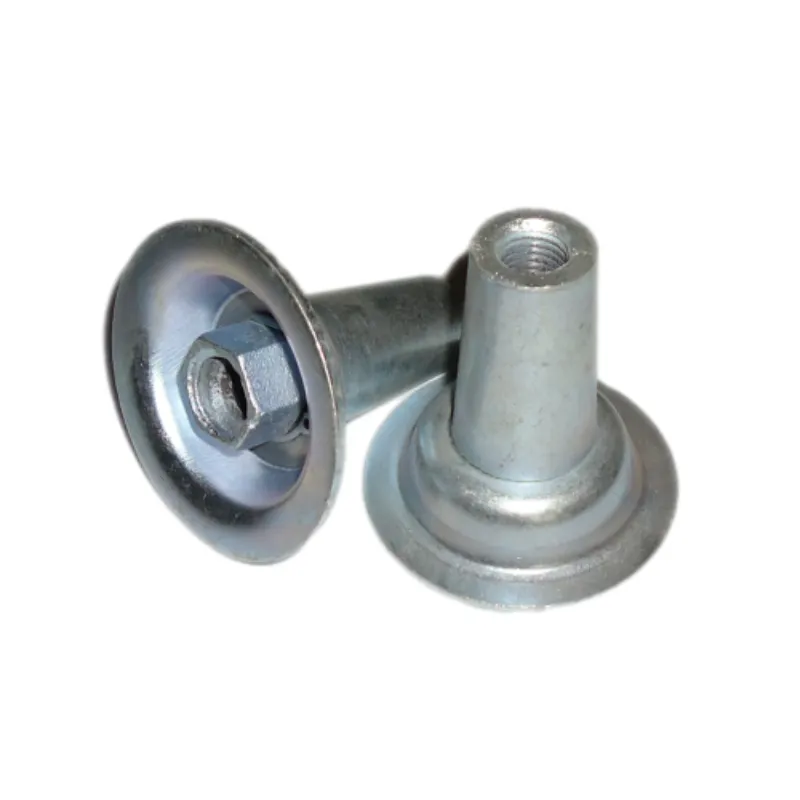
Image 2: Modern Formwork Systems in Action for Commercial High-Rise.
Technical Specifications and Parameters for Formwork Components
Understanding the technical specifications of formwork components is fundamental to managing concrete formwork cost effectively and ensuring structural integrity. Below are key parameters, specifically highlighting elements related to the Steel Cone and general formwork considerations.
Steel Cone Product Specifications:
| Parameter | Specification | Standard | Impact on Formwork Cost |
|---|---|---|---|
| Material | High-Tensile Carbon Steel (e.g., Q235, Q345) | EN 10025, ASTM A36 | Durability, Reusability, Safety factor. Higher grade steel reduces replacement frequency. |
| Thread Diameter | M12, M14, M16, M18, M20 | ISO 261, DIN 13 | Compatibility with tie rods, ensuring secure connections. Prevents leaks and structural failures. |
| Surface Treatment | Hot-dip Galvanized, Zinc Plated | ISO 1461, ASTM A123 | Corrosion resistance, extended service life (10+ years), reduced maintenance. |
| Tensile Strength | Min. 400 MPa (for Q235) | ISO 6892-1 | Load-bearing capacity, safety margin for concrete pressures. Prevents component failure. |
| Hardness | Min. 120 HB | ISO 6506 | Resistance to wear and deformation during repeated use, vital for reusability. |
| Tolerance | +/- 0.1 mm | DIN ISO 2768-1 | Precision fit, preventing concrete leakage and ensuring accurate structural dimensions. |
These specifications directly contribute to the safety, efficiency, and longevity of formwork systems, consequently impacting the overall concrete formwork cost over the project's duration. The ability to reuse high-quality components for numerous cycles, often 50-100 times for steel elements, significantly reduces the per-pour expense compared to single-use alternatives.
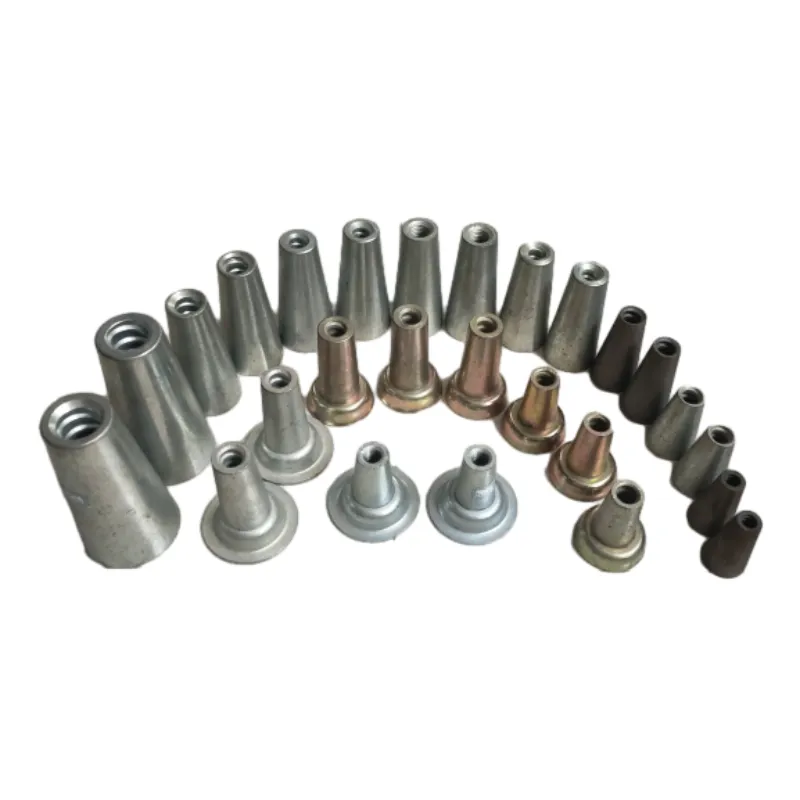
Image 3: Detailed view of Galvanized Steel Cones.
Versatile Application Scenarios for Optimized Formwork Solutions
The adaptability of modern formwork systems is key to addressing the diverse requirements of contemporary construction. Effective application in various scenarios directly impacts the control and reduction of concrete formwork cost.
- High-Rise Commercial & Residential Buildings: Vertical construction demands highly efficient and robust formwork, often employing climbing or self-climbing systems. These systems minimize crane time and enhance safety, significantly reducing labor and equipment costs associated with shuttering work in construction.
- Infrastructure Projects (Bridges, Tunnels): Large-scale infrastructure requires specialized formwork for complex geometries and heavy concrete pours. Tunnel lining formwork, falsework for bridge decks, and specialized systems for retaining walls demand high load-bearing capacity and customizability, impacting the initial concrete formwork cost but ensuring long-term structural integrity.
- Water Treatment Plants & Reservoirs: These projects require watertight concrete structures, making the precision of construction joint formwork critical. Steel formwork, with its smooth finish and minimal deflections, is often preferred for its ability to produce high-quality concrete surfaces and prevent leakage.
- Industrial Facilities (Power Plants, Petrochemical): Projects with stringent safety and precision requirements benefit from heavy-duty steel formwork. Its ability to withstand high concrete pressures and repeated use offers a cost-effective solution over the project's lifespan, even with a higher initial concrete formwork cost.
- Architectural Concrete: For projects where aesthetics are paramount, high-quality formwork (e.g., steel or premium construction plywood formwork) is essential to achieve desired surface finishes without costly post-processing. This trade-off between material quality and finishing work often justifies a higher initial investment.
In each scenario, selecting the appropriate formwork system – be it modular, climbing, or conventional – is a strategic decision that balances upfront investment with operational efficiency, safety, and the desired quality of the finished concrete structure.
Technical Advantages and Economic Benefits
Investing in high-quality formwork systems and components, such as robust steel cones, offers a multitude of technical advantages and ultimately leads to a reduced overall concrete formwork cost.
- Enhanced Structural Integrity: Precision-engineered formwork ensures accurate concrete dimensions and alignment, minimizing structural deviations and the need for costly corrections or remedial work. This is crucial for load-bearing elements and specialized structures.
- Superior Surface Finish: Smooth, well-sealed formwork panels prevent concrete leakage and imperfections, resulting in high-quality concrete surfaces that often require minimal or no post-finishing. This reduces labor, material, and time costs.
- Increased Speed of Construction: Modular and advanced formwork systems facilitate faster erection and stripping times. Components designed for quick assembly, such as those used in modern shuttering work in construction, significantly accelerate project schedules, leading to earlier project completion and reduced overheads.
- Optimized Reusability: Durable materials like steel and high-grade construction plywood formwork can be reused multiple times across various projects. This amortizes the initial investment over numerous cycles, drastically lowering the per-use concrete formwork cost. For instance, galvanized steel components can last over 100 cycles.
- Improved Site Safety: Well-designed formwork systems incorporate safety features that protect workers during erection, pouring, and dismantling. Reduced risks translate to fewer accidents, lower insurance premiums, and improved worker morale.
- Reduced Material Waste: Accurate planning and reusable systems minimize material wastage, contributing to both cost savings and environmental sustainability.
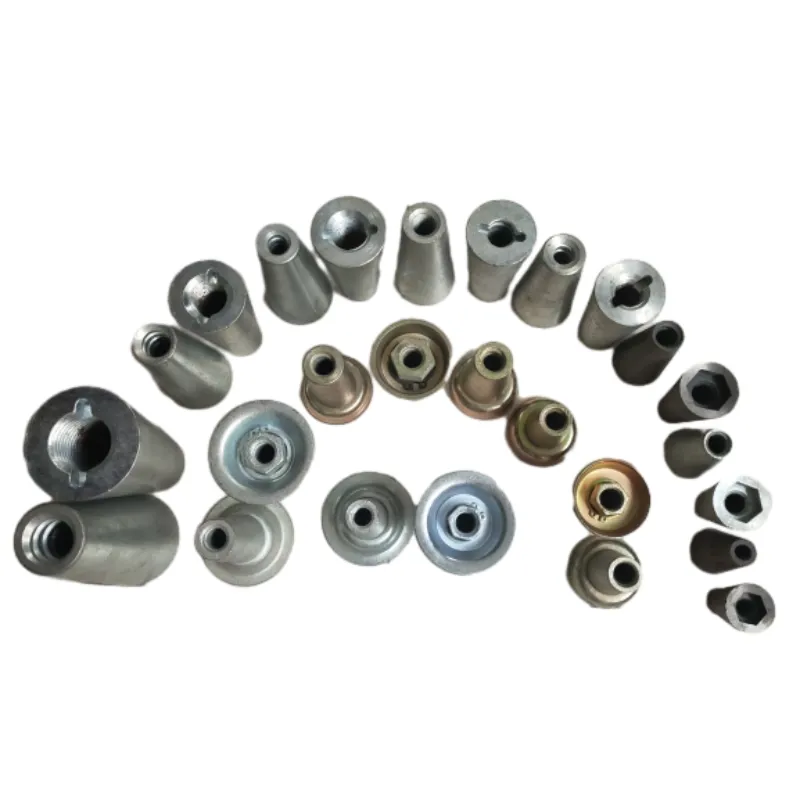
Image 4: Formwork system being installed on a large construction site.
Vendor Comparison and Customization Solutions
Choosing the right formwork vendor is a critical decision that directly impacts project efficiency and the overall concrete formwork cost. A thorough comparison involves evaluating not just initial pricing but also material quality, system design, support services, and customization capabilities.
Comparative Analysis of Formwork Solutions:
| Feature/Criterion | Steel Formwork (e.g., WRK Formwork) | Plywood/Timber Formwork | Aluminum Formwork |
|---|---|---|---|
| Material Durability | Excellent (100+ reuses for steel) | Moderate (10-20 reuses for good quality construction plywood formwork) | Very Good (50-80 reuses) |
| Surface Finish | Superior (smooth, architectural concrete) | Good (can leave wood grain/seams) | Excellent (smooth, lightweight) |
| Load-Bearing Capacity | Highest (ideal for heavy pours) | Moderate (limited by timber strength) | High (good strength-to-weight ratio) |
| Initial Investment | High | Low to Moderate | High |
| Labor & Erection Speed | Moderate (can be heavy), but often modular | Slow (requires skilled carpentry) | Fast (lightweight, modular) |
| Lifecycle Concrete Formwork Cost | Low (due to high reusability) | Moderate to High (frequent replacement) | Low to Moderate (good reusability, but higher initial) |
Customized Formwork Solutions:
Many complex projects demand formwork that goes beyond standard modular systems. Reputable vendors excel in providing customized solutions that address specific architectural designs, challenging geometries, or unique structural requirements. This can include:
- Bespoke Panel Fabrication: Tailoring panel sizes, shapes, and connections for non-standard walls, columns, or beams.
- Specialized Anchoring Systems: Developing custom tie rod solutions, including specific lengths, diameters, and cone designs for thick concrete sections or unusual tie patterns.
- Integrated Safety Features: Designing integrated access platforms, guardrails, and fall protection directly into the formwork system for enhanced worker safety.
- Optimized Logistics: Providing expert consultation on formwork sequencing, delivery schedules, and on-site training to maximize efficiency and minimize disruption.
Engaging with a vendor that offers comprehensive engineering support, from design conceptualization to on-site implementation, can dramatically reduce unexpected costs and enhance project certainty.
Application Case Studies and Customer Experience
Real-world applications demonstrate the tangible benefits of high-quality formwork in managing concrete formwork cost and achieving superior project outcomes. Our clients consistently report enhanced efficiency and structural precision.
Case Study 1: High-Rise Residential Tower, Metropolis City
- Challenge: Rapid construction of 40-story building core and shear walls, demanding high concrete pour rates and minimal tolerance for errors. Managing the recurrent concrete formwork cost over many floors was critical.
- Solution: Deployment of a steel modular climbing formwork system, integrated with high-performance Steel Cones and tie rods for critical wall sections. This included specialized construction joint formwork for connecting adjacent concrete sections seamlessly.
- Outcome: Achieved a 4-day floor cycle, significantly faster than the industry average of 6-7 days. The robust reusability of the steel formwork components led to a 35% reduction in overall concrete formwork cost per floor compared to conventional systems. The precision of the formwork resulted in concrete surfaces requiring minimal remedial work, saving an estimated 15% on finishing costs.
Case Study 2: Municipal Water Treatment Facility Expansion
- Challenge: Constructing large, watertight concrete tanks and basins with stringent requirements for smooth finishes and crack prevention. The precision of construction joint formwork was paramount.
- Solution: Utilized a combination of heavy-duty steel wall formwork and specialized Steel Cones designed for high hydrostatic pressure. Formwork panels were meticulously sealed to prevent any grout leakage.
- Outcome: The project delivered flawlessly smooth and watertight concrete surfaces, eliminating the need for costly waterproofing membranes or extensive repairs. The durable formwork, despite a higher initial concrete formwork cost, demonstrated excellent reusability across multiple tank sections, leading to a long-term economic advantage. Customer feedback highlighted the ease of assembly and the robust performance of the Steel Cones even under continuous heavy usage.
These cases exemplify how strategic investment in high-quality formwork and its components yields substantial returns through improved efficiency, safety, and project quality.
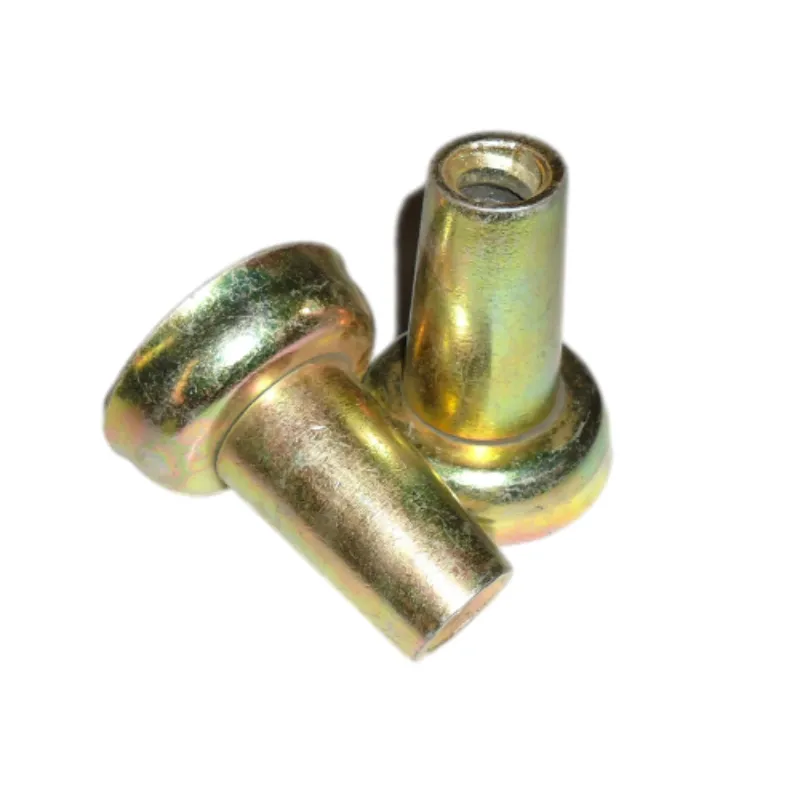
Image 5: Large-scale formwork system for a complex infrastructure project.
Frequently Asked Questions (FAQ)
- Q1: How can I accurately estimate the concrete formwork cost for my project?
- A1: Accurate estimation requires considering several factors: the type of formwork system (timber, steel, aluminum), labor costs for erection and dismantling, rental vs. purchase decisions, reusability cycles, transportation, and maintenance. Consulting with experienced formwork engineers and utilizing BIM software can provide precise estimates.
- Q2: What is the typical lead time for custom formwork solutions?
- A2: Lead times for custom formwork vary based on complexity and material availability. For specialized components like custom Steel Cones or specific construction joint formwork, it typically ranges from 4 to 8 weeks after final design approval. Standard modular systems can often be delivered within 2-4 weeks.
- Q3: What warranty is offered on formwork components?
- A3: We offer a standard 1-year warranty against manufacturing defects for all new formwork components, including Steel Cones. Extended warranties may be available for specific products or large project orders. Our products comply with ISO 9001 quality management standards.
- Q4: Do you provide after-sales support and technical assistance?
- A4: Yes, we provide comprehensive after-sales support, including technical consultations, on-site training for assembly and maintenance, and spare parts availability. Our dedicated support team is available to assist with any operational queries or challenges.
Commitment to Quality, Reliability, and Support
Our dedication to providing superior formwork solutions is built upon decades of experience in the construction sector. We adhere to stringent international quality standards, including ISO 9001 for quality management and ISO 14001 for environmental management, ensuring that every product, from Steel Cones to full shuttering work in construction systems, meets the highest benchmarks for performance and sustainability. Our extensive client portfolio includes leading construction firms across petrochemical, infrastructure, and commercial building sectors, underscoring our authoritative position in the market.
Lead Time and Fulfillment:
Standard product orders are typically fulfilled within 2-3 weeks, while custom solutions or large project orders are planned with clients to meet specific timelines, generally ranging from 4-8 weeks. We maintain robust supply chain logistics to ensure timely delivery globally.
Warranty and After-Sales Support:
All our formwork components come with a comprehensive warranty against manufacturing defects. Beyond the warranty period, we offer continuous technical support, maintenance guidance, and access to genuine spare parts to maximize the lifespan and reusability of your investment, thereby optimizing your total concrete formwork cost. Our commitment extends to fostering long-term partnerships, providing expertise and support throughout the lifecycle of your projects.
References
- ACI Committee 347. (2014). Guide to Formwork for Concrete (ACI 347-14). American Concrete Institute.
- European Committee for Standardization. (2004). EN 13670: Execution of concrete structures.
- Concrete Society. (2016). Formwork: A Guide to Good Practice (Technical Report 13).
- ISO 9001:2015 Quality management systems – Requirements. International Organization for Standardization.
- Naval, M. F., & Arriaga, J. F. (2018). Economic and environmental assessment of formwork systems in residential building construction. Construction and Building Materials, 172, 574-582.
Latest News
-
Adjustable U Jack: Essential Guide to Specifications, Applications & VendorsNewsDec.03,2025
-
Adjustable U Head Jack: Essential Guide to Benefits, Specs & Global UseNewsDec.03,2025
-
What Is an Adjustable U Head? Benefits, Uses & Supplier Comparison in ConstructionNewsDec.03,2025
-
Steel Joint Connector Nut: Essential Fastening Solutions for Modern InfrastructureNewsDec.02,2025
-
Nut Connector: Key Roles, Applications & Innovations in Modern IndustryNewsDec.02,2025
-
Nut Adaptor: A Key Component Bridging Industry Standards and Enhancing Assembly EfficiencyNewsDec.02,2025