Sep . 13, 2025 10:00 Back To List
Durable Rubber Waterstop for Concrete Sealing Solutions
Understanding Advanced Waterstop Solutions in Modern Construction
In critical infrastructure projects, effective waterproofing is paramount to ensuring structural integrity and longevity. A cornerstone of this effort is the proper selection and installation of high-performance waterstops. This article delves into the technical intricacies, application benefits, and industry best practices surrounding the rubber waterstop, a crucial component designed to seal construction joints in concrete structures. We will explore its manufacturing processes, diverse applications, and competitive advantages, providing B2B decision-makers and engineers with comprehensive insights into this vital material.
The demand for robust sealing solutions is continuously growing across various sectors, driven by increasingly stringent environmental regulations, the need for enhanced durability in extreme conditions, and the rising complexity of modern architectural and civil engineering designs. This has led to significant innovations in materials and profiles for concrete joint sealing, including advanced rubber waterstop and pvc water stopper technologies.
Technical Specifications and Material Composition
The performance of a rubber waterstop is directly linked to its material composition and profile design. While "rubber waterstop" is a broad term, it often refers to materials like natural rubber, synthetic rubber (e.g., SBR, Neoprene), or PVC. Each material offers distinct advantages for specific environmental and structural conditions. PVC waterstops, for instance, are known for their excellent resistance to aging, ozone, and many chemicals, making them a popular choice for potable water structures and chemical containment.
Key parameters such as tensile strength, elongation at break, hardness, and resistance to various chemicals are critical considerations. For example, a pvc water stopper seal typically exhibits a tensile strength of ≥ 13 MPa and an elongation at break of ≥ 300%, with a Shore A hardness ranging from 65 to 75. These properties ensure the waterstop can accommodate differential movement in concrete joints without compromising its sealing integrity.
Typical Product Specifications (PVC Ruber Waterbar)
| Parameter | Test Standard | Value |
|---|---|---|
| Material | ASTM D1056 | High-Grade PVC |
| Tensile Strength | ASTM D412 | ≥ 13 MPa |
| Elongation at Break | ASTM D412 | ≥ 300% |
| Shore A Hardness | ASTM D2240 | 65-75 |
| Specific Gravity | ASTM D792 | 1.35-1.45 |
| Water Absorption (7 days) | ASTM D570 | ≤ 0.5% |
| Temperature Range | Operating | -35°C to +80°C |
Manufacturing Process Flow of Rubber Waterstop
The production of high-quality rubber waterstop (and PVC variants like the PVC Ruber Waterbar) is a sophisticated process that demands precision engineering and rigorous quality control. It typically involves several stages to ensure the final product meets the demanding specifications required for long-term sealing performance in concrete.
Schematic Manufacturing Steps:
- Material Selection & Blending: High-grade virgin PVC resin, along with plasticizers, stabilizers, and other proprietary additives, are carefully selected. For rubber waterstops, specific rubber compounds (e.g., natural rubber, SBR, Neoprene) are blended. This step is crucial for achieving the desired physical and chemical properties, including flexibility, durability, and resistance to environmental factors.
- Extrusion (for PVC and some rubber types): The blended material is fed into an extruder, where it is heated and forced through a die to form the desired waterstop profile (e.g., dumbbell, serrated, centrally bulbed). This continuous casting process ensures uniformity in shape and size, critical for effective concrete embedment.
- Curing/Vulcanization (for rubber waterstops): For rubber compounds, the extruded profile undergoes a vulcanization process, often in a continuous curing tunnel. This chemical process transforms the rubber into a more durable, elastic, and temperature-resistant material.
- Cooling & Sizing: The extruded or cured material is carefully cooled to prevent distortion and then precisely cut to specified lengths. This stage ensures dimensional accuracy, which is essential for ease of installation and optimal sealing.
- Quality Control & Testing: Throughout the process, stringent quality control measures are implemented. Samples from each batch undergo comprehensive testing according to international standards such as ISO 9001 (Quality Management), ASTM D412 (Tensile Properties), ASTM D2240 (Hardness), and ASTM D570 (Water Absorption). These tests verify material properties, dimensional accuracy, and overall performance.
- Packaging & Dispatch: Finished waterstops are carefully coiled and packaged to prevent damage during transit, ready for deployment in various construction projects.
The service life of a professionally manufactured waterstop, when correctly installed, can exceed 50 years, often matching or surpassing the design life of the concrete structure itself. This longevity is crucial for target industries like petrochemical facilities, power plants, metallurgy complexes, and water supply & drainage systems, where long-term integrity is non-negotiable.
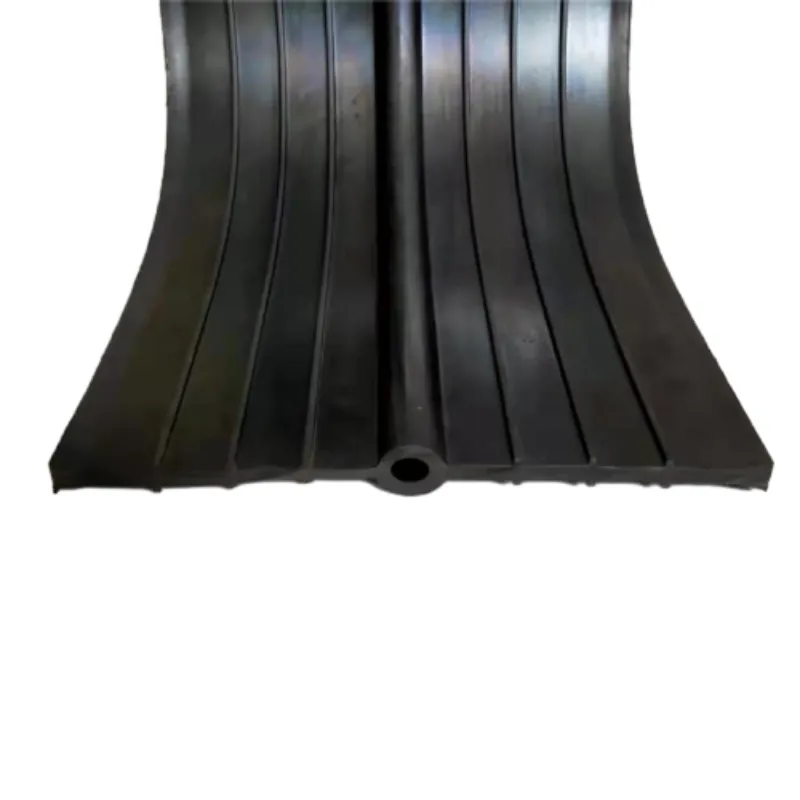
Figure 1: High-precision extrusion of waterstop profiles.
Application Scenarios and Technical Advantages
Waterstops are indispensable in any concrete structure where two distinct concrete pours meet, forming a joint that must remain watertight. This includes expansion joints, contraction joints, and construction joints. The versatility of a rubber waterstop for concrete makes it suitable for an expansive array of critical applications.
Typical Application Areas:
- Water Retaining Structures: Dams, reservoirs, aqueducts, sewage treatment plants, water treatment facilities, storage tanks. Here, the waterstop prevents the leakage of potable or wastewater, ensuring environmental protection and efficient resource management.
- Underground Structures: Basements, tunnels, subway stations, underground car parks. Critical for preventing groundwater ingress, which can lead to structural degradation, mold growth, and operational disruptions.
- Industrial Facilities: Petrochemical plants, power stations, chemical processing units. Resistance to aggressive chemicals and high temperatures is paramount to contain hazardous substances and maintain operational safety.
- Bridges and Highways: Bridge decks, culverts, road retaining walls. Accommodates thermal expansion and contraction, preventing water damage to sub-structures.
- Marine Structures: Docks, jetties, sea walls. Engineered to withstand saline environments and constant exposure to water.
Technical Advantages:
- Superior Sealing Performance: Designed with ribs and central bulbs to create a tortuous path for water, effectively stopping hydrostatic pressure from penetrating the joint.
- Excellent Chemical Resistance: Especially PVC waterstops, which exhibit high resistance to acids, alkalis, and various industrial chemicals, critical in demanding environments.
- High Elasticity & Flexibility: Accommodates significant differential movement (expansion, contraction, shear) in concrete joints without cracking or losing seal integrity. This contributes to longer structure lifespan and reduced maintenance costs, leading to energy saving by preventing heat/cooling loss through leaks.
- Durability & Longevity: Resistant to aging, ozone, and weathering, ensuring a long service life, reducing the need for costly repairs. This translates into significant cost savings over the project lifecycle.
- Ease of Installation: Can be heat-welded on-site to form continuous, monolithic barriers, simplifying installation and ensuring seamless protection.
- Corrosion Resistance: As a non-metallic material, waterstops do not corrode, a significant advantage over metallic sealing solutions in certain applications.
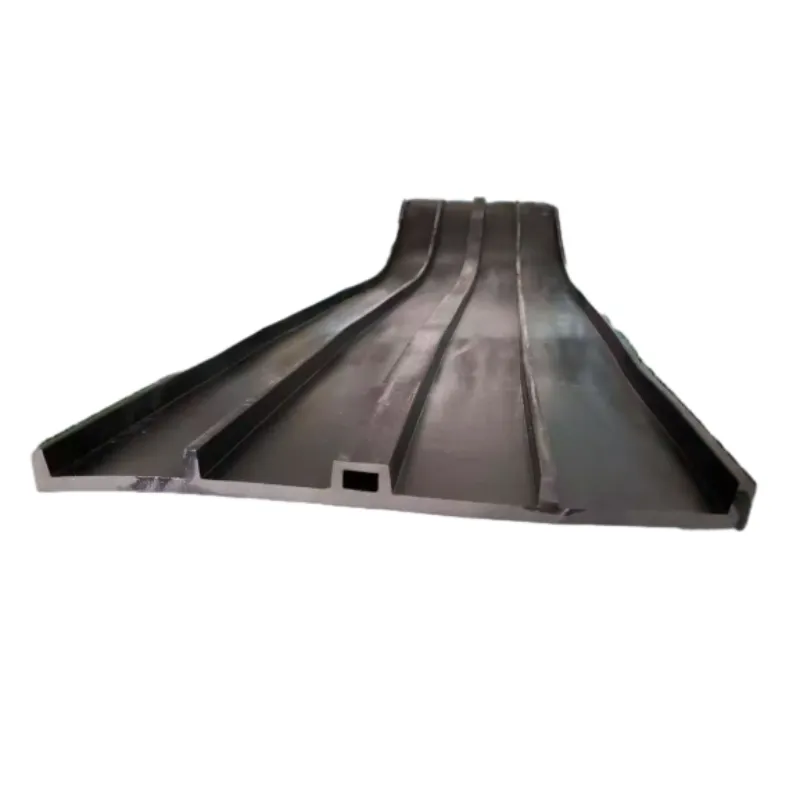
Figure 2: Waterstop effectively sealing a concrete joint in an underground structure.
Comparative Analysis: PVC, Rubber, and Swellable Waterstops
The market offers several types of waterstops, each with distinct characteristics tailored for specific project demands. Understanding these differences, particularly between a pvc water stopper, a rubber waterstop, and a swellable waterstop, is crucial for optimal selection.
Waterstop Material Comparison Table:
| Feature | PVC Waterstop | Rubber Waterstop | Swellable Waterstop |
|---|---|---|---|
| Material Composition | Virgin PVC Resin, Plasticizers, Stabilizers | Natural Rubber, SBR, Neoprene | Hydrophilic Clay (Bentonite) or Butyl Rubber with Swelling Agents |
| Sealing Mechanism | Physical barrier, mechanical keying | Physical barrier, mechanical keying | Expands on contact with water to fill voids |
| Movement Accommodation | Excellent (high elongation) | Superior (higher elasticity) | Limited, primarily seals non-moving joints |
| Chemical Resistance | Very Good (acids, alkalis, many chemicals) | Good (specific types vary) | Moderate (some types degrade in specific chemicals) |
| Installation | Heat welding, tying to rebar | Heat welding (some types), tying to rebar | Adhesive, nails; must prevent premature swelling |
| Typical Applications | Water/sewage treatment, basements, dams, retaining walls (where movement expected) | Large movement joints (e.g., dams, bridges), extreme temperatures | Non-moving joints, pipe penetrations, remedial work |
| Approximate PVC water stopper price (per meter) | Economical to Moderate | Moderate to High | Moderate |
While pvc water stopper size and profiles are highly customizable, the choice between these materials often boils down to the specific project requirements, environmental conditions, expected joint movement, and budget. For applications requiring robust chemical resistance and good movement accommodation, PVC waterstops like the PVC Ruber Waterbar are often preferred due to their balanced performance and cost-effectiveness.
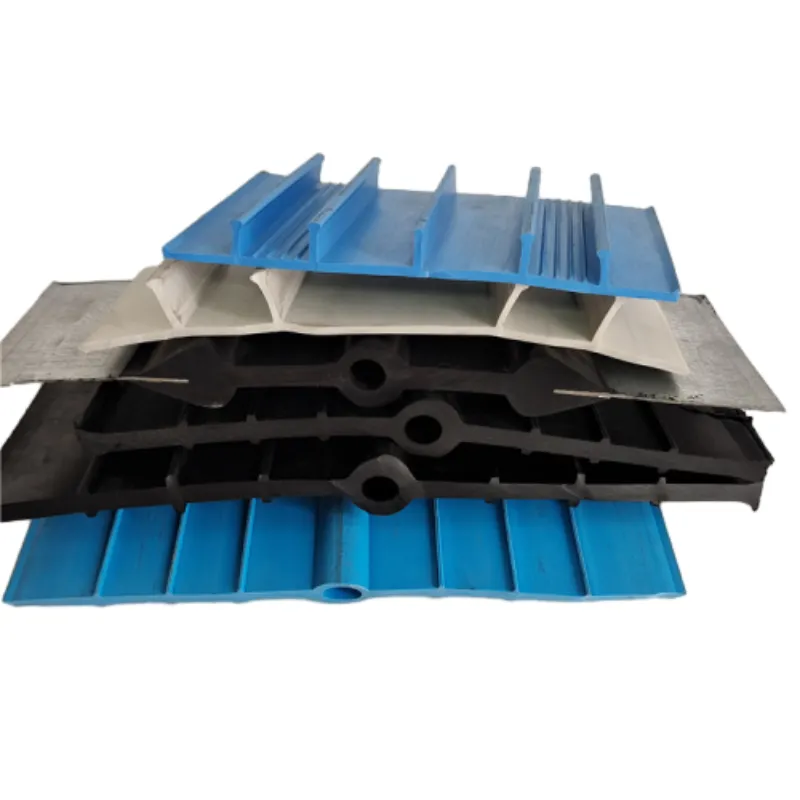
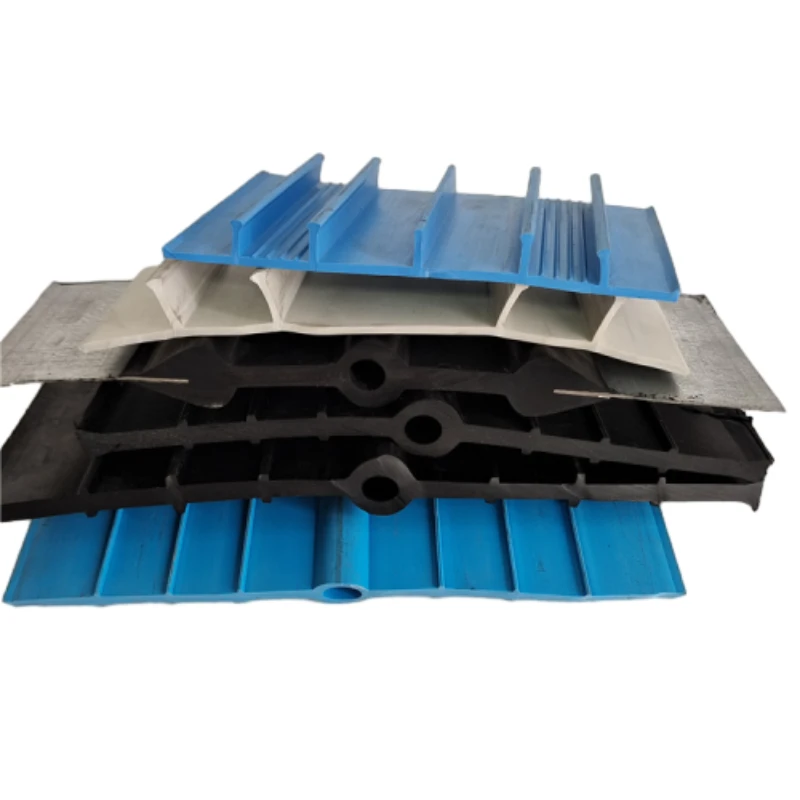
Figure 3: Various profiles of waterstops tailored for different joint types.
Customized Solutions and Vendor Comparison
B2B clients frequently require waterstop solutions that are precisely tailored to the unique demands of their projects. This often involves specifying custom profiles, widths, thicknesses, or material compounds to meet stringent technical specifications or unusual site conditions. Leading manufacturers offer comprehensive customization services, providing detailed engineering support from design to installation.
When evaluating vendors for rubber waterstop and related products, several factors beyond mere unit price are critical:
- Certifications and Standards: Verify adherence to international quality standards (ISO 9001, ASTM, BS EN). Companies with robust certification portfolios demonstrate commitment to quality and consistency.
- Technical Expertise: Assess the vendor's ability to provide detailed technical data, engineering recommendations, and design assistance for complex joint details.
- Product Range and Customization: A broad offering of waterstop types (PVC, rubber, swellable) and the flexibility for custom manufacturing (e.g., specific pvc water stopper size) ensures all project needs can be met by a single reliable source.
- Manufacturing Capabilities: Direct manufacturers with advanced production lines generally offer better quality control, consistency, and competitive pricing due to economies of scale.
- Track Record and References: Look for vendors with a proven history of successful projects and positive client testimonials, especially from your target industry.
- Logistics and Lead Time: Efficient supply chain management and reliable lead times are crucial for project scheduling and minimizing delays.
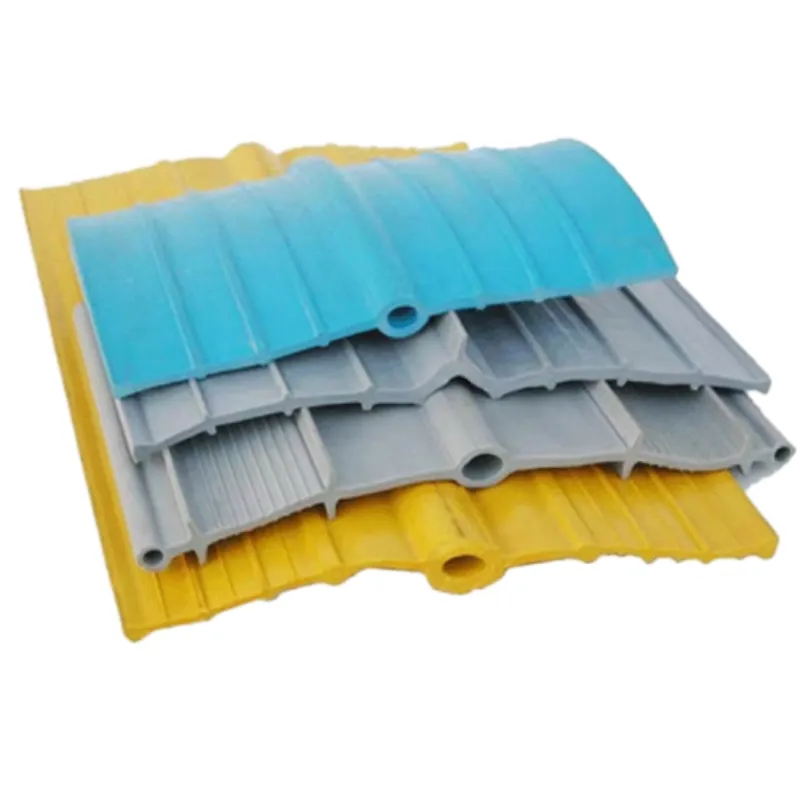
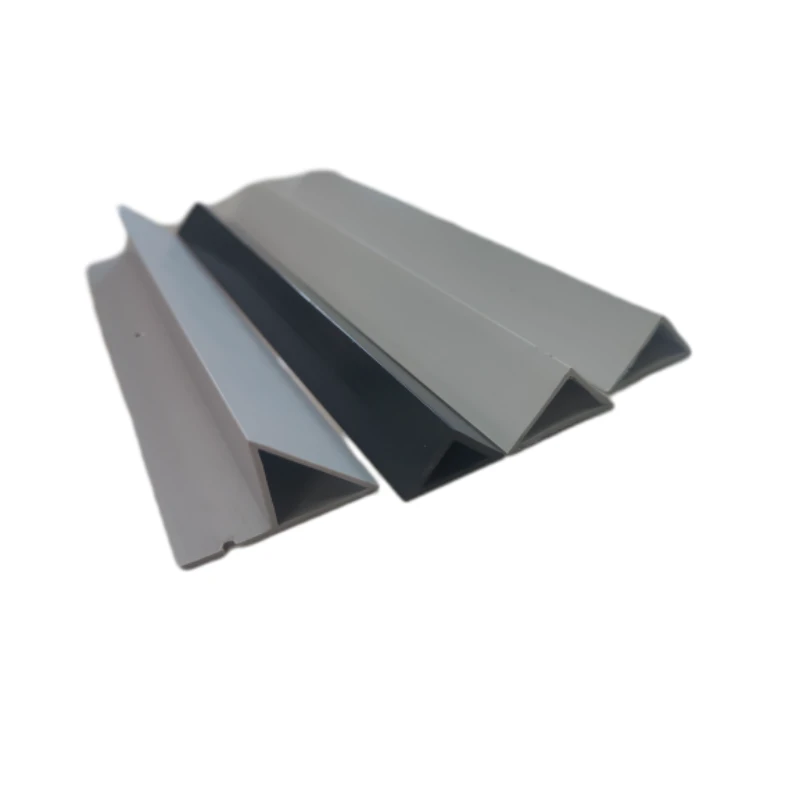
Figure 4: Specialized waterstop profiles for intricate structural requirements.
Real-World Application Case Studies
The efficacy of high-quality waterstops is best demonstrated through their successful deployment in challenging environments.
Case Study 1: Large-Scale Hydroelectric Dam Project
In a major hydroelectric dam construction, the immense hydrostatic pressure and anticipated seismic movements demanded a waterstop solution with exceptional elasticity and long-term durability. A specialized synthetic rubber waterstop system was employed across all expansion and contraction joints. The chosen product's high tensile strength and elongation at break (exceeding 400%) allowed it to accommodate significant joint movements without failure. Post-construction inspections over a five-year period confirmed zero leakage through the treated joints, validating the system's robust performance under extreme conditions.
Case Study 2: Industrial Wastewater Treatment Plant
An industrial wastewater treatment plant required a waterstop solution that could withstand continuous exposure to various aggressive chemicals, including acids and high-salinity water. High-grade PVC waterstops were selected for all concrete construction and movement joints. The project engineers specifically chose a product that boasted superior chemical resistance as per ASTM D543 standards. Ten years into operation, the waterstops continue to perform flawlessly, preventing any exfiltration of treated wastewater and protecting the surrounding environment. This case highlights the critical importance of material chemical compatibility in specialized industrial applications.
These examples underscore the importance of selecting the right waterstop material and profile for the specific demands of each project, demonstrating clear experience and expertise in critical infrastructure applications.
Trustworthiness: FAQ, Lead Time, Warranty & Support
Frequently Asked Questions (FAQ):
Q: What is the primary function of a waterstop?
A: A waterstop's primary function is to prevent the passage of fluids through concrete joints, accommodating movement and maintaining a watertight seal.
Q: Can waterstops be repaired if damaged during installation?
A: Minor damages can often be repaired through heat welding, patching, or using specialized adhesives. Consult the manufacturer's guidelines for specific repair procedures.
Q: What factors influence the selection of pvc water stopper size and profile?
A: Factors include expected joint movement, hydrostatic pressure, concrete thickness, chemical exposure, and specific project design requirements. Custom engineering support is often recommended.
Lead Time and Fulfillment:
Our standard lead time for PVC and rubber waterstop products typically ranges from 7-14 business days for standard profiles and quantities. Custom orders or large volumes may require additional lead time, which will be communicated clearly during the quotation process. We maintain robust inventory levels for common profiles to facilitate rapid fulfillment for urgent project requirements. Global shipping capabilities are supported by established logistics partnerships to ensure timely delivery worldwide.
Warranty Commitments:
All our waterstop products, including the PVC Ruber Waterbar, come with a comprehensive 10-year material warranty against manufacturing defects and premature degradation under normal service conditions. This warranty underscores our confidence in the quality and durability of our products, providing peace of mind to our clients and demonstrating adherence to the highest industry standards. Full warranty terms and conditions are available upon request.
Customer Support and After-Sales Service:
We are committed to providing exceptional customer support throughout the project lifecycle. Our dedicated team of technical experts is available to offer pre-sales consultation, assist with product selection, provide installation guidance, and address any post-sales inquiries. Support channels include direct phone lines, email, and dedicated online portals, ensuring prompt and effective communication. We aim to be a long-term partner in your project's success.
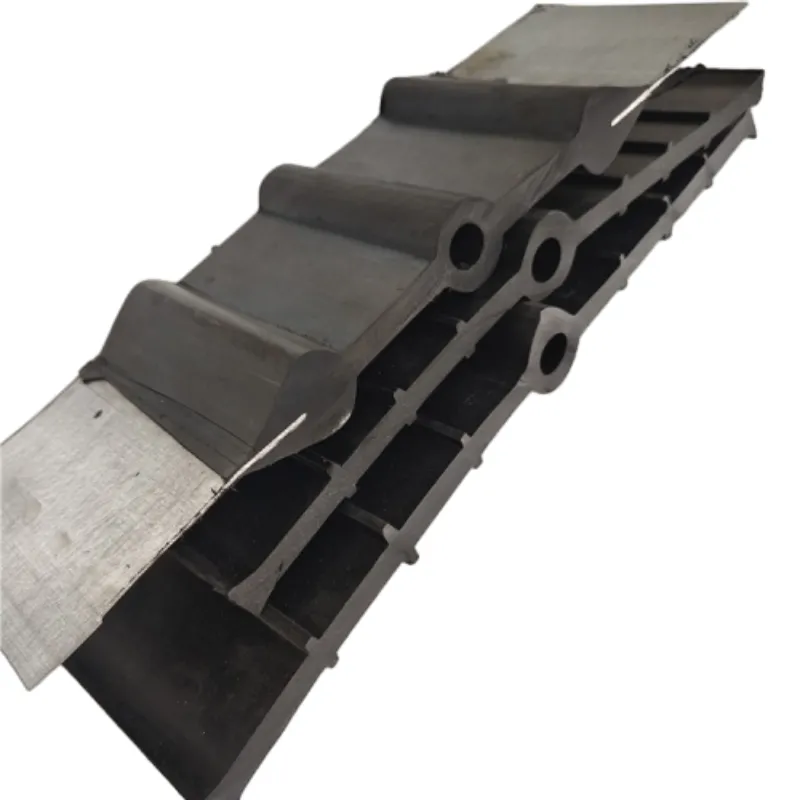
Figure 5: Quality assurance and final inspection before packaging and dispatch.
Conclusion
The selection of an appropriate waterstop is a critical decision in the design and construction of any concrete structure demanding watertight integrity. From the nuanced manufacturing processes to the diverse application scenarios, understanding the technical specifications and comparative advantages of materials like PVC and rubber waterstop is essential for B2B professionals. By prioritizing products that meet stringent quality standards, backed by robust warranties and reliable customer support, engineers and project managers can ensure the long-term durability and performance of their infrastructure investments. Choosing a trusted supplier offering customizable, high-performance waterstops is not merely a purchase; it's an investment in the foundational integrity and longevity of critical assets.
References:
- American Society for Testing and Materials (ASTM) International. Various standards, including ASTM D412 (Tensile Properties of Vulcanized Rubber and Thermoplastic Elastomers), ASTM D2240 (Rubber Property—Durometer Hardness), and ASTM D570 (Water Absorption of Plastics).
- International Organization for Standardization (ISO). ISO 9001 (Quality Management Systems—Requirements).
- US Army Corps of Engineers. EM 1110-2-2101, "Seepage Control for Dams."
- ACI Committee 224, "Control of Cracking in Concrete Structures." American Concrete Institute.
Latest News
-
Adjustable U Jack: Essential Guide to Specifications, Applications & VendorsNewsDec.03,2025
-
Adjustable U Head Jack: Essential Guide to Benefits, Specs & Global UseNewsDec.03,2025
-
What Is an Adjustable U Head? Benefits, Uses & Supplier Comparison in ConstructionNewsDec.03,2025
-
Steel Joint Connector Nut: Essential Fastening Solutions for Modern InfrastructureNewsDec.02,2025
-
Nut Connector: Key Roles, Applications & Innovations in Modern IndustryNewsDec.02,2025
-
Nut Adaptor: A Key Component Bridging Industry Standards and Enhancing Assembly EfficiencyNewsDec.02,2025