Sep . 11, 2025 10:00 Back To List
Formwork for In Situ Concrete - High-Quality & Efficient Solutions
Introduction to Advanced Formwork Systems
In the dynamic landscape of modern construction, the efficiency and structural integrity of concrete elements are paramount. A critical component enabling this is advanced formwork for in situ concrete. This sophisticated temporary molding system is engineered to support wet concrete until it gains sufficient strength to be self-supporting, ensuring precise structural dimensions and superior surface finishes. The evolution of formwork technology has transformed construction methodologies, moving from rudimentary timber frames to highly engineered modular systems that offer significant advantages in terms of speed, safety, and cost-effectiveness across a myriad of construction projects.
This article delves into the intricate world of formwork, exploring its critical role in contemporary infrastructure development, covering everything from the underlying technical specifications and manufacturing processes to real-world application scenarios and crucial considerations for B2B decision-makers. We will provide a comprehensive overview designed to equip engineers, project managers, and procurement specialists with the insights needed to select optimal formwork solutions.
Industry Trends and Market Dynamics
The global market for formwork is experiencing robust growth, driven by increasing urbanization, large-scale infrastructure projects, and a growing emphasis on sustainable and efficient construction practices. According to recent market analyses, the global formwork market is projected to reach approximately $7.5 billion by 2027, exhibiting a Compound Annual Growth Rate (CAGR) of around 6.5%. Key trends shaping the industry include:
- Modular and Prefabricated Systems: A shift towards highly adaptable, lightweight, and reusable modular systems significantly reduces on-site labor and accelerates project timelines.
- Sustainable Materials: Growing demand for formwork made from recycled content or materials with extended lifespans, aligning with green building initiatives.
- Digital Integration: Adoption of BIM (Building Information Modeling) and CAD/CAM technologies for precise formwork design, clash detection, and optimized material usage.
- Enhanced Safety Features: Continuous innovation in formwork design to improve worker safety, including integrated access platforms, fall protection systems, and automated stripping mechanisms.
- High-Performance Formwork: Development of formwork systems capable of handling higher concrete pressures, faster pour rates, and more complex architectural shapes.
These trends collectively underscore the industry's commitment to efficiency, environmental responsibility, and safety, making the selection of appropriate formwork for in situ concrete a strategic decision for any construction enterprise.
Manufacturing Process Flow of Advanced Formwork Components
The manufacturing of high-quality formwork systems, particularly for applications like formwork for in situ concrete, involves a precise and multi-stage process to ensure durability, structural integrity, and reusability. Our components, often utilizing robust materials such as high-grade steel, aluminum, and engineered wood, undergo stringent quality control at every step.
Typical Manufacturing Process:
-
Material Selection and Preparation:
High-strength steel alloys (e.g., S355JR, S235JR), structural aluminum, or birch plywood are selected based on load requirements and application. Steel profiles are cut to exact specifications using automated plasma or laser cutting machines. Plywood panels are sourced from certified, sustainable forests and treated for moisture resistance.
-
Forming and Shaping:
Metal components undergo processes like CNC bending, pressing, and sometimes forging to achieve the required profiles and dimensions. For aluminum, extrusion is common. Timber beams are planed and laminated. Precision is critical here to ensure tight tolerances.
-
Welding and Assembly:
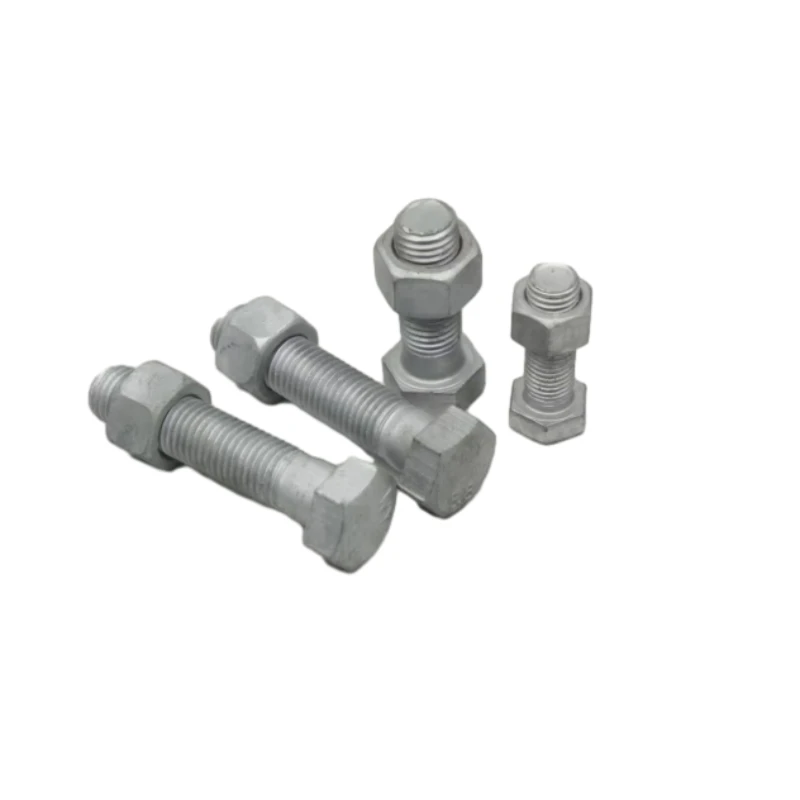
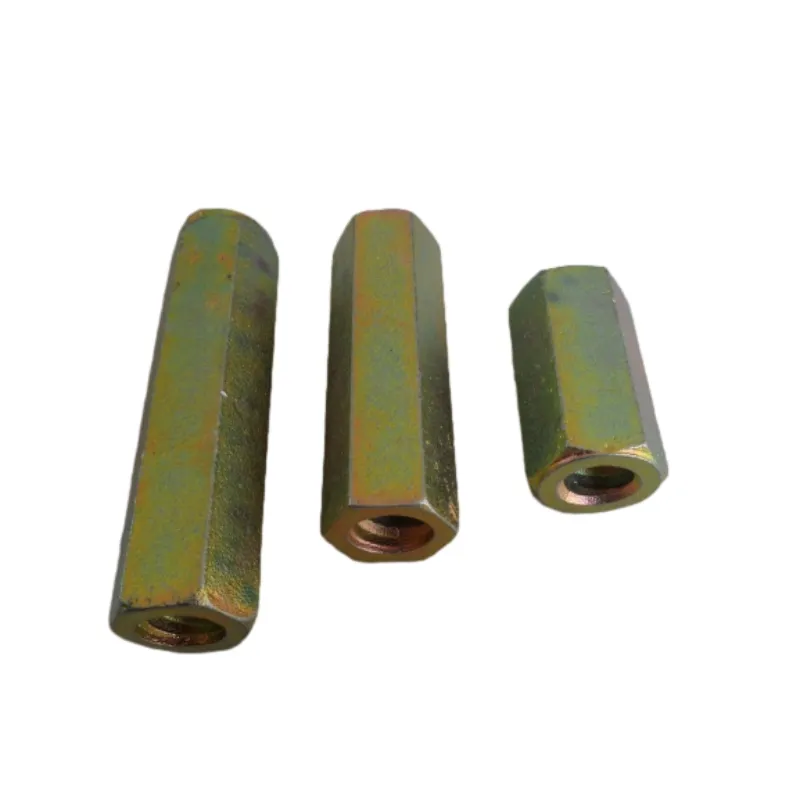
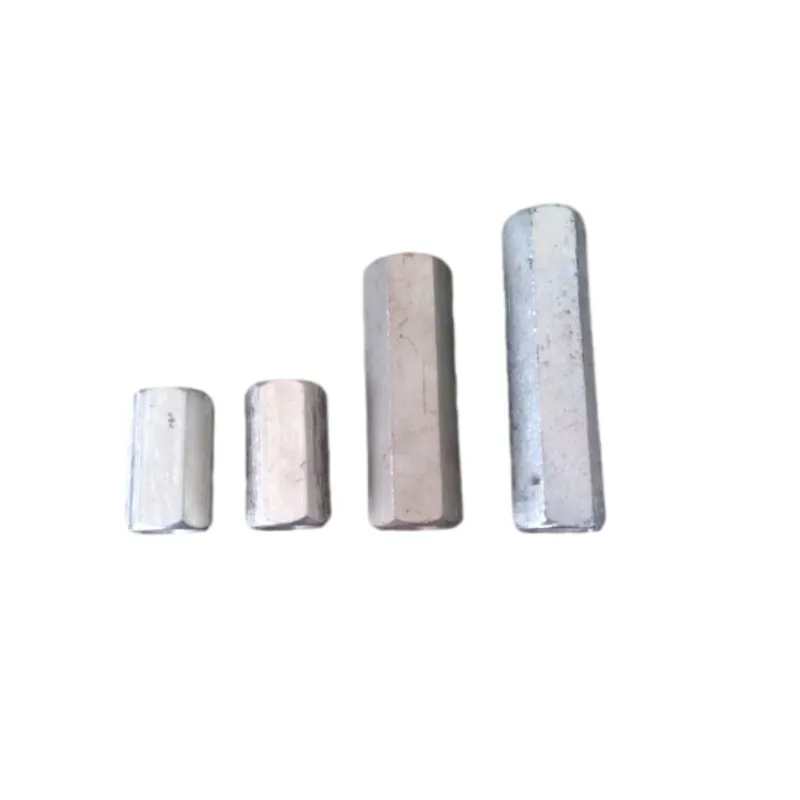
For steel and aluminum frames, advanced robotic welding or skilled manual TIG/MIG welding is employed to ensure robust, defect-free joints. Modular panels are assembled with precision fasteners, ensuring easy site assembly and disassembly. For example, our Hex Nut products (see product page) are often utilized in these assembly stages for secure fastening.
-
Surface Treatment and Finishing:
Metal components are typically hot-dip galvanized or powder-coated to provide superior corrosion resistance, extending service life significantly. Plywood panels may receive phenolic resin coatings for enhanced durability and concrete release properties. This step is crucial for achieving high reusability and minimizing concrete adhesion.
-
Quality Control and Testing:
Each component undergoes rigorous testing. This includes dimensional checks, weld integrity inspections (e.g., ultrasonic testing), material strength verification, and load-bearing capacity tests conforming to international standards such as ISO 9001:2015 for quality management, EN 12812 for falsework performance requirements, and ANSI/ASSE A10.9 for construction and demolition operations. Typical service life for well-maintained steel formwork can exceed 200 reuses.
Schematic Process Steps:
Material Prep
(Cutting, Sourcing)Forming
(CNC, Forging)Assembly
(Welding, Fastening)Treatment
(Galvanizing, Coating)QC & Testing
(ISO, EN Standards)This meticulous process ensures that our formwork components deliver exceptional performance, reliability, and extended service life, which are critical in demanding environments such as petrochemical plants, metallurgy facilities, and water supply & drainage infrastructure. For example, the corrosion resistance achieved through hot-dip galvanization is paramount in these aggressive industrial settings, significantly contributing to the overall energy saving through reduced maintenance and material replacement over the project lifecycle.
Technical Specifications and Performance Parameters
Selecting the right formwork for in situ concrete hinges on a thorough understanding of its technical specifications. These parameters dictate the system's suitability for specific project demands, ensuring safety, structural integrity, and economic viability.
Key Formwork System Specifications:
| Parameter | Description | Typical Range/Value | Relevant Standard |
|---|---|---|---|
| Material Composition | Primary materials used for panels and frames. | Steel (S355JR), Aluminum, Birch Plywood (Phenolic coated) | EN 10025, EN 13986 |
| Permissible Concrete Pressure | Maximum pressure the formwork can withstand without excessive deflection. | 60 kN/m² to 80 kN/m² (Vertical), 100 kN/m² (Horizontal) | EN 12812 |
| Deflection Limit | Maximum allowable deformation of formwork under load. | L/300 or L/500 (depending on concrete finish class) | ACI 347R |
| Panel Reusability (Lifespan) | Number of times a formwork panel can be used before replacement. | Steel: >200 uses, Aluminum: >150 uses, Plywood: 20-80 uses | Manufacturer Specific |
| Surface Finish Class | Quality of concrete surface achieved by the formwork. | F1 (Basic) to F4 (Architectural) | DIN 18217 |
| Weight per Unit Area | Weight of the formwork system per square meter. | 20-50 kg/m² (Modular Steel), 15-30 kg/m² (Aluminum) | Manufacturer Specific |
These specifications are crucial for engineers when designing concrete structures, as they directly impact the achievable concrete strength, curing time, and overall project schedule. Understanding the permissible concrete pressures is vital for preventing formwork failure, while deflection limits dictate the aesthetic and structural integrity of the final concrete element.
Versatile Application Scenarios
The adaptability of modern formwork systems allows for their application across a vast array of construction projects and structural elements. From foundational work to intricate architectural details, specialized formwork for in situ concrete solutions are deployed.
-
Formwork for Wall Construction:
Panel formwork systems, often large-area panels, are commonly used for vertical concrete elements such as shear walls, retaining walls, and building cores. These systems facilitate rapid assembly and provide excellent concrete surface quality. Our solutions excel in high-rise building construction and tunnel lining, ensuring structural integrity and tight dimensional control.
-
Formwork for Roof Beam and Slab Construction:
Specialized beam and slab formwork, utilizing system components like props, primary and secondary beams, and deck panels, are essential for creating horizontal concrete elements. These systems are designed to manage varying spans and depths, critical for multi-story buildings and complex architectural roof designs. Lightweight aluminum options offer significant advantages in speed and manual handling.
-
Formwork for Structural Reinforced Concrete:
This category encompasses formwork for columns, beams, foundations, and other load-bearing elements where precise rebar placement and concrete consolidation are paramount. Modular systems with adjustable dimensions are preferred for their versatility across diverse structural configurations. High-strength steel systems are often chosen for large-scale infrastructure projects requiring significant concrete volumes and pressures.
-
Formwork Ground Beam and Foundation Work:
Robust and stable formwork is critical for ground beams and raft foundations, which form the base of many structures. Trench formwork and specialized footing formwork ensure accurate dimensions and support heavy concrete loads, often in challenging ground conditions. Ease of assembly and robust bracing are key features for these applications.
Target industries benefiting from these advanced formwork solutions include petrochemical facilities (for their demanding structural requirements and corrosive environments), metallurgy (for heavy-duty foundations and structural elements), and water supply & drainage infrastructure (for watertight tanks, channels, and treatment plant components). The durability and precision of modern formwork contribute significantly to the longevity and safety of these critical assets.
Technical Advantages of Modern Formwork Systems
The adoption of advanced formwork systems offers a compelling suite of technical advantages that directly translate into improved project outcomes and operational efficiencies. These benefits are particularly pronounced for formwork for in situ concrete applications where precision and speed are critical.
-
Enhanced Efficiency and Speed:
Modular, lightweight components with integrated connection mechanisms drastically reduce erection and striking times. This translates to faster concrete pouring cycles and accelerated project completion, leading to significant time-cost savings. Automated or semi-automated systems further optimize labor input.
-
Superior Concrete Finish Quality:
High-grade form-facing materials, such as phenolic-coated plywood or steel, produce smooth, uniform concrete surfaces requiring minimal post-pour finishing. This is crucial for architectural concrete and structures where aesthetic appeal is as important as structural integrity.
-
Increased Safety on Site:
Integrated safety features like working platforms, guardrails, and non-slip surfaces minimize risks associated with working at height and around heavy machinery. Systemized formwork reduces the potential for human error in assembly, enhancing overall site safety compliance.
-
Durability and High Reusability:
Constructed from robust materials like galvanized steel and structural aluminum, modern formwork systems boast extended service lives and high reuse factors. This reduces material waste and procurement costs over multiple projects, aligning with sustainable construction practices.
-
Cost-Effectiveness and ROI:
While initial investment may be higher than traditional methods, the long-term savings from reduced labor, faster cycles, minimal rework, and high reusability result in a strong return on investment. Furthermore, the ability to achieve complex geometries without custom fabrication reduces specialized labor costs.
-
Corrosion Resistance (for specific materials):
Hot-dip galvanized steel components provide exceptional resistance to corrosion, making them ideal for projects in harsh environments (e.g., coastal areas, industrial sites, water treatment plants). This ensures structural integrity and extends the formwork's operational life even under challenging conditions.
Vendor Comparison: Key Criteria for Formwork Solutions
Choosing the right supplier for formwork for in situ concrete is a critical decision that impacts project timelines, budget, and quality. A comprehensive vendor comparison should evaluate not just product specifications but also service, support, and long-term value.
Formwork System Vendor Comparison Matrix:
| Feature/Criteria | Our Solution (WRK Formwork - Representative) | Vendor B (Competitor) | Vendor C (Specialized) |
|---|---|---|---|
| System Type | Modular Steel/Aluminum Panel Systems, Beam & Slab | Plywood Beam Formwork, limited Steel | Pre-assembled Large-area Panel Systems |
| Average Reusability (Steel/Alu) | 200+ uses | 80-120 uses | 150+ uses |
| Concrete Pressure Capacity | Up to 80 kN/m² (Vertical) | Up to 60 kN/m² | Up to 100 kN/m² (Specialized) |
| Customization Options | High (Bespoke engineering, modular adaptation) | Moderate (Standard panel sizes) | Moderate to High (Prefabricated modules) |
| Technical Support & Design | Full CAD/BIM integration, dedicated engineering team | Basic design assistance | Specialized project design support |
| Logistics & Delivery Time | Optimized global logistics, 3-6 weeks standard | Regional focus, 4-8 weeks | Project-specific, 6-10 weeks (due to customization) |
| Certifications | ISO 9001, EN 12812, CE Marking | Partial local certifications | ISO 9001, industry-specific accreditations |
Our solutions consistently meet and often exceed industry benchmarks, particularly in terms of reusability, concrete pressure capacity, and comprehensive technical support. This commitment to quality and service ensures clients receive durable, high-performance formwork systems backed by expert engineering.
Customized Solutions for Unique Project Requirements
Not all construction projects fit standard formwork dimensions. Complex architectural designs, unusual geometries, and specific site constraints often necessitate bespoke formwork for in situ concrete solutions. We specialize in developing tailored formwork systems that integrate seamlessly with unique project demands.
Our approach to customization involves:
- Advanced Design and Engineering: Leveraging BIM and 3D modeling, our expert engineers collaborate closely with clients to design formwork that perfectly matches complex structural elements, ensuring precision and constructability.
- Material Selection Optimization: Advising on the optimal material (e.g., steel, aluminum, special timbers) based on project-specific requirements like concrete pressure, reusability needs, weight restrictions, and environmental factors.
- Modular Adaptations: Modifying standard modular systems with custom infill panels, special corner solutions, or radius formwork for curved structures, providing the flexibility of modularity with the precision of bespoke design.
- Integrated System Features: Designing formwork with integrated climbing systems, specialized access platforms, or concrete pressure monitoring capabilities to enhance safety and efficiency for highly specific applications.
This dedication to customized solutions ensures that even the most challenging projects can proceed with maximum efficiency and confidence, delivering exceptional concrete structures.
Application Case Studies
Our robust and adaptable formwork solutions have been instrumental in the successful completion of numerous projects across diverse sectors. Here are a few examples showcasing the practical application and benefits of our formwork for in situ concrete systems:
Case Study 1: High-Rise Residential Tower – Metropolitan City
Challenge: Constructing the core walls and floor slabs for a 50-story residential tower with tight schedules and high demands for concrete surface finish.
Solution: We provided a combination of self-climbing formwork for the core walls and high-speed slab formwork. The climbing system significantly reduced crane dependency and ensured rapid, consistent pouring cycles for the vertical elements. For the floor slabs, our modular aluminum beam formwork allowed for quick assembly and striking, facilitating a 4-day floor cycle.
Outcome: The project achieved an average 20% reduction in concrete cycle time compared to traditional methods, delivering a superior, architectural concrete finish that minimized post-finishing work and met stringent quality standards.
Case Study 2: Industrial Water Treatment Plant – Coastal Region
Challenge: Building large, watertight concrete tanks and channels in a highly corrosive coastal environment, requiring exceptional durability and precise waterproofing.
Solution: Our heavy-duty, hot-dip galvanized steel formwork system was deployed for the tank walls and base slabs. The robust construction and superior corrosion resistance ensured the formwork integrity throughout the project. The precision of the formwork allowed for minimal joints, simplifying the waterproofing process and ensuring the long-term performance of the tanks.
Outcome: The project delivered high-quality, watertight concrete structures with exceptional longevity, demonstrating the critical advantage of corrosion-resistant formwork in challenging environments. The system's reusability also contributed to reduced material waste across multiple tank units.
Frequently Asked Questions (FAQ)
Q1: What are the main types of formwork systems you offer?
A1: We provide a comprehensive range of formwork solutions, including modular steel panel formwork, aluminum panel formwork, timber beam slab formwork, climbing formwork, and specialized custom formwork for various structural elements such as walls, slabs, columns, and beams. We also offer specific solutions for formwork for roof beam and formwork ground beam applications.
Q2: How do your formwork systems contribute to project safety?
A2: Our systems are designed with integrated safety features such as safe working platforms, guardrails, non-slip surfaces, and secure connection points. The modular nature and clear assembly instructions minimize risks associated with manual handling and incorrect erection, aligning with international safety standards like ANSI/ASSE A10.9.
Q3: Can your formwork be used for complex architectural concrete designs?
A3: Absolutely. We excel in providing customized formwork solutions for complex geometries and architectural concrete. Our engineering team utilizes advanced 3D modeling and design software to create bespoke formwork that ensures precise forms and high-quality finishes, even for intricate designs.
Lead Time, Warranty, and Customer Support
Lead Time & Fulfillment
Our standard lead time for off-the-shelf modular formwork systems typically ranges from 3 to 6 weeks, depending on order volume and specific components. For highly customized solutions or very large projects, lead times will be confirmed upon detailed project assessment and design approval. We maintain robust supply chain logistics to ensure timely delivery to project sites worldwide, providing transparent tracking and dedicated communication throughout the fulfillment process.
Warranty Commitments
We stand by the quality and durability of our formwork systems. All our products are backed by a comprehensive warranty against manufacturing defects and material failures under normal usage conditions. The specific warranty period varies by product type and material, typically ranging from 1 to 5 years, or a guaranteed number of reuses for system components, ensuring peace of mind for our clients. Full warranty details are provided with each quotation and product delivery.
Customer Support & After-Sales Service
Our commitment extends beyond delivery. We offer unparalleled customer support, including:
- Dedicated Project Management: A single point of contact for all project-related inquiries, from initial design to project completion.
- Technical Assistance: On-site or remote technical support for formwork assembly, usage, and troubleshooting.
- Training Programs: Comprehensive training for client teams on the safe and efficient use of our formwork systems.
- Spare Parts & Maintenance: Readily available spare parts and guidance on maintenance practices to maximize formwork lifespan.
We partner with leading construction firms and continuously receive positive feedback on our proactive support and responsive service, which are crucial for minimizing downtime and optimizing construction schedules.
Conclusion
The selection of appropriate formwork for in situ concrete is a foundational decision that profoundly influences the success of any construction project. By prioritizing robust technical specifications, embracing industry best practices, and partnering with experienced providers committed to quality and comprehensive support, B2B decision-makers can ensure structural integrity, enhance safety, optimize costs, and accelerate project delivery. The continuous evolution of formwork technology promises even greater efficiencies and capabilities, making it an exciting and essential field within modern construction.
References
- ACI Committee 347. (2014). Guide to Formwork for Concrete (ACI 347R-14). American Concrete Institute.
- European Committee for Standardization. (2006). EN 12812: Falsework - Performance requirements and general design. CEN.
- International Organization for Standardization. (2015). ISO 9001:2015 - Quality management systems - Requirements. ISO.
- American Society of Safety Engineers. (2016). ANSI/ASSE A10.9-2016: Safety Requirements for Concrete and Masonry Construction. ASSE.
Latest News
-
Adjustable U Jack: Essential Guide to Specifications, Applications & VendorsNewsDec.03,2025
-
Adjustable U Head Jack: Essential Guide to Benefits, Specs & Global UseNewsDec.03,2025
-
What Is an Adjustable U Head? Benefits, Uses & Supplier Comparison in ConstructionNewsDec.03,2025
-
Steel Joint Connector Nut: Essential Fastening Solutions for Modern InfrastructureNewsDec.02,2025
-
Nut Connector: Key Roles, Applications & Innovations in Modern IndustryNewsDec.02,2025
-
Nut Adaptor: A Key Component Bridging Industry Standards and Enhancing Assembly EfficiencyNewsDec.02,2025