Sep . 10, 2025 13:47 Back To List
Myth Busting: Can PVC Water Stoppers Withstand Extreme Earthquakes?
In the realm of construction, the resilience of building materials under extreme conditions is a topic of great interest. One such material that has sparked debate is the PVC water stopper. Often seen as a crucial component in waterproofing structures, its ability to withstand extreme earthquakes has been a subject of both curiosity and skepticism. This article aims to delve into the myths surrounding PVC water stoppers and provide a comprehensive understanding of their capabilities.
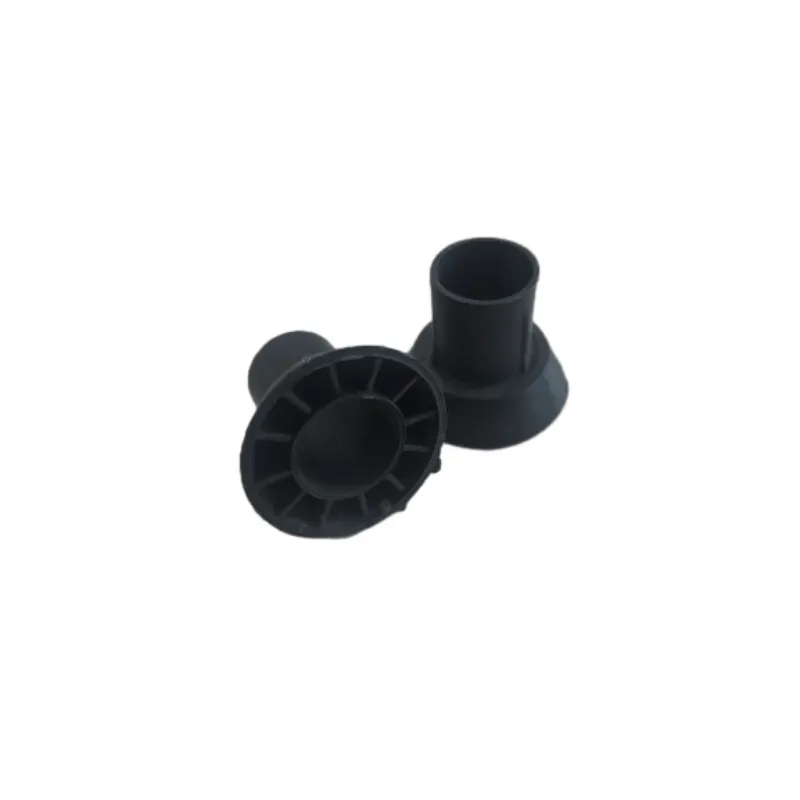
The Role of PVC Water Stoppers in Construction
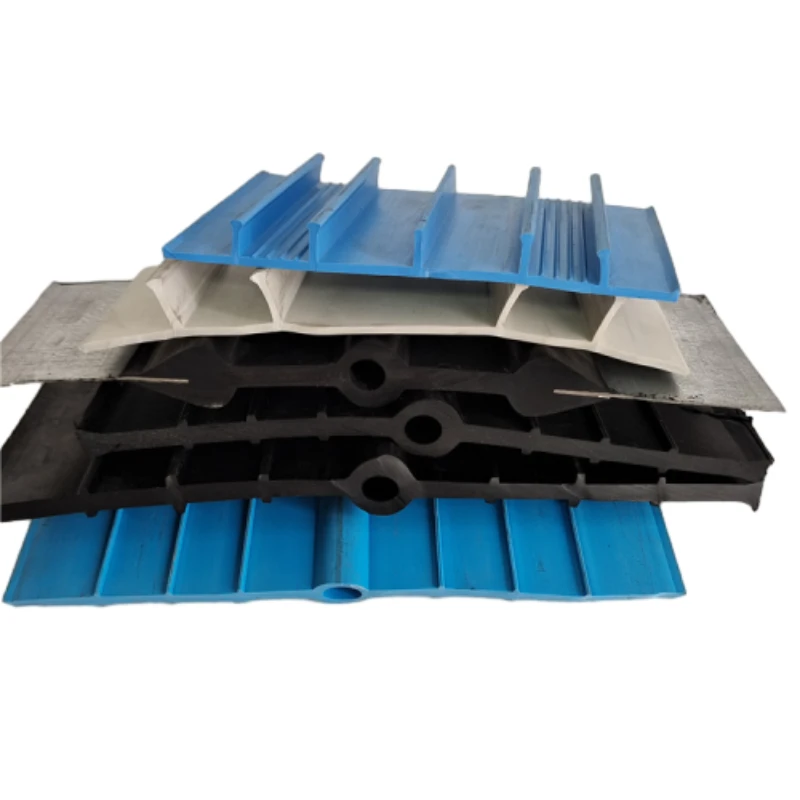
Waterstops are critical components in construction projects, particularly for structures requiring waterproofing. They are designed to prevent water from passing through the joints of concrete structures, ensuring the integrity and longevity of the building. PVC water stoppers have become a popular choice due to their versatility and cost-effectiveness. However, the question remains: how do they fare in extreme conditions such as earthquakes?
l The Composition and Strength of PVC Water Stoppers
PVC water stoppers are made from high-quality polyvinyl chloride (PVC), which is known for its durability and flexibility. These properties make PVC water stoppers an ideal choice for preventing water seepage in concrete joints. The flexibility of PVC allows it to adapt to minor movements in the structure, which is a common occurrence in buildings. However, the real test lies in how well it can withstand more severe events like earthquakes.
l The Testing and Certification Process
To determine the effectiveness of PVC water stoppers in extreme conditions, rigorous testing is conducted. These tests simulate various scenarios, including seismic activity, to ensure that the product meets the required standards. Many PVC water stoppers undergo certification processes that verify their ability to withstand significant stress without compromising their waterproofing capabilities. This testing is crucial in debunking myths about the limitations of PVC materials in construction.
l Real-World Applications and Case Studies
Several case studies have demonstrated the effectiveness of PVC water stoppers in real-world scenarios. For instance, in regions prone to earthquakes, buildings equipped with PVC water stoppers have shown minimal damage to their waterproofing systems. These examples highlight the resilience of PVC materials and provide empirical evidence that challenges the notion that they cannot withstand extreme earthquakes. By examining these cases, we can better understand the potential of PVC water stoppers in various construction projects.
Debunking the Myths about PVC Water Stoppers
Despite the evidence supporting the durability of PVC water stoppers, several myths persist. One common misconception is that PVC materials are inherently weak and unable to handle significant stress. However, advancements in material science have significantly improved the strength and flexibility of PVC, making it a reliable choice for construction projects.
l The Myth of PVC Fragility
The idea that PVC water stoppers are fragile is a myth that needs to be addressed. Modern PVC materials are engineered to withstand a wide range of conditions, including seismic activity. The flexibility of PVC allows it to absorb and distribute stress, reducing the risk of damage during earthquakes. This property makes PVC water stoppers a practical and cost-effective solution for waterproofing concrete structures.
l The Impact of Seismic Activity on PVC Water Stoppers
When examining the impact of seismic activity on PVC water stoppers, it is important to consider the design and installation process. Properly installed PVC water stoppers can effectively prevent water seepage even in the event of an earthquake. The key lies in ensuring that the water stoppers are correctly placed and secured within the concrete joints. This careful installation process, combined with the inherent properties of PVC, ensures that the waterproofing system remains intact.
l The Role of Proper Installation
The effectiveness of PVC water stoppers in extreme conditions is heavily dependent on proper installation. Construction teams must follow strict guidelines to ensure that the water stoppers are correctly positioned and integrated into the concrete structure. This attention to detail is crucial in maximizing the durability and reliability of the waterproofing system. By adhering to these guidelines, builders can significantly enhance the resilience of their structures, even in the face of extreme events like earthquakes.
The Future of PVC Water Stoppers in Construction
As technology continues to advance, so too does the potential of PVC water stoppers. Innovations in material science and engineering are constantly improving the strength and flexibility of PVC, making it an even more viable option for construction projects. The future of PVC water stoppers looks promising, with ongoing research and development aimed at enhancing their performance in extreme conditions.
l Advancements in Material Science
Recent advancements in material science have led to the development of high-performance PVC compounds. These new materials offer improved resistance to stress and deformation, making PVC water stoppers even more resilient in the face of seismic activity. By incorporating these advanced materials, construction projects can benefit from enhanced waterproofing solutions that stand up to the most challenging conditions.
l The Potential for Enhanced Performance
The potential for enhanced performance of PVC water stoppers is significant. As research continues, we can expect to see further improvements in the durability and flexibility of these products. This means that future constructions will be better equipped to handle extreme events like earthquakes, ensuring the long-term integrity of the structures. The ongoing development of PVC water stoppers is a testament to their importance in modern construction.
l The Importance of Continuous Improvement
Continuous improvement is essential in the field of construction materials. For PVC water stoppers, this means staying at the forefront of technological advancements and incorporating new innovations into their design. By doing so, manufacturers can ensure that their products remain relevant and effective in an ever-changing environment. This commitment to improvement is crucial in maintaining the reliability of PVC water stoppers as a key component in waterproofing solutions.
FAQ:About PVC Water Stoppers
Are PVC Water Stoppers Suitable for Seismic Zones?
Yes, PVC water stoppers are suitable for seismic zones. Modern PVC materials are designed to withstand significant stress and deformation, making them a reliable choice for waterproofing concrete structures in earthquake-prone areas. Proper installation and the use of high-quality materials further enhance their resilience.
How Do PVC Water Stoppers Compare to Other Materials?
PVC water stoppers offer several advantages over other materials. They are cost-effective, flexible, and durable. Compared to metal or rubber water stoppers, PVC provides a balance of strength and flexibility that is ideal for preventing water seepage in concrete joints. Additionally, PVC is easier to install and maintain, making it a preferred choice for many construction projects.
What Is the Lifespan of a PVC Water Stopper?
The lifespan of a PVC water stopper can vary depending on factors such as installation quality, environmental conditions, and material quality. However, with proper installation and maintenance, PVC water stoppers can last for decades. High-quality PVC materials and regular inspection can further extend their lifespan, ensuring long-term waterproofing protection.
Can PVC Water Stoppers Be Recycled?
Yes, PVC materials can be recycled. This makes PVC water stoppers an environmentally friendly option for construction projects. Recycling PVC reduces waste and conserves resources, making it a sustainable choice for builders and developers. The recyclability of PVC also adds to its overall appeal as a construction material.
How Can I Ensure the Proper Installation of PVC Water Stoppers?
To ensure the proper installation of PVC water stoppers, it is crucial to follow the manufacturer's guidelines. This includes selecting the appropriate size and type of water stopper for the specific application, as well as ensuring that the installation process is carried out by trained professionals. Regular inspection and maintenance can also help identify and address any issues before they become significant problems.
In conclusion, PVC water stoppers have proven their worth in the construction industry. Despite the myths surrounding their ability to withstand extreme earthquakes, the evidence supports their durability and effectiveness. As technology continues to advance, PVC water stoppers will only become more resilient and reliable. We encourage wholesalers to promote these products and invite everyone to order from our company. Together, we can build structures that stand the test of time, even in the face of the most challenging conditions.
Latest News
-
Concrete Form Tie - Cangzhou World Cup Trading Co., Ltd. | Durable Construction Solutions&Secure FasteningNewsFeb.27,2026
-
Concrete Form Tie - Cangzhou World Cup Trading Co., Ltd. | Durable Construction Solutions&Secure FasteningNewsFeb.27,2026
-
Concrete Form Tie - Cangzhou World Cup Trading Co., Ltd. | Durable Construction Solutions&Secure FasteningNewsFeb.27,2026
-
Comprehensive Guide to PVC Profile Window Selection and BenefitsNewsFeb.27,2026
-
Comprehensive Guide to PVC Profile Applications Manufacturing and Future TrendsNewsFeb.26,2026
-
Comprehensive Guide to PVC Molding Profiles for International Trade and ManufacturingNewsFeb.25,2026