Oct . 06, 2025 00:35 Back To List
Need durable roofing materils with fast delivery?
PVC Ruber Profile in modern roofing materils supply chains
I’ve walked more job sites than I can count, and one lesson keeps coming back: roofs fail at the edges and joints, not in the middle. That’s why flexible profiles and seals quietly decide whether a system lasts 5 years or 25. Today we’re talking about PVC Ruber Profile from Hebei—made in the Development Area of Botou, Cangzhou City, to be precise—and how it’s shaping the conversation around roofing materils for pros who care about long-term performance.
Industry trends (and what contractors are asking for)
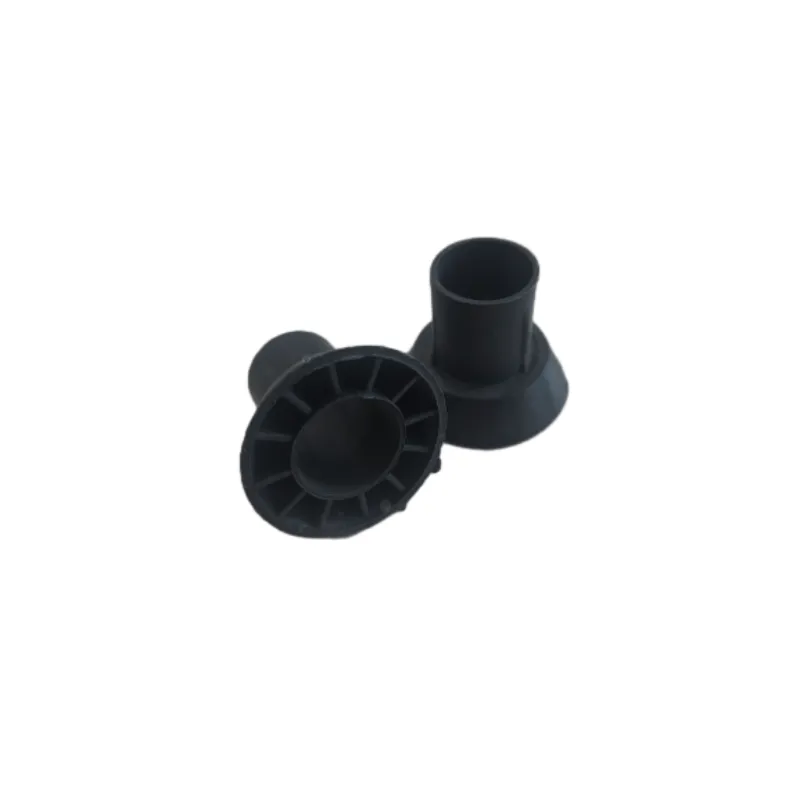
Three trends dominate site meetings now: polymer membranes (PVC/TPO/EPDM), fast installs with fewer wet trades, and components that tolerate heat swings. Profiles that can bridge dissimilar materials—metal edge, PVC membrane, concrete parapet—are winning bids. Many customers say they want “fit-and-forget” trims and gaskets that handle UV, ponding water, and the occasional foot traffic. Honestly, I don’t blame them.
What is PVC Ruber Profile, really?
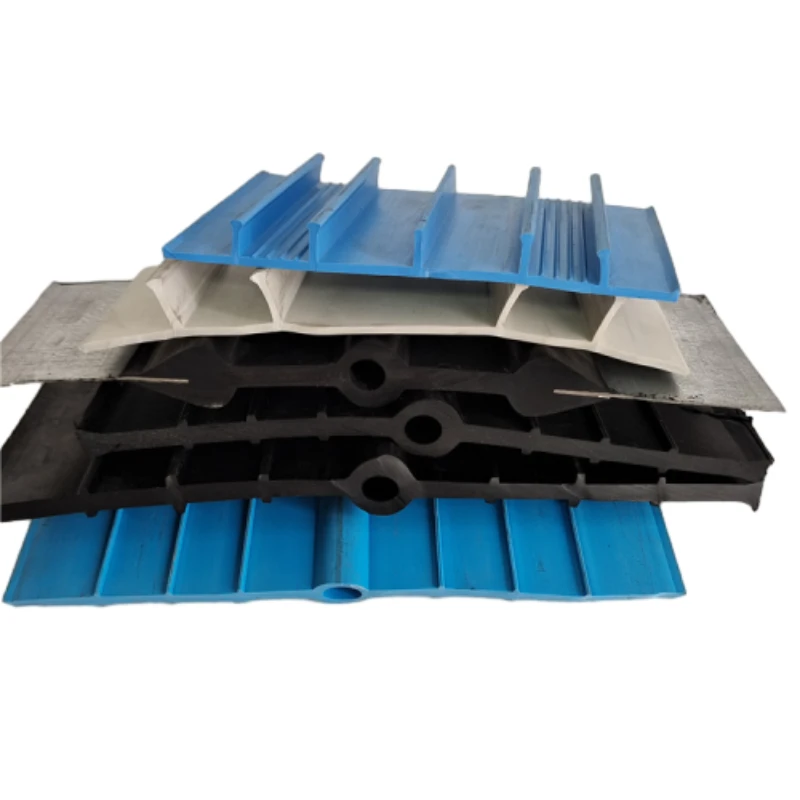
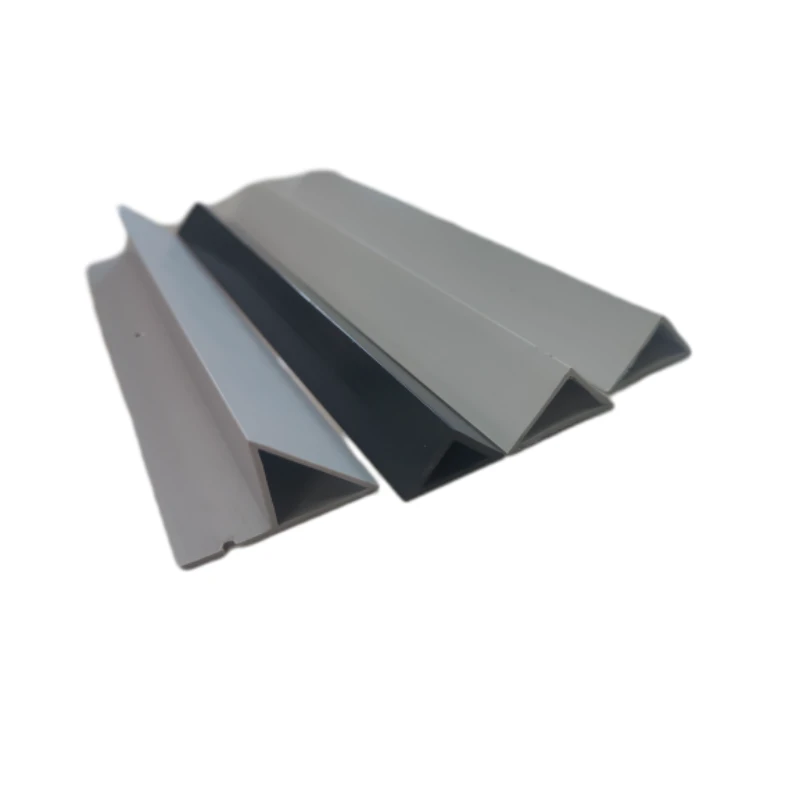
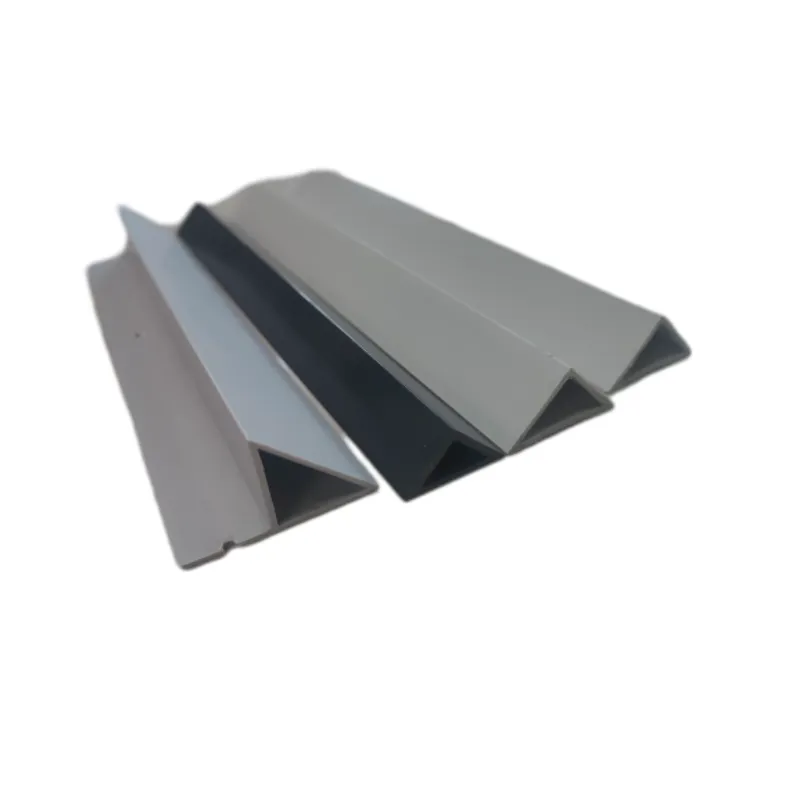
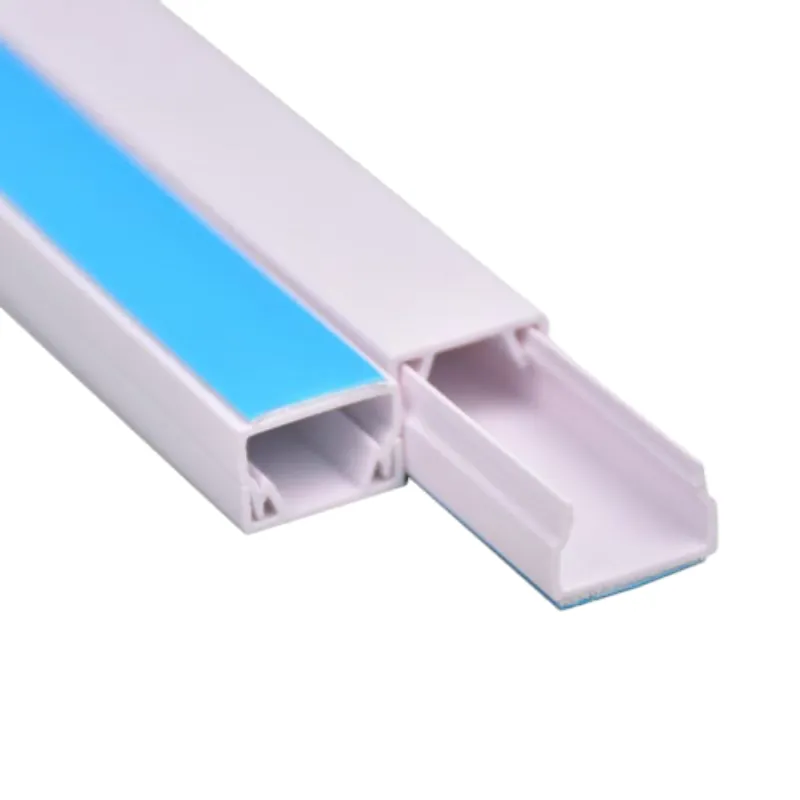
Think flexible PVC (with rubber-like elasticity) extruded into custom shapes—U-channels, T-edges, bulb seals, and expansion joints. It’s used across roofing materils as edge trims, membrane terminations, skylight gaskets, and PV rack isolators. The factory behind it runs 10+ production lines and serves multiple industries, but their roofing-focused blends are the interesting ones for us.
Specification snapshot (typical values)
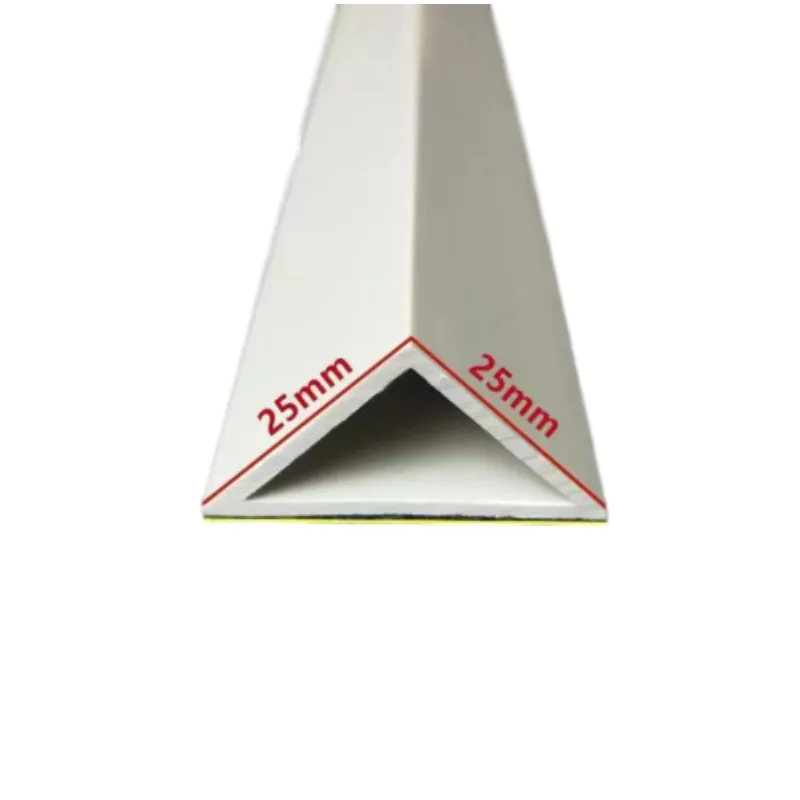
| Material system | Flexible PVC elastomer blend |
| Hardness (Shore A) | ≈ 70±5 (ISO 868) |
| Tensile strength | ≈ 12–15 MPa (ASTM D412) |
| Elongation at break | ≈ 250–320% (ASTM D412) |
| Temperature range | -25°C to +80°C (real-world use may vary) |
| UV/Ozone resistance | Pass (ASTM D1149; ISO 4892 aging) |
| Available profiles | U, T, bulb, dovetail; custom dies on request |
Process flow and testing (how it’s made and proven)
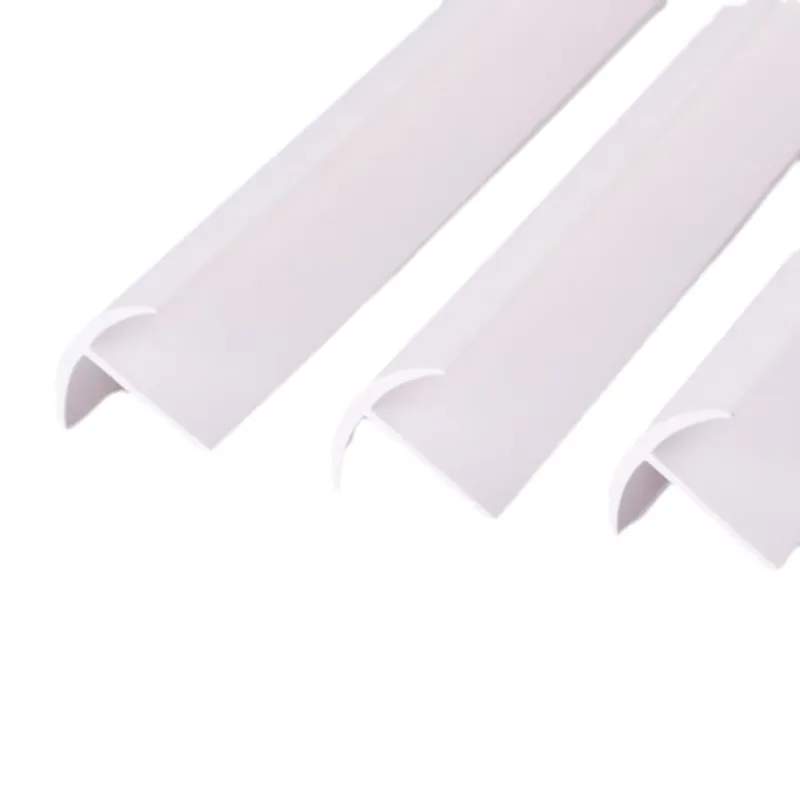
Materials: PVC resin + plasticizers + UV stabilizers + anti-ozonants. Methods: precision extrusion, water-bath cooling, inline laser dimension checks, cut-to-length, and batch QC. Testing: tensile/elongation (ASTM D412), tear resistance (ASTM D624), hardness (ISO 868), heat-aging (ISO 188), and membrane-compatibility checks for common roofing materils like PVC and TPO. Expected service life: around 15–25 years depending on exposure, color, and detailing quality.
Where it’s used (and why it helps)
- Low-slope commercial roofs: edge trims, parapet seals, termination bars backup- Metal roofs: anti-capillary profiles and isolation between dissimilar metals
- Solar mounts: vibration-damping and water-shedding around penetrations
- Facades and canopies: expansion joints where movement is expected
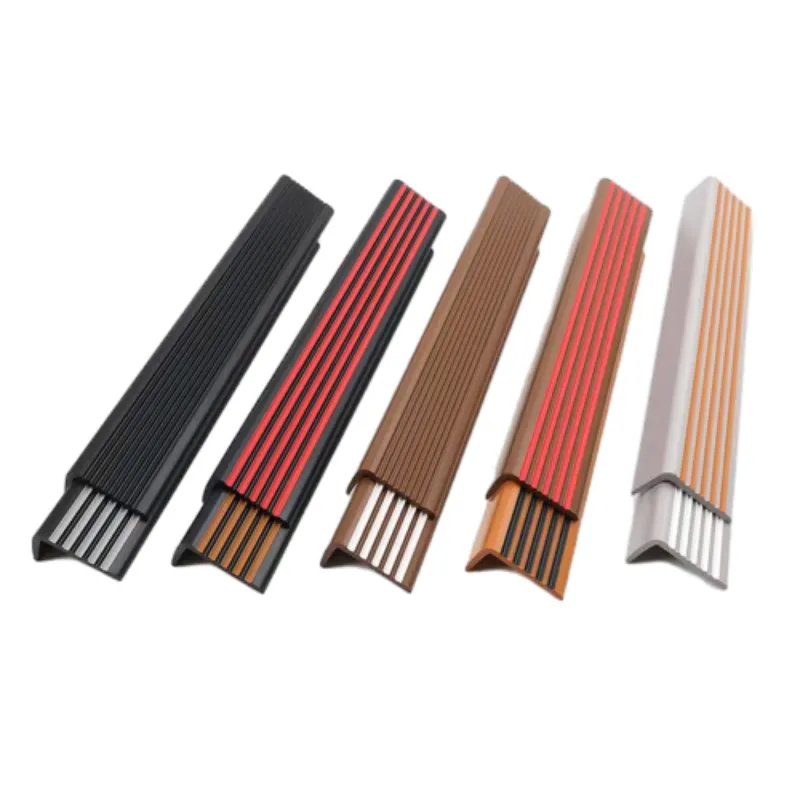
Advantages include quick install (dry fit), consistent dimensions, corrosion immunity, and decent chemical resistance. Feedback I hear: “clean edges, fewer callbacks.” Fair enough.
Vendor comparison (condensed)
| Vendor | Origin | MOQ | Lead time | Certs | Notes |
|---|---|---|---|---|---|
| WRK (PVC Ruber Profile) | Botou, Cangzhou, Hebei, China | ≈ 500–1,000 m | 10–20 days | ISO 9001; material RoHS | Custom dies; stable color matching |
| Local OEM A | Regional | Low | 7–14 days | ISO 9001 | Fast prototyping; limited color range |
| Import Brand B | EU | High | 3–6 weeks | CE; EN 13956 materials | Premium pricing; strong documentation |
Customization and real-world cases
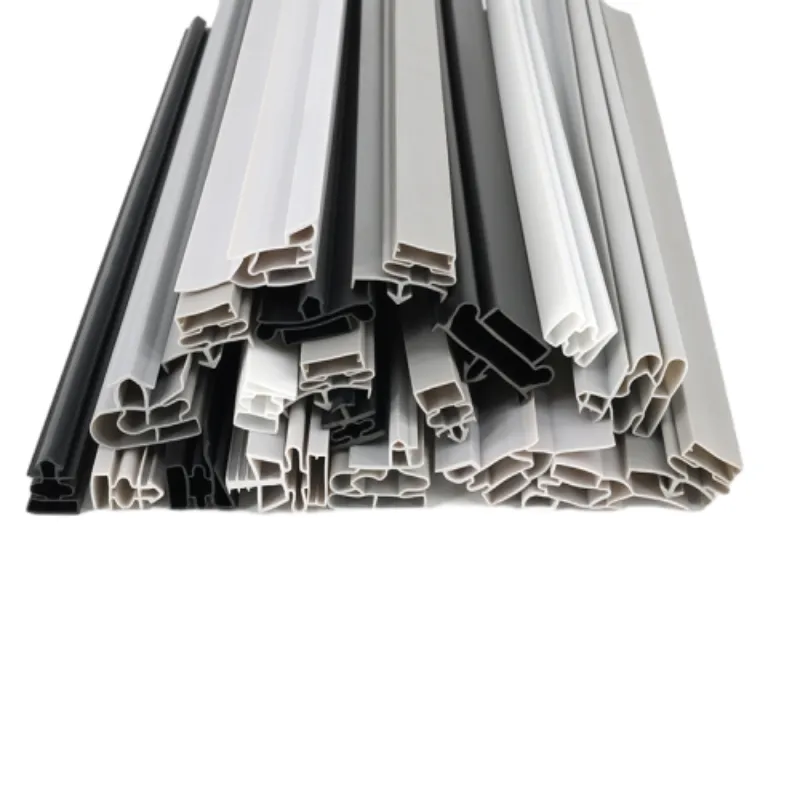
Customization: durometer tuning (±5 Shore A), color to match membranes (light gray, white, black), co-extruded seals, and punch patterns for faster fixing. One logistics warehouse retrofit (Ohio) swapped cracked EPDM gaskets for PVC profiles—leaks dropped to zero through two freeze-thaw cycles. Another coastal hotel (Xiamen) chose light-gray profiles; after 18 months, UV chalking was minimal—surprisingly good, given salt exposure.
Standards, compliance, and notes
While profiles aren’t membranes, smart buyers still ask for references to ASTM D412/D624, EN 13956 compatibility, and fire-class context (UL 790 pertains to roof assemblies). For PVC membranes, ASTM D4434 is the benchmark; you want accessories that play nicely with that ecosystem of roofing materils.
Bottom line
If edge integrity matters—and it does—PVC Ruber Profile is a practical, budget-sane way to harden details. It won’t replace good design or workmanship, but it gives crews forgiving tolerances and long-haul durability. To be honest, that’s what keeps callbacks off my calendar.
Authoritative citations
- ASTM D4434: Standard Specification for Poly(Vinyl Chloride) Sheet Roofing
- EN 13956: Flexible sheets for waterproofing — Plastic and rubber sheets for roof waterproofing
- ASTM D412: Standard Test Methods for Vulcanized Rubber and Thermoplastic Elastomers—Tension
- ASTM D624: Tear Strength of Conventional Vulcanized Rubber and Thermoplastic Elastomers
- ISO 4892: Plastics — Methods of exposure to laboratory light sources
- UL 790: Standard Test Methods for Fire Tests of Roof Coverings
Latest News
-
Adjustable U Jack: Essential Guide to Specifications, Applications & VendorsNewsDec.03,2025
-
Adjustable U Head Jack: Essential Guide to Benefits, Specs & Global UseNewsDec.03,2025
-
What Is an Adjustable U Head? Benefits, Uses & Supplier Comparison in ConstructionNewsDec.03,2025
-
Steel Joint Connector Nut: Essential Fastening Solutions for Modern InfrastructureNewsDec.02,2025
-
Nut Connector: Key Roles, Applications & Innovations in Modern IndustryNewsDec.02,2025
-
Nut Adaptor: A Key Component Bridging Industry Standards and Enhancing Assembly EfficiencyNewsDec.02,2025