Dec . 02, 2025 03:40 Back To List
Plastic Concrete Form Ties: Innovations, Benefits, and Global Use Cases
Understanding Plastic Concrete Form Ties: The Backbone of Modern Concrete Construction
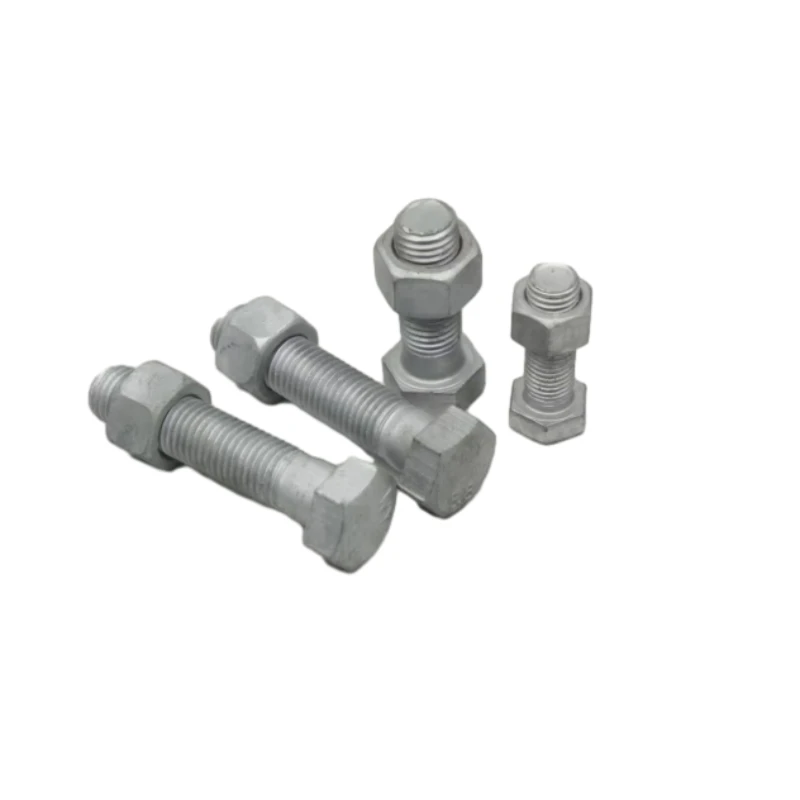
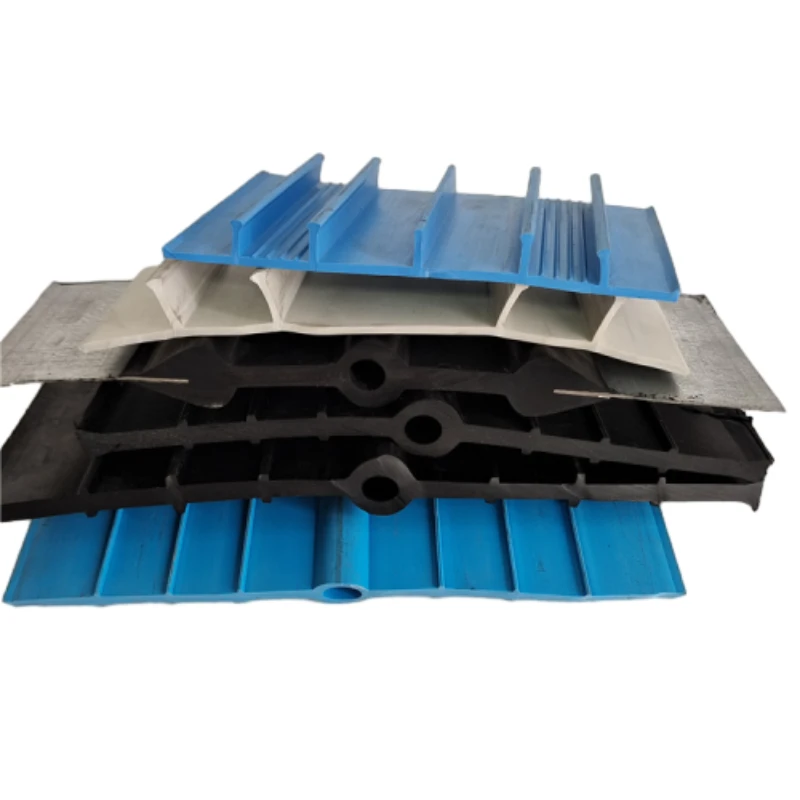
Concrete formwork has been around for centuries, but if you’ve ever seen a concrete wall in progress, the humble plastic concrete form ties are the silent workhorses holding everything in place. Oddly enough, these somewhat unassuming components have a global relevance that many might overlook. Why? Because they directly impact construction efficiency, sustainability, and safety across industries and continents.
In real terms, plastic concrete form ties solve a fundamental problem: keeping the concrete molds steady under immense pressure while allowing easy removal once the concrete cures. And understanding these ties isn’t just for construction professionals—it matters for global development, humanitarian aid, and even industrial innovation. Especially as the world demands faster, greener, and more reliable building solutions.
Introduction: Global Reach and Industry Context
Concrete remains the world’s most widely used construction material, with global consumption rising steadily owing to urbanization and infrastructure projects. According to the International Concrete Sustainability Council, the worldwide value of concrete-related construction is projected to exceed $600 billion annually. Yet, traditional concrete form ties, often metal-based, carry sustainability and safety challenges.
Plastic concrete form ties are increasingly favored as they tackle corrosion, recycling issues, and handling risks. For disaster relief housing or massive infrastructure builds in humid or coastal regions, these plastic ties bring tangible benefits. They prevent rust-related failures, reduce cleanup time, and streamline reusability, meeting standards like ISO 15686 for durability and safety.
What Are Plastic Concrete Form Ties?
Simply put, plastic concrete form ties are flexible, non-metallic connectors used to brace concrete formwork panels. They keep the mold sides from shifting when wet concrete is poured and curing, then either snap off or are easily removed to leave a clean concrete surface. Because they’re made from high-strength polymers, they resist corrosion and are lightweight.
This innovation links closely to modern construction’s demand for faster installation, safer handling, and greener footprint. In humanitarian contexts—think post-earthquake shelters—the ease of rapid deployment and elimination of rust risks can mean the difference between quick recovery and costly delays.
Core Aspects of Plastic Concrete Form Ties
1. Durability
Unlike steel ties, plastics aren’t vulnerable to rust or corrosion, extending formwork life in wet or salty environments. This boosts product reliability and reduces maintenance — a clear win, especially in tropical or marine construction projects.
2. Ease of Use and Safety
Plastic ties are lighter and safer to handle, minimizing worker injuries from sharp metal edges. Installation is simpler, letting crews focus more on precision and less on heavy lifting.
3. Cost Efficiency
Though the upfront cost can be slightly higher, the lifecycle savings from durability and reusable formwork often offset this. Plus, less downtime and cleanup translate to tighter schedules and lower labor costs.
4. Sustainability
Made from recyclable polymers, plastic ties reduce landfill waste and eliminate rust contamination in concrete debris. Some manufacturers even use recycled plastics, closing the loop on material usage.
5. Versatility
These ties come in various sizes and strength ratings, customizable to specific project demands — from high-rise commercial builds to makeshift emergency housing.
Plastic Concrete Form Ties Product Specification Table
| Specification | Detail |
|---|---|
| Material | High-impact Polypropylene, UV stabilized |
| Tensile Strength | Up to 5000 N |
| Maximum Pour Pressure | Up to 80 kPa |
| Dimensions | Lengths 10mm to 50mm thickness, customizable widths |
| Environmental Resistance | UV, water, chemical resistant |
| Recyclability | 100% recyclable, some use recycled material |
Global Applications and Use Cases
Plastic concrete form ties have found their way across a variety of applications worldwide. In seismic-prone zones like Japan and California, they provide safer and quicker formwork solutions, indispensable when lives depend on structural integrity. Humanitarian organizations deploying fast housing in post-disaster areas of Southeast Asia and Africa benefit from their light weight and corrosion resistance, speeding up shelter construction under challenging conditions.
In remote industrial zones such as offshore facilities or cold climates in Scandinavia, the reduced weight and non-corrosive nature simplify logistics and extend equipment lifespans. Even large urban projects in Europe and the Middle East have adopted these ties to comply with stricter sustainability mandates.
Vendor Comparison: Leading Plastic Concrete Form Tie Manufacturers
| Vendor | Product Range | Sustainability | Global Support | Pricing Tier |
|---|---|---|---|---|
| PolyForm Systems | Wide (5 sizes) | Fully recyclable materials, solar-powered production | Worldwide | Moderate |
| EcoTie Corporation | Moderate (3 sizes) | Use of recycled plastics, low emissions inventory | North America, Europe | Budget-friendly |
| FormLock Technologies | Extensive (7 sizes + custom) | Certified carbon neutral, biodegradable blend options | Global with service hubs | Premium |
Advantages and Long-Term Value of Plastic Concrete Form Ties
Let’s be honest — the long-term value is often underestimated. Beyond the obvious cost savings, these ties contribute to sustainability by reducing waste and the carbon footprint of construction. That’s a big emotional and logical win in a world mindful of climate change.
Safety and durability mean lower risks for workers and fewer failures on-site — fostering trust between contractors, clients, and communities. And when shelters go up faster in disaster zones, there’s a human dignity and hope component that’s hard to quantify but deeply felt.
Future Trends and Innovations
Looking ahead, expect smarter composite materials that incorporate recycled ocean plastics or bio-resins to hit the market. Digital transformation in concrete formwork means ties embedded with sensors could monitor tension and deformation in real time, preventing structural issues early on. Automation in manufacturing, combined with stricter sustainability policies worldwide, will keep pushing plastic concrete form ties into the spotlight.
Challenges and Solutions
Plastic form ties aren’t perfect. They face challenges like limited load-bearing capacity compared to steel and recycling logistics in certain regions. Still, many manufacturers invest in R&D, developing high-strength polymers and circular economy programs to close these gaps.
Training labor to switch from metal to plastic systems can be a cultural hurdle but is answered through better educational programs and proof-of-concept projects demonstrating clear benefits on-site.
FAQ: Common Questions About Plastic Concrete Form Ties
- Q: Are plastic form ties as strong as traditional steel ties?
A: While plastic ties generally have lower tensile strength than steel, modern high-impact polypropylene versions can handle most typical pour pressures safely, especially when properly specified and installed. - Q: How do plastic ties improve sustainability?
A: They reduce rust and concrete contamination waste, are often recyclable, and have a longer usable life, contributing to lower environmental impact over multiple construction cycles. - Q: Can plastic concrete form ties be used in extreme climates?
A: Yes, many plastic tie products are UV stabilized and chemical resistant, making them suitable for humid, coastal, or cold environments. - Q: What happens to the ties after concrete curing?
A: Most plastic ties are designed to snap off cleanly or be easily extracted, allowing reuse of forms without leftover debris. - Q: Are plastic form ties compatible with existing formwork systems?
A: Generally yes, but compatibility depends on form panel spacing and design. Many manufacturers offer adaptable tie sizes and options for retrofit projects.
Conclusion and Call to Action
Plastic concrete form ties offer sustained value by merging safety, efficiency, and sustainability in one neat package. From skyscraper construction to emergency housing, their robust performance changes how we build - for the better.
If you’re intrigued by innovative formwork solutions, do check out our website for detailed product info, technical guides, and case studies to advance your next project.
Mini-takeaway: Plastic concrete form ties may seem small, but their impact on the global construction landscape is anything but.
References:
Latest News
-
Adjustable U Jack: Essential Guide to Specifications, Applications & VendorsNewsDec.03,2025
-
Adjustable U Head Jack: Essential Guide to Benefits, Specs & Global UseNewsDec.03,2025
-
What Is an Adjustable U Head? Benefits, Uses & Supplier Comparison in ConstructionNewsDec.03,2025
-
Steel Joint Connector Nut: Essential Fastening Solutions for Modern InfrastructureNewsDec.02,2025
-
Nut Connector: Key Roles, Applications & Innovations in Modern IndustryNewsDec.02,2025
-
Nut Adaptor: A Key Component Bridging Industry Standards and Enhancing Assembly EfficiencyNewsDec.02,2025