Dec . 03, 2025 19:42 Back To List
Scaffold Screw: Essential Fasteners for Safe and Reliable Scaffolding
Understanding Scaffold Screws: The Backbone of Modern Construction
In the world of construction and formwork, scaffold screws quietly play a huge role — though they often go unnoticed outside of industry circles. But these little fasteners are fundamental for creating safe, stable scaffolding systems that support workers and materials alike. Given the pace of infrastructure growth globally, especially in burgeoning urban centers and developing regions, understanding the significance of scaffold screws matters more than you might think. Not only do they ensure safety, but their design innovation also supports cost-effective, scalable construction — which is vital for sustainable progress around the world.
Introduction: Why Scaffold Screws Matter on a Global Scale
According to the World Bank, infrastructure investment has surged over the last decade, topping trillions of dollars worldwide. With construction booming, especially in Asia and Africa, scaffold screws are at the core of building temporary structures quickly and securely. Agencies like ISO also emphasize safety standards for scaffolding components, underlining how critical reliable hardware is for worker wellbeing.
One challenge is that not all scaffold screws are created equal — substandard materials or poor design can lead to catastrophic failures. For humanitarian projects, where time and safety are paramount, the quality of these fasteners really makes a difference.
Defining Scaffold Screws: What Are They Exactly?
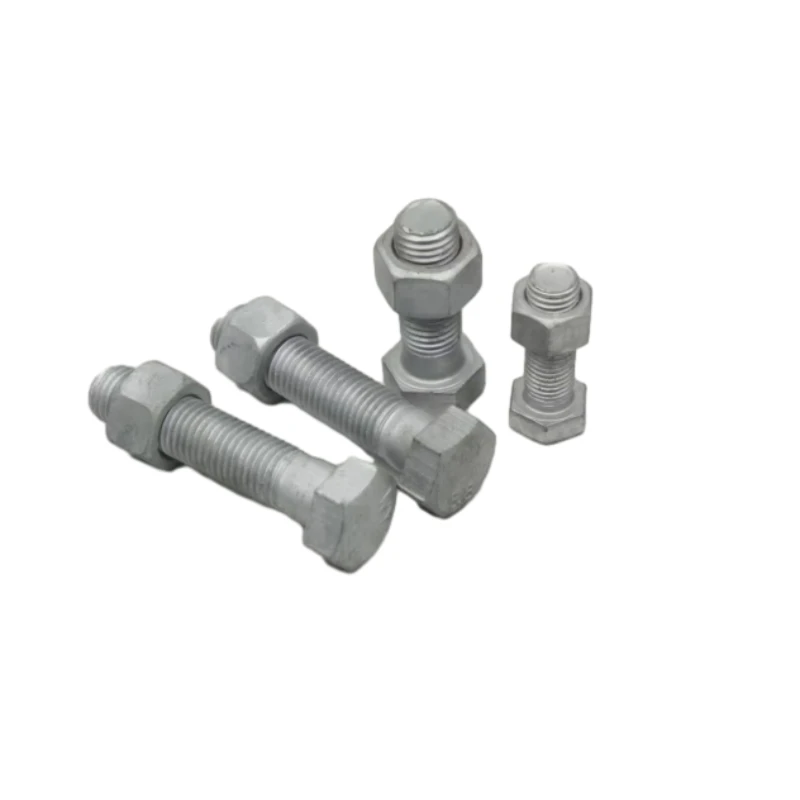
In simple terms, a scaffold screw is a specialized fastener designed to securely join scaffold pipes or components, ensuring the entire structure remains rigid and safe under load. Unlike regular screws, these are made from high-strength steel often treated for corrosion resistance. They have unique thread patterns and heads to lock tightly into scaffold couplers or fittings.
This small piece of hardware is indispensable in building scaffolds for construction sites, event stages, or even emergency shelters. Their reliability often underwrites the safe completion of large-scale projects and humanitarian relief efforts alike.
Key Factors Behind Effective Scaffold Screws
1. Durability
Since scaffold screws endure heavy loads and variable weather, they must be highly durable. Materials like galvanized or stainless steel are common choices to prevent rust and fatigue.
2. Load Capacity
The ability to hold weight without deforming is crucial. A scaffold screw’s thread strength and core thickness determine how much tension and shear force it withstands in practice.
3. Corrosion Resistance
Often exposed to rain, dust, and chemicals onsite, scaffold screws equipped with protective coatings maintain longevity, reducing replacement frequency.
4. Ease of Installation
A practical screw should be quick and easy to fasten — saving labor time and fitting tightly without tools stripping the thread.
5. Compliance with Standards
Meeting international safety norms (such as ISO 9001 and EN 74) isn’t just bureaucratic red tape – it ensures consistency and reliability in the field.
Mini Takeaway:
Choosing scaffold screws isn’t about aesthetics but about engineering precision, safety, and durability — all critical to project success.
Global Applications of Scaffold Screws
These fasteners find use across construction sectors:
- Urban Infrastructure: Skyscraper developments in China and the Middle East rely heavily on modular scaffolding fastened by high-grade scaffold screws for safety and speed.
- Post-Disaster Relief: After earthquakes or floods, scaffold screws enable rapid assembly of temporary shelters and platforms.
- Remote Industrial Sites: Mining and oil rigs in harsh climates use corrosion-resistant screws to maintain stability over years.
- Event and Film Production: Temporary stages and sets use specially designed screws for quick assembly and breakdown.
In humanitarian contexts, NGOs often prioritize scaffold screws certified to withstand harsh weather, ensuring safety for displaced populations.
Product Specification Table: Example Scaffold Screw
| Specification | Details |
|---|---|
| Material | Galvanized Steel (Grade 8.8) |
| Length | 70 mm |
| Thread Type | Coarse Thread with Locking Feature |
| Corrosion Resistance | Hot-Dip Galvanized |
| Load Capacity | Up to 10 kN (kilonewtons) |
Advantages & Long-Term Value of Quality Scaffold Screws
Investing in reliable scaffold screws translates to a slew of benefits:
- Safety First: Prevention of scaffold collapse means lives saved — hard to put a price on that.
- Cost Efficiency: Durable screws lower replacement and maintenance costs over project lifetimes.
- Sustainability: Longer lifespan means less waste and resource consumption in construction.
- Worker Confidence: Knowing the scaffolding is secure boosts morale and productivity.
- Innovation Potential: New materials and coatings push the boundaries for lighter and stronger fasteners.
Emerging Trends & Innovations in Scaffold Screws
Oddly enough, even something as simple as a screw is evolving. Here’s what’s on the horizon:
- Smart Fasteners: Embedded sensors to monitor stress and alert to potential failures.
- Eco-Friendly Materials: Biodegradable coatings or recycled metals for greener construction.
- Automation Ready Designs: Screws optimized for robotic installers, speeding up scaffolding assembly.
- Advanced Coatings: Nanotechnology-based corrosion resistance that outperforms traditional methods.
Challenges & Expert Solutions
Despite their importance, scaffold screws face issues such as counterfeit products and inconsistent quality. To tackle this, many experts advocate for:
- Strict Quality Control: Using ISO-certified suppliers reduces risks.
- Traceability: Barcoding and batch tracking to prevent counterfeit materials.
- Training: Teaching workers to inspect and recognize worn or damaged screws.
Vendor Comparison: Leading Scaffold Screw Providers
| Vendor | Material Grade | Certification | Price Range (per 100 pcs) | Typical Lead Time |
|---|---|---|---|---|
| FastFix Corp. | Grade 8.8 Steel | ISO 9001, EN 74 | $120 - $150 | 2 weeks |
| BuildMax Supplies | Stainless Steel | ISO 14001 | $160 - $190 | 3 weeks |
| EcoFix Solutions | Recycled Steel | ISO 9001 | $110 - $140 | 1.5 weeks |
FAQ: Common Questions About Scaffold Screws
- What makes scaffold screws different from regular screws?
- Scaffold screws are designed specifically for high load-bearing and corrosion resistance. They typically feature special threads to lock securely into scaffold fittings, making them safer and more durable for construction applications.
- How long do scaffold screws typically last on a job site?
- With proper materials and coatings, scaffold screws can last several years, even in harsh weather. Regular inspection and maintenance extend their effective lifespan, ensuring ongoing safety.
- Are scaffold screws reusable after dismantling scaffolds?
- Yes, scaffold screws can often be reused if they remain undamaged and corrosion-free. However, it's important to inspect them carefully for wear, stripping, or deformation before each reuse.
- How do I ensure my scaffold screws meet safety standards?
- Always buy from reputable suppliers who provide certification like ISO 9001 or EN 74 compliance. Additionally, check for quality control documentation and test reports.
- Can scaffold screws be used in coastal or marine environments?
- Yes, but corrosion-resistant materials like stainless steel or specially coated galvanized options are recommended to withstand salty, moist conditions typical of marine settings.
Conclusion: The Lasting Impact of Choosing the Right Scaffold Screw
To sum it up, scaffold screws might seem small and simple, but they’re integral to building the safe, reliable scaffolds that keep projects running smoothly worldwide. Their durability, compliance with standards, and innovation potential ensure they remain a cornerstone of construction safety and efficiency. If you want to explore more about selecting the right scaffold screw or upgrading your formwork hardware, visit our website: scaffold screw.
It feels like when you pay attention to these little details, everything else falls neatly into place — safety, efficiency, and trust just come along for the ride. And honestly, that’s something every engineer and builder I know appreciates deeply.
Latest News
-
Concrete Form Tie - Cangzhou World Cup Trading Co., Ltd. | Durable Construction Solutions&Secure FasteningNewsFeb.27,2026
-
Concrete Form Tie - Cangzhou World Cup Trading Co., Ltd. | Durable Construction Solutions&Secure FasteningNewsFeb.27,2026
-
Concrete Form Tie - Cangzhou World Cup Trading Co., Ltd. | Durable Construction Solutions&Secure FasteningNewsFeb.27,2026
-
Comprehensive Guide to PVC Profile Window Selection and BenefitsNewsFeb.27,2026
-
Comprehensive Guide to PVC Profile Applications Manufacturing and Future TrendsNewsFeb.26,2026
-
Comprehensive Guide to PVC Molding Profiles for International Trade and ManufacturingNewsFeb.25,2026